Kojima's Physint Jumps to Xbox After PlayStation Walks Away
PlayStation cancelled Kojima Productions' Physint in June; Xbox will now publish the action-espionage game and expand its Kojima deal into film and TV.


On this page
PlayStation will no longer publish Physint, the action-espionage game from Hideo Kojima's studio. Xbox will take its place. The switch was confirmed in a burst of statements on the night of September 9, 2026, and it ends (or at least suspends) one of the longest-running partnerships in console gaming, a relationship that stretches back to Metal Gear Solid on the original PlayStation in 1998.
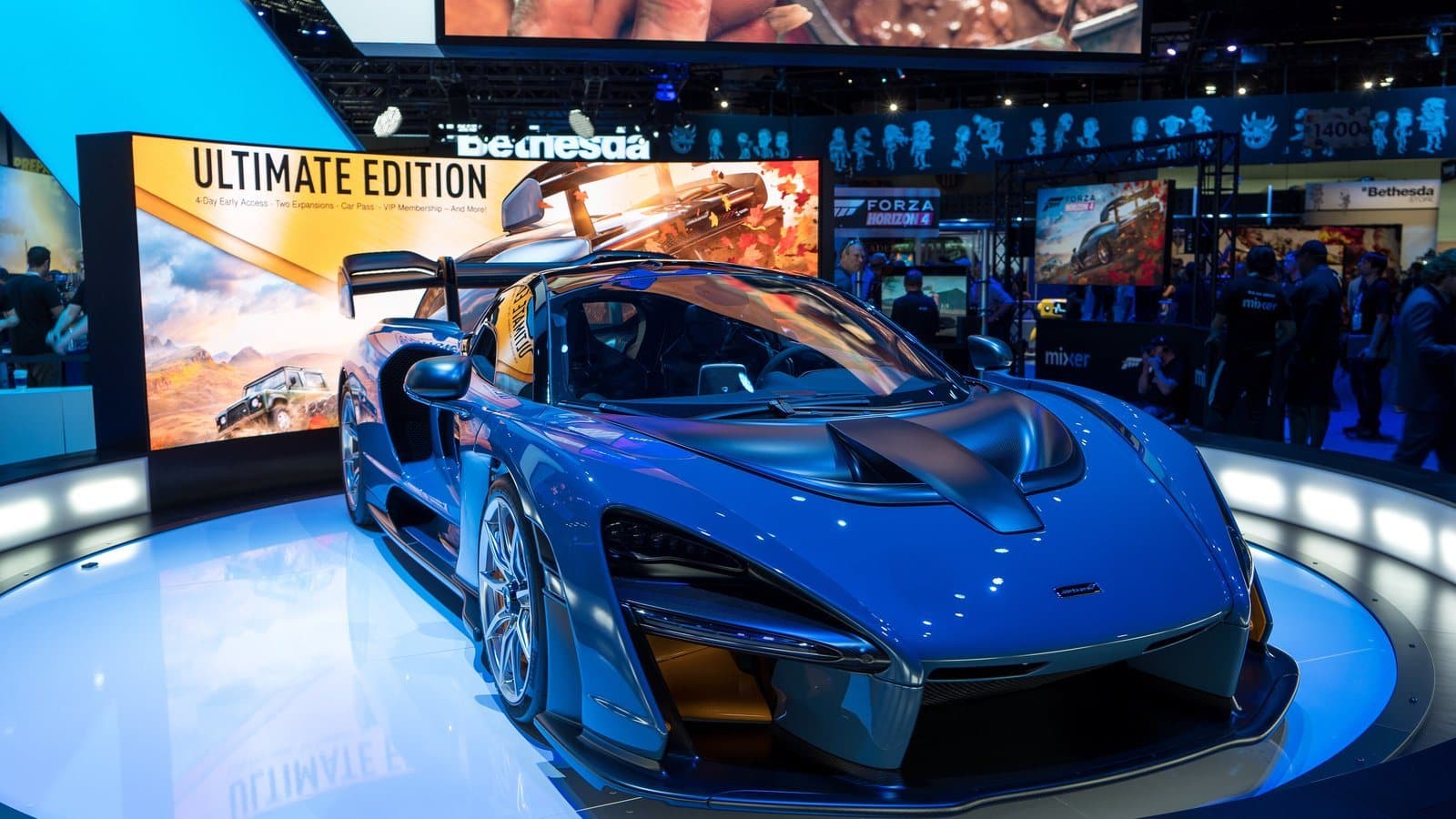
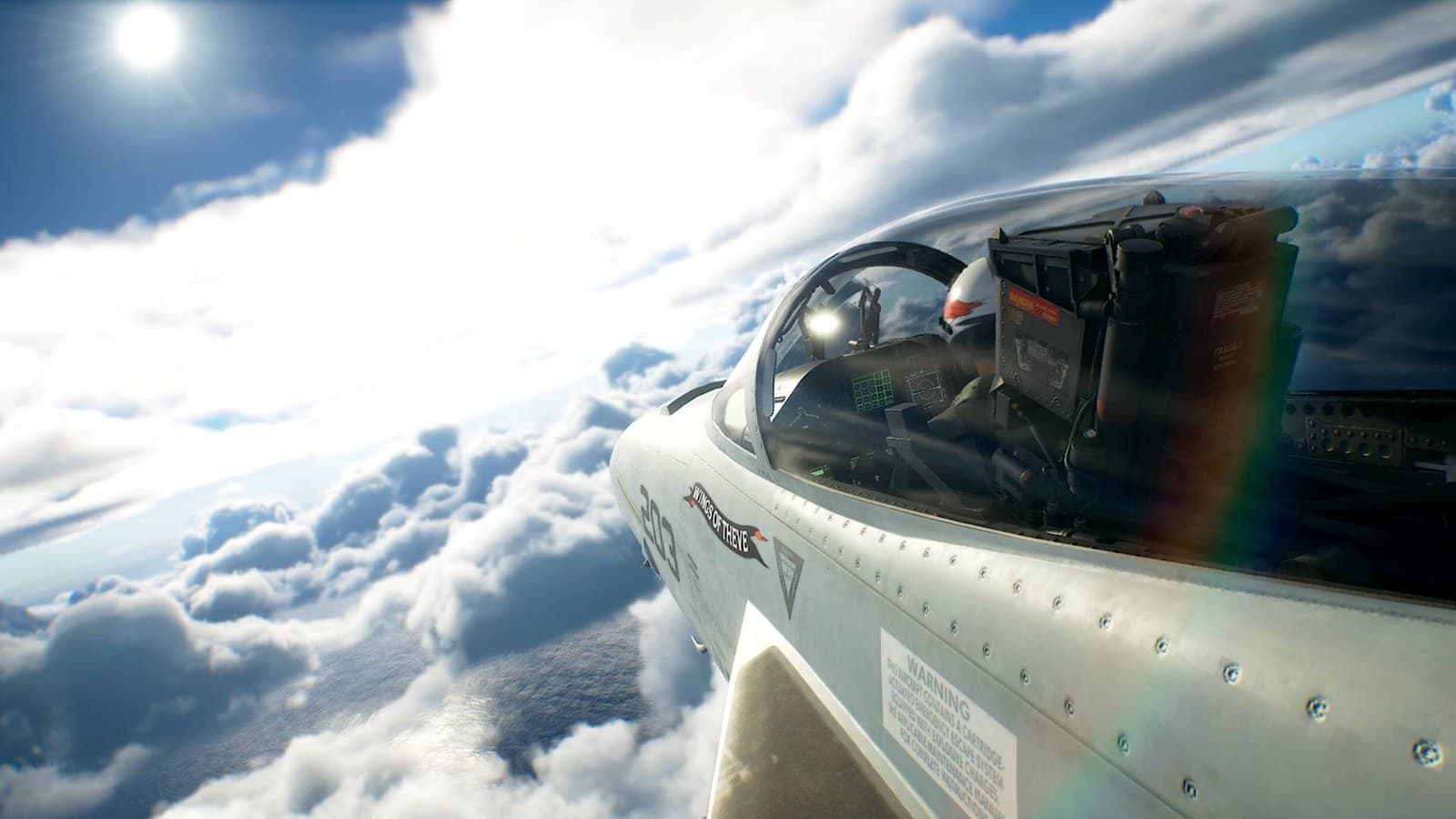
Related reading: Forza Horizon 6 PS5 Release Date Reportedly Set for January 26, 2027 · Ace Combat 8: Wings of Theve Launches to the Series' Best Reviews in Years.
The sequence was unusually public. According to Kotaku, PlayStation's account posted at 10:30 p.m. ET that it had made the "difficult decision to step away" from the project. One minute later, Xbox CEO Asha Sharma said Xbox would publish it. Eight minutes after that, Kojima himself posted a candid account of how the deal had come together.
For a medium that usually manages bad news through carefully worded press releases, the timing was striking. Within ten minutes, readers had three versions of the same event: a platform holder retreating, a rival claiming a trophy, and an auteur explaining that his game had been cancelled months earlier.
Kojima says Sony cancelled Physint in mid-June
Kojima Productions confirmed the new partnership officially in a short statement dated September 10: "Today, we are excited to confirm that our journey with PHYSINT continues with Asha and the team at XBOX." The studio said Xbox "understands and shares our bold creative vision," and that the relationship now "expands beyond OD."
Kojima's own account, posted to X, was more direct. "In mid-June of this year, we unexpectedly received notice from PlayStation Studios that they would cancel the Physint project," he wrote. "Physint is an important project both to me personally and to Kojima Productions. Determined to keep the project alive, we have spent the last three months searching tirelessly for a new partner."
That timeline matters. The public announcement on September 9 was not a negotiation that broke down in real time; it was the conclusion of a roughly three-month search that had been running in private since June. "In the course of seeking advice and pursuing negotiations with people across many fields, we found in Xbox a partner with whom we share a common vision for the future, and we have decided to team up with them once again," Kojima said, adding that "development of Physint, our genre-defining action-espionage title, is ongoing and will continue moving forward."
PlayStation's public statement gave no reason for its decision. "After careful consideration, we have made the difficult decision to step away from collaborating with Kojima Productions on its project Physint," the company said, per VGC. "We continue to have great admiration for Hideo Kojima's vision for the game. Our relationship remains strong after three decades of industry-leading, genre-defining creative cooperation."
Sony's framing (a mutual parting between old friends) sits awkwardly beside Kojima's word, "cancel." The two statements are not necessarily contradictory, but they describe the same event with very different emphasis. One describes a decision not to renew; the other describes a project that was nearly killed.
Why Sony walked away
The reasons surfaced two days later. On September 11, Bloomberg's Jason Schreier reported that PlayStation's decision was driven by several overlapping concerns: the game's budget, missed deadlines, and the commercial performance of Kojima's previous titles.
According to people familiar with the project cited by Bloomberg, Physint was already on course to go over budget even though it remains years from release, and it had missed development milestones. A major factor was that Death Stranding and its 2025 sequel did not meet PlayStation's internal revenue expectations. There was also a structural worry: Physint was never going to be a permanent PlayStation exclusive. The Death Stranding games eventually appeared on other platforms, and Sony was reluctant to spend hundreds of millions of dollars on a title that would not stay locked to its hardware.
Bloomberg's reporting, summarized by Kotaku and Polygon, places the decision inside a broader tightening at PlayStation. A run of live-service failures (most infamously Concord) has led the company to enforce stricter production milestones and to re-examine expensive bets with long horizons. A prestige auteur project with no near-term release date is exactly the kind of cost that looks different in a year of retrenchment.
TechSpot noted the commercial contrast: Death Stranding has reached more than 20 million players, but the 2025 sequel sold more than two million copies after arriving on PC earlier this year, a solid figure for most games, and a modest one for a flagship that Sony helped bankroll.
What is confirmed vs. reported
Kojima's cancellation claim, PlayStation's "step away" statement, and Xbox's new role are all confirmed in official statements. The budget, deadline and sales explanations come from Bloomberg citing unnamed people familiar with the project. Treat the "why" as reported, not official.
What Xbox gets
For Xbox, Physint is the second Kojima Productions title on its books, joining the horror game OD, which is being made with filmmaker Jordan Peele. Xbox Wire framed the deal as an expanded partnership rather than a one-off rescue.
"Creators have choices about where and how they bring their ideas to life," Sharma said in the announcement. "We're honored that Kojima-san has chosen Xbox to work with Kojima Productions on Physint. His ambition to challenge conventions reflects the kind of creativity we want to support at Xbox."
The deal extends beyond games. Both Xbox's announcement and the Kojima Productions statement describe a collaboration "across film and television to bring new stories to broader audiences." According to Kotaku's summary of Bloomberg, the arrangement includes film and TV rights for both Physint and OD.
That transmedia angle is central to Sharma's strategy. The Verge reported that securing a title of Physint's stature reflects priorities Sharma laid out in a memo to Xbox staff over the summer: a focus on "our strongest franchises and biggest new ideas." It also fits a stated ambition of a billion users engaging with Xbox entertainment per day, a goal that is impossible to reach through console sales alone and implies film, television and streaming as much as games.
Variety reported that Sharma and Kojima had been holding in-person meetings and discussions since she took over from Phil Spencer in February 2026, focused on his creative plans and how the two might work together across platforms, including IP development for TV and film. In that light, the Physint announcement reads less like opportunism and more like the visible end of a courtship that had been running for most of the year.
There is a platform-strategy argument too. Kotaku's summary of Bloomberg notes that Xbox releases its games on PC as well as console, and reportedly plans to do the same with Physint; Sony, by contrast, is reportedly done with PC ports of its major exclusives. If accurate, that difference means Xbox can monetise a Physint release across more surfaces than PlayStation would have, one reason the economics look better to Microsoft than they did to Sony.
What the shift means for Physint itself
The game's identity is unchanged on paper: Kojima continues to call it a "genre-defining action-espionage title," a phrase that has fuelled expectations of a spiritual successor to Metal Gear. It will follow OD, which has no release date either.
Several practical questions remain open. The biggest is the engine: Physint was being built on Decima, the engine developed by Sony's Guerrilla Games. PC Gamer noted that whether the game continues to use Decima under an Xbox publishing deal is unknown. Engines are licensable, but a Sony-owned technology sitting under a Microsoft-funded game is an obvious friction point that will need a legal and technical answer.
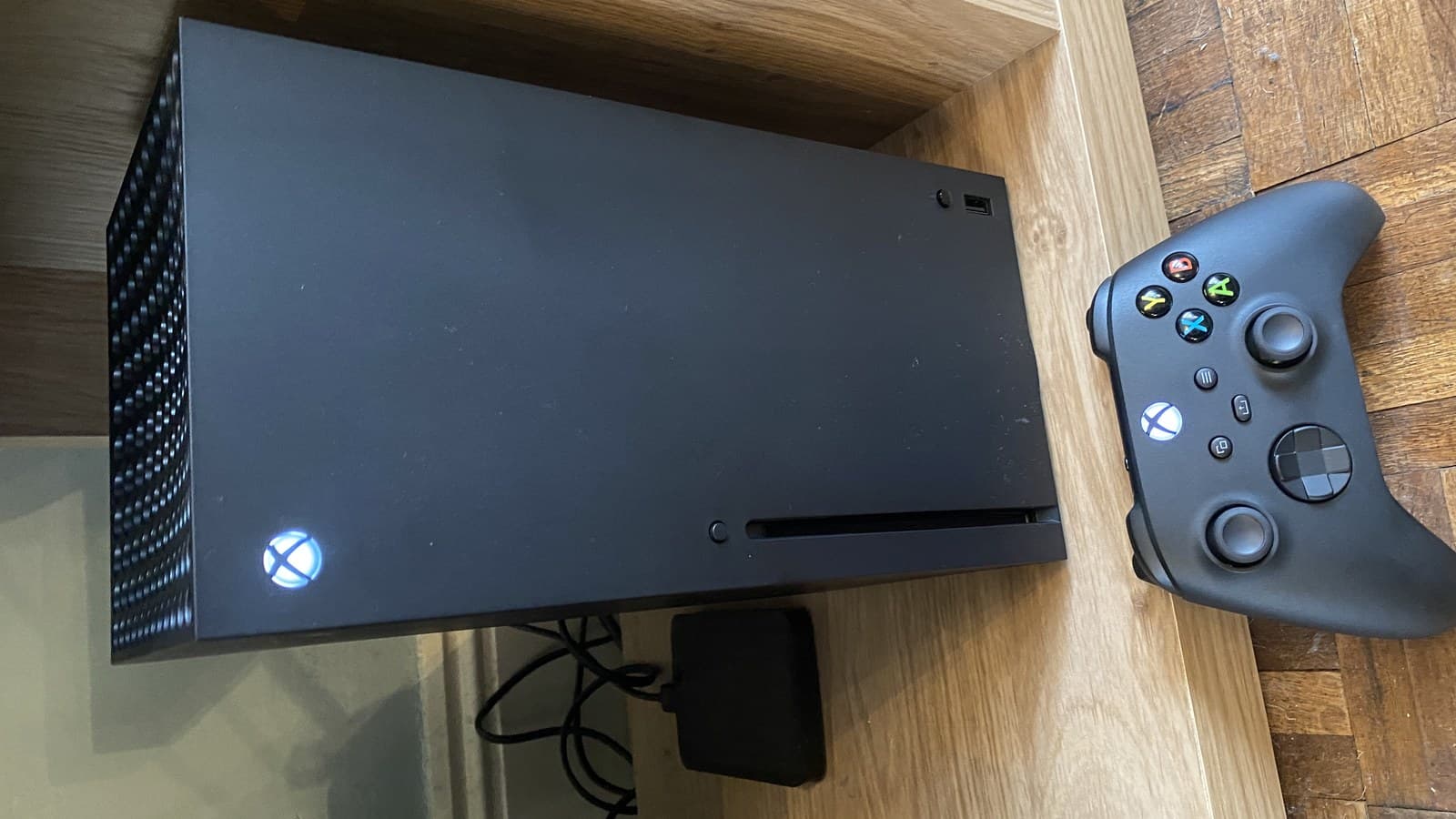
Timing is another. Kojima said in May 2025 that Physint was likely five to six years from completion, putting it at 2030 or later. That horizon makes it a natural fit for Xbox's next-generation hardware, which Microsoft has discussed under the codename Project Helix. And there is little public information about the game beyond its supporting cast, Charlee Fraser, Ma Dong-seok (Don Lee) and Minami Hamabe are attached, according to Game Informer.
Kojima has also described the project in hybrid terms, saying at one point that it would be "both a game and a movie at the same time." That ambition is one reason the film-and-TV clause in the Xbox deal matters: it gives a transmedia plan somewhere to go that does not depend on PlayStation's cooperation.
The exclusives question
The Physint move lands in the middle of a visible reversal in Xbox's platform strategy. For several years Microsoft pushed its first-party titles toward multiplatform releases, including putting some former exclusives on rival consoles. Under Sharma, the company has moved the other way, positioning marquee titles as Xbox exclusives again. Physint and OD (two Kojima Productions games, both now backed by Xbox) are the clearest expression of that swing.
Sony is moving in the opposite direction, but for defensive reasons. Its recent decisions, including ending production of physical discs for new titles from 2028, have generated significant criticism. Losing a Kojima game to a competitor compounds the perception of a platform in retreat, even though Sony insists the relationship with the studio is intact. Polygon's framing is fair: this is a public-relations hit for PlayStation and a point scored by Xbox, whatever the private terms.
It is worth keeping expectations calibrated. Exclusive deals are not free wins. Microsoft is in the middle of layoffs that will cut thousands of jobs, and taking on a years-away, likely expensive auteur project is a notable commitment at a moment of cost discipline. The Xbox spokesperson's line to Bloomberg ("Betting on Kojima-san is an easy call") is a statement of intent, not a guarantee of return.
What to watch
Four things will determine what this deal actually means.
- The engine. If Physint moves off Decima, that is a substantial technical and financial reset; if it stays, the arrangement with Sony needs explaining.
- Exclusivity terms. Xbox has not said whether Physint will be console-exclusive, timed-exclusive, or day-and-date on PC. The answer will define how the deal is scored.
- The film and TV rights. A Kojima film or series under Xbox is the part of this arrangement that could reach audiences far beyond console owners.
- Sony's next move. PlayStation says it will keep collaborating with Kojima Productions, and the Death Stranding franchise is still a joint property. Whether that relationship continues, and in what form, is the quiet test of how bitter this split really is.
For now, Physint is alive, and it has a patron. The game that Sony spent two years promoting as a PlayStation showcase will now be built with Microsoft's money, and the gaming public watched that change hands in about ten minutes on a Tuesday night.
Tags

TPW Editorial
Editorial Team
TechPastWeek's editorial team reports and edits every story we publish. We research each piece against primary and credible secondary sources, and a human editor reviews and signs off before it goes live.