Resident Evil (2026) Is a Franchise Record, and a Blueprint for Game Adaptations
A review of Zach Cregger's Resident Evil (2026), which set a franchise box-office record and an R-rated video-game mark, and why the adaptation worked so well.

On this page
Key takeaways
- Zach Cregger's Resident Evil opened to an estimated $60 million in North America from 3,684 theaters over September 18 to 20, 2026, the biggest debut in the franchise's 24-year history.
- The Sony and Constantin film added $48.3 million internationally for a $108.3 million global opening on a reported $75 million production budget.
- It holds a 96 percent critics score on Rotten Tomatoes, a 91 percent audience score, a B+ CinemaScore and a 79 on Metacritic, the best reception of any Resident Evil film.
- Through September 25, 2026, the film had grossed about $133.5 million worldwide, and analysts projected a second-weekend drop of roughly 57 to 58 percent.
- Resident Evil: Afterlife had held the domestic record for an R-rated video game film at $60.12 million for about 16 years, a mark the new film passed within days.
Zach Cregger's Resident Evil arrives as the rare video game adaptation that can be called both a commercial and a critical success. Sony's R-rated reboot opened to an estimated $60 million in North America from 3,684 theaters over the weekend of September 18 to 20, 2026, the largest debut in the franchise's 24-year history, then added $48.3 million internationally for a $108.3 million global start, according to Deadline and Variety. Against a reported $75 million production budget, that is the kind of result that changes what a studio believes a game property can do.
Related reading: Street Fighter (2026) Arrives to a Rotten Tomatometer and a Fan-Service Split · Klara and the Sun Reviews: 25 Percent on Rotten Tomatoes, 81 Percent From Audiences.
TechPastWeek covered the record opening in a separate report after the first weekend. This piece is the review and the analysis: what Cregger actually made, and why the approach worked where so many adaptations have not.
Where the numbers stand now
Through September 25, 2026, the film had grossed about $133.5 million worldwide, split between roughly $87.1 million in the United States and Canada and $46.4 million elsewhere, per box office tallies cited by Wikipedia from Box Office Mojo and The Numbers. The film was still opening in new markets: Thailand, the CIS and South Africa followed the domestic launch, with Japan set for October 9.
The second weekend, which lands as this review publishes, was expected to be the first real test of word of mouth. Box Office Report projected a decline of about 57.6 percent to $25.5 million, which would lift the domestic total to roughly $106 million and make the film the first in the series to pass $100 million unadjusted domestically, Box Office Report wrote on September 24. Variety, working from Friday's estimated $6.9 million, put the second weekend nearer $23.5 million and the film in fourth place behind the Avengers: Endgame reissue, A24's Primetime and Heart of the Beast. Both are projections; the confirmed figures arrive early in the week.
The record context matters more than any single number. Resident Evil: Afterlife opened to $26.6 million in 2010, which stood as the franchise's best opening for 16 years, and Variety rounds that figure to $26 million. Its $60.12 million domestic total was also the highest for any R-rated film based on a video game, a mark Rotten Tomatoes noted the new film was set to pass within days. The 2021 reboot Welcome to Raccoon City had gone the other way: a $5.3 million opening, about $17 million domestically and $42 million worldwide on a $25 million budget, a commercial and critical failure that made the property look spent.
What Cregger actually made
The new film is not a retelling. Cregger and co-writer Shay Hatten built an original story around Bryan, a medical courier played by Austin Abrams, who takes a last-minute delivery into Raccoon City on a snowy night and drives straight into the outbreak. It runs 94 minutes and was filmed for IMAX, with Dariusz Wolski as cinematographer and a score by Ryan and Hays Holladay. None of the games' legacy characters appear.
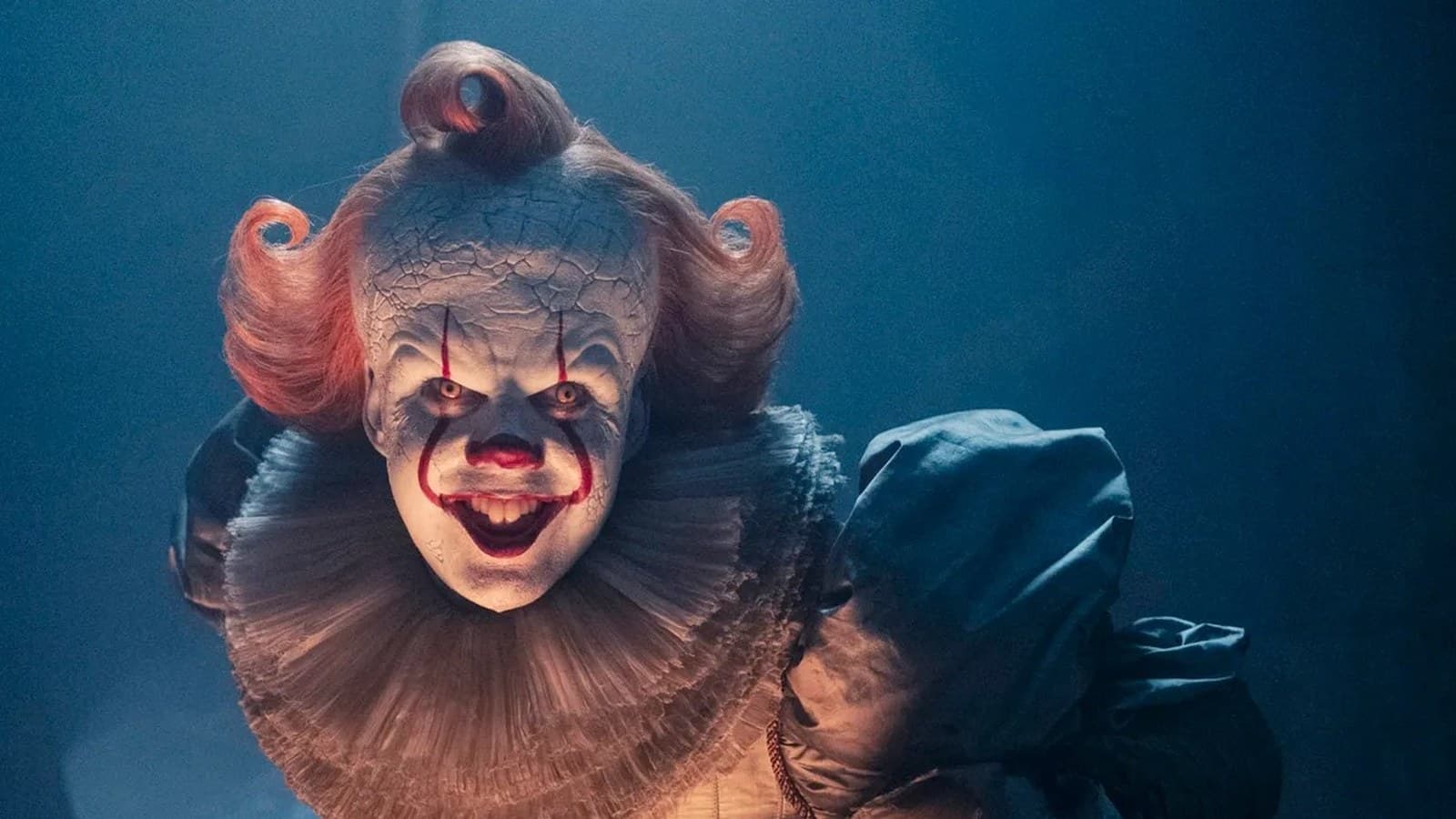
What Cregger does instead is reproduce the sensation of playing the games. The camera often holds a third-person, over-the-shoulder view; progress depends on opening the right door, finding a way past a locked gate and managing scarce ammunition; the monsters are largely practical and deliberately grotesque. IndieWire's David Ehrlich called it the first Resident Evil movie that "actually ... evokes what it feels like to play" the games, praising the film's attention to geography and to the process of getting from one place to another.
The humor is the element the director calibrated most heavily. Cregger told The Hollywood Reporter that early test audiences liked the film but found it "too funny," so he removed as much of the comedy as he could. "A little bit of humor goes a long way in a horror movie, and there's not a single joke I took out of this movie that I miss," he said. Abrams holds the screen as a panicked everyman, and the film leans on his reactions for relief between set pieces.
Reception reflects that balance. The film holds a 96 percent critics score on Rotten Tomatoes from 263 reviews and a 91 percent audience score, with a consensus that calls it "a propulsive tribute to the pleasure and terror of playing a truly spooky video game." Metacritic puts it at 79 out of 100 from 51 critics, and CinemaScore audiences gave it a B+, the best grade in franchise history. THR's Frank Scheck wrote that the film "transcends its simplistic premise with the sort of cinematic wit and flair for which the filmmaker has been justly acclaimed."
It is not flawless. Ehrlich's largely positive review argues the film gets "too goofy for its own good" once other characters enter and the scope widens, and that it floats free of the grim context the games use to tell ridiculous stories with a straight face. Other critics have said the last act tips too far into comedy. The ending is also unusually withheld by the studio and has divided audiences; this review will not spoil it beyond noting that the film commits to a bleak, abrupt final turn rather than a conventional resolution.
Why this adaptation worked
The first reason is authorship. Sony and Constantin handed a mid-budget franchise film to a director with a clear voice and let him use it. Cregger had broken through with Barbarian in 2022 and Weapons in 2025, the latter earning about $270 million globally on a $38 million budget and winning Amy Madigan an Academy Award. He arrived with audience goodwill and critical credibility, and the campaign sold a Cregger film as much as a Resident Evil film. Variety quoted analyst David A. Gross of the newsletter FranchiseRe calling it "a big comeback after the previous episode stumbled during the pandemic," and adding that "reviews are outstanding and the audience score is excellent for the genre."
The second reason is that the film adapts a feeling rather than a plot. Earlier entries either invented a new mythology around Milla Jovovich's Alice or tried to compress the games' stories, and neither approach pleased players and newcomers at once. Cregger set his story beside the events of Resident Evil 2 and told a smaller, self-contained night. "I wanted to construct a story that could live in the world of Resident Evil and be maybe on the periphery of the events of Resident Evil 2 ... but tell another story that could be happening in parallel to that that really honors the vibe and the pacing that you get when you play the games," he told PlayStation Blog.
That approach reached gamers as well as general horror fans. Deadline reported that heavy gamers made up 36 percent of the opening-weekend audience, compared with 14 percent for The Final Chapter, and that 46 percent of attendees said they came because of the franchise. The framing let the film pull in viewers who had never played the games, which is the dual audience most adaptations fail to reach.
The third reason is economics. At $75 million, the film did not need a billion-dollar global run to justify itself. A $60 million domestic opening plus a comparable international start puts it on a path to profit, and the film was booked into premium large-format and IMAX screens, where ticket prices are higher. The 2021 reboot's $25 million budget was smaller, but its $42 million worldwide gross left the property damaged rather than profitable.
What it means for game adaptations
The result lands in a strong cycle for the genre. Rotten Tomatoes' box office column wrote that any suggestion of video game adaptations as box office poison "has quickly dissipated," helped by family-friendly hits such as The Super Mario Bros. Movie, the Sonic films and A Minecraft Movie, while television has produced Fallout and The Last of Us. The distinction with Resident Evil is the R rating and the horror framing, a combination that had produced little beyond the mid-sized Silent Hill and Doom films.
If there is a blueprint here, it has three parts: hire a filmmaker with a distinct sensibility, let that filmmaker tell an original story inside the property rather than retelling a beloved one, and keep the budget at a level where a strong opening is enough. None of those require a shared universe or a decade of setup. They require trust in a director, which is the part that usually goes missing.
The caveats and what to watch
One hit is not a template. Welcome to Raccoon City is the reminder that the same franchise can produce opposite outcomes five years apart, and the audience that showed up for Cregger's name may not follow the next director. The approach also depends on the property tolerating an original story. Resident Evil has an unusually loose canon, and not every game series does.
There is also a cost to stripping the lore. A vocal slice of the fandom wanted the games' legacy characters, particularly Leon S. Kennedy, and Cregger felt the backlash. THR reported that he had "underestimated" the appetite for those stories and said Resident Evil would be the first and last franchise he tackles. "If I tried to please everybody, I'd end up pleasing nobody," he told the magazine.
Three things will settle how far this success travels. The second-weekend hold is the clearest signal of whether curiosity is turning into repeat business. The overseas rollout, especially Japan and China, where the franchise has historically been strongest, will determine the final worldwide total. And the industry will watch whether Sony and Constantin treat a $75 million, director-led, R-rated adaptation as a model, or as a one-off that owed more to one filmmaker than to the property.
For now, the film has already done something the previous seven live-action installments could not. It became the best-reviewed Resident Evil ever made, and, among the highest-rated video game adaptations on both Rotten Tomatoes and Metacritic, it opened like a major release. That combination, not the record alone, is what other studios will study.
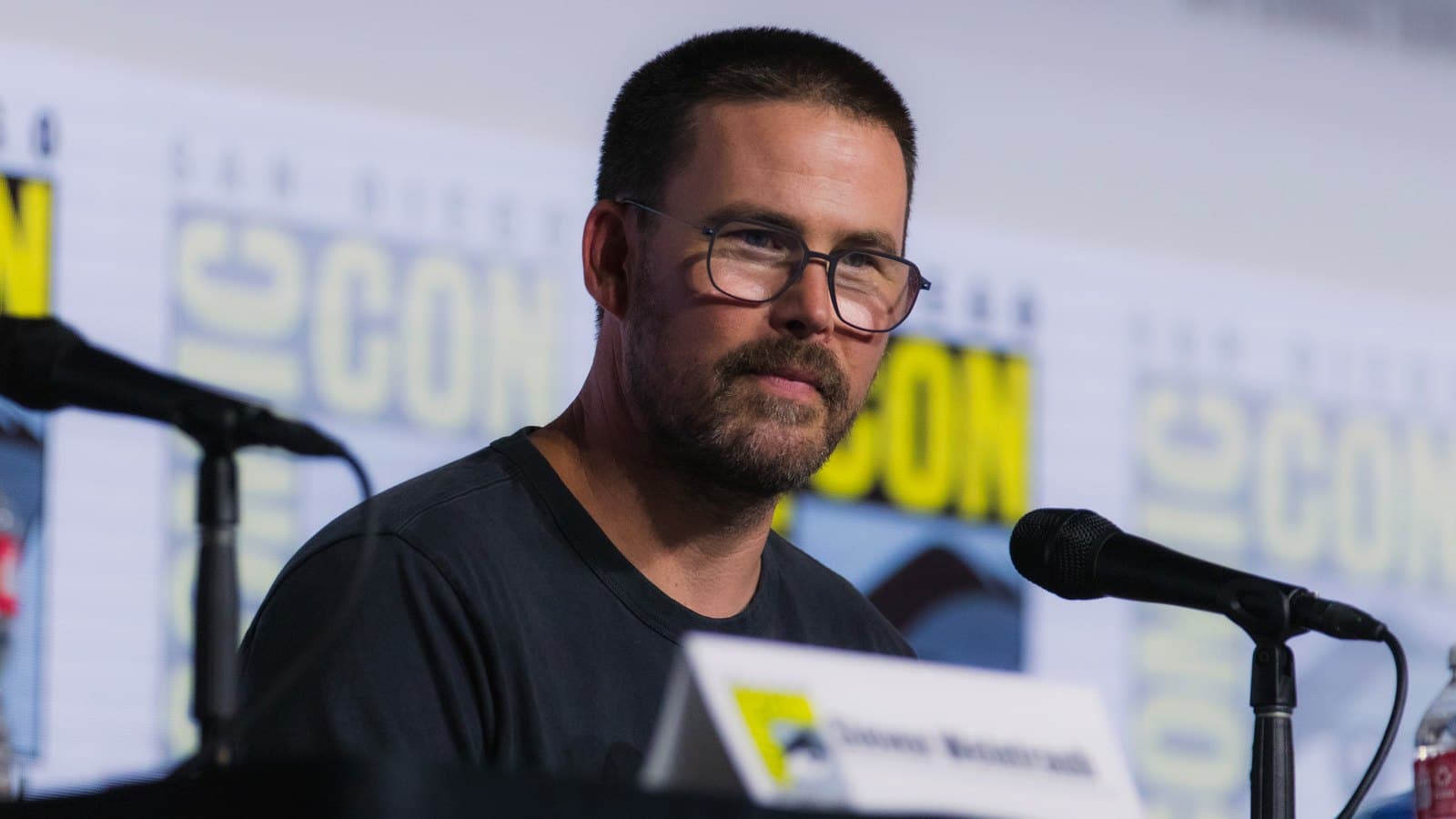
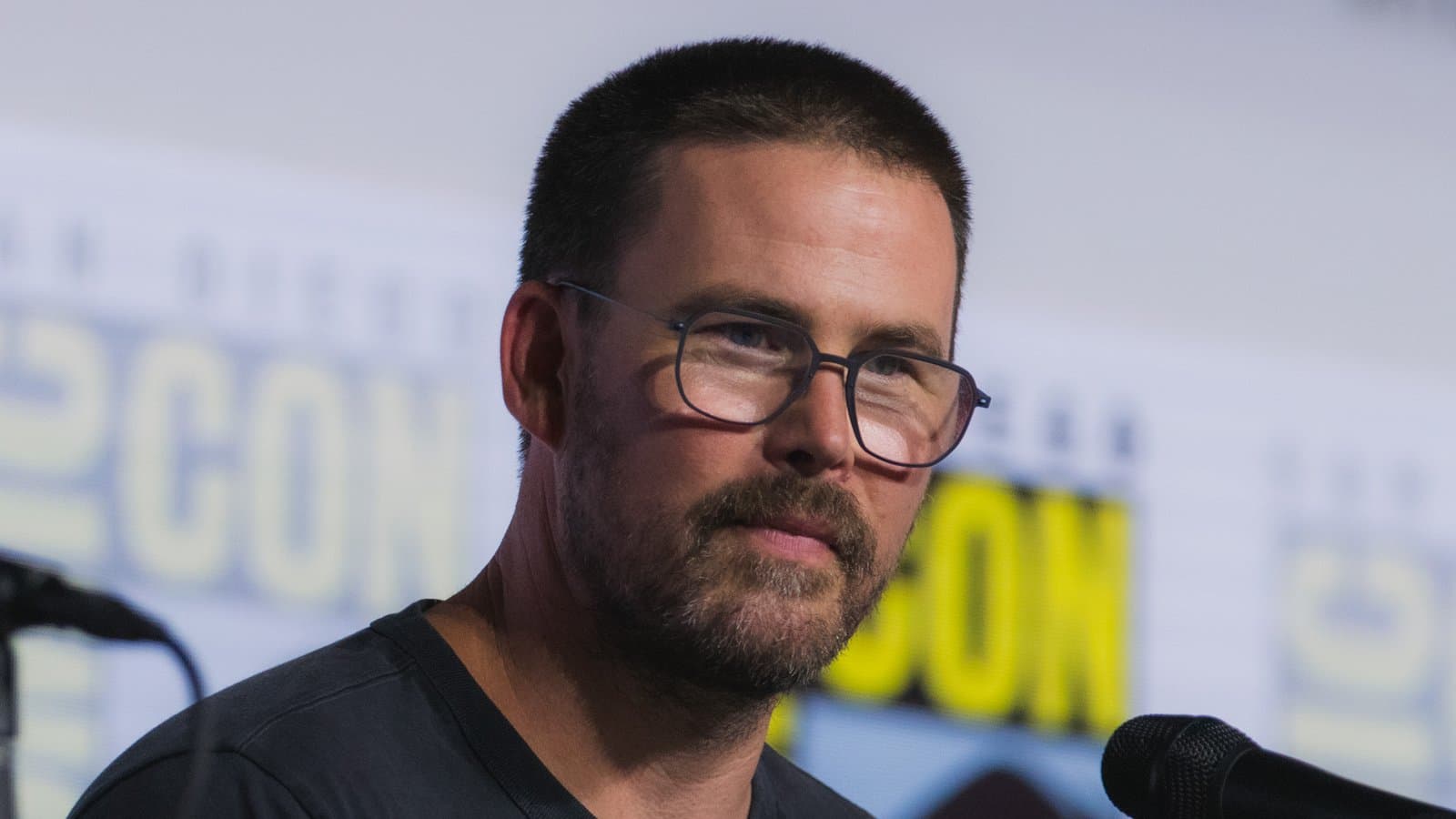
Cover image: filmmaker Zach Cregger at San Diego Comic-Con 2026. Photo by Kevin Paul via Wikimedia Commons (CC BY 4.0).
Tags
Frequently asked questions
- How much did Resident Evil (2026) make in its opening weekend?
- Sony reported an estimated $60 million in North America from 3,684 theaters and $48.3 million internationally, for a $108.3 million global opening. Those studio estimates were published on September 20, 2026.
- Is Zach Cregger's Resident Evil based on a specific game?
- No. It is an original story set in the Resident Evil universe, following a new character, the medical courier Bryan, during the Raccoon City outbreak. Cregger has said he chose not to adapt a game's plot because those stories are already told in the games.
- What record did Resident Evil (2026) break?
- Its $60 million opening is the largest in the franchise, more than doubling the previous best of $26.6 million set by Resident Evil: Afterlife in 2010. Afterlife's $60.12 million domestic total had been the top gross for an R-rated video game film for about 16 years, and the new film passed it days after opening.
- Why did this Resident Evil adaptation succeed where earlier ones struggled?
- Critics and analysts credited a director-driven, original take that captures the feel of playing the games rather than retelling their plots, along with strong reviews, a B+ CinemaScore and audience goodwill toward director Zach Cregger.

TPW Editorial
Editorial Team
TechPastWeek's editorial team reports and edits every story we publish. We research each piece against primary and credible secondary sources, and a human editor reviews and signs off before it goes live.