Super Smash Bros. Melee Reaches 100% Decompilation After Six Years
A volunteer team has rebuilt Super Smash Bros. Melee's GameCube executable byte for byte in C, opening the door to deeper mods and early native ports.

On this page
On the first weekend of September 2026, the progress tracker at decomp.dev rolled over to a number that a small community had been chasing for more than half a decade. The Super Smash Bros. Melee project now reads 100.00% decompiled and 100.00% fully linked. The volunteer effort behind doldecomp/melee had reconstructed the 2001 GameCube fighting game's machine code as readable C, and the result compiles into a binary that is byte-for-byte identical to Nintendo's original.
Related reading: Epic Games Goes AI-First on Its Delayed Disney Shooter · Google Launches Playground, an AI Platform That Builds Playable Games From Prompts.
That is a rarer thing than it sounds. Most reverse-engineering projects settle for code that behaves like the original. A matching decompilation demands something stricter: compile the reconstructed C with the same compiler and flags Nintendo used, then compare the output bytes against the retail executable. Tom's Hardware reported the milestone on September 8 under the headline that Melee had been fully decompiled after over six years.
What matching actually means
The target is the US version 1.02 of Melee, identified on the disc as GALE01. The repository's README lists the SHA-1 hash the build is expected to reproduce: 08e0bf20134dfcb260699671004527b2d6bb1a45. The executable itself, main.dol, is about 3.88MB, and the tracker splits progress into 3.88MB of code and 1.21MB of data, both now complete.
The value of the byte-for-byte standard is that it removes judgment from the process. A contributor can generate a plausible-looking C function, but the compiler decides whether it is correct. Either the instruction sequence and register allocation match the original, or they do not. For a game whose competitive scene lives on frame-precise behavior, that mechanical test is the whole point.
It also means the project's C translation is verifiable rather than merely similar. As the repository explains, the rebuilt project is not itself portable: it compiles into Melee, it does not run on an ordinary computer out of the box. But the repository notes that the DOL it produces can be shifted, which means code can be added to or removed from the binary. Practically, that lets a modder insert new behavior or strip out unused systems and still build a working disc, a degree of control that patching a finished binary rarely allows. That is where the practical consequences begin.
Six years and more than 3,800 commits
The repository was created on June 30, 2020, and now carries 3,824 commits on its master branch, with more than 2,100 stars and roughly 312 forks. The effort was never one person's project. GitHub's contributor list is led by ribbanya, PsiLupan and r-burns, and the Discord behind it became a standing workshop for decompilation tooling.
The pace changed over time. In January 2026, a contributor posted to r/SSBM that the project had crossed 50% and credited AI coding agents with accelerating the work, pointing to a single pull request that added 0.6% on its own. The final stretch, through the summer of 2026, produced a steady run of commits matching and linking individual game systems, from camera and menu code to the JPEG decoder and stage data.
What the 100% figure covers
The tracker reports two numbers. Decompiled means every function has a matching C implementation. Fully linked means the pieces have been assembled into a complete, shippable binary at the expected addresses. Melee has now reached both, for the US v1.02 release only.
Why preservationists and modders care
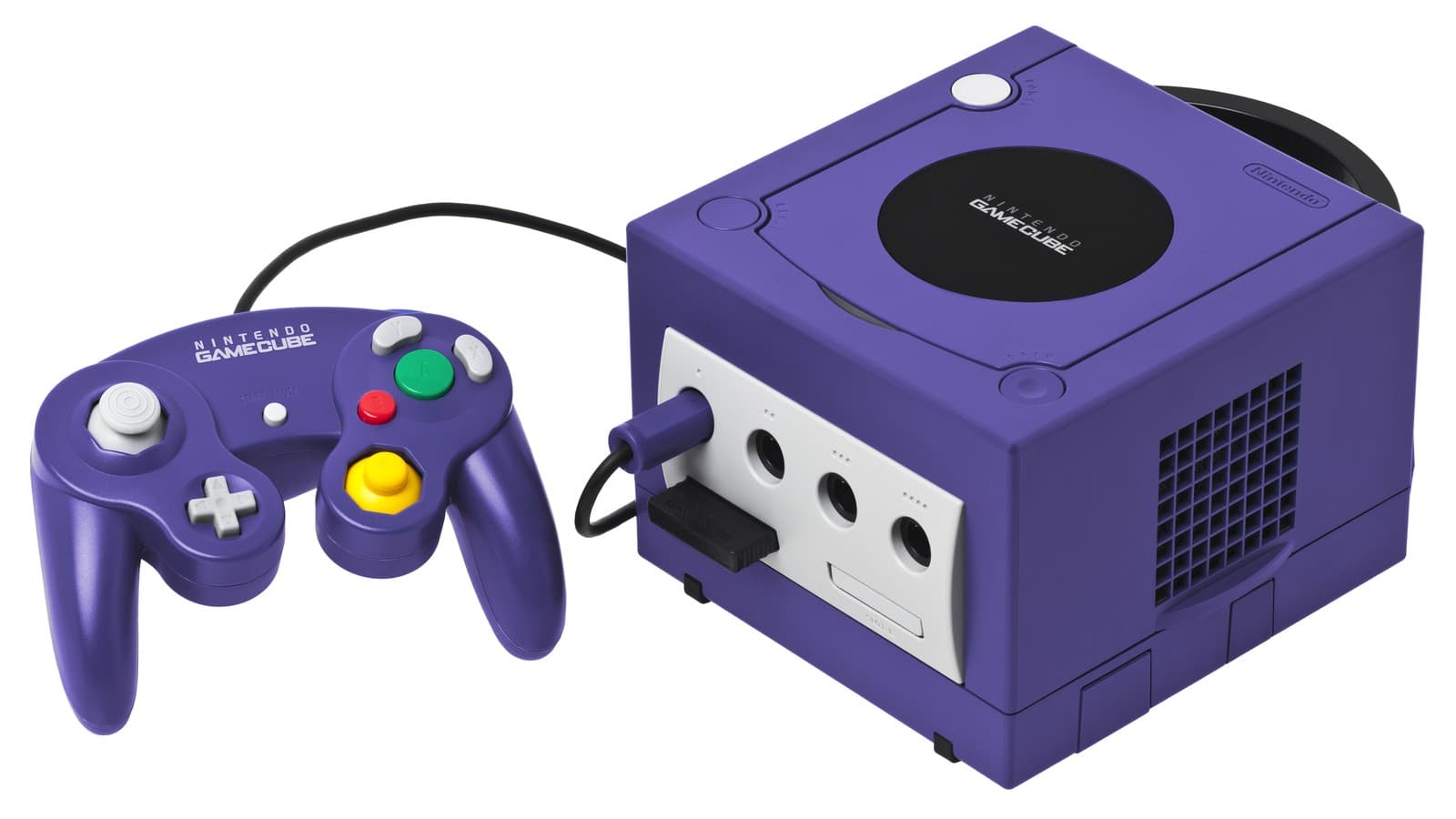
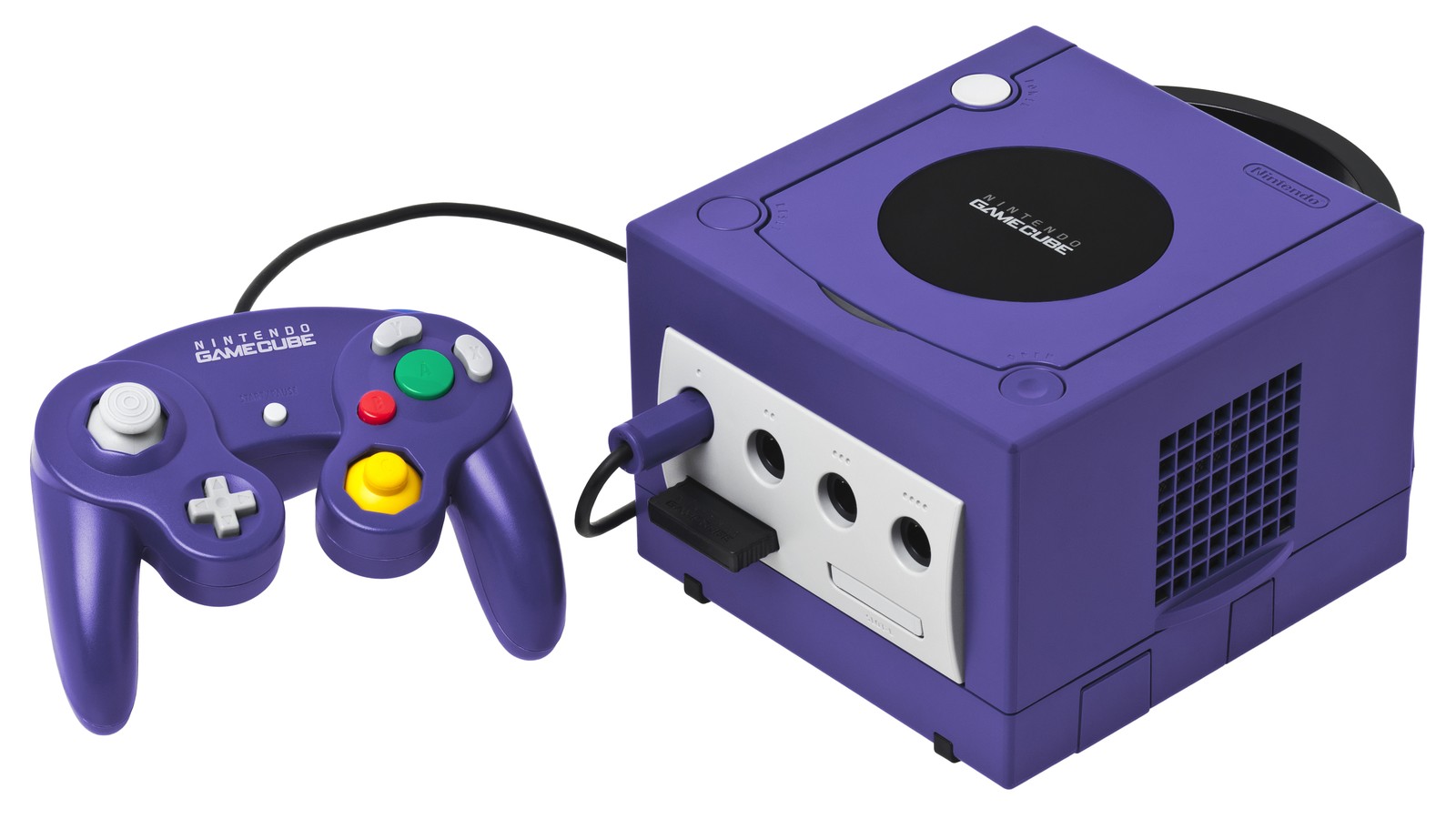
Melee occupies an unusual place in game history. Developed by HAL Laboratory and published by Nintendo, it launched in Japan on November 21, 2001 and remained the GameCube's best-selling title, with more than seven million copies sold by 2008. Its competitive community is still active a quarter of a century later, which makes the game's internals a subject of continuing study.
A matching decompilation changes what that study looks like. Before, modders worked against assembly or patched the shipped binary. Now the engine, physics and mechanics are expressed in C that people can read and edit. The project's own documentation frames the outcome plainly: creating mods becomes easier because C is easier to consume than assembly.
The milestone does not hand anyone a finished port. The decompiled repository ships no Nintendo assets, and the original game's art, audio and stage data still have to come from a disc the user owns. As Android Authority explained when the news broke, decompilation opens the door to unofficial ports, but it does not build them, and any port still needs assets extracted from a ROM.
The community around the announcement was quick to temper expectations. A widely shared post warned that mods remain work to build, that they will conflict with one another, and that a finished PC port is not weeks away. Readable source code lowers the barrier; it does not remove the labor.
The AI credit fight, and what the record shows
Much of the coverage has framed the finish as an AI achievement, and the details are messier than the headlines suggest.
Tom's Hardware wrote that the effort took six years or more "with OpenAI's Astra part of the effort to get it over the line," and later added that "some highlight that the project was finalized with thanks in part to the latest AI tech, including GPT-6 Astra." TweakTown went further, saying the team mostly used large language models and turned to Astra to finish. Some outlets repeated that as a claim from the maintainers.
The public record points somewhere more specific. ScreenRant reported that the news was announced by a user named Reticent, whose post read, "Super Smash Bros. Melee is now 100% decompiled! *Used with AI (Claude)." That is a different model from the one in the Astra framing. The repository's own history backs a Claude-centric story: a January 2026 pull request titled "Match a bunch of duplicate functions with Claude" merged hundreds of matches and described using the model for the manual work of adapting near-identical functions.
Community members added a further correction. One contributor wrote on r/smashbros that the first roughly 40% of the decompilation was completed entirely by humans, which gave language models a baseline to pattern-match against. The same discussion put the human cost bluntly: matching agents still need review, and the project continues because the code still has to be made more readable and more moddable.
The defensible summary is narrower than either side of the argument. Language models, used by humans in the loop, accelerated the later stages of a six-year volunteer project. Which vendor's model deserves the credit is disputed, and the byte-for-byte target means the output is correct regardless of who or what typed it.
The broader decompilation wave
Melee is the most prominent name to fall, but it is not the first. Decompilation communities have already reached 100% on Super Mario 64, The Legend of Zelda: Ocarina of Time and Twilight Princess, Pikmin, Animal Crossing and others. Tom's Hardware's own related coverage includes GoldenEye 007 on the Nintendo 64 and a native PC port of Donkey Kong 64.
The pattern matters because it is cumulative. Tools built for one project, including the decomp.me scratch service and the objdiff diffing tool, carry over to the next, and the people who learn the workflow on one game often move to another. decomp.me in particular has become shared infrastructure, a place where contributors pit candidate C against target assembly before anything reaches a repository. Nintendo's older catalog is unusually well suited to this treatment: the games are beloved, their hardware is aging, and their inner workings have been studied for decades.
Nintendo's legal posture toward fan projects remains restrictive, which is the largest caveat attached to any of this. Nothing about a matching decompilation resolves the underlying copyright questions around game assets, and the community has been careful to keep the decompiled source separate from Nintendo's owned art and audio.
What to watch next
The first concrete result arrived within a week. On September 14, Android Authority reported that a developer called 999sian had released melee-pc, an unofficial Windows and Linux port built on the decompilation and the Aurora graphics compatibility layer. It ships without game files and requires a US v1.02 disc image, and it is early: DSOGaming noted that online play, All-Star mode and widescreen support are missing, though the port offers resolution scaling, shaders, and gamepad remapping. The developer's Android build is reportedly broken for now.
Separately, developer Theo Browne demonstrated a Melee build running on macOS at 120 frames per second, produced with OpenAI's Astra in a loop over about six hours. That experiment is a demonstration of what the readable source makes possible, not a shipped product, and it rests entirely on the six years of human work underneath it.
Three things will show where this goes. Watch whether the melee-pc port stabilizes and reaches a wider audience, whether the Nintendo 64 and GameCube pipeline of decomps continues to shrink in duration, and whether Nintendo responds to a project that it has so far left alone.
The bottom line
A six-year, largely volunteer effort has turned one of the GameCube's most important games into verifiable, editable C. The achievement is that the rebuild is exact, not approximate. The AI credit is real but contested, and the practical payoff, better mods and early native ports, is only beginning to appear. For a 25-year-old game with a stubborn competitive scene, that is a foundation the community has wanted for a long time.
Tags

TPW Editorial
Editorial Team
TechPastWeek's editorial team reports and edits every story we publish. We research each piece against primary and credible secondary sources, and a human editor reviews and signs off before it goes live.