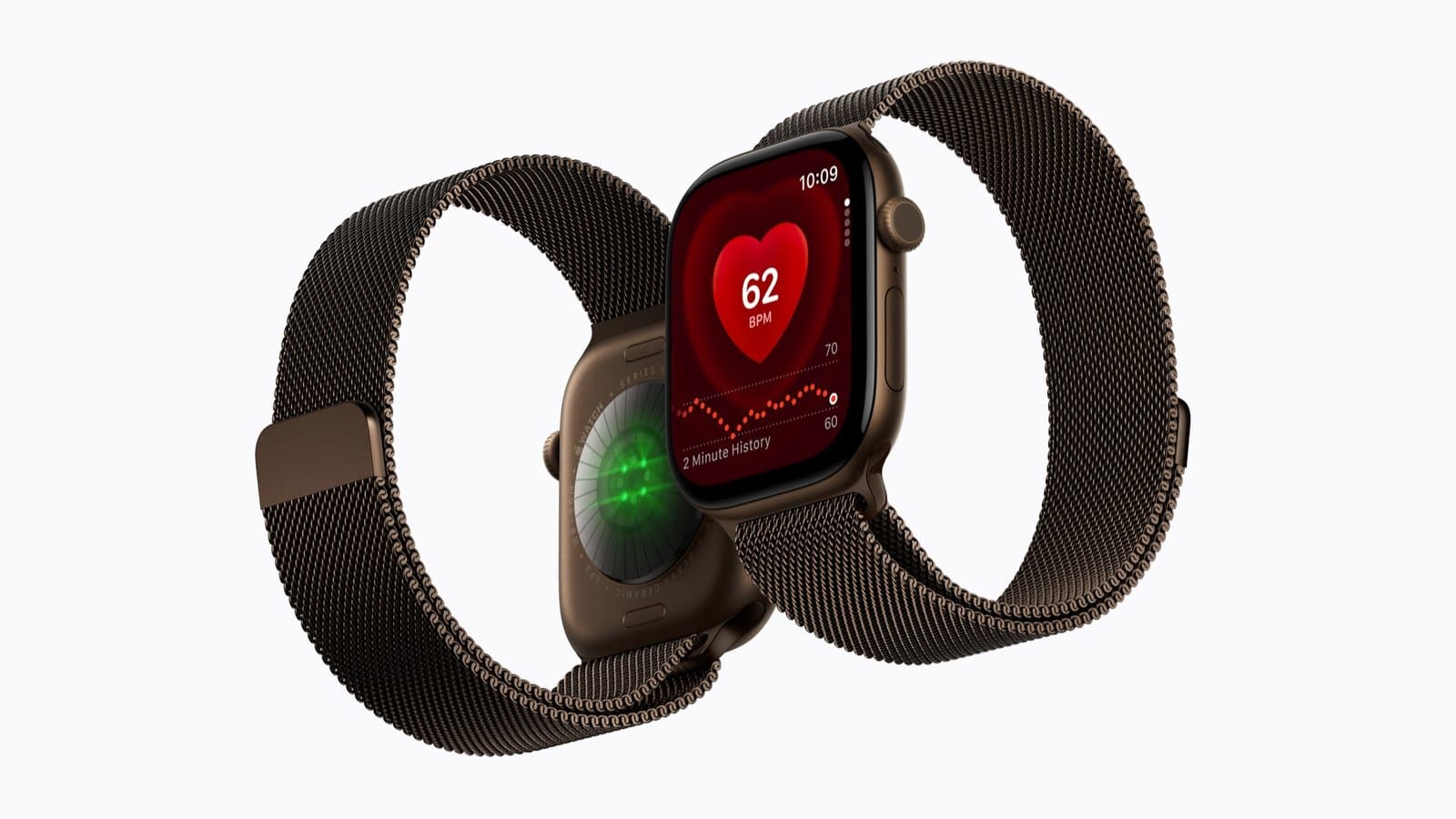
Apple Launches HomeView at $299, Its First Smart Home Display
Apple's October 13, 2026 "Welcome Home" event launched HomeView, a $299 smart display, a $149 HomePod mini 2 and a $299 Apple TV 4K, but HomeView skips the EU.

On this page
Key takeaways
- Apple launched HomeView, its first smart home display, at its 'Welcome Home' event in New York City on October 13, 2026, priced at $299.
- HomeView goes on sale Friday, November 13, 2026, in eight countries; it is not sold in the European Union because Siri AI is unavailable in iOS there.
- The second-generation HomePod mini costs $149, up $20, and ships October 30, 2026 without Siri AI, which Apple says will arrive in a future software update.
- The fourth-generation Apple TV 4K costs $299, roughly twice the 2022 model, and is the first Apple TV to support Siri AI.
- The Apple Home Collection, Apple's first self-designed smart home accessories, starts at $199 and goes on sale from December 2026, co-developed with LG and Schneider Electric.
Apple used its "Welcome Home" event in New York City on October 13, 2026 to launch HomeView, the company's first smart home display, at $299. The same keynote brought a second-generation HomePod mini at $149, a new Apple TV 4K at $299, and the Apple Home Collection, the first smart home accessories Apple has designed itself. Preorders for the three devices opened the same day. (Apple Newsroom)
Related reading: Apple Sets a 'Welcome Home' Event for October 13, With Smart-Home Hardware Expected · Apple Puts Touch on the Mac at $2,899, Reversing a Long Resistance.
Readers of our October 8 preview will recognise the outline. We reported then that Apple had confirmed a date and a tagline and almost nothing else, leaving the hardware to reporters who had described a 7-inch display, a refreshed HomePod mini and a new Apple TV. This article covers what the event itself delivered. Most of the predicted product line arrived, and the questions the leaks could not settle, such as what software layer the display runs, went unanswered again.
HomeView: a 7-inch screen on a speaker base
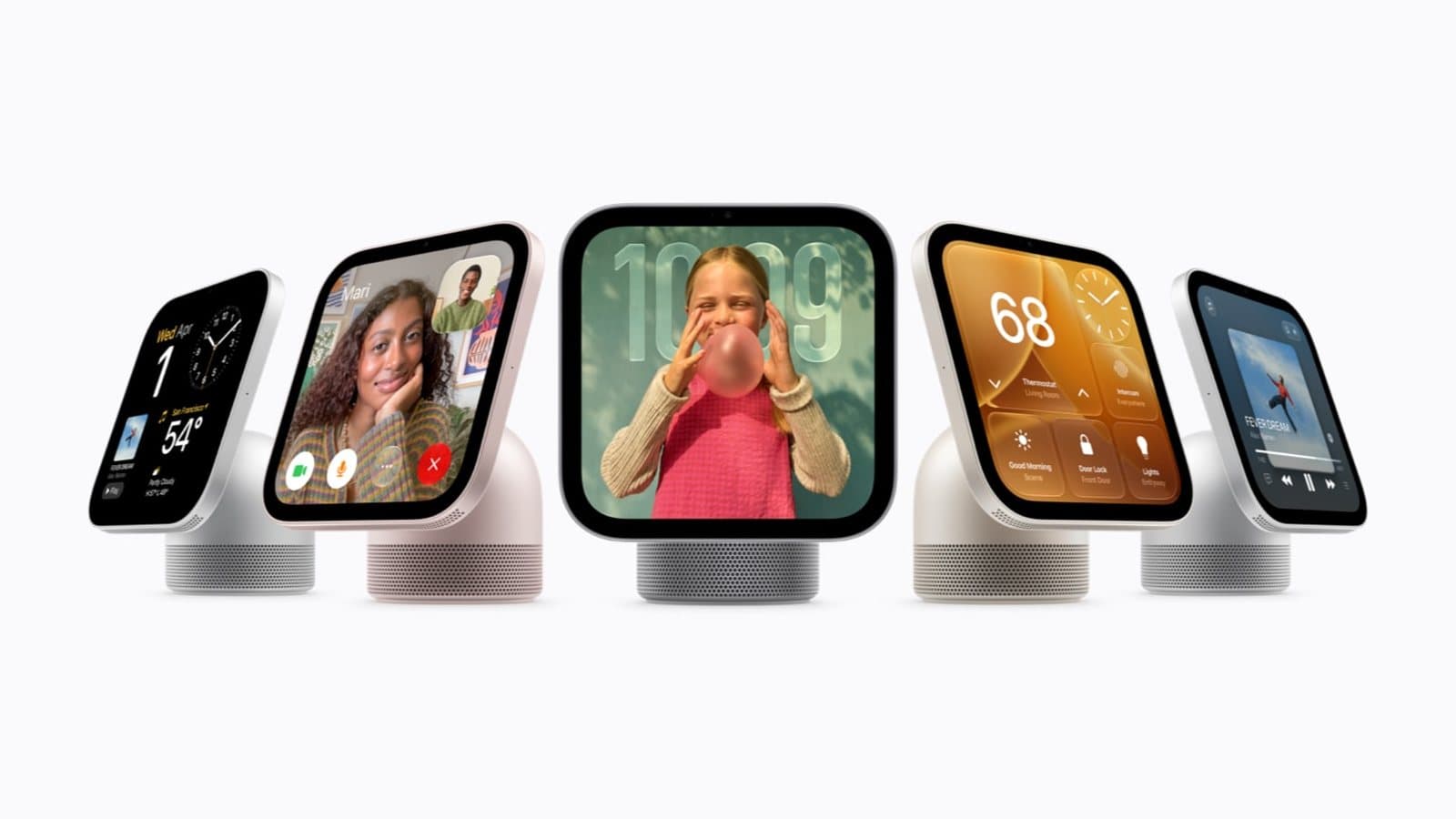
HomeView is a 7-inch square Liquid Retina touchscreen on a domed speaker base, with a wall-mounted version also on offer. It costs $299 and comes in silver, starlight, rose pink and space gray, with the wall version in space gray and silver only. Preorders opened October 13, and availability begins Friday, November 13, 2026. (The Verge)
The display recognises up to six people by face and gives each person their own Home Screen. It works as a Matter controller and a Thread Border Router, the two roles a hub needs to talk to lights, locks and sensors. It runs Siri AI, the rebuilt assistant Apple has been rolling out across its platforms, and with a paired Apple Intelligence iPhone or iPad it can draw on personal context from Messages and Calendar. Apple says that context is handled privately.
Privacy is part of the hardware story. HomeView uses an A18 chip with Secure Exclaves, which Apple describes as isolated runtimes that process camera and microphone data. Siri requests run on the device where possible, and otherwise through Private Cloud Compute, which Apple says does not store the data or make it accessible to the company.
Six-person recognition is the detail that separates HomeView from a speaker with a screen. Apple is pitching a device several people pick up, so the software has to switch profiles without being told whose turn it is. The same assumption runs through the Apple TV's far-field microphones and the HomePod's sound-glow: Apple is selling shared home hardware that still behaves like a personal device.
Country coverage is where the launch narrows. HomeView goes on sale in eight countries: the United States, the United Kingdom, Canada, Australia, New Zealand, Singapore, South Africa and India. It is not sold in the European Union. Apple links that to Siri AI being unavailable in iOS in the EU, and says it is working with the EU on the issue. Singapore's preorders do not open until October 15. (CNET)
HomeView's wall mount costs extra
A wall-mounted HomeView does not include its mount. Schneider Home sells a Power Mount USB-C at $59.95 and a Power Mount AC Wired at $79.95, both from October 13, 2026, with a Power Mount PoE Wired at $129.95 due in early 2027.
"Apple HomeView is designed to be shared by everyone in the home yet feel completely personal to each user, and it's powered by Apple Intelligence with Siri AI at its core, drawing on personal context from your iPhone, all while keeping everyone's information private and secure." — Greg Joswiak, Apple senior vice president of Worldwide Marketing
HomePod mini 2 ships without the feature it was rebuilt for
HomePod mini 2 costs $149, which is $20 more than the $129 first-generation model Apple has now discontinued. It carries an S10 chip, new colours (pink, green and a new blue, plus white and black), and a "sound-glow" LED feature that mirrors the album art playing. It can serve as a Mac's default speaker, and up to four units can pair with the new Apple TV 4K for a home-theatre setup. (Apple Newsroom)
The feature to watch is the one that is missing. Siri AI support is not available on HomePod mini 2 at launch and will arrive in a future software update, Apple says, without naming a date. Preorders opened October 13 and the speaker ships October 30, 2026, so the first buyers get the hardware before the assistant that headlines the product.
Don't buy the HomePod mini 2 for the new Siri yet
Siri AI does not run on HomePod mini 2 at launch. Apple says it will come in a later software update. If the rebuilt assistant is your reason to upgrade, it is not in the box on day one.
Apple TV 4K doubles in price and adds hands-free Siri
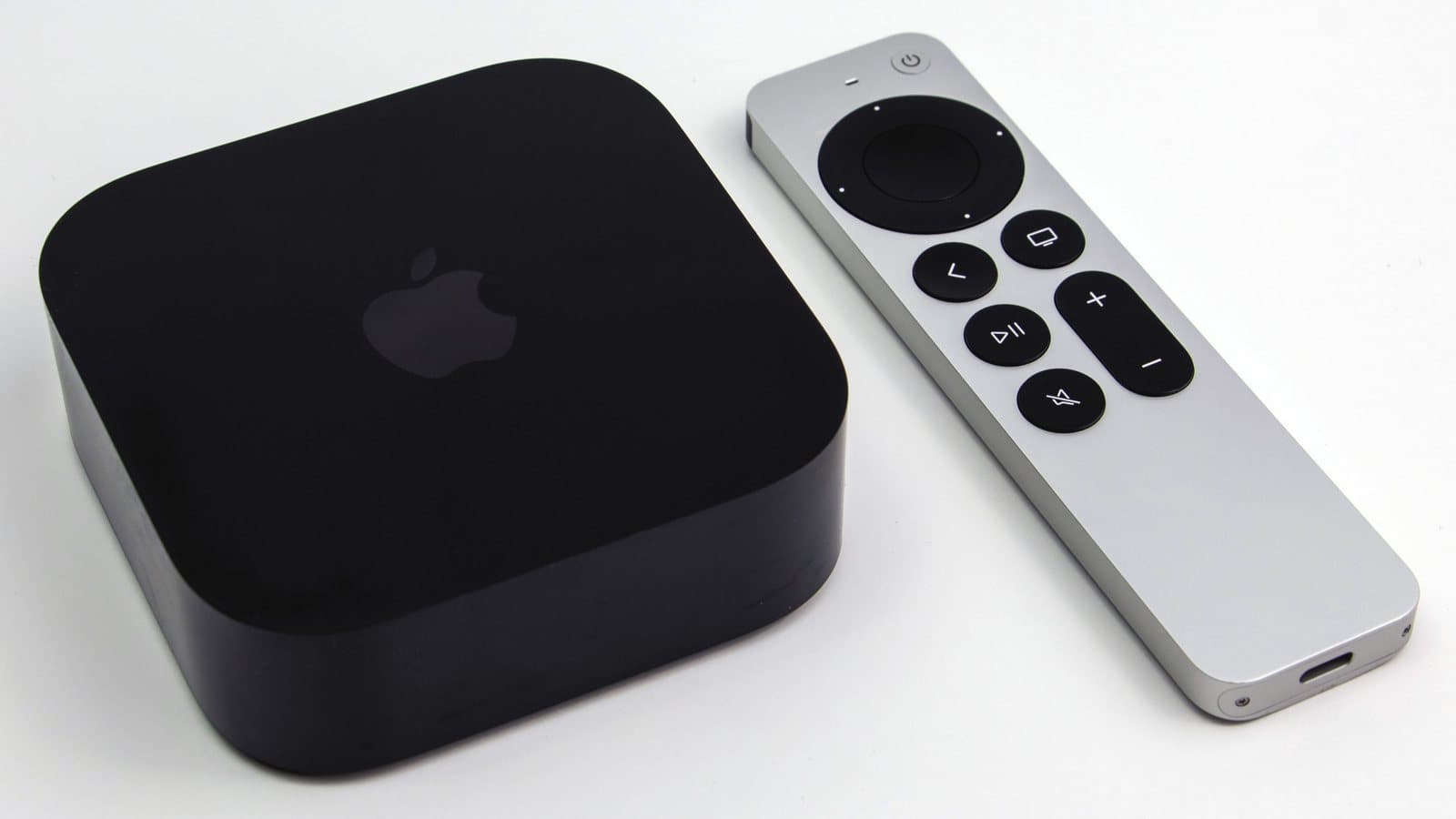
The fourth-generation Apple TV 4K costs $299, roughly twice the launch price of the 2022 model. Apple has packed in an A19 chip, an AV1 decoder, Wi-Fi 7, Bluetooth 6, 128 GB of storage, Ethernet, and Thread and Matter support. Far-field microphones let you talk to Siri without picking up the remote, and Find My is built into the remote for the first time. It is the first Apple TV to support Siri AI. Preorders opened October 13, with availability on November 13, 2026. (Apple Newsroom)
Apple Home Collection: six devices, made with LG and Schneider
Apple's first own-brand smart home accessories are the Apple Home Collection, co-developed with LG Electronics and Schneider Electric. The line has six devices: a video doorbell, security cameras, a smart door lock and two thermostats, starting at $199. The LG-built smart lock costs $349 and supports Apple Home Key and UWB unlocking. Sales begin in December 2026, with some accessories following in early 2027. (Apple Newsroom)
Why Apple moved into the smart home now
Apple's home hardware has been the thin end of its product line for years. Amazon's Echo and Google's Nest devices hold the mass market at the low end, and Apple's HomePod stayed a niche speaker for people already inside its ecosystem. HomeView is Apple's first dedicated home display, and the most direct answer the company has given to those two rivals.
Apple is arriving late to a category its competitors defined. Echo Show and Nest Hub screens have been on kitchen counters for years, and both platforms already work with a wide range of third-party devices. Apple's pitch is trust and integration. That is a harder sell on a shared surface, where the cheapest rival screen can run a timer and show a recipe just as well.
The timing matters as much as the products. Apple has spent 2026 rebuilding Siri and shipping Apple Intelligence across its devices, and HomeView is the first product designed around the assumption that the assistant is good enough to sit in a shared room. If Siri AI stumbles, the display inherits the problem in a place a phone never had it: a hallway where guests can hear it fail.
The pricing tells part of the story. At $299, HomeView sits above the cheapest Echo Show and Nest Hub models and leans on the same things Apple charges a premium for elsewhere: privacy claims, tight integration with the iPhone, and an assistant that knows its owner. A screen in a shared kitchen or hallway is a different test from a phone in a pocket, since it is stationary, shared, and expected to answer without being unlocked. Whether that justifies the price against a cheap rival on the counter is the commercial question Apple has not yet answered.
Two of the three devices cost more than the models they replace. HomePod mini 2 is up from $129 to $149, and the new Apple TV 4K is roughly twice the 2022 model's launch price. Apple is not treating the home as a cheap way into its ecosystem; it is asking existing owners to pay more, and in the HomePod's case to pay more for hardware that launches without its headline feature.
The EU omission is the sharper edge. Apple's largest market outside the United States is being left out at launch, and the cause is a software gap: Siri AI is not available in iOS in the EU. That is a hard limit for a device whose main pitch is the rebuilt assistant. Apple says it is working with the EU, and has given no date for a European launch, so anyone in the EU waiting for HomeView has no timeline to plan around.
There is also a services angle. A home display is a surface for FaceTime, Apple Music, Apple TV and the Home app, and it gives Siri AI a fixed place in the house instead of a phone that comes and goes. Apple's year has gone largely into rebuilding the assistant, and this hardware is where it is meant to live next.
Caveats and what is still loose
The details above come from Apple's October 13, 2026 announcement and the coverage around it. Prices, ship dates and colour line-ups are as stated, and some regional availability varies. The Home Collection is confirmed only as far as a December 2026 start, with parts of the line slipping to early 2027, so treat the full accessory list and its dates as announced, not settled.
The HomePod mini 2 update is a plan, not a shipped feature. Apple promised Siri AI for the speaker without saying when, so keep that promise separate from the features buyers can use on October 30. The preview we ran on October 8 also asked what software layer HomeView runs; Apple's announcement describes Siri AI, the Home app and its media apps but does not spell out a new home operating system, so that question stays open.
What to watch
October 30, 2026 is the first date that matters: HomePod mini 2 reaches customers without Siri AI. November 13 is the second, when HomeView and the new Apple TV 4K arrive, and it is the first real test of whether a $299 display sells against cheaper Echo and Nest hardware.
After that, two software questions decide how the launch ages. The first is whether Apple ships Siri AI to the HomePod mini 2 in a software update, and how soon. The second is whether HomeView reaches the European Union, and on what terms. Apple has given no date for either, and this article will not invent one.
Cover image: official Apple HomeView product image, courtesy of Apple (company-distributed press asset).
Tags
Frequently asked questions
- How much does Apple HomeView cost?
- HomeView costs $299. Preorders opened on October 13, 2026, and availability begins Friday, November 13, 2026. Wall mounts are sold separately through Schneider Home, starting at $59.95.
- When does the HomePod mini 2 get Siri AI?
- Not at launch. HomePod mini 2 ships on October 30, 2026 without Siri AI support. Apple says the feature will arrive in a future software update, and has not given a date.
- Why is HomeView not sold in the European Union?
- Apple says Siri AI is not available in iOS in the EU, so it is not launching HomeView there. Apple says it is working with the EU, and has not given a timeline.
- Does the new Apple TV 4K support Siri AI?
- Yes. The fourth-generation Apple TV 4K, priced at $299, is the first Apple TV with Siri AI support, alongside an A19 chip, Wi-Fi 7, far-field microphones and 128 GB of storage.

TPW Editorial
Editorial Team
TechPastWeek's editorial team reports and edits every story we publish. We research each piece against primary and credible secondary sources, and a human editor reviews and signs off before it goes live.