Apple's New iPad Mini Starts at $699, $200 Above the Model It Replaces
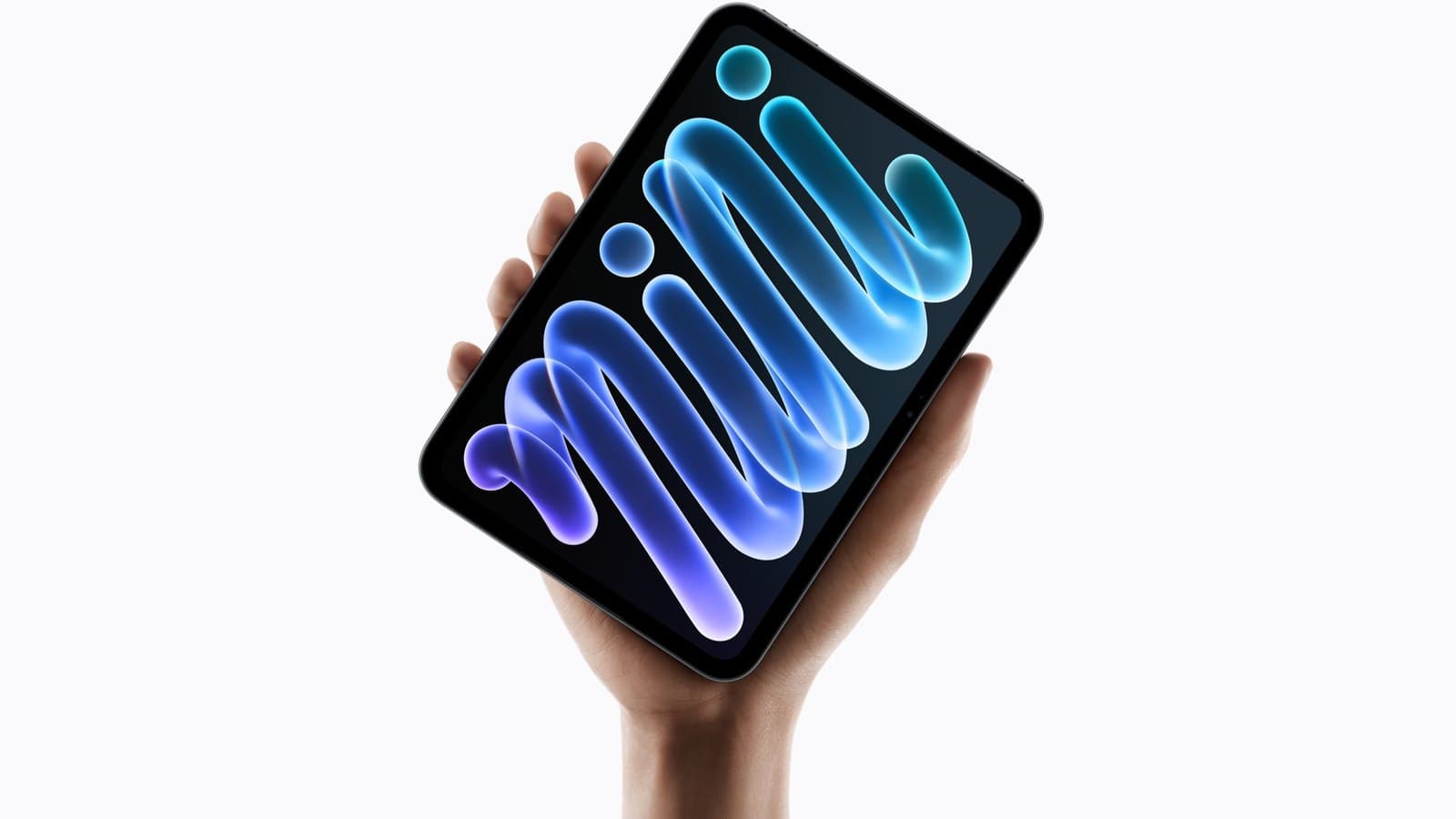
Apple announced a new OLED iPad mini on October 26, 2026, with a 2-nanometer A20 Pro chip and a $699 starting price, $200 above the $499 model it replaces.

On this page
Key takeaways
- Apple announced the new iPad mini on October 26, 2026, with an 8.5-inch OLED display and the 2-nanometer A20 Pro chip; pre-orders open October 28 and it goes on sale November 6 in 36 countries and regions.
- The Wi-Fi model starts at $699, $200 more than the $499 starting price of the A17 Pro iPad mini Apple launched in October 2024, for the same 128GB of base storage.
- Apple claims the A20 Pro is up to 4.5x faster for AI, 2.7x faster for graphics and up to 60% faster in multithreaded CPU work than the previous iPad mini; the figures are company claims, not independent benchmarks.
- Only the 512GB configuration gets a dual 16-core Neural Engine, 32 cores in total; the Wi-Fi + Cellular model costs $849 and education pricing starts at $649.
- The tablet is 5.4 mm thick, carries an IP67 water and dust rating, and supports Apple Pencil Pro at $129 and the new TechWoven Smart Folio at $79.
Apple announced a new iPad mini on Monday, October 26, 2026, giving its smallest tablet an 8.5-inch OLED display, a 2-nanometer A20 Pro chip and a starting price of $699. Pre-orders open on Wednesday, October 28, and the device goes on sale on Friday, November 6 in 36 countries and regions, Apple said. The model it replaces, the A17 Pro mini from October 2024, started at $499 with 128GB of storage, according to Macworld's launch coverage; Apple's specifications for that model list the same base capacity. That is $200 more, about 40%, and Apple has not said why.
Related reading: Apple Puts Touch on the Mac at $2,899, Reversing a Long Resistance · iPhone Duo Pre-Orders Slip to January 2027 as Apple Warns Against Walk-Ins.
Apple calls the device "the biggest update ever" for the product. That is a marketing phrase, not a measured claim, though the hardware list behind it is longer than the phrase needs. The screen changes technology, the chip changes process node, the body gains a water-resistance rating the mini has never carried, and the speakers use the display as part of the enclosure. TechCrunch and The Verge both led their coverage on the OLED panel, the standing complaint about the mini's display.
A $200 increase Apple has not explained
The press release lists the new price without comment. The visible additions are the OLED panel, the 2-nanometer A20 Pro and IP67 water and dust resistance, each of which costs money the 2024 model did not spend. Whether those three are worth $200 depends on what a buyer does with a small tablet, and Apple has not published a comparison that makes the case either way.
The rest of the price list fits a premium position. The Wi-Fi + Cellular model is $849, education pricing starts at $649, and Apple sells the Wi-Fi model at $58.25 a month over 12 months or through an upgrade lease from $14.99 a month over 36 months, according to MacObserver's pre-order roundup. Storage runs to 512GB. At $699 it has left the price band it occupied two years ago.
There is a defensible reading of the increase: the mini has become a small premium tablet instead of the affordable one it was. Apple has not said that, and it has not kept a cheaper configuration alive to hold the old starting price. Buyers who want the size without the premium have the previous model while stock lasts.
What the OLED panel changes
The display is 8.5 inches, up from 8.3, inside the same footprint, with bezels 24% thinner. Apple rates peak brightness at 1,200 nits, more than twice the previous generation's peak, with 600 nits full-screen for SDR and HDR content, a 2,000,000:1 contrast ratio and a minimum of 1 nit for dark rooms. The panel covers the P3 colour range, and a paid nano-texture glass option, previously an iPad Pro feature, cuts glare.
Those figures describe different things. Peak brightness is about HDR highlights and outdoor use; the 600-nit full-screen number describes ordinary viewing, and it will decide whether the mini is comfortable on a train in daylight. The contrast ratio follows from OLED's ability to switch individual pixels off, which is also why the 1-nit floor appears: at that level the screen is meant to be legible in a dark room without lighting it. Whether the panel holds brightness across a large white page is a question for reviews.
The A20 Pro and the 512GB exception
Apple says the A20 Pro is built on a 2-nanometer process with a package inspired by its M-series chips. It has a 6-core CPU and a 7-core GPU with Neural Accelerators in each core, plus hardware-accelerated ray tracing and mesh shading.
Apple's speed figures are company claims
The 4.5x AI, 2.7x graphics and 60% multithreaded CPU figures compare the A20 Pro against the A17 Pro in the previous mini. They come from Apple's own testing, not from independent benchmarks, and the workloads behind them are not described in the release. Read them as the direction of travel, not a measured result.
Storage changes the chip's configuration. Only the 512GB model gets a dual 16-core Neural Engine, 32 cores in total, which Apple says doubles neural processing against the previous generation and comes with more than twice the memory bandwidth. The other tiers do not get that arrangement, so the top storage level buys compute as well as space. That is unusual in a line where storage normally changes capacity alone.
The practical difference will show up in apps that run models on the device: transcription, image editing, translation and the Apple Intelligence features iPadOS 27 exposes. Apple has not published per-tier performance figures, so the difference between a 128GB mini and a 512GB one is unquantified, and for reading and note-taking it is unlikely to show.
iPadOS 27 and the Siri gap in Europe
The tablet ships with iPadOS 27, Apple Intelligence and Siri AI in beta, available in English, French, Japanese, Korean, Portuguese and Spanish. Apple's own footnote says Siri AI is not available in the EU in iPadOS 27. No date is given for the EU release.
That footnote is the clearest software limitation in the launch, and it lands hardest on the price argument. A buyer in the eurozone pays the same premium for a device whose headline software feature is missing at launch, and Apple's documentation gives no date for the region. The company has not explained the cause, and the release does not tie the exclusion to any regulatory requirement.
A smaller software addition arrives in iPadOS 27.2, which adds extended display mode with an external monitor. A tablet that can drive a monitor is easier to defend at $699 than one that cannot, particularly for buyers who want one device for travel and a desk.
A thinner body, IP67 and the Acoustic Display
The case is 5.4 mm thick, thinner and lighter than the previous generation, in midnight and starlight. It carries an IP67 rating, tested to 1 metre for up to 30 minutes, and Apple notes that resistance is not permanent and that liquid damage is not covered by the warranty. That clause matters: a rating that degrades with wear and excludes repair costs is a promise with an expiry date nobody can see.
The audio system is unusual. Apple calls it Acoustic Display: woofers paired through the display for more bass, tweeters hidden between the glass and the aluminium, and a sealed enclosure that also helps the IP67 rating. The claim is that the screen becomes part of the speaker housing rather than a lid over it. Whether that produces better sound than the previous mini is something the first reviews will measure.
Around the edges, the front camera is now a 12MP Center Stage unit on the landscape edge, which suits a tablet propped in a keyboard case. The rear camera is 12MP with Smart HDR 4, 4K video at up to 60 fps and an Adaptive True Tone flash. The N1 wireless chip brings Wi-Fi 7, Bluetooth 6 and Thread, and the C2 modem on cellular models is rated for up to 50% faster cellular data than the previous mini, with eSIM support. Accessories include Apple Pencil Pro at $129, Apple Pencil (USB-C) at $79 and the TechWoven Smart Folio at $79 in navy blue and taupe.
Two days before the Pro and Tell event
Apple opens pre-orders on October 28, the same day as its "Pro and Tell" media event in Los Angeles, where a touchscreen OLED MacBook Pro is widely expected. Greg Joswiak teased an "exciting week" on X. A $699 tablet going on sale in the same week as a much more expensive laptop is a pricing signal, whether or not Apple presents it as one.
The sequencing also splits attention. Pre-orders open on the same day as the event, which is an odd window for a product Apple describes as its biggest mini update. Either the company expects the mini to sell without a stage, or it wants the week read as a single move upmarket.
The hardware leap is real. The price leap is the question, and Apple has left buyers to answer it.
Who the new mini is for
The case is weakest for owners of the A17 Pro model. The footprint is the same, the base storage is the same and the price is $200 higher, so the upgrade buys a better screen and a faster chip, and nothing that changes what the device is for. Anyone who bought in 2024 has a reason to wait for reviews.
The case is stronger for buyers coming from an older mini, or from no tablet at all: they get the OLED panel and the IP67 rating, the two changes that alter daily use, not benchmark scores. Education buyers get the same screen and chip for $649, the only price below $700.
The buyers Apple is courting are the ones who want a small tablet and will pay for the size. At $699 that preference has to carry a premium, and the premium is easier to accept if the screen and the chip are the reason the device gets picked up every day. If they are not, the previous model is still the better buy.
Caveats
- The performance multipliers are Apple's claims. The 4.5x AI, 2.7x graphics and 60% multithreaded CPU figures are measured against the previous iPad mini, with no independent benchmarks at announcement.
- The price increase is unexplained. The OLED panel, 2-nanometer chip and IP67 rating are the obvious additions, and the value case depends on how much a buyer wants them.
- Siri AI is a beta with a regional hole. Apple's footnote excludes the EU in iPadOS 27, and no date is given for that market.
- IP67 is a laboratory rating. Apple says resistance decreases with wear, and liquid damage is not covered by warranty.
- Nothing has shipped yet. Pre-orders open October 28 and devices go on sale November 6. "Biggest update ever" is Apple's phrase, not a measured claim.
What to watch
- October 28: the "Pro and Tell" event, and whether an OLED touchscreen MacBook Pro arrives with pricing that makes the mini's increase look modest.
- November 6: the first independent reviews, particularly sustained brightness on the OLED panel and whether the A20 Pro's per-tier difference is measurable.
- The EU question: a date for Siri AI in iPadOS 27, or a statement on why the region is excluded.
- Retail pricing: how long the $499 A17 Pro model stays on sale, and whether carriers discount the $849 cellular version.
Apple has made the small tablet a premium product and priced it like one. The reviews after November 6 will say whether the screen is worth the difference; the holiday quarter will say whether buyers agreed.
Cover image: Apple Newsroom product image of the new iPad mini, courtesy of Apple.
Tags
Frequently asked questions
- When can I pre-order the new iPad mini?
- Pre-orders open on Wednesday, October 28, 2026. The tablet goes on sale on Friday, November 6, 2026, in 36 countries and regions.
- How much does the OLED iPad mini cost?
- The Wi-Fi model starts at $699, or $58.25 a month for 12 months. The Wi-Fi + Cellular model is $849, education pricing starts at $649, and storage options are 128GB, 256GB and 512GB.
- Is Siri AI available on the new iPad mini?
- The tablet ships with iPadOS 27 and Siri AI in beta, in English, French, Japanese, Korean, Portuguese and Spanish. Apple's footnote says Siri AI is not available in the EU in iPadOS 27, and the company has not given an EU date.
- What is new compared with the previous iPad mini?
- The new model has an 8.5-inch OLED display, a 2-nanometer A20 Pro chip, a 5.4 mm body, IP67 water and dust resistance, a landscape Center Stage camera, the N1 wireless chip and, on cellular models, the C2 modem. It also starts at $699 rather than $499.

TPW Editorial
Editorial Team
TechPastWeek's editorial team reports and edits every story we publish. We research each piece against primary and credible secondary sources, and a human editor reviews and signs off before it goes live.