Apple Watch Series 12 Reads Your Heart Every Five Seconds
The Series 12 and Ultra 4 add a Health Sensing System that samples heart rate every five seconds and HRV every five minutes, plus a Readiness score built on it.

On this page
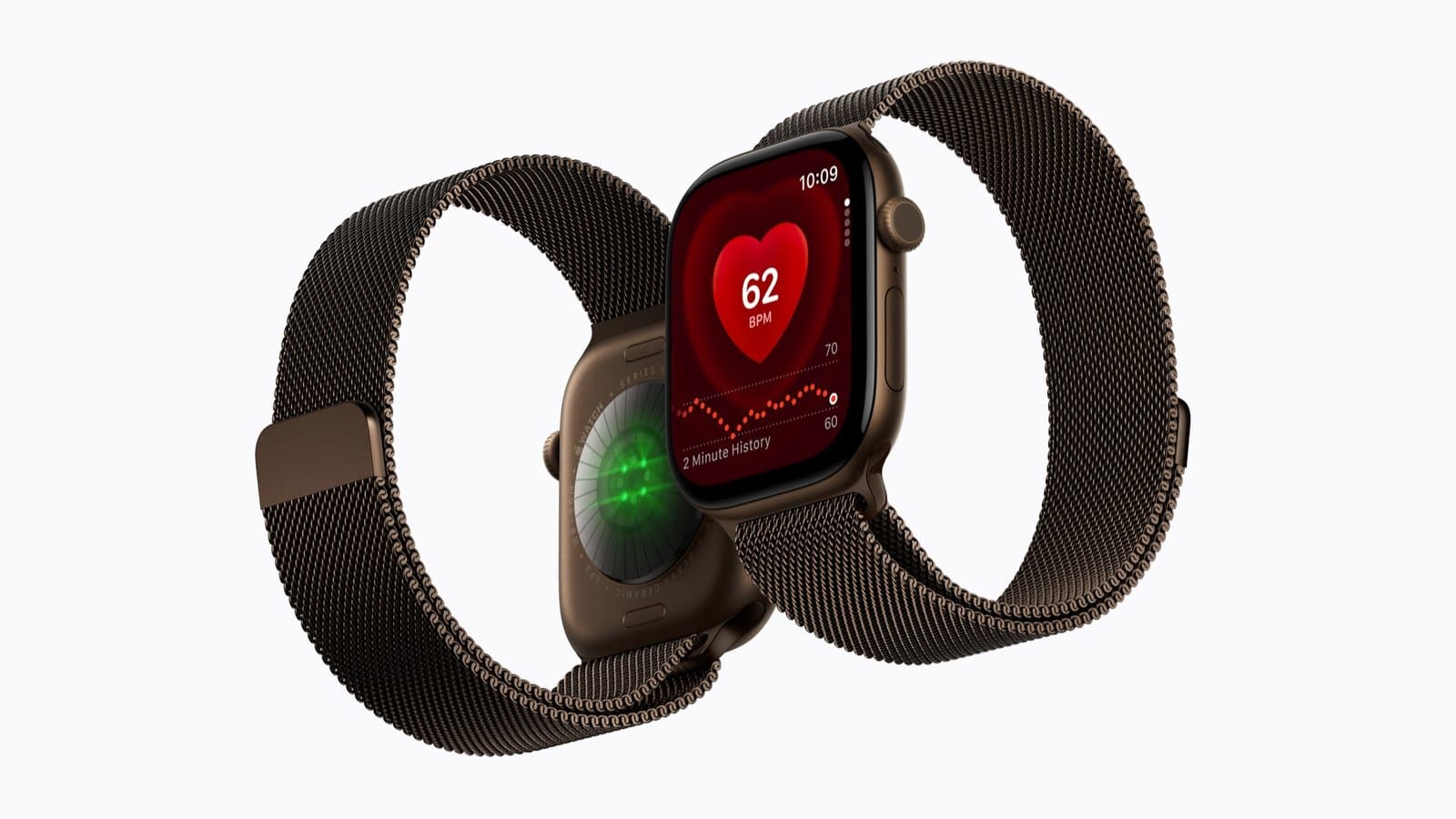
Apple's September 9 Apple Watch launch was framed around health, and its most consequential change is not an app or a watch face. It is a sampling rate. Apple Watch Series 12 and Apple Watch Ultra 4 now take a heart rate reading every five seconds, all day, and a heart rate variability (HRV) reading as often as every five minutes.
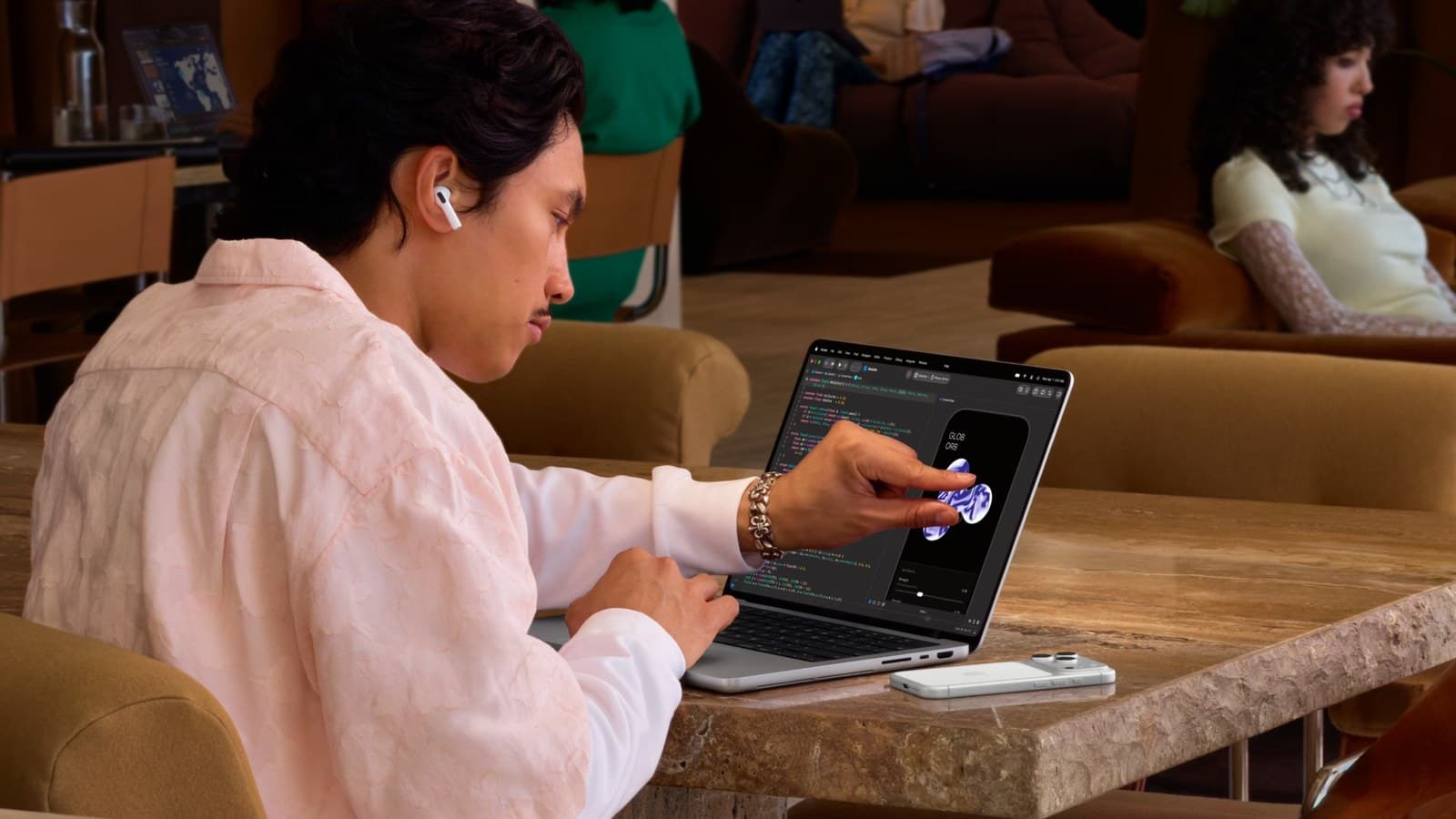
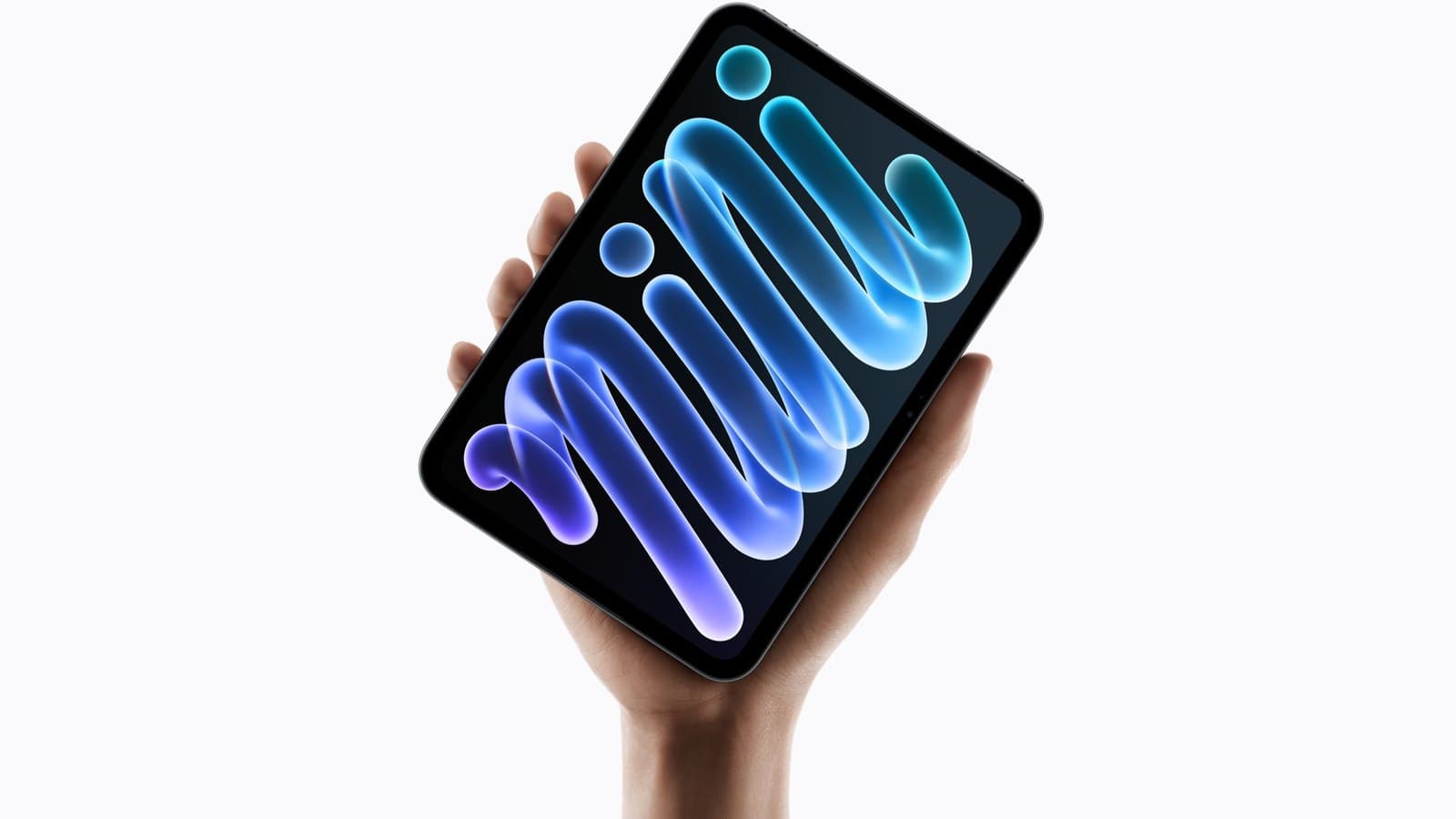
Related reading: Apple Puts Touch on the Mac at $2,899, Reversing a Long Resistance · Apple's New iPad Mini Starts at $699, $200 Above the Model It Replaces.
Apple calls the HRV cadence "24x more frequently" than before and the heart rate change "60x more frequent background heart rate readings" than Series 11. The absolute intervals are specific; the multipliers are relative, and Apple has not published the last-generation numbers they are measured against. That is the core of the launch: the frequency jump is documented, while the comparisons built on it are not independently verifiable.
Both figures ride on the new Health Sensing System, new optical and electrical heart sensors, a third-generation electrical heart sensor, an always-on optical heart sensor, and larger, more power-efficient green LEDs. It is the same system on both watches; on the Ultra 4, Apple measures the same multiples against Ultra 3 rather than Series 11.
A sensing system, not only a sensor swap
Per Apple's launch materials, the Health Sensing System includes:
- New optical and electrical heart sensors, including a third-generation electrical heart sensor and an always-on optical heart sensor.
- Larger, more power-efficient green LEDs, paired with an S11 chip Apple calls its most powerful wearable chip.
- A sensor list that still includes a Blood Oxygen and a temperature sensor, but no blood pressure or blood glucose sensor.
The system pairs with a new readiness score and an expanded Vitals overview that now incorporates HRV; the Heart Rate app is updated and gains watch-face complications. What it does not add, per Apple's specification pages, is a direct blood pressure or blood glucose reading. Apple lists hypertension notifications and the ECG app separately from a blood-pressure measurement and presents them as alerts rather than a diagnosis, with no sensitivity or accuracy figures published. Apple is also explicit that Vitals is "for wellness purposes only and not for medical use," and that it claimed no regulatory clearance for the features it announced on September 9.
What a five-second pulse enables
The practical meaning of "every five seconds" is density. MacObserver's explainer notes Apple has not published previous models' sampling rate, so the exact heart-rate change is unclear, even though the HRV increase is spelled out at 24 times. What Apple says is that the new cadence is continuous and passive rather than workout-only.
In raw terms, a five-second interval implies up to 17,280 heart-rate checks across a 24-hour day if it held constantly, arithmetic on the interval Apple states, not a total the company publishes. The payoff Apple describes is twofold: Exercise and Move rings draw on sampling during ordinary movement, and users can check a real-time heart rate at a glance from the Heart Rate app or a complication.
HRV is now measured as often as every five minutes, which gives the software more chances to separate a real shift from a momentary one. Apple splits it into two variants: Recovery HRV, for daily signals of stress and recovery, and overall HRV, for broader health insights including cardiovascular health. Overnight vitals now includes Recovery HRV against the wearer's personal baseline, and a new daytime view lets users toggle between overnight and daytime metrics.
The 60x claim you cannot check
The two multipliers are printed on the product pages, not in the press release body: "60x more frequent background heart rate readings than Series 11" and "24x more frequent HRV readings than Series 11."
The problem is the denominator. Series 11's background rate appears nowhere in the September 9 materials. No measurement window accompanies either multiple, and Apple does not define "background" reading. Both figures can be quoted as Apple's claims but checked against nothing the company published; the Ultra 4's versions swap in Ultra 3 as the baseline. Apple also does not explain how the all-day five-second rate relates to the count the 60x multiple describes, has not tied either multiple to its accuracy study's conditions, and has not extended the claims to the Apple Watch SE 3.
What the accuracy study does (and does not) establish
The headline claim is larger than the sampling rate: Apple says Series 12 delivers "the most accurate heart rate sensing in a wearable," supported by a study of more than 1,000 participants run in July and August 2026 against "leading wearables."
AppleInsider reported that Apple later published results adding detail the launch did not: 1,460 people wore a Polar H10 ECG chest strap as reference, an Apple Watch on one wrist and one of six competitors on the other, the Garmin Forerunner 970, Google Pixel Watch 4, Huawei Watch 5, Oura Ring 5, Samsung Galaxy Watch 8, and WHOOP 5. Competitor sampling complicates the frequency story:
- Garmin's Forerunner 970 measured heart rate far more often during workouts, every 0.25 to 0.5 seconds.
- Huawei Watch 5, Samsung Galaxy Watch 8, and WHOOP 5 measured every two seconds.
- Oura Ring 5 and Google Pixel Watch 4 measured every five seconds, matching Apple.
- Away from exercise, the Galaxy Watch 8 checks about once a minute and the Oura Ring roughly every 300 seconds.
On accuracy, Apple's study says the watch showed a "statistically significant higher level of accuracy" in overall workout and overall daily living, and better accuracy for session-level average heart rate in most of 12 categories. AppleInsider notes the watch was not strictly beaten there, though Apple says its margin over the Huawei Watch 5 in one workout test was not statistically significant. In eight tests over cycling and strength training, Apple reports better accuracy for the majority of devices in most activities but calls the conclusions indeterminate. And in a daily-living protocol, the Pixel Watch 4 showed higher accuracy in a rest condition, a margin Apple characterizes as under 0.5 beats per minute.
Methodology gaps remain. Apple has not named who ran the study, where, or in what journal; has not published the full protocol, subgroup results by skin tone, heart rhythm, or age, or any absolute accuracy figure or error range; and has claimed no regulatory clearance for the sensing or readiness feature.
Apple's "60x" and "24x" figures are comparisons, not measurements. The absolute rates Apple publishes are a heart rate reading every five seconds and an HRV reading as often as every five minutes. Because Apple has not published the Series 11 or Ultra 3 baselines, a measurement window, or a definition of "background" reading, the multiples are reportable as Apple's claims but cannot be independently verified.
Readiness, vitals, and the Health app
Readiness analyzes recent activity, training load, vitals, and sleep score to produce a 0–10 score with one of four recommendations: Recover, Pace Yourself, Ready, or Go For It. Apple says it updates through the day as new data arrives and that it highlights which factors drive it; the algorithm was developed using data from the Apple Heart and Movement Study with exercise scientists and physicians at Apple.
A redesigned Health app arrives later this year, starting in U.S. English, with a Longevity tab that includes Health Age, which uses Apple Watch data to show how metrics track relative to chronological age and can factor in VO2 max, resting heart rate, sleep, and HRV. The redesign also adds an Insights tab, at-home movement evaluations, and Labs: more than 50 biomarkers for $119 through the Health app at approximately 2,000 Quest Diagnostics locations in the U.S.
Battery, availability, and watchOS 27
Apple's battery ratings are unchanged from Series 11 despite the denser sampling. Per MacObserver, Series 12 is still rated at up to 24 hours of normal use and up to 38 hours in Low Power Mode, with fast charging to 80 percent in about 30 minutes.
- Series 12 starts at $399 and reaches stores Friday, September 18, alongside the iPhone 18 Pro; pre-orders opened September 9.
- Ultra 4 reaches stores the same day with the same Health Sensing System and the same frequency claims against Ultra 3.
- watchOS 27 arrives as a free update Monday, September 14 for Apple Watch Series 9 or later, Apple Watch SE 3, and Apple Watch Ultra 2 or later, requiring an iPhone 11 or later with iOS 27. It brings Siri AI powered by Apple Intelligence, a new Siri app, and a Siri Modular face.
Apple has given no absolute sampling rate for blood oxygen or temperature, and has not published the test conditions behind the 24-hour figure, so it is not public whether the rating reflects the new five-second cadence.
The privacy questions Apple has not answered
The sensing change is paired with a data-handling story that, on the evidence, has not changed. MacObserver's review found Apple's public statements about Health data amount to two sentences: health and fitness data in the Health app, other than Medical ID, is encrypted when the device is locked, and users decide what goes into the app and who can see it.
Both predate the Series 12. Apple published no new product-specific privacy notice alongside the Health Sensing System or Labs, the $119 blood test. Per that review, it has published no retention period for heart rate, HRV, blood oxygen, temperature, or other Health data, and no statement covering Health data while the device is unlocked, the encryption language is tied to the locked state. Apple publishes more for Audio Intelligence, which uses the S11 chip's Secure Exclave, a hardware-isolated compartment Apple says processes audio and immediately deletes it. Apple Intelligence runs on device and via Private Cloud Compute, but Apple has not mapped which health or audio requests fall on which side.
These are open questions, not findings of a problem. The frequency jump does change the volume of data involved: more samples per hour means more health data to store, sync, and protect, which raises the stakes on questions Apple has not answered in writing.
What to watch
- Independent testing. Nobody outside Apple has had hands-on time; real-world battery and accuracy data should arrive after the September 18 ship date.
- Whether Apple publishes the baselines. The Series 11 and Ultra 3 background reading and HRV rates would turn 60x and 24x into checkable numbers.
- The study's methodology. A named institution, journal, protocol, and subgroup results would move the accuracy claim beyond a press-release assertion.
- Battery under load. A support document or independent test would clarify whether the unchanged 24-hour rating reflects the new sampling rate.
- A product-specific privacy notice. A statement on retention, data while unlocked, and Private Cloud Compute would close the clearest gap MacObserver identified.
- Regional availability. Apple has not named which regions are excluded from perimenopause and menopause notifications, or whether the SE line gets the new sensing.
Tags

TPW Editorial
Editorial Team
TechPastWeek's editorial team reports and edits every story we publish. We research each piece against primary and credible secondary sources, and a human editor reviews and signs off before it goes live.