Snap Opens SPECS Pre-Orders at $2,195 and Pitches an AI That Acts Before You Ask
Snap opened pre-orders for its SPECS AR glasses on September 16 at $2,195, pairing the standalone headset with an anticipatory assistant and a Verizon cellular bundle.

On this page
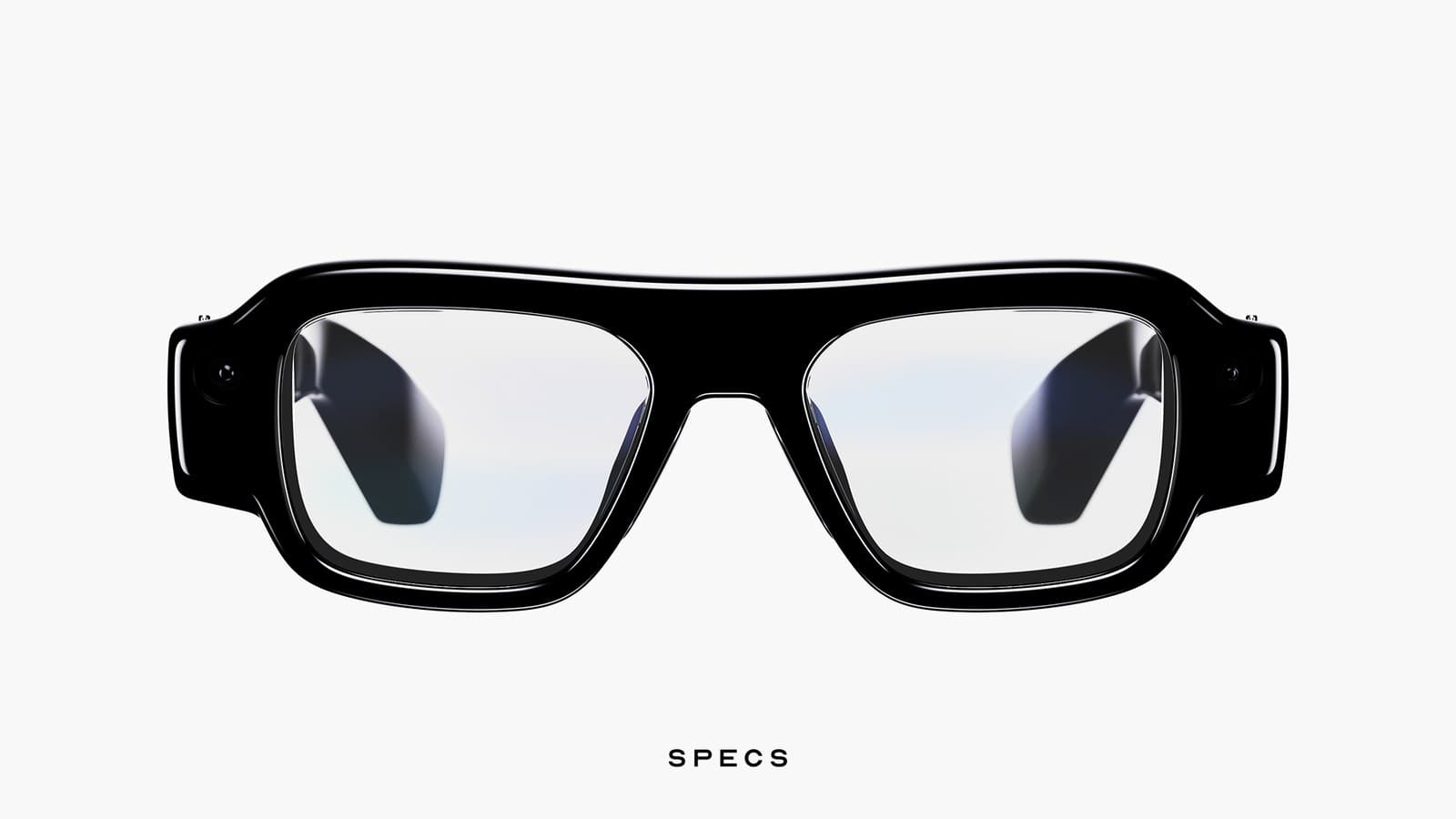
Snap put a price and a shipping window on its long-promised augmented reality glasses on September 16, 2026. The company opened pre-orders for SPECS at $2,195 with a $200 refundable deposit, said the glasses would begin shipping later this fall in the United States, the United Kingdom and France, and attached a software pitch that may matter more than the hardware: an assistant called SPECS Intelligence that is designed to act before a user asks.
Related reading: Apple Watch Series 12 Reads Your Heart Every Five Seconds · Samsung's Galaxy Z Fold8 Lineup Goes on Sale, and the Foldable Grows Up.
The launch matters because it is one of the first serious attempts by a large consumer technology company to sell a see-through computer to ordinary buyers rather than to developers. It also places Snap ahead of the companies usually expected to define the category. Google has said a display-equipped Android XR model is planned for 2027, reporting points to Meta shipping true AR glasses in late 2027, and Apple is not expected before 2028. Snap now has a priced product on the market ahead of all three, and the next two quarters will show whether anyone pays for it.
What Snap is selling
SPECS are standalone. There is no puck and no cable, which has been the standard compromise for high-end AR for years. The computing hardware sits inside the frames, input comes from hands and voice, and the software layer is what Snap calls SPECS OS, an AI-native operating system the company describes as context-aware.
The optical system is the headline specification. A see-through waveguide containing what Snap calls billions of nanostructures produces a 51-degree field of view, which the company compares to a 115-inch cinema screen placed about ten feet away. The display is claimed to render 16 million colors. Audio runs through custom stereo speakers and six high signal-to-noise MEMS microphones built into the temples, an open-ear arrangement that Snap says filters background noise on calls.
Weight has always been the category's limiting factor. SPECS frames are made from a Swiss TR90 polymer and come in two sizes: 132 grams with a 47 mm lens and 136 grams with a 52 mm lens. Tom's Guide describes the device as a mashup between Meta's Ray-Ban display glasses and a VR headset, with two Snapdragon processors inside. That comparison frames the price discussion. Meta's Ray-Ban Display went on sale at $799 in September 2025 and is a display-equipped pair of smart glasses rather than a full AR computer, so the two products are aimed at very different buyers.
One specification Snap did not publish in its launch materials is battery life per charge. The glasses pair with a phone over Bluetooth for calls, notifications and music, can connect wirelessly to a computer to extend a workstation, and support Bluetooth peripherals such as keyboards.
SPECS Intelligence: an assistant that does not wait for a prompt
The software is where Snap is trying to separate itself. SPECS Intelligence runs across three surfaces: iPhone, Mac and the glasses. The glasses are not required, which is unusual for a launch like this and gives the assistant a chance to reach users before the hardware ships.
Snap describes it as anticipatory. Rather than waiting for a prompt, it is designed to build an understanding of a person's goals, priorities, relationships and routines from the apps and tools that person chooses to connect, and then to surface information and actions when it judges they will be useful. Snap's examples are concrete: before a meeting, the service could highlight decisions to make and questions to ask; for a trip, it could assemble flight, hotel and dinner plans while flagging a work deadline that falls during the visit.
Two organizing features sit inside the product. Corners separate areas of life such as work and family, and Goals let users set and track longer-term objectives. On the glasses, that context moves into the field of view. A wearer can say "Hey SPECS" to pull up flight details, hotel information, reservations and reminders, or to request a daily briefing that includes a schedule overview and meeting preparation, according to Snap's announcement.
Approval is built in as a rule, at least on paper. Snap states that SPECS will not send a message, make a change or take an action until the user says yes. That places SPECS Intelligence in the same category as the personal agents now appearing across consumer platforms. Meta described a personal agent called Muse on September 8, 2026, which can buy things inside WhatsApp for US users, so the two companies are converging on a similar idea.
Access, though, is split in a way that matters. Anyone 18 or older in the United States can download the SPECS app for iOS and try a preview without an invitation. By connecting a Google account, those users get insights about where their time and attention go, drawn from Gmail and Google Calendar. Snap is explicit that this preview does not include the broader service's anticipatory suggestions or actions, which means the feature that gives the product its name is not in the version the public can use today. The fuller experience is reserved for Mac, where early access is invitation-only through the SPECS Mac app, with selected waitlist members receiving an email to sign in and connect their everyday apps. No timeline, pricing or subscription tier for broader availability was given.
Privacy, and the comparison Snap invited
Privacy occupies a dedicated page and a large share of the launch material. The claims are specific enough to test. SPECS do not use facial recognition to identify people, and the glasses do not continuously record or save audio, video or photos, Snap says. Cameras and sensors process the surroundings in real time to locate surfaces, objects and hands, and that processing does not create or save a photo or video. When a wearer does capture something, a prominent external LED in the center of the frames lights up or flashes, and the wearer hears a shutter sound.
Those claims arrive six days after a regulator published a detailed critique of a rival product's recording indicator. The Hamburg data protection commissioner's 53-page report, dated September 10, found that the LED on Ray-Ban Meta glasses is often too dim for bystanders to notice and does not illuminate at all on the second-generation model when a wearer is simply talking to the assistant. Snap describes its own LED as prominent and central, but no independent test of that claim was included in its materials, and the documents do not address how SPECS handle the household exemption under the GDPR, a question the Hamburg report treated as central for any camera worn in public. With shipping planned for France and the UK, that question will not stay abstract for long.
SPECS Intelligence carries separate commitments. Snap personnel cannot view or access the personal content used with the service, and personal content from connected accounts will not be used to train or fine-tune Snap's AI models or to serve personalized ads. That line is narrower than it first sounds. It covers personal content from connected accounts, and it does not, on the face of the documents, address advertising on SPECS more broadly or how signals generated on the glasses themselves are treated. For now, there is no advertising product for SPECS to describe.
Verizon, a cellular case and the enterprise pitch
Wi-Fi dependence has been a practical weakness for standalone glasses, and Snap's answer is a charging case with a cellular modem. Sold separately, the case provides four additional charges and connects through participating carriers. In the United States, Verizon is the partner, offering custom data plans, flexible financing, digital setup and demonstrations at select stores. The SPECS Connected Case bundle will cost $2,395, and Verizon will offer eligible customers financing that includes a 36-month payment plan. Connected wearable data plans start at $10 a month for Verizon customers and $20 a month for non-Verizon customers.
Snap did not say what the case costs on its own. The only implied figure is the $200 gap between the $2,395 bundle and the $2,195 glasses-only price, and the company did not confirm that the difference equals a standalone case price. Outside the United States, Orange will carry data plans in France and EE in the UK, with pricing still to come.
A separate enterprise announcement, also dated September 15, names five partners. Salesforce is bringing Agentforce to SPECS, so an employee could identify what they are looking at, open a case, surface information and update a workflow without switching to a separate screen. Amazon Web Services is connecting SPECS to Amazon Quick, its AI assistant for work, in a retail example where an associate asks where a product is located and how many are in stock and sees the answer in view. Nvidia will bring agents built on its XR AI stack to the glasses, and two of its partners are already exploring applications: Trifork's Tandem connects onsite technicians with remote experts and AI agents, while Hololight turns SPECS into a spatial workstation that streams tools, documents and 3D models to the glasses. Snap says it is working with device management vendors on mobile device management and security controls, but no vendor, enterprise pricing, volume commitment or pilot customer was disclosed, and the company calls the arrangements early partnerships.
The context Snap is fighting
The launch arrives after a difficult debut. When Snap first showed SPECS earlier this year, the reaction was harsh, with criticism of the design and the price and a sharp drop in the company's stock. This week's event was partly an attempt to give the product a clearer sense of purpose by tying it to software and services. Whether buyers follow at $2,195 is the open question. Spiegel said in August that mass-market adoption would come toward the end of the decade, citing weight and cost, and Snap's own finances still lean on phone advertising and a subscription business that passed 25 million subscribers in July.
The competitive clock is the other pressure. Snap has placed a priced product on the market ahead of Google, Meta and Apple, but each of those companies has deeper pockets and larger platforms to fold AR into. A first mover with a $2,195 device can validate a category or simply educate the market for a cheaper rival.
What the price includes
The $2,195 pre-order covers the glasses and a $200 refundable deposit. The $2,395 bundle adds the cellular charging case. Verizon data plans start at $10 a month, and the glasses ship in the US, UK and France later this fall.
What to watch
- The first independent hands-on reviews. Battery life, weight over a full day and the real-world quality of the 51-degree display are the numbers Snap did not publish, and they will decide whether SPECS feel like a computer or a demo.
- Whether the preview closes the gap. The public iOS preview lacks the anticipatory suggestions that define SPECS Intelligence. Watch how quickly Snap moves the Mac experience to general availability.
- The regulatory test in Europe. Shipping to France and the UK puts SPECS directly under the GDPR and under scrutiny of how its recording LED performs for bystanders.
- The developer pipeline. Snap refers to hundreds of developers building Lenses for SPECS, a much smaller figure than the Lens Studio base it has cited before. A thin app library would undercut the "new kind of computer" claim.
Snap's argument is that a computer you wear should make the people around you more important, not less, and that the way to prove it is to put one on sale. The price says this is a bet for early adopters. The software says Snap wants the assistant to be useful even without the glasses, which is either a hedge or an admission that the hardware is not ready to stand alone.
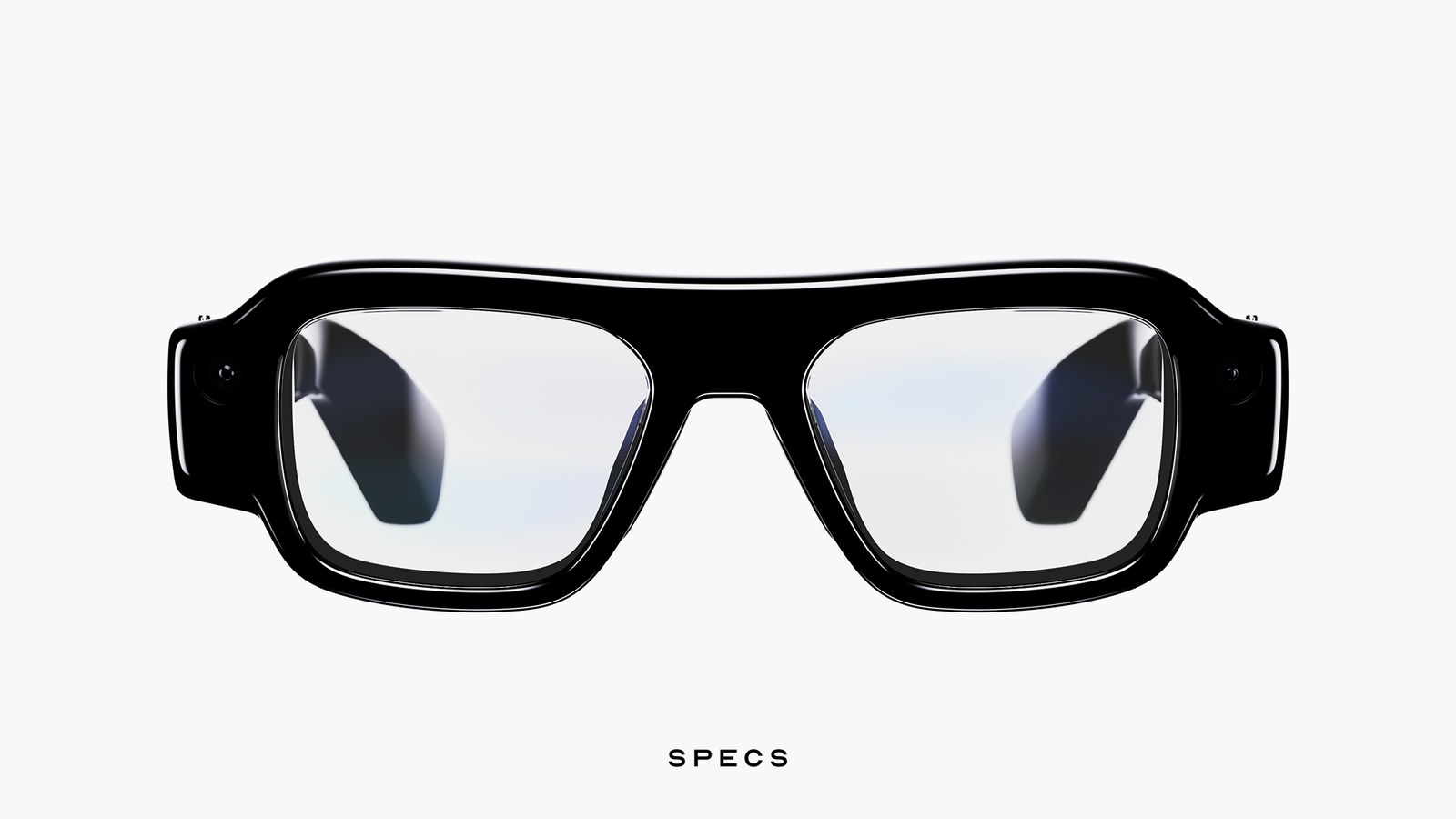
Cover: official Snap SPECS product image via newsroom.snap.com (company-distributed press asset).
Tags

TPW Editorial
Editorial Team
TechPastWeek's editorial team reports and edits every story we publish. We research each piece against primary and credible secondary sources, and a human editor reviews and signs off before it goes live.