Samsung Starts the Stable One UI 9 Rollout With the Galaxy S26
Samsung began the stable One UI 9 rollout on September 16, starting with the Galaxy S26 series and bringing Android 17 and new AI features to older devices.

On this page
Samsung began rolling out the stable version of One UI 9 on September 16, ending a beta program that ran for about five months and starting with the Galaxy S26, S26+ and S26 Ultra. The build is based on Android 17 and includes the September 2026 security patch, with more Galaxy phones and foldables due to follow in the coming weeks.
Related reading: Samsung's Galaxy Z Fold8 Lineup Goes on Sale, and the Foldable Grows Up · Apple Puts Touch on the Mac at $2,899, Reversing a Long Resistance.
The update itself is not new to Samsung's lineup. One UI 9 debuted on the Galaxy Z Fold8 Ultra, Fold8 and Flip8, which shipped with it. What September 16 marks is the point at which the software reaches the mainstream S-series flagship and, eventually, several generations of older devices.
Distribution is starting narrow. GSMArena reported that South Korea received the update first, as an over-the-air download of around 650 megabytes, and that former beta testers were the initial recipients. SamMobile put the beta-to-stable update at roughly 550 megabytes with firmware version S94xNKSU4BZ16 and said the rollout should widen within days. PhoneArena noted that even in Korea the first wave was limited to beta participants, which is standard for a staged release.
What One UI 9 changes
Samsung's own summary emphasises Galaxy AI that is "richer, more personal, and more helpful," along with a more consistent experience across form factors. The more concrete list from SamMobile includes Quick Panel customisation, improved DeX windowing and multi-monitor support, a new Tape feature in Samsung Notes, and additional Game Booster options.
Several features carry over from the foldables. My FanCam, which tracks and reframes a subject in video, requires a Samsung Account and does not work when there is no subject to follow. Now Brief and Now Nudge provide context-aware prompts, with Now Nudge able to surface suggestions inside third-party messaging apps including Samsung Messages, Google Messages and Google Chat. Interpreter handles on-device translation and may need a language pack downloaded. Scam Detection, which Samsung limits to Japan, Canada and India at launch, is the most geographically restricted of the additions.
Privacy alerts, which flag when apps access sensitive data, are supported on a long list of devices that includes the S26, S25 and S24 families, the Z Fold8 through Fold5 and Flip8 through Flip5, and the Tab S11, S10 and S9 tablets, per Samsung's footnotes.
Feature availability is not uniform
Samsung's release notes are explicit that availability varies by country, region, language, carrier and device model, and that some features require a Samsung Account sign-in. A phone that has received One UI 9 will not necessarily have every advertised feature, and the gap can be wider on older or lower-tier hardware.
The beta list hints at what comes next
Alongside the stable release, Samsung opened a new One UI 9 beta for a broad set of older devices: the Galaxy A25, A35, A36, A37, A55, A56 and A57, the Galaxy S23, S24 and S25, and the Galaxy Z Flip 6, Flip 7, Fold 6 and Fold 7. Those models are expected to receive the stable build after testing, which in Samsung's recent pattern takes several weeks to a few months.
That list is the clearest signal of how far Android 17 will reach. It includes phones from 2023 and a spread of mid-range A-series models, where major-version updates are a bigger differentiator than on flagships. Samsung has marketed extended software support as a reason to buy its hardware, and each rollout is a test of that promise. The company's official line is simply that the update "is expected to gradually roll out to other Galaxy devices."
Foldables first, flagships second
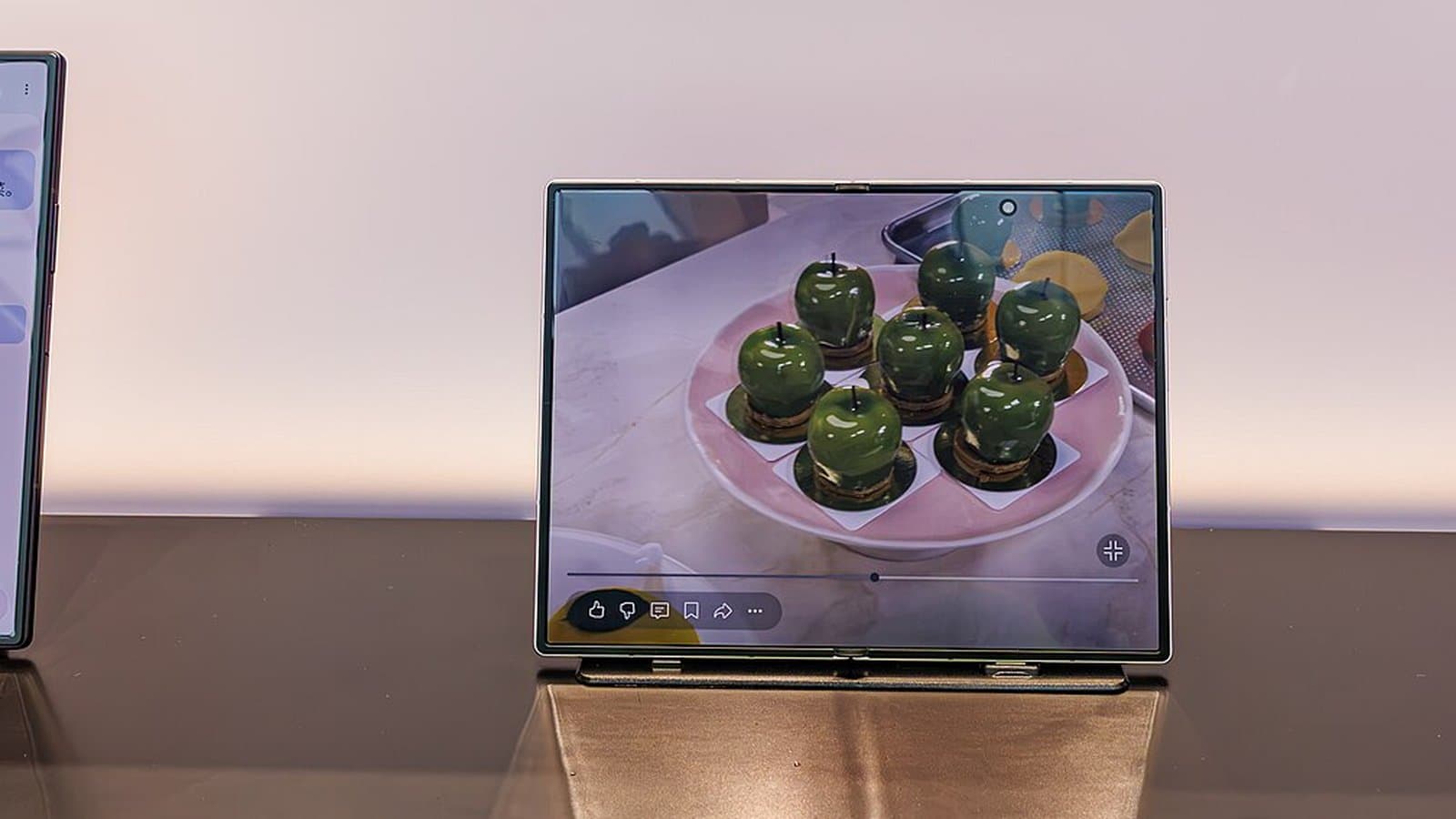
The order of the rollout says something about Samsung's priorities. One UI 9 shipped first on the Galaxy Z Fold8 Ultra, Fold8 and Flip8, the company's newest foldables, before reaching the S26 series that launched earlier in the year. New foldables are the products Samsung most needs to justify their price, and software that makes the larger inner display useful is a bigger selling point on a folding phone than on a slab.
That sequencing also means the S26 release is the second audience for these features, not the first. Early adopters of the foldables have had One UI 9 since launch, and any problems reported on those devices informed the build now going out. The company's decision to run a five-month, seven-release beta before the stable build suggests it wanted the flagship rollout to be as quiet as possible.
The update is the product
For a company that now describes its phones as AI devices, the operating system is where most of the differentiation happens. Samsung advertises Galaxy AI as an ecosystem rather than a single assistant: Now Brief assembles a daily summary, Now Nudge suggests what to type or send, Interpreter translates conversation, and My FanCam handles video framing. None of those require new silicon, and all of them arrive on hardware people already own. That makes One UI 9 less a maintenance release than the delivery vehicle for features Samsung has been marketing for two years.
The DeX changes point in the same direction. Improved windowing and multi-monitor support push the S26 series further toward a desktop-replacement pitch, where a phone connects to a display and runs apps in resizable windows. It is a feature that matters to a narrow group of buyers, but it is also the clearest example of software extending the useful life of a device, which is precisely the argument phone makers make when they promise years of updates.
There is a comparison to be made with the other platforms. Apple delivers new iOS versions to phones several generations old at once, and Google now commits to seven years of updates on Pixel devices. Samsung's answer has been breadth across price tiers and a long support window on its own flagships. The beta list published this week, which reaches down to the A25 and back to the 2023 Galaxy S23, is the operational version of that promise. A 2023 S23 receiving Android 17 is its fourth major Android version, which is more than most Android phones of that vintage were originally expected to see.
The catch is that a broad rollout spreads support thin. Samsung's feature footnotes, with their country, carrier, language and model conditions, are a reminder that "One UI 9" describes a version number rather than a guaranteed set of capabilities. Owners of older devices should expect the security patch and interface changes first, and the AI features only where the hardware and region allow.
Why the timing matters
The September 16 release lands in a competitive stretch. Apple has announced the iPhone 18 Pro and 18 Pro Max, and Google's Pixel lineup is in the same window, so a major platform update for the current Galaxy flagship is partly about keeping existing customers feeling current. Samsung's bet on Galaxy AI is also a software story rather than a hardware one; features like Now Brief and Interpreter are the visible return on the AI investment the company has been advertising since 2024, and they reach users through updates like this rather than through new purchases.
The rollout also arrives during a memory shortage that has pushed component costs sharply higher. That problem affects device pricing and supply, not the software update, but it shapes how buyers evaluate a phone. When a new handset costs more because memory is scarce, longer software support becomes a stronger argument for keeping the one you have. Samsung's ability to deliver One UI 9 to devices as old as the S23 is a practical version of that argument.
There is a risk in the breadth of the update. Major Android releases routinely produce reports of battery drain, app incompatibilities and changed defaults, and the past five months of beta testing were designed to catch the worst of them. Samsung's staged approach, Korea first and beta testers ahead of the general population, is intended to limit the blast radius.
What to watch
The first thing to track is how quickly the stable build reaches the rest of the S26 series outside Korea, and whether Samsung keeps to the "coming days" language it used in its announcement. The second is the S23, S24 and S25 rollout, which is where a large installed base sits and where any performance or battery complaints would surface. The third is feature parity. Samsung's footnotes make clear that the same version number does not guarantee the same experience, and the gap between the flagship features and what reaches mid-range A-series phones will define how much of One UI 9 most users actually get.
For Galaxy S26 owners, the update should arrive through Settings, then Software update, then Download and install. For everyone else, the beta list is the roadmap, and the honest answer to "when" is that Samsung has not committed to dates.
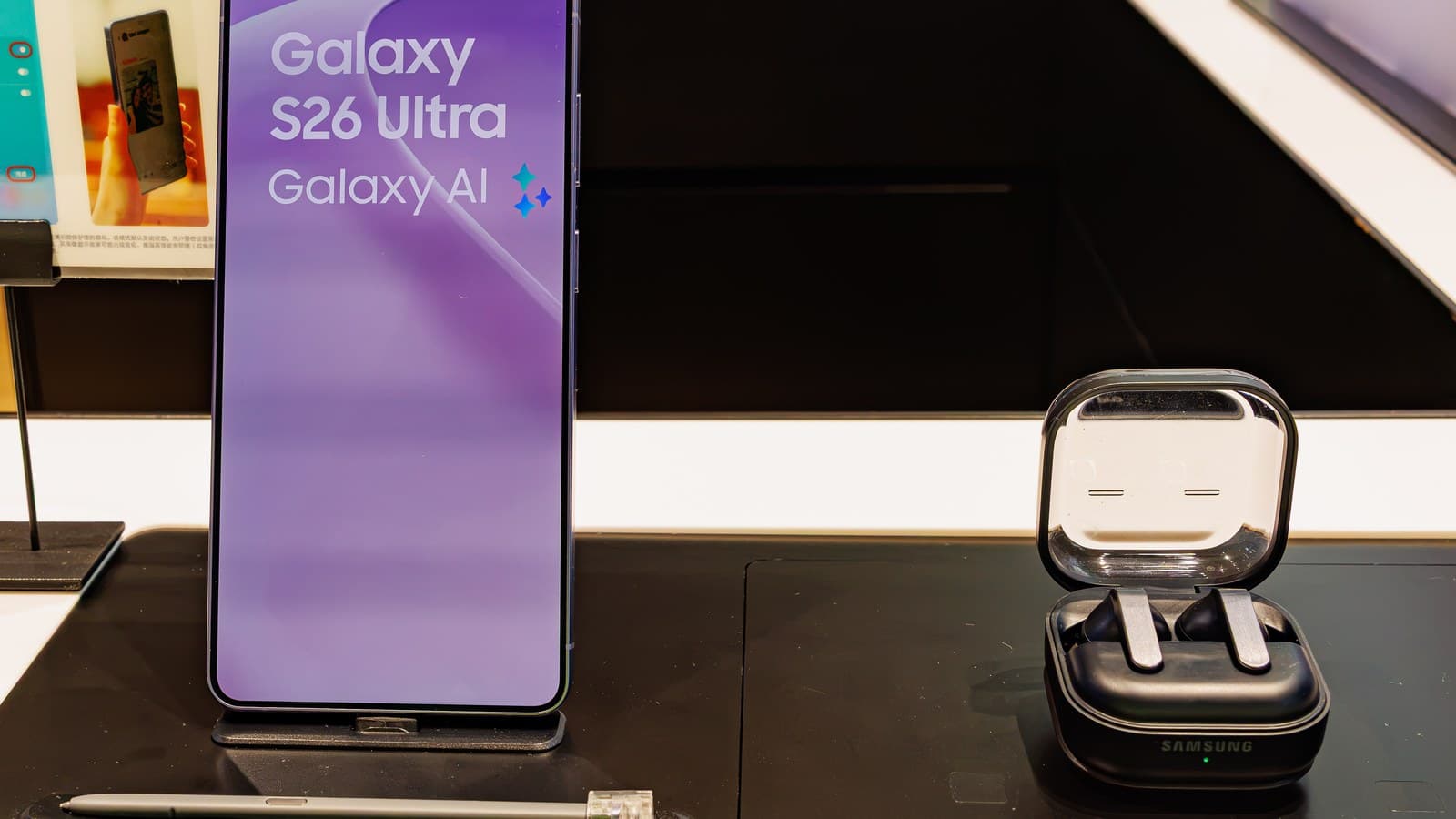
Cover: Galaxy S26 Ultra and Galaxy Buds4 Pro, by Dinkun Chen (CC BY-SA 4.0) via Wikimedia Commons.
Tags

TPW Editorial
Editorial Team
TechPastWeek's editorial team reports and edits every story we publish. We research each piece against primary and credible secondary sources, and a human editor reviews and signs off before it goes live.