Samsung's Galaxy Z Fold8 Lineup Goes on Sale, and the Foldable Grows Up
Samsung began global sales of the Galaxy Z Fold8 Ultra, Fold8, Flip8 and two watches on August 7, pushing a wider 'passport' foldable and Flex Titanium frame.

On this page
Samsung opened worldwide sales of its newest foldable lineup on August 7, putting the Galaxy Z Fold8 Ultra, Galaxy Z Fold8, Galaxy Z Flip8, Galaxy Watch Ultra2 and Galaxy Watch9 on shelves across more than a hundred markets at once. The company announced the rollout on August 6, framing it as the moment its book-style foldable stops being a curiosity and becomes a mainstream premium phone.
Related reading: iPhone Duo Pre-Orders Slip to January 2027 as Apple Warns Against Walk-Ins · Nubia's NaviX Ultra Is a Phone That Promises to Operate Itself.
Samsung's own count is 106 markets; several outlets, including SamMobile, reported 109. The discrepancy is minor, but the direction is not: this is one of the broadest simultaneous foldable launches the category has seen. The devices were first unveiled at a Galaxy Unpacked event on July 22 and went up for pre-order the same day.
The lineup, and what changed
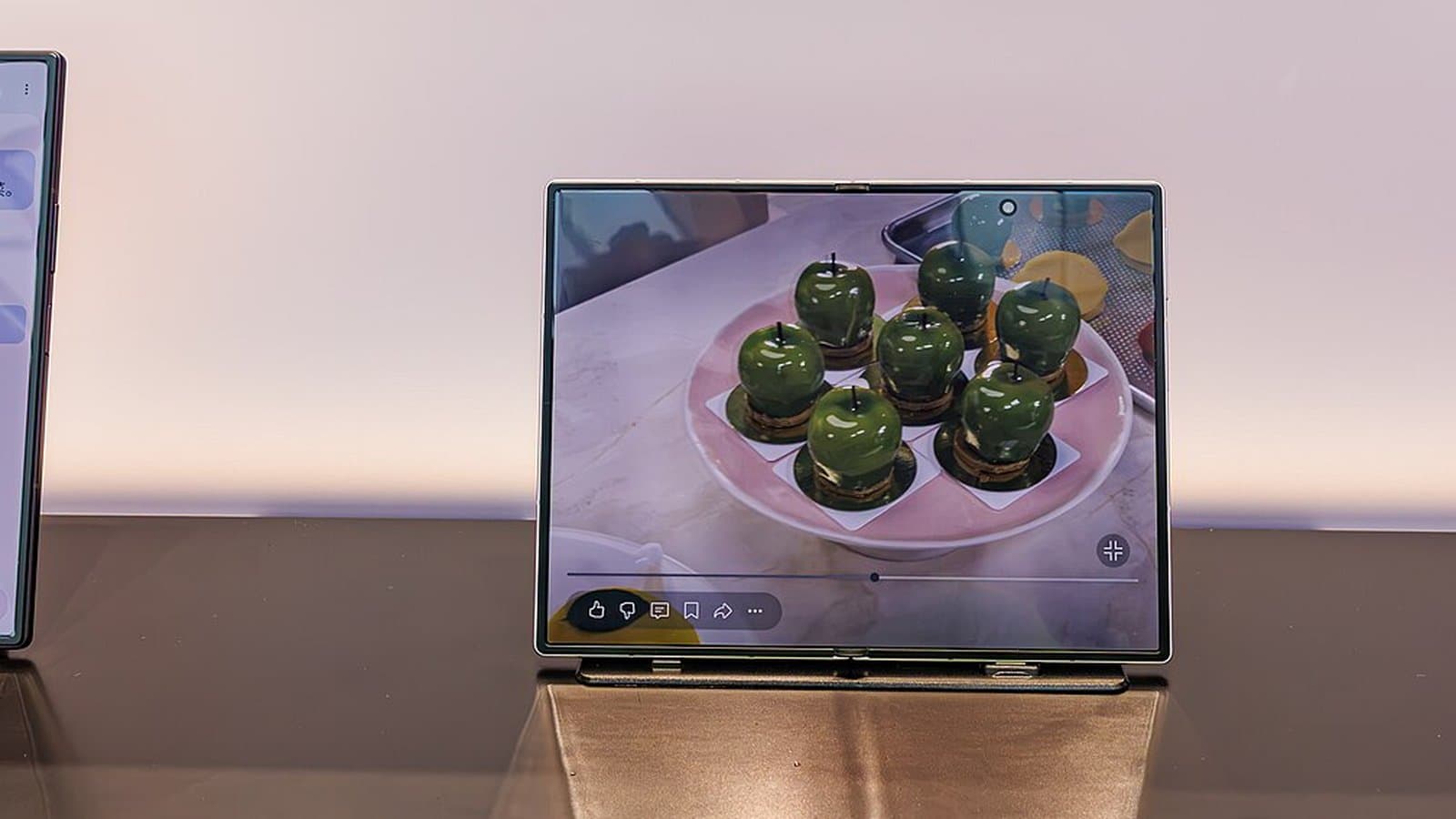
The headline device is the Galaxy Z Fold8 Ultra, which pairs a 6.5-inch cover display with an 8-inch inner screen and an upgraded 200-megapixel HDR main camera. The standard Galaxy Z Fold8 is the more consequential product for the market: it is lighter, thanks to a new frame Samsung calls Flex Titanium, and it adopts a wider, shorter aspect ratio that the company and reviewers have taken to calling "passport" shaped. Unfolded, that geometry makes it feel more like a small tablet and less like a phone with a seam.
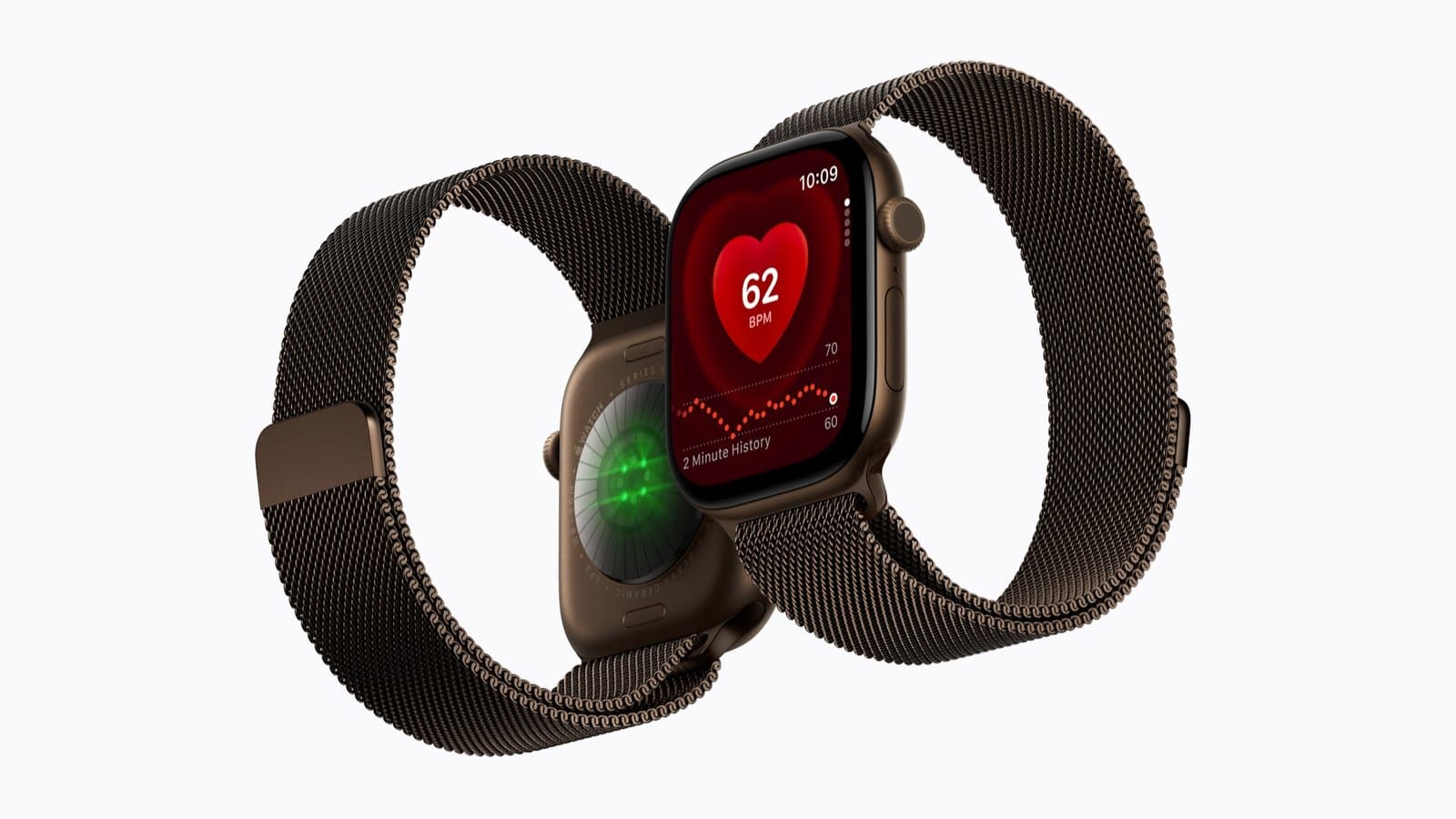
The Galaxy Z Flip8 reworks its FlexWindow, the small cover screen, to run more full apps without opening the device, an acknowledgment that the cover display was always the Flip's most underused asset. Rounding out the launch are the Galaxy Watch Ultra2, now in a single 47 mm size, and the Galaxy Watch9 in 40 mm and 44 mm.
Pricing puts the lineup firmly in the premium tier. In the United States, before tax, the Flip8 starts at $1,199, the Fold8 at $1,900 and the Fold8 Ultra at $2,100, according to SamMobile's roundup. European prices are €1,299, €1,999 and €2,199; Korean pricing is roughly KRW 1,683,000, 2,278,100 and 2,577,300. Australian buyers see AU$1,949, AU$2,699 and AU$2,999. Foldables remain a luxury purchase, but the entry point has not moved much, and the mid-tier model is the one Samsung is clearly hoping does the volume.
The bundle Samsung is leaning on
Every new Galaxy Z series buyer gets a six-month trial of Google AI Pro, including 5 TB of cloud storage, which Samsung values at $119.94. Watch buyers get a 60-day Strava trial and a two-month iFit trial. The attach rate of services is now as much a part of a premium phone launch as the hardware.
A strong start, by Samsung's numbers
Samsung said pre-orders for the new lineup rose more than 30% compared with the previous generation. Broken out by region, the company reported 38% growth in South Korea, 20% in Europe and 30% in the United States. In India, the lineup drew 271,000 pre-orders in 72 hours, a milestone the previous generation reportedly took 15 days to reach.
Korea also set a domestic record: 9to5Google reported that the Z8 series booked about 1.44 million pre-orders, beating a mark previously held by the Galaxy Note 10. Independent estimates circulated by the leaker Ice Universe put total global pre-orders between 4.7 million and 5.2 million, with the standard Fold8 taking roughly 57–59% of them, figures that are worth treating as estimates, not Samsung disclosures.
The more durable signal came later. Counterpoint Research reported on September 8 that sales during the new lineup's first two weeks (August 7 to 15) ran 8% above the comparable period for the Galaxy Z7 generation a year earlier. Counterpoint also found that the standard Fold8 accounted for roughly 57% of Z8 series sales, a notable result given that it is the cheaper and less capable of the two book-style models. For consumers weighing a foldable, the wider, lighter, less expensive phone was the more compelling proposition.
The launch also appears to have snapped a losing streak. Counterpoint noted that Samsung's global weekly smartphone sales had declined year over year for most of the second quarter, and that the Z8 series reversed that trend, a reminder that in a mature market, a genuinely differentiated product still moves the needle.
The cheaper, wider Fold8 outsold its more expensive Ultra sibling, which suggests buyers were rewarding the new form factor rather than the spec sheet.
Why the "passport" shape matters
Aspect ratio sounds like a footnote. It is not. For six generations, book-style foldables have opened into a tall, narrow slab that felt like a phone stretched on a rack, fine for reading a list, awkward for a spreadsheet, a video or a two-pane app. A wider inner display changes the calculus of what the device is for. It makes split-screen multitasking actually usable, it fits more of a PDF, and it brings the unfolded device closer to the small tablet it was always supposed to replace.
The evidence that this mattered is in the sales mix. If buyers had wanted the best camera and the most screen area, they would have bought the Ultra. Instead, a majority chose the standard Fold8, the model whose main argument is ergonomics. That is a demand signal about the shape of the category, not only the price tag.
Flex Titanium matters for a related reason. Weight is the tax that foldables have paid for their hinge and their second display, and it is the complaint that keeps some buyers on slab phones. A lighter frame attacks that objection directly. The combination (wider when open, lighter in the hand) is the most coherent answer Samsung has offered to the question of why anyone should pay a premium for a folding phone.
Software, watches and the parts of a launch that don't make the keynote
Hardware is only half a foldable launch, and Samsung used this one to push its software story. The new devices ship with One UI 9, whose most consumer-visible change is a new Warranty and care section in Settings that shows enrollment status, coverage details and warranty expiration in one place, with self-diagnostics and a route to repair support. It is not glamorous, but it is the kind of housekeeping that matters on a device people keep for three or four years.
The bigger push is AI. Samsung is bundling a six-month Google AI Pro trial (with 5 TB of storage) into every Z series purchase and advertising expanded access to Google's models as a feature of the foldable's large inner screen. The logic is sound: the unfolded display is one of the few places on a phone where an assistant can show a document, a summary and a chat pane at the same time. Samsung also improved Smart Switch, adding a QR-code path that lets iPhone owners migrate wirelessly without installing an app, and it extended Quick Share so files can move in both directions between iOS and Galaxy devices.
The wearables side of the launch is quieter but follows the same playbook. The Watch Ultra2 now comes in a single 47 mm size, while the Watch9 is offered in 40 mm and 44 mm. Samsung is positioning both around health and fitness tracking and pairing them with subscription trials (60 days of Strava, two months of iFit) to pull buyers into the services that make a smartwatch worth wearing after the novelty fades. The goal mirrors the phones: raise the attach rate of software and services, where the margins live, now that flagship hardware margins are thin.
The durability question that never fully goes away
Every foldable generation has to answer the same question, and this one is no exception: how long will the hinge and the display last? Samsung has spent years improving the fold's resistance to dust and repeated cycling, and it now offers protection plans and repair programs to soften the risk. But the fundamental trade-off remains. A foldable packs a moving part and a flexible panel into a device that will be dropped, pocketed and opened tens of thousands of times. The reason this matters is not only reliability; it is residual value. A phone that may need an expensive display repair in year three is harder to resell, and resale value shapes how much buyers are willing to pay up front. Making the device feel like an ordinary phone (lighter, tougher, less fragile than it looks) is how Samsung convinces buyers that the folding premium is an upgrade rather than a gamble.
The Apple shadow
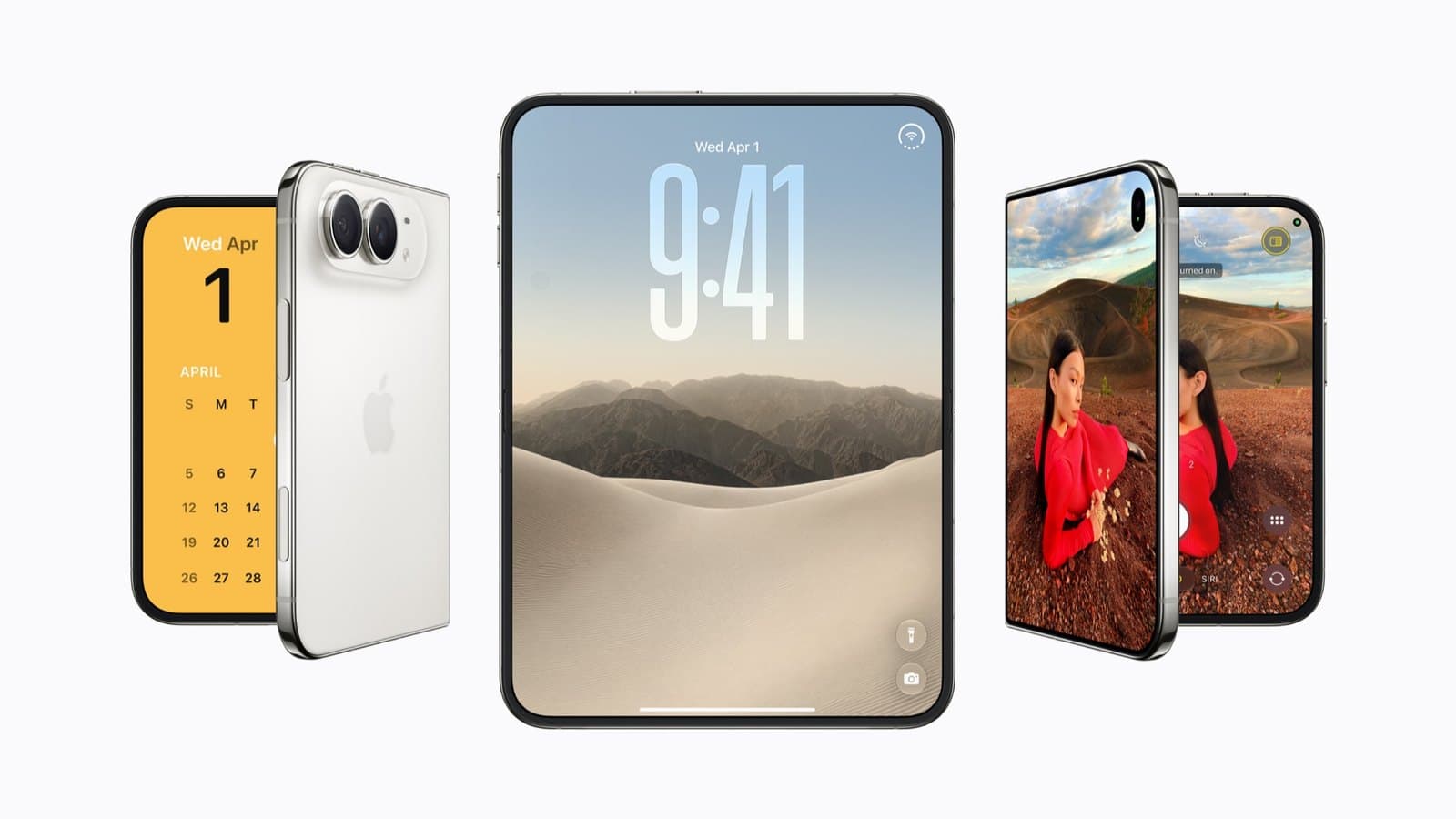
Samsung is not launching into a vacuum. Counterpoint expects Apple to unveil its first foldable iPhone within days of its September report, and its analysts believe the device will land close to the Z Fold8 in display size and aspect ratio, aimed at the same high-value premium segment Samsung has spent six generations building.
That is a two-edged prospect. A foldable iPhone would validate the category and draw attention to it, which historically helps the incumbent. But Apple's reach into its own installed base of Pro and Pro Max owners is enormous, and Counterpoint's analysts framed the coming months as a test of whether Samsung can retain its foldable users and keep converting premium Galaxy buyers. Samsung's answer is partly the one it just shipped: a form factor it now has years of engineering behind.
Supply is not a given
Counterpoint's Sujeong Lim noted that initial supply was "not smooth due to stockouts at some retailers," and said sales should stay stable as supply normalizes. Strong demand is only a win if Samsung can build the devices, a recurring constraint in every foldable generation so far.
What to watch
Three questions will shape the rest of the year. Can Samsung hold its early momentum once the launch promotions expire and Apple's foldable arrives? Does the wider Fold8 convince developers to build genuinely tablet-class apps for the form factor, or does the software remain a stretched phone experience? And does the Flip8's more app-capable cover screen move the needle for the lower-priced half of the lineup, where volume actually lives?
For now, the Z8 generation is the clearest evidence yet that the foldable has crossed from novelty to product. The form factor is no longer the compromise; the price is. If Samsung can narrow that gap, the next six generations may look very different from the last six.
Tags

TPW Editorial
Editorial Team
TechPastWeek's editorial team reports and edits every story we publish. We research each piece against primary and credible secondary sources, and a human editor reviews and signs off before it goes live.