Modern Warfare 4 Season 1 Puts Warzone at the Center on 6 November
Modern Warfare 4 Season 1 arrives on 6 November with Warzone maps Hajin and Zodiac, three multiplayer maps, a new DMZ facility and a reworked battle pass.

On this page
Key takeaways
- Call of Duty: Modern Warfare 4 Season 1 goes live on 6 November 2026 at 00:00 ET (21:00 PT on 5 November) and fully integrates Modern Warfare 4 with the free-to-play Warzone.
- Warzone gets two new maps at launch: Hajin, a Battle Royale map set in an irradiated Korean exclusion zone that also hosts MW4's DMZ mode, and Zodiac, a Resurgence map. Verdansk and Rebirth Island return later in Season 1, with no date announced.
- Multiplayer adds three maps at launch, Backstab, Canyon and a reimagined snowy Shoot House, plus the Grind and Drop Zone modes; Ministry, Overflow and Counter Attack follow mid-season.
- DMZ adds the X01 weapons facility, described by Activision as a maze of tunnels with shifting hazards and closing extraction points, alongside new Orders, Threat Briefing boss hunts and Resupply Runs.
- The Season 1 Battle Pass has more than 100 items and a catch-up system that guarantees 50 or more rewards for purchasers who fall behind, up to day 50 of the season.
Call of Duty: Modern Warfare 4 Season 1 goes live on 6 November at 00:00 ET, which is 21:00 PT on 5 November, and it does something the 23 October launch did not: it folds the free-to-play Warzone into the Modern Warfare 4 system. Activision announced the contents on 28 October and then published a dedicated Warzone roadmap on 2 November. The short version is two new Warzone maps, three multiplayer maps, a new DMZ facility and a battle pass with a catch-up mechanic.
Related reading: Modern Warfare 4 Campaign Draws 90% Positive Steam Reviews in Early Access · Modern Warfare 4's PC Build Adds a New Mode, a 90 FPS Target, and a 115 GB Floor.
Modern Warfare 4 itself launched on 23 October for PS5, Xbox Series X|S, PC and Nintendo Switch 2, according to the launch patch notes. Season 1 is its first content drop and the first real test of whether the annual release can hold a Warzone audience that never buys the campaign.
The map list is straightforward to describe. The integration changes how the game works. Warzone has spent several years as a separate product that borrowed from each annual Call of Duty release. From Season 1 it becomes the free-to-play layer of Modern Warfare 4, with MW4's weapons, progression and seasonal calendar running through it. That is a bigger change for players than any single map.
What Season 1 actually contains
The launch package is broad. Warzone gets Hajin and Zodiac, two new maps with different jobs. Multiplayer gets three maps: Backstab, a war-torn site with abandoned tanks and drone ordnance; Canyon, built around towering rock walls and routes named River, Convoy Ambush and Cliff Path; and a reimagined Shoot House set in snowy North Korea. The returning Grind mode asks teams to collect dog tags and bank them, while Drop Zone returns with a rotating objective and killstreak packages dropping into the fight.
DMZ gets a new location called X01, a formerly undiscovered weapons facility now held by enemy forces. Activision describes a maze of tunnels, shifting hazards and extraction points that close off as the match develops. There are new DMZ Orders, Threat Briefing boss hunts and Resupply Runs.
The Battle Pass carries more than 100 items and adds the Cronen Osprey assault rifle and CSG-35 SMG. Activision claims the CSG-35 has the highest fire rate in its class, a manufacturer's description rather than an independent measurement. The pass also introduces a catch-up system for buyers who fall behind, which may be the most player-friendly change in the update.
Confirmed, reported and still open
Activision has confirmed the 6 November date, the launch maps and modes, the DMZ facility, the two Battle Pass weapons and the catch-up system. Dot Esports has reported that Vondel returns in Season 2, that Tactical Sprint is restored without a perk requirement, and that Zodiac gets visibility improvements. Those details were not all in the 28 October announcement. The exact dates for the Verdansk and Rebirth Island returns remain unannounced.
Why the Warzone integration is the real story
Warzone is the part of Call of Duty that does not require a purchase. That makes it the widest door into the series and the place where Activision's seasonal model has to work hardest. It has also run alongside each annual release, borrowing weapons and map work while keeping its own playlists and its own pace.
Season 1 joins the two calendars. A player who only plays Warzone will meet Modern Warfare 4's guns and seasonal content, and a player who owns the campaign and multiplayer will see the same seasonal progression in the free mode. Activision's announcement frames this as Warzone becoming fully integrated with Modern Warfare 4, with a separate Warzone roadmap to follow.
That structure solves an old problem and creates a new one. The old problem was duplication: two weapon economies, two sets of attachments, two answers to the question of what a season is. The new problem is dependency. If Warzone's identity is now MW4's identity, then a weak MW4 season becomes a weak Warzone season, and players who came for the free game have less distance from a paid release they may not want.
There is also a scheduling signal in the launch. Two new Warzone maps in one season is unusual. Hajin replaces Verdansk as the main Battle Royale map at launch, and Zodiac takes the Resurgence slot while Rebirth Island is out of the rotation. The pair arrives together, not staggered across a season, which suggests Activision is treating the integration as a relaunch.
Hajin carries both Warzone and DMZ
Hajin is the most consequential map in the package because it does two jobs. It is the new Battle Royale map, set in a heavily irradiated exclusion zone on the Korean peninsula, and it is also the setting for Modern Warfare 4's DMZ extraction mode. Verdansk is the obvious comparison, but Hajin has to support two very different paces: the long drop, loot and rotate loop of Battle Royale, and the tighter, hazard-driven runs of an extraction shooter.
The shared setting is efficient. Players who learn the map in DMZ arrive in Battle Royale with some spatial memory, and players who only play Battle Royale get a preview of the DMZ version's terrain. Whether that overlap helps or hurts depends on how the two versions differ. A DMZ map needs interiors, choke points and extraction routes. A Battle Royale map needs wide sightlines, vehicle paths and enough named locations to support 100-plus players. One location can do both, but not without compromises.
Activision has not published player counts, and no sales figures for Modern Warfare 4 have been released in the material reviewed for this piece. Claims that Hajin is larger than Verdansk have circulated in secondary coverage, but the official material does not confirm a size comparison, so treat them as unverified.
Zodiac and the Resurgence problem
Zodiac is a Resurgence map, which means it inherits Rebirth Island's job: fast respawns, close quarters, constant third parties. Resurgence lives or dies on readability. A small map with too much visual noise turns every fight into a guessing game, and Dot Esports reports that Zodiac is getting visibility improvements. That report suggests the map had a readability issue in testing, and the change was not part of the original announcement.
The Resurgence audience is also the most attached to the map it already has. Rebirth Island has a dedicated following, and removing it from the launch rotation is a risk that the new map has to justify. Activision's answer is that Rebirth returns during Season 1, but the company has not said when. Until it does, Resurgence players are being asked to move to Zodiac on trust.
Verdansk and Rebirth Island return, but not on day one
This is where the messaging needs care. Verdansk and Rebirth Island are part of the Season 1 plan, but neither is in the launch rotation. Both are confirmed to return during the season, and Verdansk will come back with new points of interest, while Rebirth Island adds new waterways and passages. The exact dates have not been announced.
The 28 October announcement listed Verdansk and Rebirth Island alongside the new maps without dates, which made the season look like a four-map launch. At launch, the Warzone map list is Hajin for Battle Royale and Zodiac for Resurgence. The older maps come later, which means the first weeks of the new era will be judged on two maps rather than four.
It also changes the shape of the season. A mid-season return for Verdansk and Rebirth gives Activision a second beat, a reason to bring lapsed players back after the launch window. That is a sensible scheduling choice. "Available in Season 1" and "available on 6 November" are different claims, and only the first one has been confirmed.
The multiplayer side is more conventional
For players who bought Modern Warfare 4, the three launch maps follow a familiar pattern. Backstab leans on atmosphere, with abandoned tanks and drone ordnance in a deserted dwelling. Canyon is built around vertical rock walls and three named routes, which suggests a map designed for deliberate lane control. The snowy Shoot House remake is the safest bet in the package: a known layout with a new palette.
The mid-season additions are more interesting. Ministry sets a fight in and around an embassy during a diplomatic summit, and Overflow moves to a factory and the surrounding farmland. Counter Attack asks one team to detonate bombs at the enemy Comm Station while defending its own. That is an objective mode with a defensive half, which tends to produce more organised play than pure team deathmatch.
None of this is radical. It is the standard seasonal cadence, and that is fine. The multiplayer maps are the part of the update that does not need to carry a structural argument.
The battle pass catch-up system is the quiet change
The catch-up mechanic is easy to miss between the maps and weapons. Activision says purchasers who fall behind in the premium Battle Pass will be automatically caught up to the reward matching the current day of the season, up to day 50, and that the system guarantees 50 or more rewards. The pass remains a linear 100-tier track.
That is a response to a real complaint. Seasonal passes punish people who buy late or miss a week, and the punishment is worst for exactly the players who already paid. A guarantee of 50 or more rewards does not make the pass free or short, and it does not remove the 100-tier grind. It does reduce the chance that a purchase turns into a second job. The detail to watch is how the catch-up interacts with the premium track's best items. If the guaranteed rewards are the early tiers, late buyers get filler. If they include the headline skins, the system has teeth.
Caveats: what is still unconfirmed
Several things are announced but not settled. The return dates for Verdansk and Rebirth Island are the biggest. The playlist and rotation details that follow those returns have not been published in the material reviewed here. Activision's Season 1 material also does not set out a Warzone Ranked Play schedule, so anyone planning around a ranked reset should wait for a date rather than assume one.
Balance is another unknown. A new Battle Royale map, a new Resurgence map and a merged weapon pool arrive in the same update. That is a lot of variables at once, and the first week will produce the usual arguments about sightlines, audio and weapon tuning. The CSG-35's fire rate claim will be tested by players rather than taken from the description.
One question has no answer in the announcement: whether the integration brings more people into Warzone or splits the audience between those who want the new system and those who preferred the old one. No player numbers have been released, and the effect will not be visible on launch day.
What to watch on 6 November
The first signal is stability. A full integration, two maps, a new DMZ facility and a battle pass change is a large update, and launch-day queues and server issues would distort every other judgement.
The second is whether Hajin works in both modes. If the Battle Royale version feels like a DMZ map with extra players, the integration's flagship location will not carry the season. If the two versions feel distinct, the shared setting becomes an asset.
The third is the return schedule. Verdansk and Rebirth Island are the safety net for players who do not take to the new maps. How quickly Activision dates them will say how confident the company is in Hajin and Zodiac.
For now, Season 1 is an announced package with a firm date. The map list will be the first thing players judge, and the integration will take longer to read.
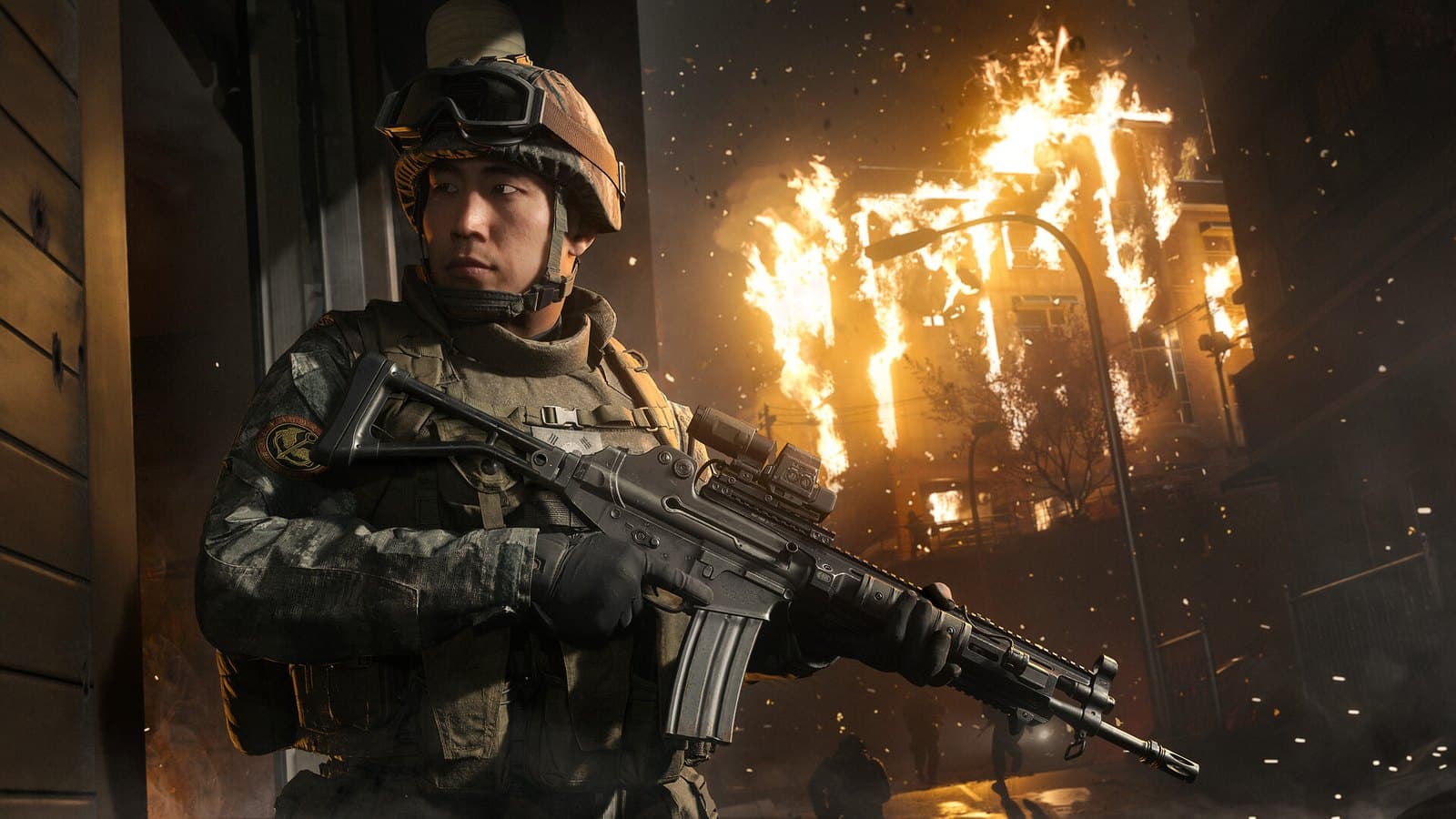
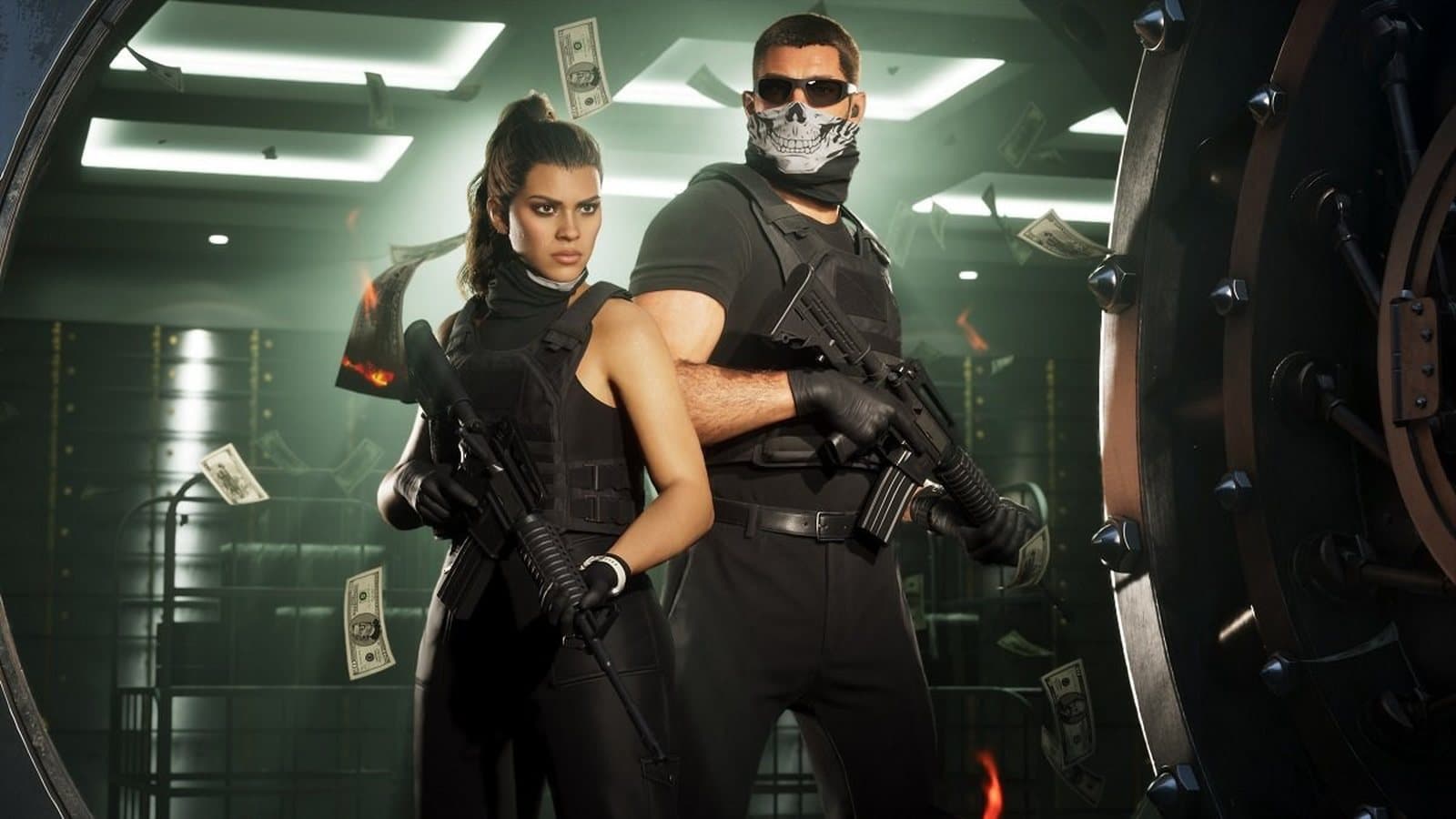
Cover image: Key art for Call of Duty: Modern Warfare 4 Season 1, courtesy of Activision, via PlayStation Blog.
Tags
Frequently asked questions
- When does Modern Warfare 4 Season 1 start?
- Season 1 goes live on 6 November 2026 at 00:00 ET, which is 21:00 PT on 5 November. Activision announced the contents on 28 October and published the full Warzone roadmap on 2 November.
- What are the new Warzone maps in Season 1?
- Hajin is the new Battle Royale map, set in an irradiated Korean exclusion zone that is also the setting for MW4's DMZ extraction mode. Zodiac is the new Resurgence map. Verdansk and Rebirth Island are confirmed to return during Season 1, but they are not in the launch rotation.
- Is Warzone still free to play after the Modern Warfare 4 integration?
- Yes. Activision describes Warzone as free-to-play and says Season 1 fully integrates Modern Warfare 4 into it, bringing MW4 weapons, progression and seasonal content into the free game. Buying Modern Warfare 4 is not a requirement to play Warzone.
- Are Verdansk and Rebirth Island gone for good?
- No. Activision has confirmed both maps return during Season 1, with Verdansk adding new points of interest and Rebirth Island adding new waterways and passages. The company has not announced the exact return date.

TPW Editorial
Editorial Team
TechPastWeek's editorial team reports and edits every story we publish. We research each piece against primary and credible secondary sources, and a human editor reviews and signs off before it goes live.