CLARITY Act Fails Senate Cloture Vote 49-50, Leaving Crypto Rules to Regulators
Update: the Senate rejected the CLARITY Act's cloture motion 49-50 on Sept. 15, stalling a crypto market-structure bill and moving the issue to regulators.

On this page
Key takeaways
- The Senate rejected a motion to advance the Digital Asset Market Clarity Act on September 15, 2026, by a vote of 49-50, short of the 60 needed to end debate.
- Four Republicans joined every Democrat in opposing the motion: Susan Collins, Josh Hawley, Jerry Moran and Thom Tillis. Tillis switched his vote from yes to no to preserve a motion to reconsider.
- The 600-plus-page bill would have split federal digital-asset oversight between the SEC and the CFTC, giving the smaller CFTC primary authority over spot markets for digital commodities.
- CFTC Chair Michael Selig and SEC Chair Paul Atkins both said they would keep writing crypto rules under existing authority, and crypto stocks rebounded on September 18 after sliding at the vote.
- The bill is not formally dead. Tillis's motion to reconsider keeps it eligible for another vote, but the November midterms and a crowded Senate calendar make near-term action unlikely.
This article is an update to our September 11 report on the Senate's 630-page CLARITY Act draft, which set up the procedural vote that took place on September 15.
Related reading: Senate Republicans Release a 630-Page Clarity Act Rewrite Days Before a Do-or-Die Vote · SEC Opens the Door to Tokenized Stocks With a Five-Year Exemption.
The U.S. Senate refused to advance the Digital Asset Market Clarity Act on September 15, 2026, defeating a motion to close debate by a vote of 49-50 and stopping the most ambitious federal crypto market-structure bill short of the 60 votes it needed to move forward.
The official roll call records 49 yeas, 50 nays and one senator not voting. Every Democrat and independent voted no, joined by four Republicans: Susan Collins of Maine, Josh Hawley of Missouri, Jerry Moran of Kansas and Thom Tillis of North Carolina. Because the nays outnumbered the yeas, the bill did not even clear a simple majority, let alone the three-fifths threshold the Senate requires to end a filibuster. CoinDesk wrote that the tally "didn't manage to even win a majority." Some first-day accounts, including Reuters, gave the margin as 50-49 in favor, which matches the count before Tillis changed his vote. The Hill, Forbes and the Senate record all list the final result as 49-50.
Tillis's switch was procedural, not a change of position. Senate rules let a senator who voted with the prevailing side move to reconsider, and he did so immediately after the gavel, entering a motion to reconsider the vote. That single step is the reason the CLARITY Act is stalled rather than finished. Tillis said afterward that the vote was not the end and that his motion would let senators "continue working towards a positive outcome," according to CoinGeek.
What the Senate was voting on
Cloture is a procedural step, not final passage. It ends debate so the chamber can take up a measure, and it needs 60 votes in the 100-seat Senate. Had the motion succeeded, the bill would still have faced floor debate, amendments, a final Senate vote, reconciliation with the House and a presidential signature.
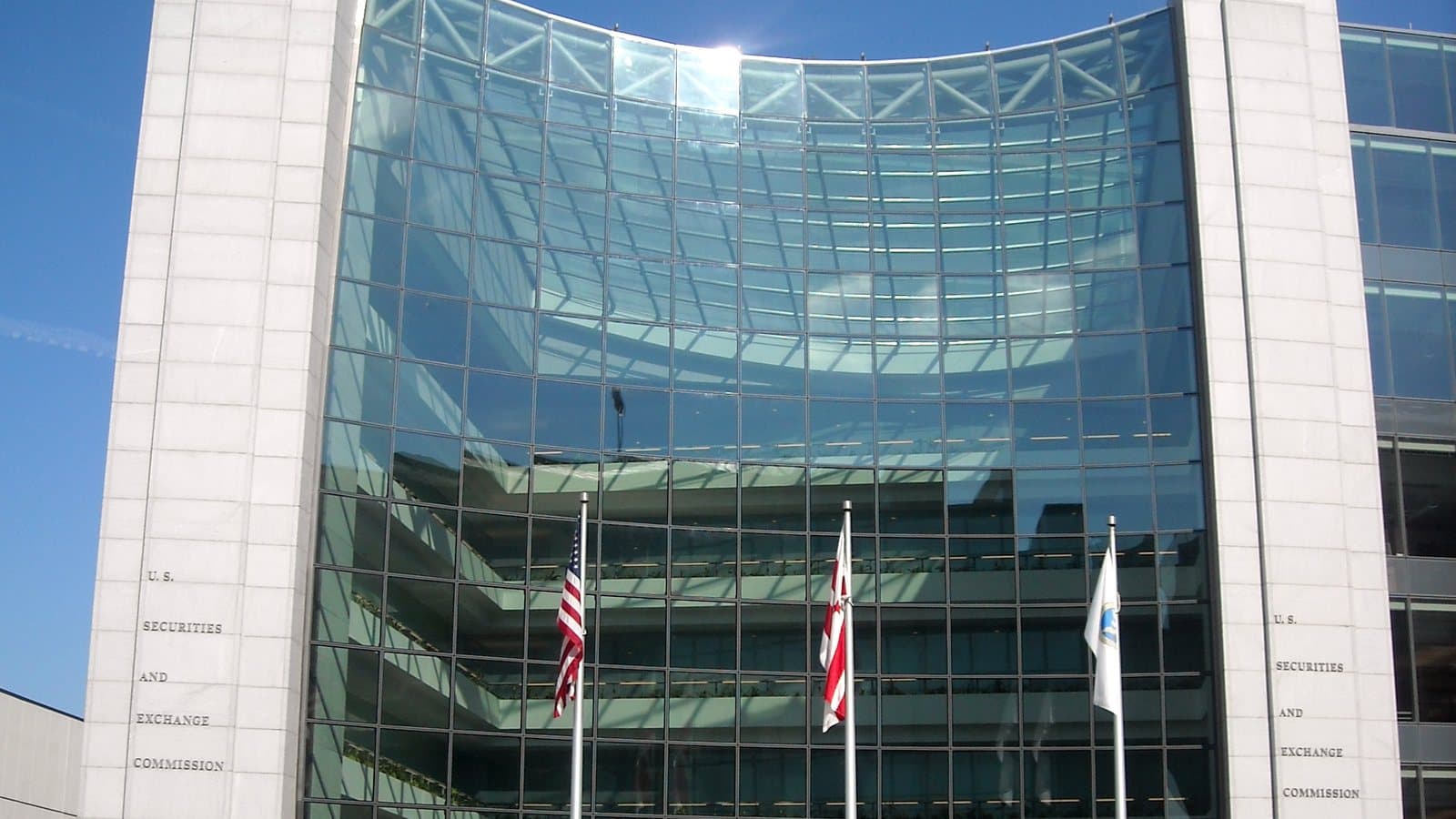
The bill, H.R. 3633, is the Digital Asset Market Clarity Act. The House passed it 294-134 on July 17, 2025, and the Senate Banking Committee advanced its version 15-9 in May 2026. By the time of the vote, the Senate text had grown past 600 pages. It would, for the first time, write a federal rulebook that divides oversight of digital assets between the Securities and Exchange Commission and the Commodity Futures Trading Commission. Under its design, the CFTC, the smaller of the two agencies, would take primary authority over spot markets for digital commodities, while the SEC would keep jurisdiction over tokens sold as investment contracts. Crypto India Magazine describes the split that way, and notes the CFTC has roughly 556 employees against the SEC's 4,200.
Supporters argued that a statute, unlike agency guidance, would outlast a change of administration. The industry had spent years and hundreds of millions of dollars lobbying for exactly that outcome. Reuters reported that crypto companies spent more than $300 million combined on the 2024 and 2026 election cycles.
How close was it? Republicans hold 53 seats. Clearing 60 votes meant finding at least seven Democratic or independent crossovers, and potentially more once Republican defections were counted. About a dozen Democrats were seen as possible yes votes before the vote, but none ultimately supported the motion.
Why the CLARITY Act failed
The collapse turned on ethics language aimed at the president's crypto holdings, the same sticking point that had stalled the bill for months.
Republicans released their final draft on the night of September 13. Senator Cynthia Lummis, the Wyoming Republican who chairs the Banking Committee's digital assets subcommittee, said the text reflected "substantially all of the Tillis-Gallego ethics proposal," including a role for state attorneys general in enforcement. The bill barred covered officials from issuing or sponsoring digital assets and required them to divest significant crypto interests or place them in a blind trust. An earlier version had given enforcement power only to the Justice Department, a gap Democrats said they could not accept under a Trump-appointed attorney general.
The revised language still fell short. The Hill reported that Democrats wanted the restrictions extended to the president's adult children, who help run the family's crypto ventures. Senator Raphael Warnock, a Georgia Democrat, said the new text contained "a whole lot of loopholes." The financial stakes were not abstract: Trump reported more than $1.4 billion in crypto-related income in 2025, including revenue tied to World Liberty Financial, according to his disclosure filings as reported by the Associated Press and PBS NewsHour.
Two more disputes hardened positions. Banking groups pushed for tighter limits on stablecoin rewards that function like deposit interest, and the American Bankers Association and state banking associations had pressed senators in the days before the vote. Crypto developers wanted protection from money-transmitter registration, the subject of the bill's Blockchain Regulatory Certainty Act provisions. The four Republicans who opposed the motion had their own reservations as well.
The blame arrived within minutes. Senator Ruben Gallego, the Arizona Democrat who co-authored the ethics proposal, said the bill "failed squarely because Republicans refuse to say no to the president," and that "instead of spending their time twisting themselves into knots to appease President Trump, Republicans should have worked more closely with Senate Democrats to craft a bill that could pass with strong ethics provisions." Senator Thom Tillis had argued days earlier that the White House still needed to engage.
Senator Cynthia Lummis, who had spent more than a year on the bill, made one final appeal on the floor before the clerk called the roll.
"Do not let this day be the day we handed our future to someone else because we were too afraid to finish what we started." — Senator Cynthia Lummis
After the vote she was blunt with reporters. "I think we're done. It's over," she told Fox News, adding that the chamber had worked on the bill for over a year and met more than 120 Democratic requests. Asked whether it would return to the floor, she said, "Nope."
The industry's case, and the regulators' answer
Ryan VanGrack, the vice chair of Coinbase, had made the industry's argument a week before the vote. Speaking to Bloomberg Crypto on September 8, he said onchain finance and tokenization are already operating rather than future concepts, and that the missing piece is a legal framework. In a post on X, he wrote that "capital and talent follow clear rules" and called the bill "America's opportunity to set the standard and bring innovation onshore," as CoinGape reported. Critics of the bill argued the opposite: that its safeguards were too lenient, its enforcement too thin, and its allocation of authority to a small agency unwise.
Within a day of the vote, both regulators said they would not wait.
CFTC Chair Michael Selig wrote on X on September 16 that the outcome was "unfortunate" and that "Americans deserve regulatory clarity, legal certainty, and consumer protections in crypto asset markets." The commission, he said, was "locked in and ready to ship its rules for the new frontier of finance," as Decrypt reported.
SEC Chair Paul Atkins struck a similar note. "I have been unequivocal: with or without legislation, we will act decisively within the SEC's statutory authority to deliver certainty for American investors and for the entrepreneurs shaping our technological future," he wrote, according to Decrypt. The SEC had already proposed a crypto offering framework called Regulation Crypto Assets in August, which remains open for public comment, and the CFTC has sent a broader crypto market rule to the White House for review. The CFTC also issued no-action relief to passive software providers, and the SEC eased requirements for some platforms handling tokenized securities.
The Hunton Blockchain Legal Resource noted that "in the near term the CLARITY Act is effectively dead" and that "meaningful regulatory progress may need to come through agency action rather than Congress." Agency rules are narrower than a statute and can be revised by a later administration, a limitation Atkins himself has acknowledged.
How markets reacted
Markets repriced quickly, then partly recovered. Reuters reported that Bitcoin fell more than 5% as the vote appeared likely to fail, its biggest daily percentage decline since June, and that shares of Coinbase and stablecoin issuer Circle fell as much as 10%. By Friday, September 18, Cointelegraph reported a broad rebound: Strategy rose more than 13%, Coinbase and American Bitcoin about 11% each, and Robinhood nearly 9%, as Bitcoin climbed back above $80,000. The recovery tracked the regulators' moves, not a legislative breakthrough.
The pattern is a reminder that the bill's failure removed an expected catalyst without restoring the rulebook businesses say they need. A statute would have set jurisdiction in law. Rulemaking sets it in the administrative record, where the next administration can reopen it.
What happens next
The bill is not formally dead. Tillis's motion to reconsider keeps it eligible for another vote, though no further action is scheduled. Gallego said Republicans had ended talks and forced the vote just as the two sides were making progress on ethics.
The calendar, however, works against a return. The Senate is set to leave Washington in early October and not return in force until after the November 3 midterm elections. This Congress ends in January. If Democrats win either chamber, the crypto agenda shifts: CoinDesk noted that a Democratic House would likely return Representative Maxine Waters to lead Financial Services, while a Democratic Senate would put Elizabeth Warren atop Banking.
The nearer milestones are regulatory. Public comments on the SEC's Regulation Crypto Assets proposal close on October 20, and the CFTC's market-structure rule sits under White House review. The next real test of Washington's appetite for crypto rules will come from the agencies, not a floor vote.
For an industry that spent years and hundreds of millions of dollars chasing a federal rulebook, the result was a familiar one. It reached the Senate floor, lost by more than its supporters expected, and handed the next chapter to the regulators it had hoped Congress would direct.
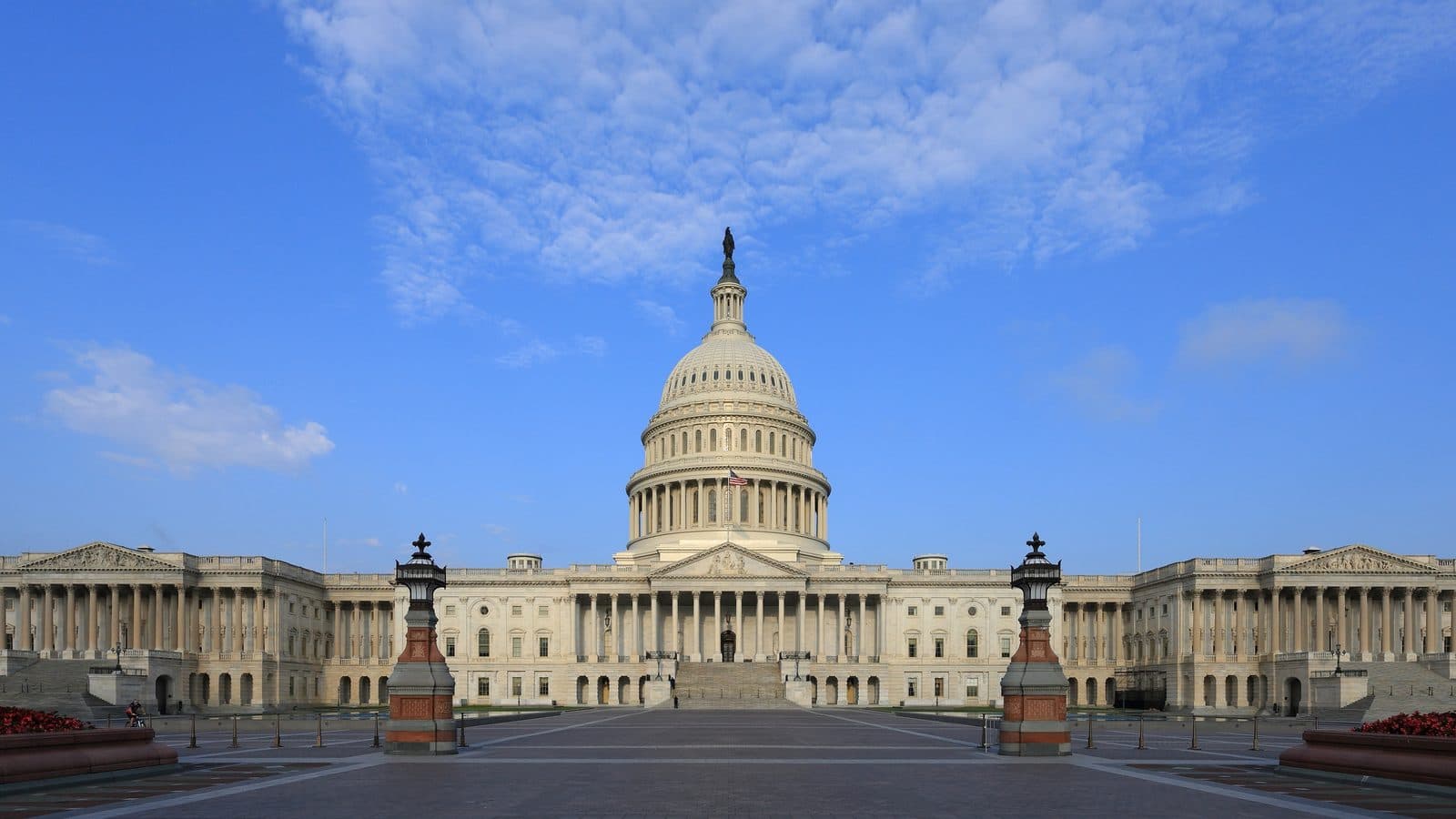
Cover: The east front of the U.S. Capitol, by Martin Falbisoner (CC BY-SA 3.0) via Wikimedia Commons, cropped to 16:9.
Tags
Frequently asked questions
- Did the Senate pass the CLARITY Act?
- No. On September 15, 2026, the Senate rejected a cloture motion on the Digital Asset Market Clarity Act (H.R. 3633) by a vote of 49-50. The motion needed 60 votes to end debate and move the bill forward.
- How did the CLARITY Act vote break down?
- Every Democrat and independent voted no, joined by four Republicans: Susan Collins of Maine, Josh Hawley of Missouri, Jerry Moran of Kansas and Thom Tillis of North Carolina. The final count was 49 yeas and 50 nays, with Senator Chris Coons not voting.
- Is the CLARITY Act dead?
- Not formally. Senator Thom Tillis entered a motion to reconsider, which keeps the bill eligible for another vote. Senator Cynthia Lummis said it was over, and with the midterm elections approaching, supporters see little chance of action before this Congress ends.
- What happens to crypto regulation without the CLARITY Act?
- The SEC and CFTC say they will continue making crypto rules under existing authority. The SEC has proposed a framework called Regulation Crypto Assets, and the CFTC has sent a broader crypto market-structure rule to the White House for review.

TPW Editorial
Editorial Team
TechPastWeek's editorial team reports and edits every story we publish. We research each piece against primary and credible secondary sources, and a human editor reviews and signs off before it goes live.