SEC Opens the Door to Tokenized Stocks With a Five-Year Exemption
The SEC's five-year Innovation Exemption lets permissioned venues trade tokenized U.S. stocks with full shareholder rights, while issuers get a 30-day veto.


On this page
Key takeaways
- On September 17, 2026, the SEC issued a roughly 60-page Innovation Exemption, Release 2026-90, granting five-year conditional relief from the Exchange Act's definition of 'exchange' to tokenized securities venues trading National Market System stock.
- The exemptions run from September 17, 2026 through September 17, 2031 and cover secondary trading only; qualifying tokens must carry the same dividends, voting, liquidation, proxy and issuer-communication rights as the traditional shares.
- Synthetic exposure, security-based swaps, linked securities and SPV-wrapper interests do not qualify, and options, rights and warrants are excluded from the definition of NMS stock the order covers.
- Third-party tokenization requires at least 30 days' notice to the underlying issuer, which can block the listing by objecting; issuer-sponsored tokens are expressly permitted.
- The order arrived two days after the Senate blocked the CLARITY Act 49-50, and a day after CFTC Chair Mike Selig and SEC Chair Paul Atkins pledged to act under existing authorities.
The U.S. Securities and Exchange Commission on Thursday, September 17, 2026, published a roughly 60-page order that creates a regulated path for the secondary trading of tokenized U.S. stocks. The "Innovation Exemption," released as Press Release 2026-90, grants temporary, conditional relief from the Securities Exchange Act of 1934, allowing specialized venues to trade blockchain-based versions of National Market System (NMS) stocks and allowing the firms that supply liquidity to do so with their own capital without registering as dealers.
Related reading: CLARITY Act Fails Senate Cloture Vote 49-50, Leaving Crypto Rules to Regulators · Senate Republicans Release a 630-Page Clarity Act Rewrite Days Before a Do-or-Die Vote.
"Today, the Securities and Exchange Commission is taking a significant step forward, within its statutory authority, to bring America's capital markets into the digital age by facilitating onchain trading of certain tokenized stocks through the 'Innovation Exemption,'" SEC Chairman Paul Atkins said in a statement. The relief runs from September 17, 2026 through September 17, 2031, and the Commission is taking public comment on the order. In a separate statement, Atkins said the exemption "must be followed by durable rulemaking to ensure that onchain markets remain a viable pathway as our capital markets continue to evolve."
The order is the agency's most concrete move yet to fold blockchain-based securities into existing investor protections. It lands two days after the Senate blocked the comprehensive market-structure bill the industry had hoped would do the job.
What the exemption actually permits
The order targets entities the SEC calls Tokenized Securities Venues, or TSVs. These are platforms that match buyers and sellers of tokenized NMS stock through permissioned automated market makers (AMMs) and liquidity pools. NMS stock generally means U.S. exchange-listed equities and certain exchange-traded products. The relief does not cover options, rights or warrants. It also provides no separate relief under the Investment Company Act, so registered funds may face constraints even when their shares qualify as NMS stock, Galaxy Research noted in its analysis of the order.
Retail investors, institutions and regulated financial firms can all use a TSV, subject to the venue's permissioning standards. The exemption covers secondary trading only, so a TSV cannot host primary issuance. It exempts qualifying venues from the Exchange Act's definition of "exchange," alongside a parallel exemption for liquidity providers from the "dealer" definition.
The conditions attached to the relief
The order is detailed and conditional. The main requirements are:
- A five-year pilot. The exemptions expire on September 17, 2031. A TSV must be a U.S. person, publish a detailed public notice at least 30 days before beginning operations, notify the SEC, and keep its disclosures current as assets, systems or operations change. The order also caps the number of symbols a venue may list and the volume it may handle, according to Quartz's report on the order and CNBC.
- Real shares with real rights. A qualifying token must convey the same interest in the company as the traditionally formatted stock, including dividends, voting rights, liquidation rights, proxy materials and other issuer communications. Synthetic exposure, security-based swaps, linked securities, and interests in a special-purpose vehicle or other wrapper do not qualify.
- Public code, permissioned access. Smart contracts must be public and auditable and deployed on a public, permissionless blockchain. Access to trading must be limited to verified or credentialed participants, whether through controls at the AMM-pool level or transfer restrictions encoded in the token.
- Issuer sponsorship, with a 30-day opt-out. Issuers may tokenize their own shares. A third party may tokenize an issuer's stock, but the venue must notify the company and wait at least 30 days. If the issuer objects during that window, the token cannot be listed.
- Market-integrity obligations. A TSV must publish U.S. dollar-denominated transaction data within 10 minutes and keep at least 30 days of it freely available in machine-readable form. It must halt trading when the underlying stock halts on its primary exchange, report significant operational or cybersecurity events, and keep books and records open to SEC examination. Venues cannot offer margin, lend assets, extend credit or permit rehypothecation. Federal anti-fraud and anti-manipulation rules still apply.
Commissioner Hester Peirce called the order "a small step toward waking up to a tokenized tomorrow," while Commissioner Mark Uyeda described it as "scope relief to experiment responsibly, learn, and translate old protections to new contexts."
The 30-day opt-out is the contested part
The issuer notification requirement is the provision most likely to draw fire. It sets a middle ground between two camps: those who argue tokenization should require issuer consent, and those who argue a public company cannot control every separate financial product that references its freely transferable shares.
That argument played out publicly this month in a clash between Robinhood CEO Vlad Tenev and AMC Entertainment CEO Adam Aron. Aron objected to an AMC-linked token offered on Robinhood Chain without the theatre chain's involvement, as CoinDesk reported. Tenev argued that issuers should control the rights attached to their shares, but not every separate product built on top of them. Under the new order, Robinhood's Stock Tokens would not qualify in any case: the company describes them as "tokenized debt securities" that provide economic exposure but no legal or beneficial rights in the underlying issuer.
Galaxy took the issuer-sponsored route. It enabled tokenized $GLXY in September 2025 through the transfer agent Superstate, with KYC onboarding, and the order now accommodates that model. Galaxy's analysis argues the third-party pathway is tighter than the phrase "third-party tokenization" implies and narrower than the wrappers offered today by Robinhood, Ondo and xStocks.
A two-day-old political failure as backdrop
The timing is hard to miss. On Tuesday, September 15, the Senate voted 49-50 on a procedural motion to advance the CLARITY Act, short of the 60 votes needed, leaving the federal crypto market-structure bill stalled ahead of the midterms.
Two agency heads responded the next day. CFTC Chair Mike Selig said the commission is "locked in and ready to ship its rules for the new frontier of finance" and called the Senate outcome "unfortunate," according to Yahoo Finance. SEC Chairman Atkins wrote that "with or without legislation, we will act decisively within the SEC's statutory authority." The Innovation Exemption is that promise made concrete, arriving one day after those statements.
The order also builds on earlier groundwork. In March 2026, the SEC approved Nasdaq's proposal to let certain securities trade and settle in tokenized form on Nasdaq's own market, restricted to Russell 1000 stocks and exchange-traded funds. That decision covered trading and settlement inside a single exchange. The Innovation Exemption addresses the wider question of who may operate a secondary venue for tokenized stock at all.
What it means for the tokenized-equity market
The market is still small but growing quickly. Tokenized stocks totaled about $13.4 billion on September 1, 2026, up from roughly $2.5 billion at the start of the year, according to The Block data reported by Yahoo Finance. That is a rounding error next to the roughly $30 trillion U.S. equity market, which is why the SEC can call this a bounded experiment.
The practical effect is to give tokenization a compliant runway. Nasdaq and Kraken's parent Payward are building Nasdaq Equity Tokens for a planned 2027 launch. Coinbase and other crypto-native platforms have pushed into equities and derivatives. A clear secondary-trading exemption lets those efforts proceed without the venue-by-venue legal uncertainty that has kept rights-bearing tokens largely illiquid onchain.
The design also reflects lessons from the existing market. By requiring tokens to carry actual shareholder rights and excluding wrappers, the SEC draws a line between owning a tokenized share and owning a note that tracks a share's price. That distinction is central to how the agency has treated tokenization since at least the March approval, and it is the reason the order is narrower than the phrase "tokenized stocks" suggests.
The caveats
The relief is temporary and conditional, and it is paired with a request for comment, which signals that the SEC expects to revise the framework. Atkins' own statement frames the exemption as a bridge rather than a destination. The absence of Investment Company Act relief leaves a gap for registered funds, and the symbol and volume caps mean a TSV cannot simply scale to the whole market on day one.
The permissioning requirement cuts against the open-access ethos of public blockchains. The SEC resolved that tension by requiring public, auditable smart contracts on permissionless infrastructure while allowing gated access at the pool or token level. Whether that hybrid satisfies both crypto-native users and traditional market participants is unresolved.
The issuer opt-out will also be tested. A one-time 30-day window is shorter than issuer-consent advocates want and longer than open-market advocates will accept. The first contested listing could settle how much weight the veto carries in practice.
What to watch
Three things will show whether the exemption becomes infrastructure. The first is the initial public notices: a TSV must publish its plan at least 30 days before operating, so the first filings will reveal who intends to launch and under what controls. The second is the comment docket, which will show where the industry wants the conditions loosened or tightened and how the SEC responds. The third is Congress: if lawmakers revive a market-structure bill, the exemption's five-year clock could be replaced by a durable framework, which is exactly what Atkins says he wants.
For now, the significance is directional. After years in which tokenized stocks sat in a legal gray zone, the SEC has created a defined lane for trading them, with shareholder rights, disclosure and surveillance attached. The experiment starts on paper on September 17, 2026, and the first venues will decide how quickly it becomes real.
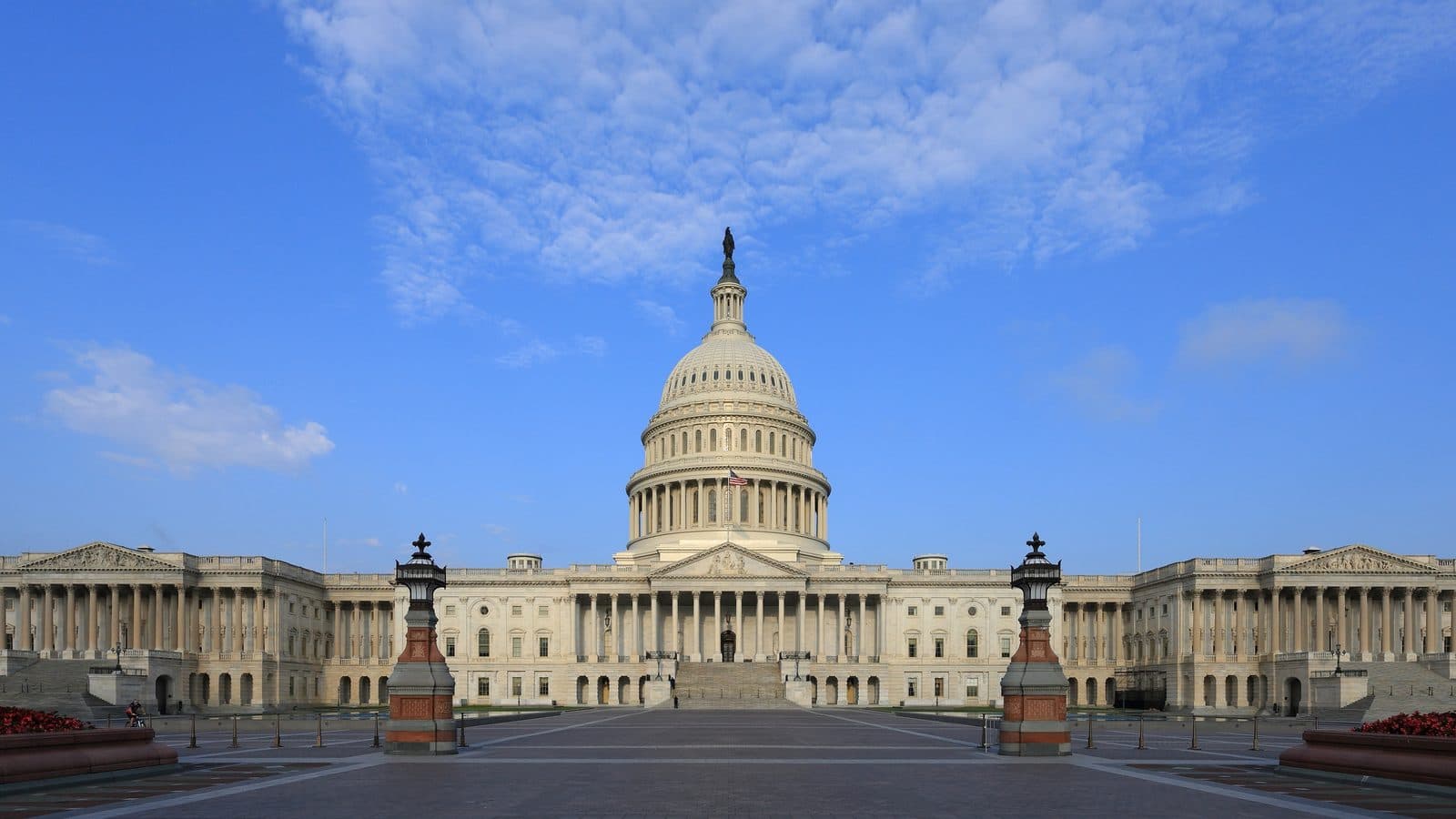
The U.S. Securities and Exchange Commission headquarters in Washington, D.C. Photo: AgnosticPreachersKid / Wikimedia Commons (CC BY-SA 3.0).
Tags
Frequently asked questions
- What is the SEC's Innovation Exemption?
- It is a temporary, conditional order the SEC issued on September 17, 2026 that exempts qualifying Tokenized Securities Venues from the Exchange Act definition of 'exchange' so they can host secondary trading of tokenized National Market System stock, plus a parallel 'dealer' exemption for liquidity providers using their own capital. It expires on September 17, 2031.
- Which securities are covered by the exemption?
- It applies to National Market System stock, generally U.S. exchange-listed equities and certain exchange-traded products, and excludes options, rights and warrants. Tokens must represent the actual stock with full dividends, voting, liquidation and proxy rights; synthetic tokens, security-based swaps, linked securities and SPV-wrapper interests do not qualify.
- Would Robinhood's Stock Tokens qualify for the exemption?
- No. Robinhood describes its Stock Tokens as 'tokenized debt securities' that provide economic exposure but no legal or beneficial rights in the underlying issuer, which falls outside the order's requirement that a token convey the same interest as the traditionally formatted stock.
- Why does the 30-day issuer opt-out matter?
- Before a venue can list a stock tokenized by an unaffiliated third party, it must notify the underlying issuer and wait at least 30 days. If the issuer objects during that window, the venue cannot list the token, giving public companies a time-bounded veto over third-party tokens tied to their shares.

TPW Editorial
Editorial Team
TechPastWeek's editorial team reports and edits every story we publish. We research each piece against primary and credible secondary sources, and a human editor reviews and signs off before it goes live.