RuneScape: Dragonwilds Lands on Consoles, a First for the 25-Year-Old Franchise
Jagex launched RuneScape: Dragonwilds on PS5, Switch 2 and Xbox on 15 September 2026, the franchise's first console release in 25 years, with cross-play.

On this page
Key takeaways
- Jagex launched RuneScape: Dragonwilds on PC, PlayStation 5, Nintendo Switch 2 and Xbox Series X|S on 15 September 2026, the first console release in the RuneScape franchise's 25-year history.
- The game sold more than 1.5 million copies during Steam Early Access, which began on 15 April 2025, according to Jagex.
- It launched day one on Xbox Game Pass (Premium, Ultimate and PC tiers) and PlayStation Plus (Extra and Premium), with full cross-play across every platform.
- The same-day Scorned Wilderness update concluded the Kuldra Saga, the game's opening narrative arc, as the fourth major content release.
- The Digital Standard Edition costs £24.99/$29.99, with physical Standard and Deluxe editions dated 5 November 2026.
On 15 September 2026, Jagex released RuneScape: Dragonwilds on PC, PlayStation 5, Nintendo Switch 2 and Xbox Series X|S, ending a Steam Early Access run that began in April 2025. The launch is the first time a RuneScape game has appeared on any console in the series' 25-year history.
Related reading: Valor Mortis Launches Into a Crowded October, and Reviewers Mostly Approve · 'Xbox is not for sale,' CEO Asha Sharma says as the division sheds studios and staff.
The Cambridge, UK studio said the game sold more than 1.5 million copies during Early Access and shipped its fourth major content update, Scorned Wilderness, on the same day, bringing the game's opening story arc to a close. It also put the title on two subscription libraries at once, arriving day one on Xbox Game Pass and PlayStation Plus.
For a franchise best known for a browser MMO that predates the modern console era, the release is less a port than a test of whether RuneScape can exist as something other than a keyboard-and-mouse ritual.
A 25-year-old franchise tries a different room
RuneScape launched in 2001 as a free-to-play browser game and grew into one of the longest-running online role-playing worlds, later split into the modern RuneScape and the preservation-minded Old School RuneScape. Jagex says the franchise has welcomed more than 300 million player accounts and describes 2026 as its 25th year.
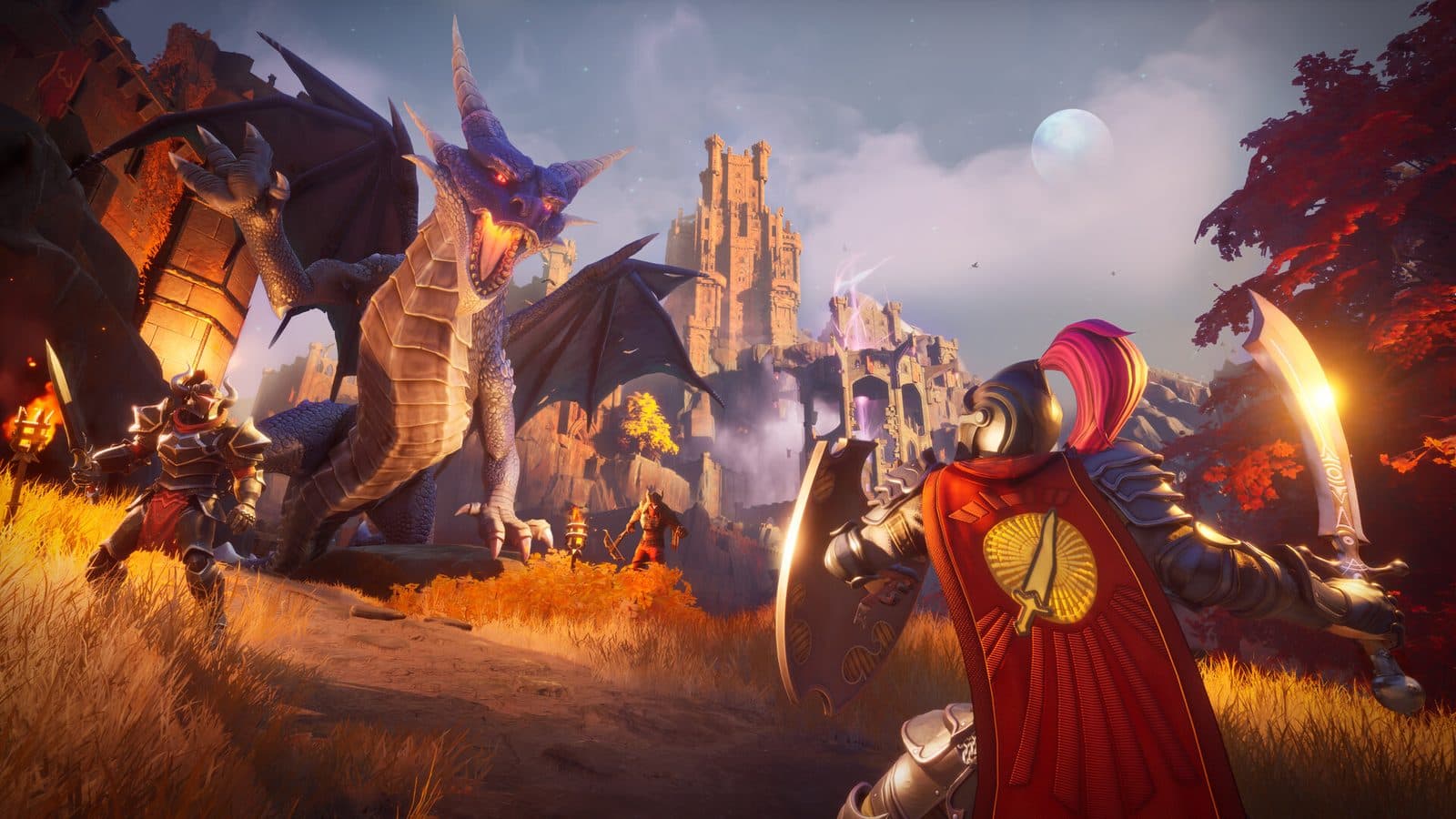
Dragonwilds is a deliberate departure. It is not the MMO. It is a separate, open-world survival and crafting game set on Ashenfall, a previously unseen continent in the world of Gielinor, where players gather resources, level skills and fight dragons solo or in a team of up to four. Jagex calls it the "third pillar" of the franchise, alongside the two existing online games.
That framing matters because the two RuneScape MMOs were built around a desktop interface and a subscription or microtransaction economy. Dragonwilds was designed for a controller and a living-room screen as much as a keyboard, a different technical and design problem that Jagex has now solved in public.
What launched: The 1.0 release arrived simultaneously on PC (Steam, Epic Games Store and the Jagex Launcher), PlayStation 5, Nintendo Switch 2 and Xbox Series X|S. Jagex confirmed cross-play across all four platforms, and Switch 2 players can use Nintendo's Game Chat feature while playing.
Early Access by the numbers
Dragonwilds entered Steam Early Access on 15 April 2025 and spent roughly 18 months there, Jagex said. The company reported more than 1.5 million copies sold over that period, up from the "over one million" it cited when the console date was announced in June 2026.
The Steam store page lists the game at 82 percent positive across 23,469 English-language reviews, a "Very Positive" overall rating, with the most recent 1,842 reviews at 74 percent positive. Those numbers move daily, but they suggest a well-liked game with some friction at the finish line, a common pattern when a long-running Early Access project changes under returning players.
Jagex expanded the game through three major updates before 1.0: Fellhollow in December 2025, Dowdun Reach in March 2026, and Umbral Sands in the summer of 2026. The fourth, Scorned Wilderness, shipped to every platform on launch day and resolves the Kuldra Saga, the conflict with Kuldra, the God-Eater dragon queen.
Why a console release is a real shift for a live-service game
Survival-crafting is one of the most PC-native genres in gaming. Minecraft, Rust, Valheim, ARK and Palworld built their audiences around mods, dedicated servers and long keyboard sessions. Porting that kind of game to consoles is not a visual downgrade exercise; it is a controls and community exercise, because the genre depends on fast inventory management, building and persistence across sessions.
Console versions also change who can play. A four-player co-op game that lives only on PC excludes the large share of players who own a PlayStation or an Xbox and rarely buy games there. Cross-play addresses the matchmaking problem on the other side too: a smaller console population can still fill sessions if it shares a pool with PC.
For Jagex, the console launch is also a hedge. A 25-year-old MMO faces an aging audience and a declining pool of newcomers willing to learn a 2001-era interface. A standalone survival game with a modern control scheme, a self-contained story and a console release is a way to reach players who have never touched Gielinor. The company has said it wants RuneScape to become a broader ecosystem rather than a single online world.
There are precedents for the strategy. Square Enix's Final Fantasy XIV rebuilt itself and then spread across PlayStation and, in 2024, Xbox. The Elder Scrolls Online launched on consoles in 2015 and treated them as first-class platforms. Those games are MMOs, but the lesson carries: a live-service title that adds consoles roughly doubles its potential addressable audience at a fraction of the development cost of a sequel.
Porting also carries a cost that launch-day messaging tends to gloss over. A survival game's systems are dense: crafting grids, skill trees, storage management and multi-step quests that assume a mouse. Rebuilding those for a gamepad, then keeping four platforms in sync for every update, multiplies the testing surface. Jagex has promised monthly content, which means console builds must track patches that once shipped only to Steam. That ongoing burden, not the initial port, is where console versions of live games often stumble.
The genre's commercial appeal explains the effort. Survival-crafting turns a single purchase into years of engagement: players return for seasonal drops, build communities around persistent worlds and buy cosmetic items long after the story ends. The biggest hits, from Minecraft to Palworld, have shown that a modest launch can compound. Jagex is applying that logic to a brand with an unusually loyal following, and it now has console and subscription discovery on its side.
The counter-argument is demographic. RuneScape's core audience grew up with the game and is now in its thirties and forties. A new survival title is partly aimed at their children and at players who never touched an MMO. Whether the RuneScape name helps or hurts with that group is untested; to a teenager who has never opened a browser game, Ashenfall is another survival world competing for attention against established rivals.
The day-one subscription bet
The more unusual decision is where Dragonwilds landed on day one. The game was available at launch through Xbox Game Pass on the Premium, Ultimate and PC tiers, and through PlayStation Plus on the Extra and Premium tiers for PlayStation 5, according to Jagex's announcement.
Day-one launches on a subscription catalog trade immediate unit sales for reach. Microsoft and Sony typically pay a licensing fee or revenue guarantee to secure a title, then count on retention and engagement to justify it. For the publisher, the upside is a burst of players who would not have paid £24.99 on release week; the downside is that some of the people who would have bought the game now get it as part of a subscription they already pay for.
For a game with an in-game item shop and a paid Deluxe upgrade, that trade can work. More players extend the life of the servers, improve matchmaking and increase the odds that some of them buy cosmetic content later. The risk is front-loaded: if subscriber interest fades after the first month, the launch spike can obscure a weaker underlying demand picture.
The structure cuts both ways. Game Pass and PS Plus give Dragonwilds placement that money cannot easily buy, on the same menu as hundreds of other games. Standing out inside a subscription library is its own problem, and a title that a friend does not recommend can be opened once and never returned to.
Reading the value: A day-one Game Pass or PS Plus listing is not free money. Platform holders negotiate a fee, and the publisher bets that engagement and downstream spending outrun the sales it gives up. For a younger live-service title still proving its retention, the bet is often worth taking.
Early Access to 1.0, and after
Jagex held the price steady. The Digital Standard Edition is £24.99/$29.99 and the Digital Deluxe Edition is £33.49/$39.99, unchanged from Early Access, the company confirmed in September. Retail physical Standard and Deluxe editions are dated 5 November 2026, priced at £29.99/$34.99 and £59.99/$64.99, per the launch press release's pricing notes, with the platform listing differing between versions of the release.
The 1.0 label does not end development. Jagex has confirmed a post-launch update called "Luminance" for December 2026, with a fuller 2027 roadmap to be revealed at RuneFest, the franchise's fan event, in October.
That cadence is now standard for the genre, and it changes what "release" means. A survival game's 1.0 is less a finish line than a marketing moment that converts an Early Access audience into a retail audience while reassuring newcomers that the project is stable. Valheim, Palworld and Enshrouded have all followed versions of the same arc: a long, well-liked Early Access, then a formal launch that widens the platform footprint.
The lingering question is console retention. A PC survival audience is used to persistent servers and mod support; a console one is not. Whether Switch 2, PS5 and Xbox players stay past the first month will say more about the strategy than any launch-week download number.
What is not yet known: Jagex has not published post-launch sales, player counts or Game Pass engagement figures. The 1.5 million figure covers Steam Early Access only. Physical edition platforms also differ between versions of the press release, so treat the retail lineup as provisional.
What to watch
Three signals will define the next year for Dragonwilds. The first is whether Jagex releases post-launch player or sales data, which would show how much of the audience arrived through subscriptions rather than purchases. The second is the December Luminance update and the October RuneFest roadmap, which will hint at how long the game's live-service tail is meant to run. The third is the wider reading: if a 25-year-old MMO brand can sell a survival game to console and subscription players, other long-running online franchises with aging desktop audiences will notice.
For readers tracking the business of games, the launch is a compact case study in three trends at once: the console porting of PC-native genres, the growing weight of subscription catalogs in release strategy, and the way a well-executed Early Access can become a franchise's front door.
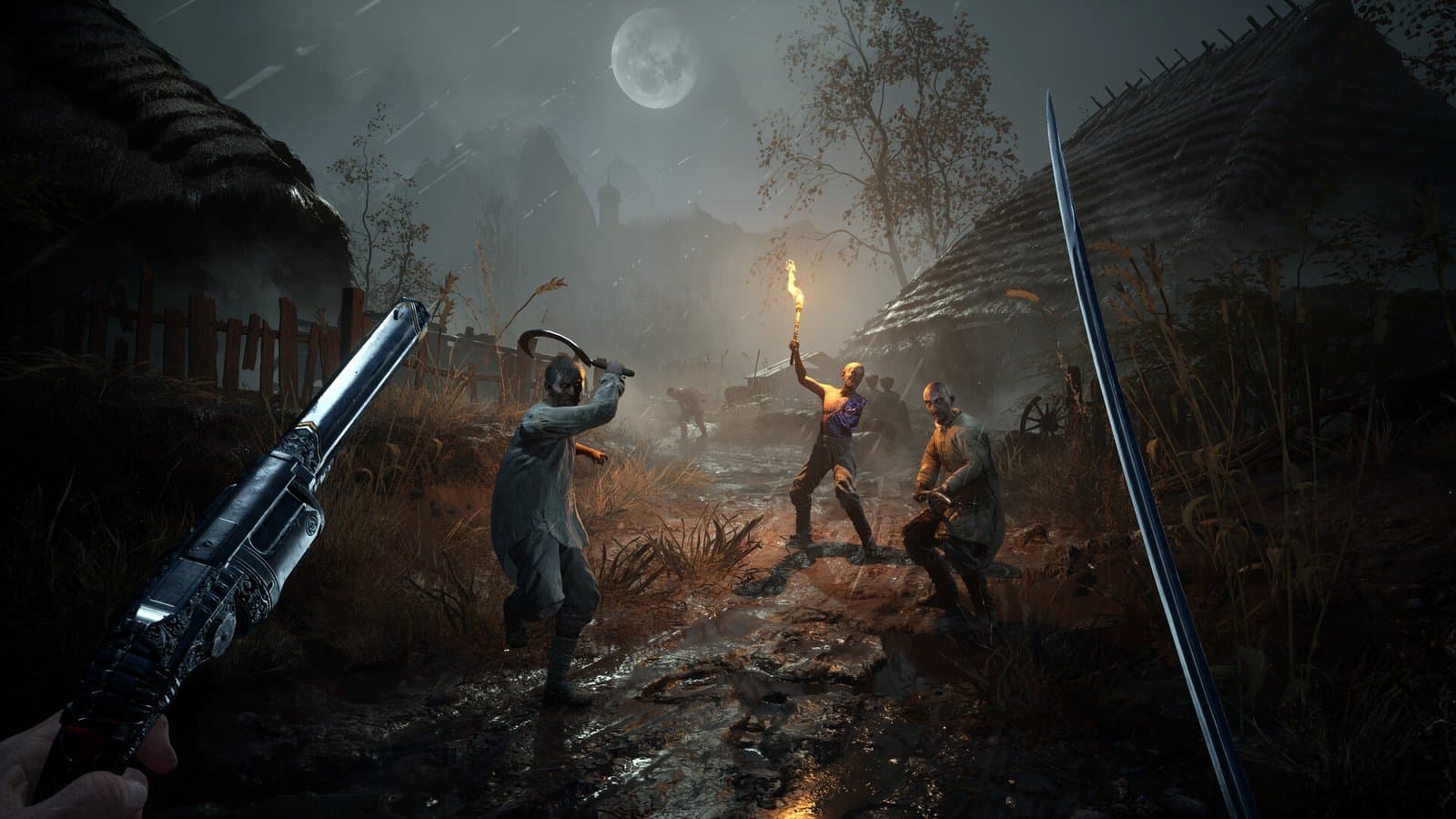
Cover: official RuneScape: Dragonwilds screenshot from the game's Steam store page, courtesy of Jagex.
Tags
Frequently asked questions
- Is RuneScape: Dragonwilds the first RuneScape game on console?
- Yes. Jagex says the 15 September 2026 launch is the first time a RuneScape title has appeared on any console platform in the franchise's 25-year history, which began with the browser-based RuneScape in 2001.
- Does RuneScape: Dragonwilds support cross-play?
- Yes. Jagex confirmed cross-play across PC, PlayStation 5, Xbox Series X|S and Nintendo Switch 2, so players on different platforms can share a session together.
- How much does RuneScape: Dragonwilds cost?
- The Digital Standard Edition is £24.99/$29.99 and the Digital Deluxe Edition is £33.49/$39.99, per Jagex's launch notes. Physical editions are priced from £29.99/$34.99 and dated 5 November 2026.
- Is RuneScape: Dragonwilds on Game Pass and PlayStation Plus?
- It was available on release day through Xbox Game Pass (Premium, Ultimate and PC tiers) and PlayStation Plus (Extra and Premium), so subscribers on those plans could play at no extra cost.

TPW Editorial
Editorial Team
TechPastWeek's editorial team reports and edits every story we publish. We research each piece against primary and credible secondary sources, and a human editor reviews and signs off before it goes live.