Unity in Talks to Sell Itself to Silver Lake and PIF at About $25 Billion
Unity has held takeover talks with Silver Lake and Saudi Arabia's PIF at a discussed valuation of about $25 billion. Nothing is signed and terms could change.

On this page
Key takeaways
- Reuters reported on 5 November 2026 that Unity held recent takeover talks with Silver Lake and Saudi Arabia's PIF at a discussed valuation of about $25 billion, with no deal signed.
- Silver Lake already owns about 8% of Unity, according to Reuters, and both firms were part of the $55 billion consortium that took Electronic Arts private in August 2026.
- Unity's market capitalisation was roughly $21.5 billion after its 5 November earnings, which puts the discussed $25 billion valuation about 16% higher.
- Unity reported Q3 2026 revenue of $622.1 million, up 32.2% year on year, and called it the first GAAP profitable quarter since its 2020 IPO.
- Unity shares rose 22.8% on the results before the Reuters report added about 4% in extended trading.
Unity Software has held talks with Silver Lake and Saudi Arabia's Public Investment Fund about a takeover that would value the game engine company at about $25 billion, according to a Reuters report published on 5 November 2026. The discussions took place in recent weeks, and Unity has hired an investment bank to review its options. No price has been agreed and no deal is certain. Reuters said the terms may change.
Related reading: Google Launches Playground, an AI Platform That Builds Playable Games From Prompts · Unity Ships a First-Party Plugin That Puts Claude Code in the Editor.
The report landed after a day in which Unity's shares had already risen 22.8% on quarterly results, and they added about 4% in extended trading once the takeover story appeared. The Verge summarised the report within minutes. For a company that has spent recent quarters selling businesses and resetting its portfolio, the timing is unusual: the takeover talk and what Unity called its strongest quarter ever arrived on the same afternoon.
What Reuters reported
Reuters said the consortium includes Silver Lake, which already owns about 8% of Unity, and PIF, the Saudi sovereign wealth fund. The group discussed a valuation of about $25 billion before Unity reported earnings on 5 November. Unity is working with an investment bank to evaluate its options, and the report gave no timetable, no financing details and no indication that a formal offer exists.
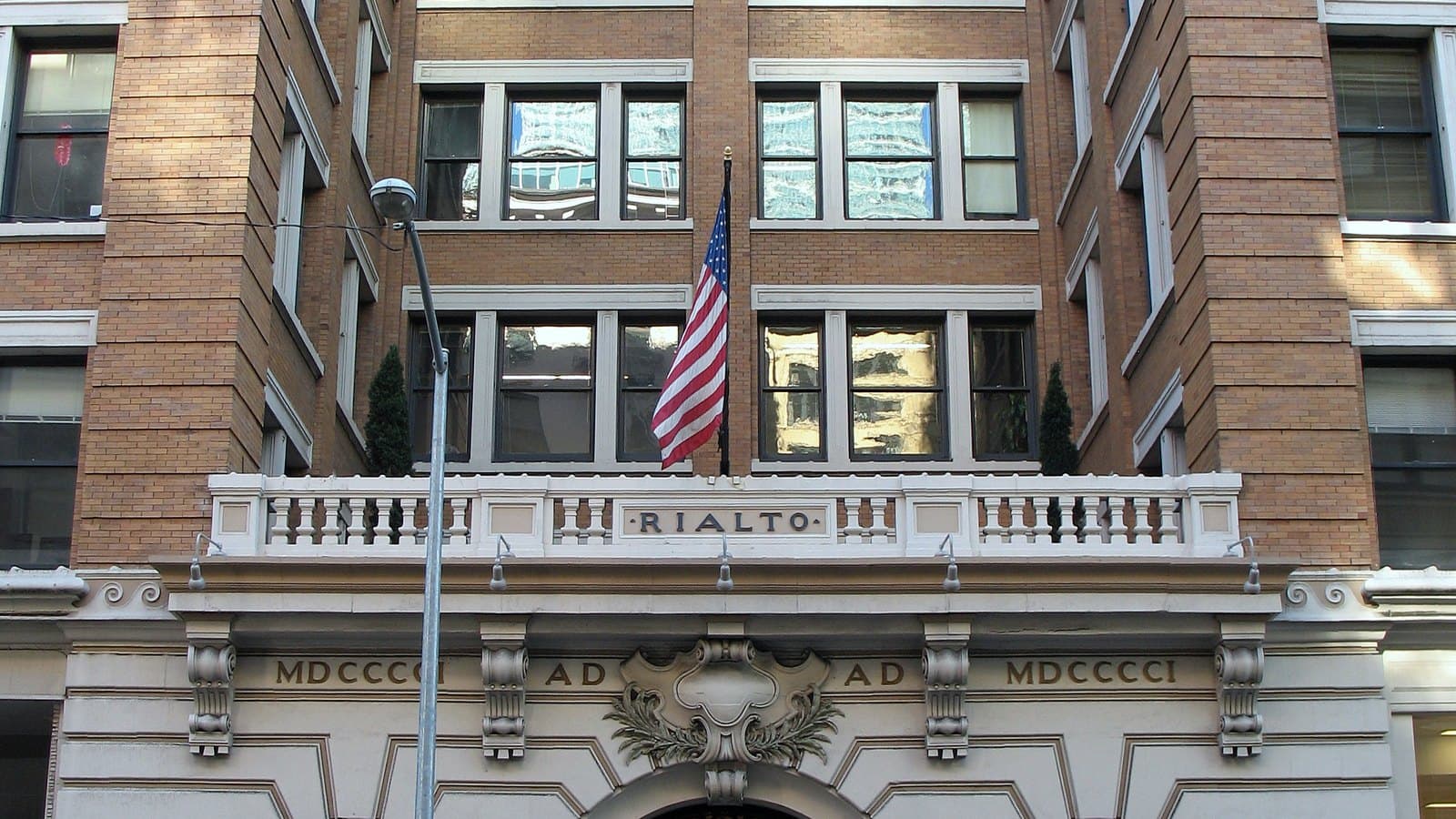
Unity is based at 116 New Montgomery Street in San Francisco and was founded in Copenhagen in 2004. A take-private would end its run as a public company. In that structure, the buyers pay existing shareholders for their stock, take the company off the market and run it as a private business. Reuters did not say how Silver Lake's existing 8% stake would be treated in a sale.
Unity has been public since its 2020 IPO. Going private would remove the quarterly filings and earnings calls that currently give developers, investors and competitors a read on the business. It would also put the company under owners with a different time horizon from public shareholders, which is the part that matters most for anyone shipping a game on the engine.
The premium depends on which day you price it
At $25 billion against a market capitalisation of roughly $21.5 billion after the results, the gap is about 16%. That is the premium on offer for a company being asked to give up public ownership, and it is much smaller than the headline comparison suggests.
The reason is the 22.8% jump. The $25 billion was discussed before the earnings report, while the $21.5 billion reflects the post-earnings share price. Reverse the jump out of the market value and Unity was worth roughly $17.5 billion before the results, which would make $25 billion about 43% higher. Both calculations are rough: Reuters did not say whether its valuation refers to equity or enterprise value, and market capitalisation is a snapshot that moved again after hours.
The difference matters to a board deciding whether to negotiate. Shareholders could reject a 16% premium over the current price. A 43% premium over the price before the quarter is a different proposal, though it also reflects how much of the gain the buyers missed by negotiating early.
A strong quarter landed underneath the talks
Unity reported revenue of $622.1 million for the quarter ended 30 September 2026, up 32.2% year on year and ahead of the $567.3 million analysts expected, according to StockStory. Adjusted earnings per share were $0.44 against a $0.35 consensus. Adjusted EBITDA was $256.6 million, a 41.2% margin, against $189.5 million expected.
On a GAAP basis, Unity reported net income attributable to the company of about $121.2 million, or $0.25 per diluted share. Unity called it the first GAAP profitable quarter since its 2020 IPO. That description comes from the company's own release, covers one quarter and sits alongside non-GAAP figures that exclude stock-based compensation and other costs.
Vector, Unity's advertising business, grew revenue 126% year on year and 40% quarter on quarter after Unity completed the sale of Supersonic on 4 August 2026. Guidance for the fourth quarter put adjusted EBITDA at $292.5 million at the midpoint, against a $209.3 million consensus. The company also held $2.65 billion in cash and restricted cash at the end of September.
A board negotiating a price now has a quarter of evidence that the business can grow and produce a GAAP profit. That does not settle what Unity is worth, and it does not explain why the company would sell. Reuters did not report the board's reasoning, and Unity has not commented publicly on the talks.
The obvious question is why a company coming off its best quarter would consider going private at all. One plausible answer is that a private buyer values Unity's advertising and engine businesses together more highly than the public market does, and can hold both through a slow advertising cycle. That is an assessment, not something Reuters reported. Another is that a buyer with an existing stake and a long hold period can offer the board certainty that the public market has not.
What the report does and does not say
The Reuters story describes talks, not a signed deal. The $25 billion figure is a valuation discussed before Unity's earnings, not a formal offer price, and no price has been agreed. Market capitalisation is a single-day snapshot after a 22.8% move, and the 8% Silver Lake stake is Reuters' figure. Unity's Q3 numbers are company-reported and unaudited, adjusted EBITDA and adjusted EPS are non-GAAP measures, and "first GAAP profitable quarter since IPO" is the company's own description. No regulatory filing or timetable has been reported.
What a take-private means for game developers
Unity's engine sits under a large share of mobile, indie and live-service games, and the company also sells advertising and monetisation tools. A change of ownership does not change the code, but it changes who sets the terms around it.
- A private Unity would stop filing quarterly reports and holding earnings calls. Developers would lose the public window on revenue mix, pricing and advertising performance that currently lets them judge where the company is heading.
- Private owners can accept a longer payback than public shareholders, which may mean more patience for engine work that takes years to pay off. It can also mean more debt, and debt has to be serviced out of the same revenue that funds the engine.
- Subscription tiers and any runtime fee are set by the owner. No terms have been discussed publicly, and none of the reporting describes conditions attached to a deal.
- Vector is now the growth story inside Unity. Whether a private owner keeps advertising attached to the engine, or separates the two businesses, is the decision most likely to change what developers are sold.
- Support, minimum contract sizes and education pricing are the parts of a software business that come under pressure when an owner looks for margin. Whether they survive a debt-heavy structure is an open question.
A takeover at $25 billion would need financing. In a leveraged buyout, the acquired company typically carries much of the debt, and the interest is paid out of its revenue. A private Unity with a larger debt load would have less room to absorb a bad year in mobile advertising than a public Unity with $2.65 billion in cash.
Silver Lake and PIF already own EA
The same two firms named in the Unity talks were part of the group that took Electronic Arts private for $55 billion, a deal that closed in August 2026 with Affinity Partners. Silver Lake and PIF are therefore positioned to own a major publisher and, if the talks succeed, a major supplier of engine and advertising infrastructure to the rest of the industry.
EA is one of the largest game publishers. Unity's customers include thousands of studios, many of which compete with EA for players. Putting a publisher and a toolmaker under related ownership does not create an automatic conflict, because they sell different things. It does mean the same investors can sit on both sides of a developer relationship: the studio paying Unity for an engine and ads may also be competing with a game owned by Unity's owners.
That is the kind of overlap competition regulators examine, and any deal would face regulatory review. Reuters did not report a filing or a review. PIF's role adds a political dimension that a purely domestic buyout would not have: a Saudi state fund owning part of a widely used game engine could draw attention in Washington, though no review has been reported.
What to watch
A definitive merger agreement or a regulatory filing would move the story from report to event. Neither has appeared. Reuters named one consortium, and a public company in play can draw a second bidder, so a rival approach is the next thing to check.
Financing will shape the outcome more than the headline number. A $25 billion take-private would need committed debt, and the terms of that debt, plus how much of it lands on Unity's balance sheet, would decide how much room the company has in a weak advertising year.
The fourth quarter is the other test. Guidance of $292.5 million in adjusted EBITDA at the midpoint would show whether the Q3 beat was a turning point or a single good quarter, and a private buyer would read the results as closely as public shareholders do.
For developers, the practical question is narrower than the price. Who sets engine pricing after a deal, and whether the advertising business stays attached to the tools they already use, will matter longer than whether the valuation is $25 billion or $21.5 billion. Nothing in the Reuters report answers either question.
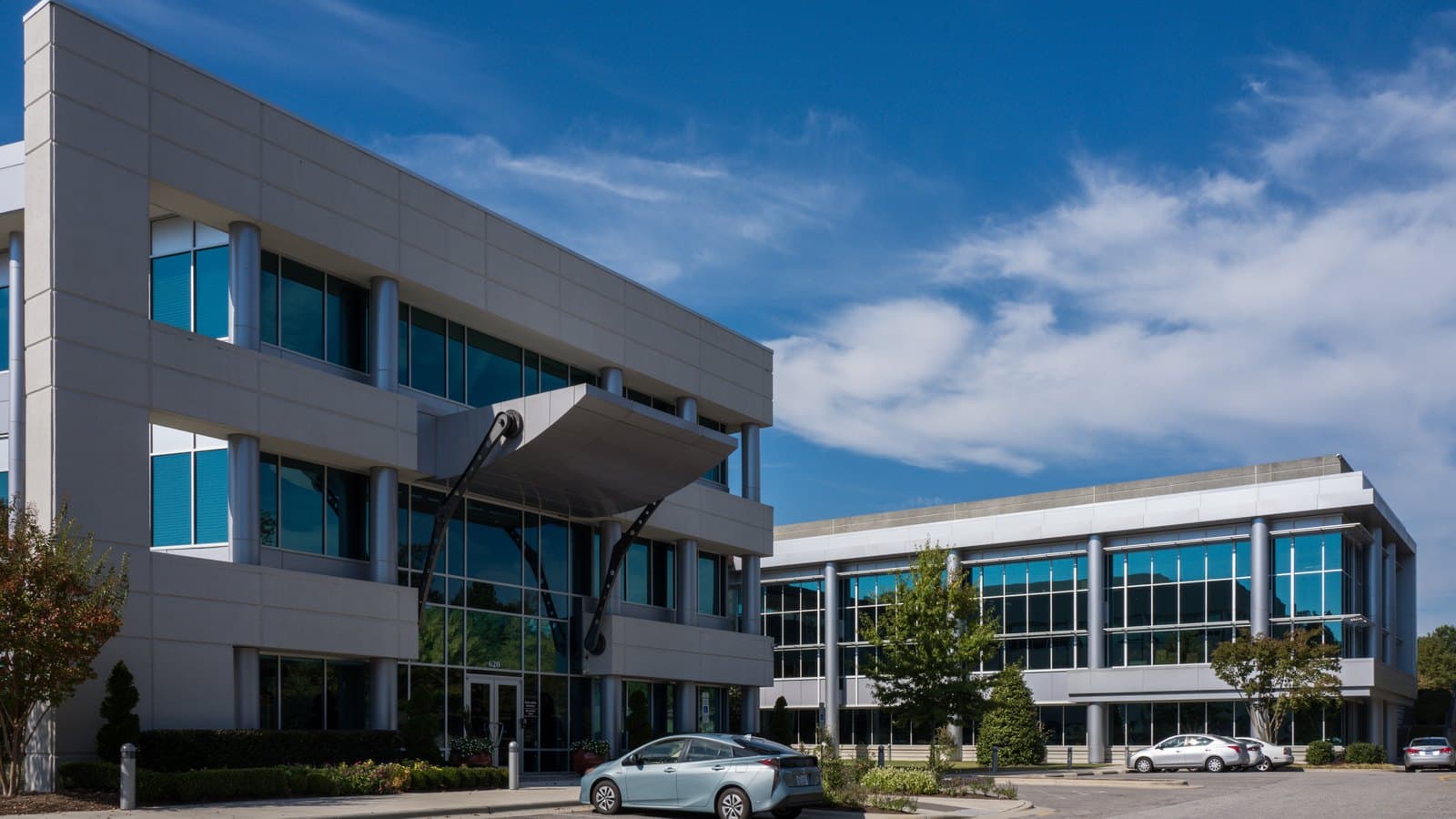
Cover image: the Rialto Building, 116 New Montgomery Street, San Francisco, by Sanfranman59, CC BY-SA 3.0, via Wikimedia Commons.
Tags
Frequently asked questions
- Is Unity being acquired?
- Not yet. Reuters reported on 5 November 2026 that Unity has held recent talks with Silver Lake and PIF about a takeover, but no price has been agreed and no deal is certain. Unity has hired an investment bank to review its options.
- How much is the Unity takeover worth?
- The consortium discussed a valuation of about $25 billion before Unity's 5 November earnings report. That is a discussed figure rather than a formal offer price, and Reuters did not say whether it refers to equity or enterprise value.
- Who is trying to buy Unity?
- The reported consortium includes the private equity firm Silver Lake, which already owns about 8% of Unity, and Saudi Arabia's Public Investment Fund. Both were part of the group that took Electronic Arts private for $55 billion in August 2026.
- What would a take-private mean for game developers?
- A private Unity would stop publishing quarterly results and would answer to a small group of owners instead of public shareholders. Developers would still license the same engine, but pricing, support for smaller studios and the bundling of Unity's advertising business would be decisions made without the disclosure a public company provides.

TPW Editorial
Editorial Team
TechPastWeek's editorial team reports and edits every story we publish. We research each piece against primary and credible secondary sources, and a human editor reviews and signs off before it goes live.