Amazon Looks to Offload $8 Billion of Nvidia Chips Through a Financing Vehicle
Amazon is seeking outside investors for a vehicle holding about $8 billion of Nvidia chips, the Financial Times reported, as AI compute moves onto debt markets.

On this page
Key takeaways
- Amazon is seeking external investors for a financing arrangement involving about $8 billion of Nvidia chips, the Financial Times reported on October 2, 2026.
- Under the reported structure, thousands of Nvidia Grace Blackwell chips installed in Amazon data centers would be placed in a special-purpose vehicle and leased back to Amazon for use in its US data centers.
- The vehicle would raise debt from investors, with Amazon offering an equity interest of up to 10% and retaining no equity stake itself, according to the report.
- The chips are installed across more than a dozen US data centers in five states, including Nevada and Virginia.
- Amazon expects capital expenditure of roughly $220 billion this year, and the FT said borrowing by major tech companies could reach as much as $1 trillion by 2030.
Amazon is looking for outside investors to hold about $8 billion of advanced Nvidia chips, according to a Financial Times report, in a structure that would let the company keep using the hardware while moving its full value off the balance sheet.
Related reading: SpaceX in Talks to Raise $40 Billion to Buy Nvidia AI Chips · Nvidia's DSX POD Turns an AI Factory Into a Shipping Container.
The report was published on October 2, 2026 and is attributed to people familiar with the matter. Amazon has not confirmed a completed deal, and no final agreement has been reported. Reuters and Bloomberg relayed the FT's account; neither outlet added independent confirmation, and Amazon did not publicly affirm or deny the arrangement.
The details, if accurate, describe a new way for a cloud company to pay for the chips that run AI.
The structure the FT described
According to the Financial Times, thousands of Nvidia Grace Blackwell chips installed across Amazon data centers would be placed into a special-purpose vehicle, or SPV. Amazon would then lease the chips back for use in its US data centers rather than hold the full hardware value itself. Reuters summarized the plan the same way.
The vehicle would raise money from investors through debt issuance, with Amazon offering an equity interest of up to 10%, according to the FT and Tech Startups. Amazon would not retain an equity stake in the vehicle.
The chips are not concentrated in one site. They are installed across more than a dozen US data centers in five states, including Nevada and Virginia, per the Yahoo Finance summary of the report. That spread matters for the financing, because it distributes the hardware across facilities and makes the asset pool closer to a diversified portfolio than a single project.
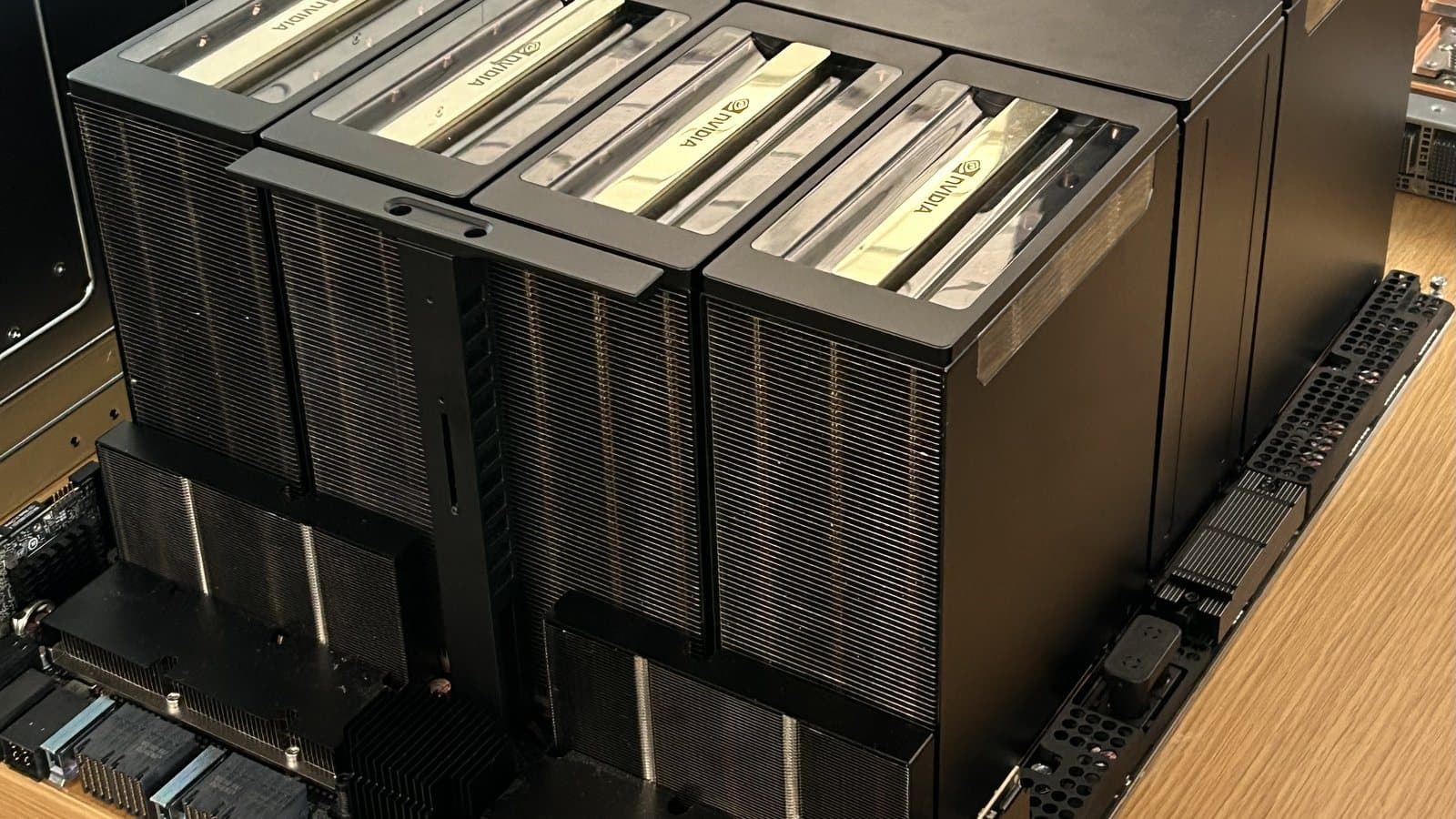
Grace Blackwell is Nvidia's current generation of data-center GPUs, the class of chip that trains and runs large AI models. An $8 billion pool is a small slice of Amazon's total AI infrastructure, but it is large enough to test whether investors will treat GPUs as collateral.
Why lease instead of own
The appeal is a balance-sheet question. Amazon expects capital expenditure of roughly $220 billion this year, much of it going to AWS, chips and AI infrastructure, according to the Yahoo Finance and Tech Startups accounts. The company has already raised money in corporate bond markets.
Buying that hardware outright consumes cash and adds to the assets and depreciation on the books. Leasing it back through an outside vehicle changes the accounting and the cash timing. Amazon still pays for the use of the chips, but it does not fund the whole purchase up front and does not carry the full asset value.
For a company spending at Amazon's scale, moving even a few billion dollars of equipment to a third party is a way to keep capital flexible. The trade-off is a long-term payment obligation. The FT report does not say how long the lease would run or what rate Amazon would pay.
Leasing hardware is routine in the technology industry. Companies lease servers, network gear and entire data-center halls, and sale-leaseback deals are common when a business wants cash without selling an operating asset outright. What is different here is the collateral. A vehicle built around GPUs is a narrower bet than a data-center sale-leaseback, because the thing being financed is the accelerator rather than the building that houses it. If investors accept the structure, it gives Amazon and its peers a repeatable way to fund each generation of silicon without carrying the entire purchase on the books.
What an SPV is for
A special-purpose vehicle is a separate legal entity set up for a single transaction. Here it would hold the chips, borrow against them, and lease them to Amazon. The structure keeps the financing at arm's length from Amazon's main balance sheet, which is the point.
GPUs as an emerging asset class
The FT framed the plan as part of a shift in how the industry treats AI hardware. Rather than a piece of equipment that a company buys and depreciates, a GPU can be modeled as an income-producing asset, similar to an aircraft or a commercial building, because it can generate revenue through the compute it provides.
That analogy is the financial core of the story. Aircraft lessors exist because planes have long useful lives and predictable lease revenue. Real-estate financing works the same way. The pitch for a GPU vehicle is that lease payments and steady compute demand give the hardware a value that can be financed.
The analogy also has limits. A plane can fly for decades and has a well-established resale market. An AI accelerator depreciates fast, and the top of the market turns over with each Nvidia generation. Whether banks and investors accept GPUs as durable collateral is the open question the Amazon report tests.
The economics depend on utilization. A leased chip only services its debt if it stays busy enough to earn compute revenue, or if the operator's lease payments cover the cost regardless of how hard the hardware works. Because Amazon would be both the operator and the lessee, the vehicle's health would rest on a single customer's commitment. That concentration is easier to finance when the customer is an established cloud business, and harder if that customer's own AI spending slows.
Residual value is the risk
The structure depends on the chips holding enough value over the life of the lease. If AI demand cools or newer chips make Grace Blackwell less competitive sooner than expected, the asset backing the vehicle's debt is worth less than planned.
The Anthropic and Broadcom template
Amazon's reported plan did not arrive alone. A day earlier, on October 1, Anthropic disclosed that Broadcom had agreed to lend it up to $42 billion to finance computing tied to a five-year chip leasing commitment, covering roughly one-third of Anthropic's $125.2 billion commitment, according to Tech Startups. That deal ties a chip supplier's financing directly to a customer's long-term purchase commitment.
The pattern is sometimes called circular financing, because the companies selling or supplying AI hardware are increasingly involved in funding the buyers. The concern is that headline demand and the capital behind it come from the same circle, which can flatter the picture if underlying end demand is weaker than it looks.
Not every arrangement fits that label neatly. A lease to a creditworthy hyperscaler with real data centers is not the same as a speculative purchase. Still, vendor-linked financing means a growing share of the AI buildout is funded by the companies that supply and use it.
The $1 trillion borrowing forecast
The scale of the financing wave is the context for all of this. The FT said borrowing by major technology companies could reach as much as $1 trillion by 2030 as data-center spending climbs, according to Bloomberg and Tech Startups.
If that forecast holds, the money funding AI compute will increasingly come from debt markets rather than retained earnings. That shifts risk. Bondholders and lease investors take on the downside of an asset class whose useful life is still being measured, while the operators keep the upside if demand keeps climbing.
An $8 billion pool of Nvidia chips, financed by outside investors and leased back to Amazon, would test whether the market accepts GPUs as the kind of asset that can carry structured debt.
What it means for the chip supply chain
For Nvidia, the arrangement matters less as a sale than as a signal. The chips in question have already been bought; the open question is who holds them and who carries their declining value. Financing that keeps GPUs in service without forcing a buyer to fund the whole purchase supports demand at the margin, because it lowers the cash barrier to adding capacity. It also ties more of that demand to credit markets, which can tighten faster than compute demand changes. If lenders turn cautious, the financing channel narrows even when the appetite for AI capacity does not.
What could go wrong
The clearest risk is a downturn in AI demand. If utilization falls, lease payments become harder to cover from compute revenue, and the resale value of older accelerators drops. The vehicle's investors, not Amazon's general balance sheet, would absorb more of that loss, which is the reason to build the structure in the first place.
A second risk is valuation. A chip is worth most at the start of its life, and its resale price falls as newer parts ship. If a vehicle financed the hardware near its peak value and the lease term ran past its competitive window, the debt could outlast the usefulness of the asset. That mismatch has hurt investors in other kinds of fast-depreciating equipment, and it is one reason any debt issued against GPUs would likely carry a premium.
There is also a transparency cost. Moving hardware into an SPV can make a company's true exposure to AI hardware harder to see from the outside. Accounting rules may require disclosure of the lease obligation, but the asset and the debt sit in a separate entity.
And the plan is not a completed transaction. It depends on finding investors willing to price the risk.
Caveats
Everything here rests on a single reported account. The FT's story is based on people familiar with the discussions, and it describes a plan under discussion rather than a signed deal. Amazon has not confirmed it. The names of investors, the interest rate on the debt, the length of the lease and the exact number of chips are not public.
Bloomberg, Reuters, Yahoo Finance and Tech Startups repeated the FT's reporting, which strengthens the record that the report exists. It does not independently verify the terms. Treat any specific figure beyond the ones the FT published as unconfirmed.
What to watch
Three signals will show where this goes.
- Whether the vehicle closes, and on what terms. A completed deal with named investors would confirm that the market is willing to finance GPUs directly. A quiet shelving would say the opposite.
- Whether other hyperscalers copy the structure. Microsoft, Google and Meta face the same balance-sheet pressure. If leasing vehicles spread, this becomes a standard tool rather than a one-off.
- The health of AI demand. Nvidia's next earnings, hyperscaler capital-expenditure guidance and the secondary market for used accelerators will all feed into how investors price this kind of debt.
The defensible reading is narrow. Amazon is reported to be exploring a way to use other people's money to hold hardware it intends to keep using. The account comes from the Financial Times and was relayed by Reuters, Bloomberg and others, but it is not a deal. Until the vehicle is signed, the $8 billion figure is a proposal.
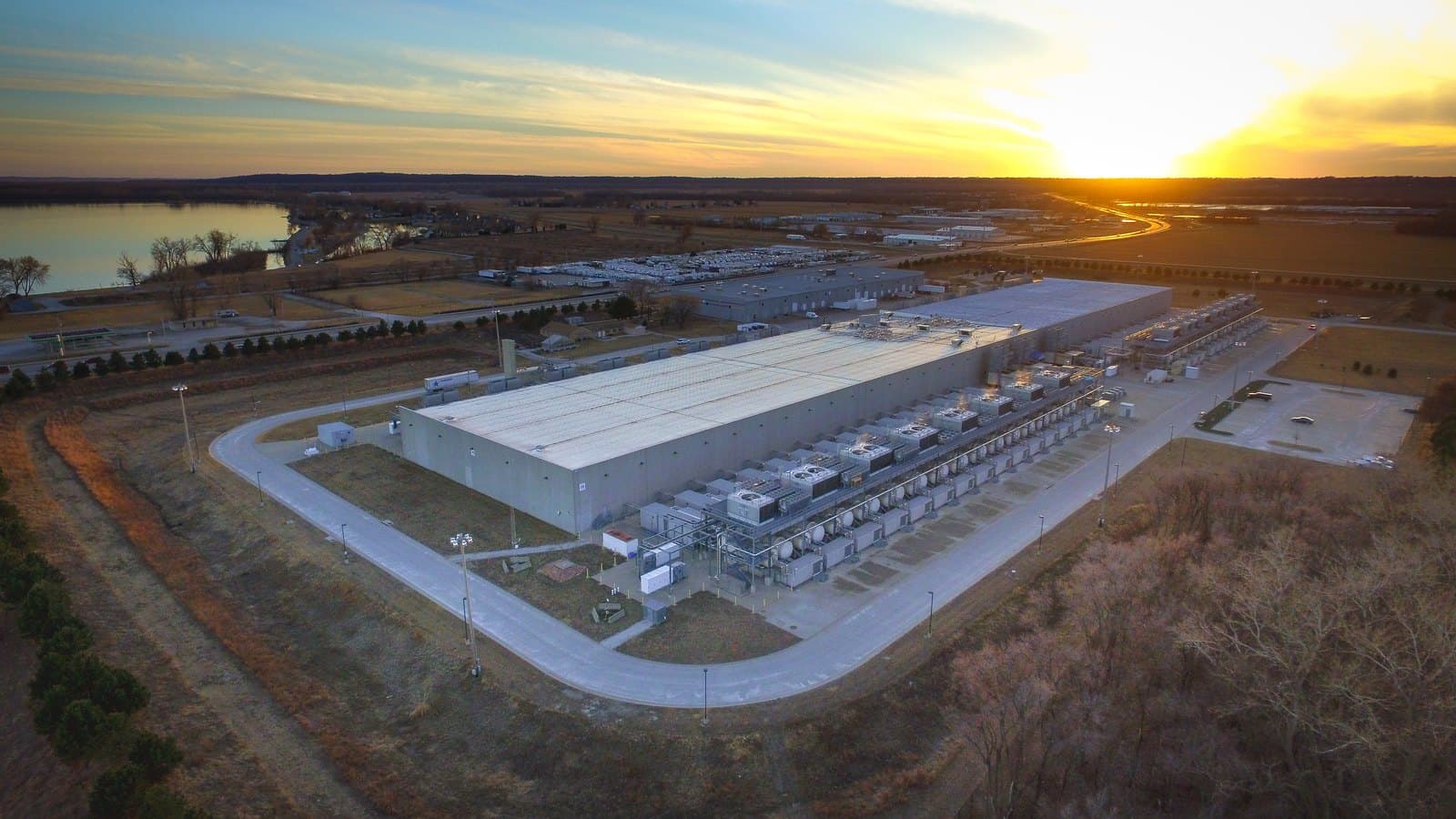
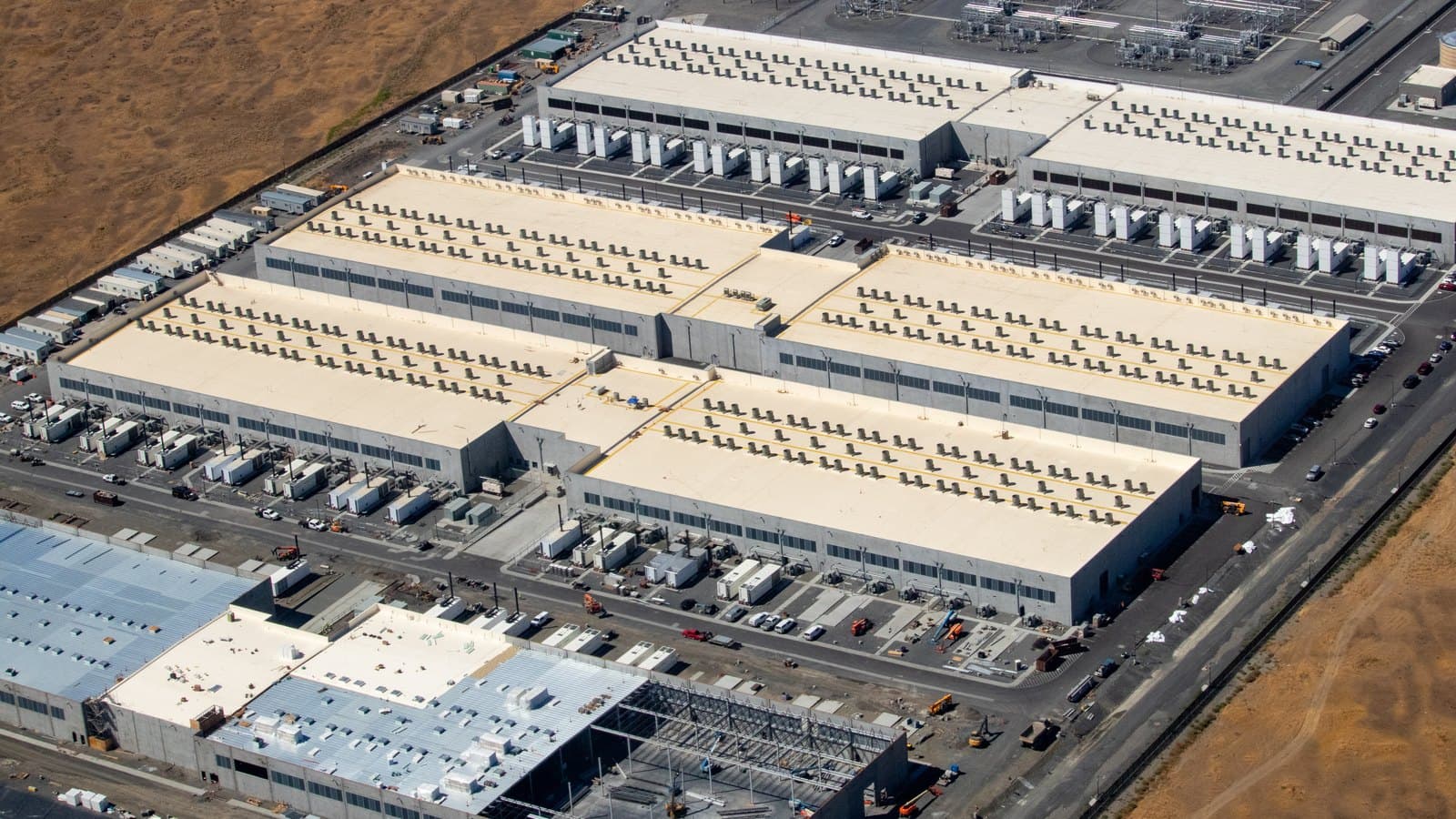
Cover: An Amazon Web Services data center campus in Umatilla, Oregon. Photo by Tedder via Wikimedia Commons, CC BY-SA 4.0.
Tags
Frequently asked questions
- What is Amazon reportedly doing with $8 billion of Nvidia chips?
- The Financial Times reported that Amazon is seeking outside investors for a special-purpose vehicle holding about $8 billion of Nvidia Grace Blackwell chips, which Amazon would then lease back for use in its US data centers. Discussions were reported as ongoing, with no final agreement announced.
- Has Amazon confirmed the Nvidia chip financing deal?
- No. The arrangement was reported by the Financial Times on October 2, 2026, citing people familiar with the matter, and relayed by Reuters and Bloomberg. Amazon has not confirmed a completed deal, and terms were not final when the report was published.
- Why would Amazon put Nvidia chips in a special-purpose vehicle?
- The structure would move the hardware's value off Amazon's balance sheet while keeping the chips in service. The vehicle would raise debt from investors, and Amazon would pay to lease the chips back, which spreads the cost of expensive AI hardware and frees capital for other spending.
- What does the Amazon chip financing mean for the AI industry?
- The reported plan fits a broader shift toward financing AI compute through debt and leasing arrangements. It echoes a deal in which Broadcom agreed to lend Anthropic up to $42 billion against a five-year chip leasing commitment, and it raises questions about what happens to the value of leased GPUs if AI demand cools.

TPW Editorial
Editorial Team
TechPastWeek's editorial team reports and edits every story we publish. We research each piece against primary and credible secondary sources, and a human editor reviews and signs off before it goes live.