SpaceX in Talks to Raise $40 Billion to Buy Nvidia AI Chips
SpaceX is in early talks to raise about $40 billion to buy Nvidia AI chips, with reports describing $10 billion of bank loans and $30 billion of bonds.

On this page
Key takeaways
- SpaceX is in preliminary talks to raise about $40 billion to buy Nvidia AI chips, the Financial Times reported on October 6, 2026, with Reuters and Bloomberg relaying the account.
- The package is reported as roughly $10 billion in bank loans and $30 billion in investment-grade bonds, led by Apollo Global Management with Pimco among potential lenders, closing in 2027.
- CryptoBriefing, in a single-source account, reported that SpaceX aims to expand the Nvidia chip count of its Colossus 2 AI cluster by December 2026, after a June 2026 IPO and a $25 billion bond sale.
- SpaceX revenue was estimated at about $18.7 billion, mostly from Starlink, so the proposed debt would be more than double the company's annual revenue.
- No deal has been signed; SpaceX, Nvidia, Apollo and Pimco have not confirmed the financing, and the talks may not complete.
SpaceX is in early talks to raise about $40 billion to buy Nvidia AI chips, according to a Financial Times report from October 6, 2026 that Reuters and Bloomberg relayed. The package described in those accounts would be split into roughly $10 billion of bank loans and $30 billion of investment-grade bonds, led by the asset manager Apollo Global Management, with the bond fund Pimco among a small group of potential lenders. The transaction is projected to close in 2027.
Related reading: Amazon Looks to Offload $8 Billion of Nvidia Chips Through a Financing Vehicle · Microsoft's Maia 300 Makes Its Own Silicon the Default for AI Inference.
None of it is signed. The talks are preliminary, the people familiar with them are unnamed, and SpaceX, Nvidia, Apollo and Pimco have not commented publicly. The report may describe a plan that never happens.
What makes it worth a closer look is the form the money would take. A rocket and satellite company is negotiating to borrow more than its annual revenue to buy the chips that run AI, through the same instruments that finance aircraft fleets, power plants and telecom networks: bank debt and corporate bonds.
The terms as reported
The Financial Times published the account on October 6, 2026, citing people familiar with the matter. In the version Reuters carried, SpaceX is seeking about $10 billion in bank loans and $30 billion in investment-grade debt for a chip order, with Apollo expected to lead the deal and place the debt with a broad range of investors. Bloomberg described the discussions with banks and investors as being at an early stage. Pimco appears in both accounts as one of a small group of lenders in talks, and both put the expected closing in 2027.
Forty billion dollars is the headline number, more than the market value of many established companies, and it is being raised for hardware. GuruFocus tied the report to a reaction in SpaceX-linked shares, which is a reminder that the financing is being read as a market event as much as a corporate one.
The split itself carries information. Bank loans typically cover the earlier and more structured part of a financing, while bonds are sold to a wider pool of investors who price the credit and hold it. Apollo's role as lead is what would make the package work: the firm would line up the lenders and market the debt, a job that depends on its relationships across both markets. None of the three outlets named a rate, a maturity or a set of covenants, so the cost of the money is still unknown.
Why a launch company is borrowing to buy chips
AI infrastructure is increasingly funded the way capital-intensive industries have always been funded. Airlines lease aircraft, utilities borrow against power plants, and telecom operators issue bonds against networks. Each of those assets has a long life and a revenue stream attached to it, which is what makes lenders comfortable. The pitch for AI chips is that compute demand can do the same job.
SpaceX's own numbers sharpen the contrast. CryptoBriefing, which aggregated the reporting, put SpaceX revenue at an estimated $18.7 billion last year, mostly from Starlink. The proposed debt would be more than double that figure. The same account noted that SpaceX carries an investment-grade credit rating, which is why a bond sale this large is plausible at all.
The company's revenue comes from launching rockets and selling satellite internet. The borrowing is aimed at a different business: buying accelerators to serve AI compute. The debt has to be repaid on schedule whether or not that bet pays off, a point CryptoBriefing made when it cited Ray Dalio's warnings about a possible AI bubble.
SpaceX is an unusual borrower for this kind of money. Its core businesses, launch services and Starlink, generate the cash flow a lender would examine, and Starlink in particular is a subscription business with recurring revenue. But the financing is not aimed at either one. It is aimed at buying hardware for a compute business that the reporting treats as separate from the launch and satellite operations. Whether lenders see the two as a single credit or as a bet on the newer business is a question the reported terms do not answer.
What is confirmed, and what is not
Reported by the Financial Times and relayed by Reuters and Bloomberg: the $40 billion target, the roughly $10 billion bank-loan and $30 billion bond split, Apollo's lead role, Pimco's involvement and a 2027 close. Single-source, from CryptoBriefing: the Colossus 2 chip target, the June 2026 IPO, the $25 billion bond sale and the $150 billion fundraising tally. None of the companies involved has confirmed the deal.
Colossus 2 and the December deadline
The most specific detail in the reporting comes from a single outlet. CryptoBriefing reported that the money would expand an AI compute cluster called Colossus 2, and that SpaceX aims to increase that cluster's Nvidia chip count by December 2026. The same article said the financing follows a June 2026 IPO that raised between $85.7 billion and $86 billion, and a $25 billion bond sale later that month that drew nearly $90 billion in orders. Adding the proposed $40 billion, CryptoBriefing estimated SpaceX's total capital raised at more than $150 billion in roughly four months.
Those details did not appear in the Reuters, Bloomberg or Financial Times accounts reviewed for this article, so treat them as a single outlet's reporting rather than a cross-checked fact. They are also the details that make the financing legible: a named cluster, a dated target and a recent fundraising history that explains why lenders would take the meeting.
The timing is where the plan gets awkward. CryptoBriefing noted that the chip count is meant to rise by December 2026, while the full debt package is not expected to close until 2027. If the chips have to arrive first, SpaceX would need to cover the gap with cash from the IPO and the earlier bond sale. That is a bridge the company can plausibly fund, given the sums involved, but it puts the hardware purchase ahead of the financing meant to pay for it.
What the borrowing means for the chip trade
For Nvidia, the transaction matters less as a sale than as a signal. The chips have to be bought by someone, and if SpaceX can borrow against them, the cash barrier to adding AI capacity drops. That supports demand at the margin, particularly from buyers who want to stand up compute faster than operating cash would allow.
The flip side is that it ties chip demand to credit markets. If lenders turn cautious, the financing channel narrows even when the appetite for AI capacity has not. The market has been willing so far. CryptoBriefing reported that SpaceX's June bond sale drew orders worth more than three times the $25 billion on offer, and an oversubscribed deal is exactly the condition under which a company tries again at a larger size.
A rocket company borrowing $40 billion to buy AI chips is a test of whether lenders will treat accelerators as the kind of asset that can carry project finance.
The broader worry, raised by Dalio and repeated by CryptoBriefing, is that debt-funded AI expansion increases the damage if the boom cools. A company financing chips with equity can absorb a slowdown by spending less. A company that borrowed against them still owes the money. Who absorbs a downturn depends on the structure of the deal, not on its size.
For the AI buildout as a whole, the SpaceX talks fit a pattern the reporting describes as a shift in how compute gets paid for. Instead of funding chips from operating cash, companies are turning to capital markets and treating accelerators as assets that can be financed over time. That spreads the cost, and it also spreads the risk, because the lenders end up with a claim on future cash flow that has to cover the debt regardless of how the AI market performs.
Caveats
Everything here rests on unnamed sources and a reported plan. The Financial Times originated the account, and Reuters and Bloomberg repeated it, which establishes that the report exists, not that the terms are final. The $10 billion and $30 billion split could change before any deal is signed, and Pimco's participation is described as talks, not a commitment.
The Colossus 2 name, the December 2026 chip target, the IPO figure and the $150 billion fundraising tally come from CryptoBriefing alone, and should be read that way. SpaceX's $18.7 billion revenue estimate is likewise a reported figure, not an audited number. Dalio's bubble warning is one investor's opinion, offered as context rather than evidence.
There is also a gap at the center of the story. The reporting does not say how many chips $40 billion buys, which Nvidia products are involved, or where the compute would be sold. Without those details, the financing can be sized but not evaluated. A deal this large would normally carry more specifics by the time it is signed, and those specifics are what the next round of reporting will need to supply.
What to watch
Three signals will show where this goes. The first is whether the talks become formal. A mandated financing with named banks and a bond roadshow would confirm that lenders are ready; a quiet retreat would say the preliminary stage was as far as it got.
The second is whether the split holds. The $10 billion of bank loans and $30 billion of bonds is the reported shape of the deal, and any change in that ratio would signal how lenders and bond investors are pricing the risk. The third is how the new bonds price against June's oversubscribed sale. If demand comes in weaker, it would mark a shift in how the market views AI-linked borrowing.
The December 2026 chip target, if it is real, is the nearer test. It would have to be met before the financing closes, which means the financing is not the only thing that has to go right.
Until a deal is signed, the $40 billion is a proposal.
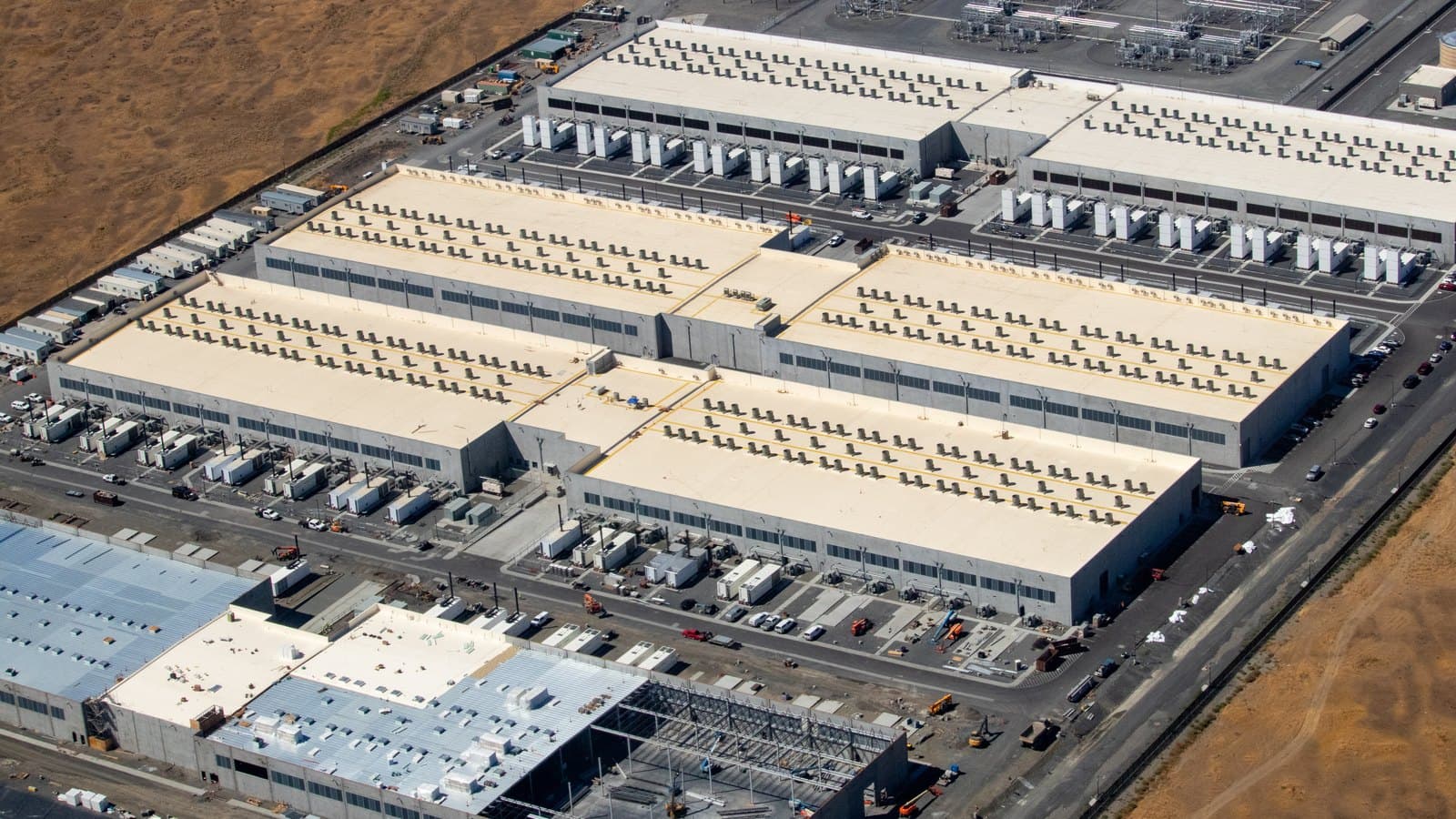
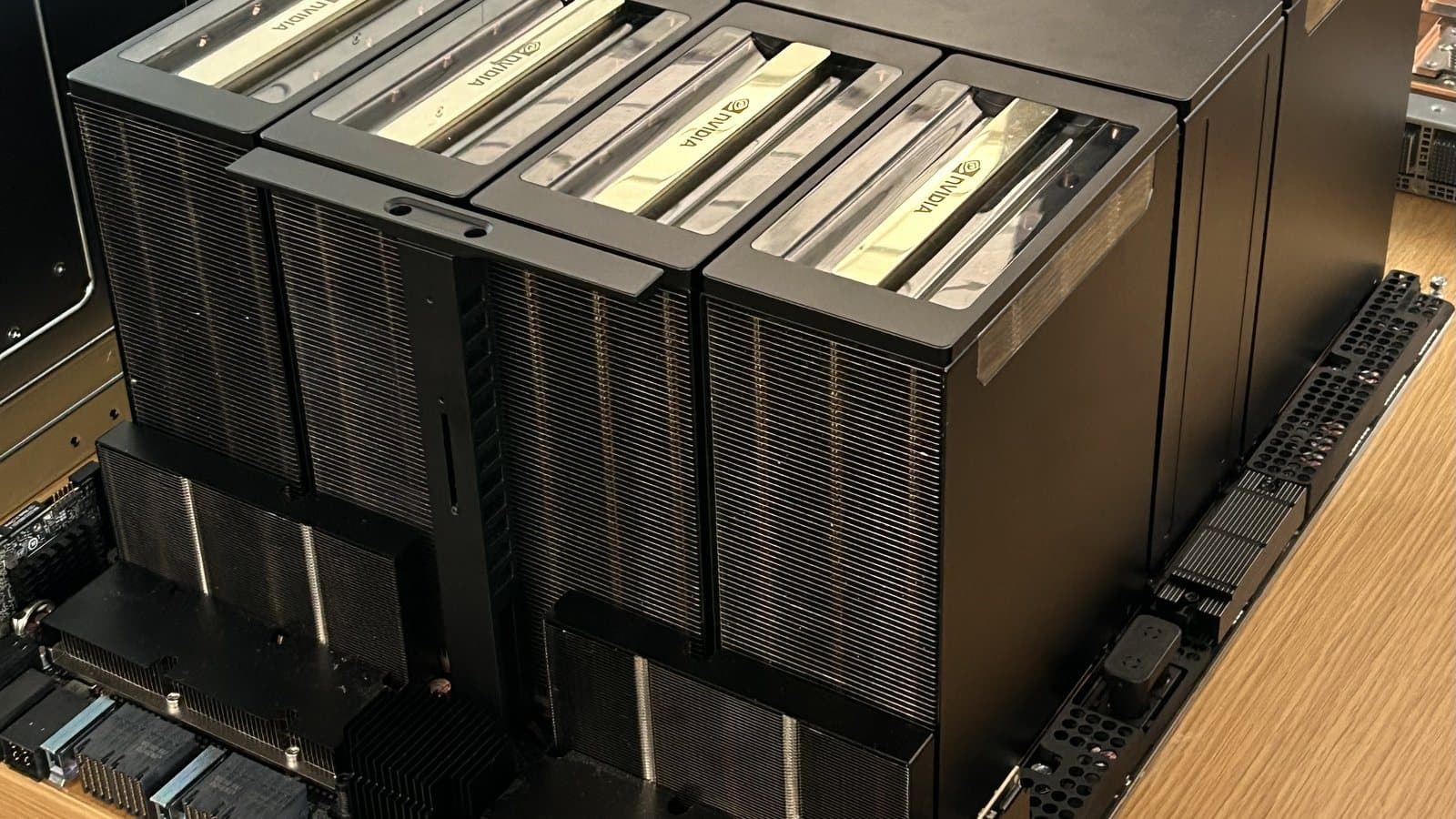
Cover image: Pokiiri, Wikimedia Commons, CC BY-SA 4.0.
Tags
Frequently asked questions
- What is SpaceX raising $40 billion for?
- The reported financing would pay for Nvidia AI chips that SpaceX would use in its own data centers and AI compute buildout. The money is for hardware rather than for its rocket or satellite programs.
- How would the SpaceX financing be split?
- The Financial Times reported the package as about $10 billion in bank loans and $30 billion in investment-grade bonds. Apollo Global Management is expected to lead the placement, with Pimco among a small group of potential lenders.
- When would the SpaceX Nvidia chip financing close?
- The reported transaction is expected to close in 2027, according to the Financial Times account relayed by Reuters and Bloomberg. The talks were described as preliminary and may not lead to a deal.
- Has SpaceX confirmed the reports?
- No. SpaceX, Nvidia, Apollo and Pimco did not respond to Reuters requests for comment, and none has confirmed the financing publicly. The account rests on unnamed people familiar with the matter.

TPW Editorial
Editorial Team
TechPastWeek's editorial team reports and edits every story we publish. We research each piece against primary and credible secondary sources, and a human editor reviews and signs off before it goes live.