Suda51's Grasshopper Manufacture Leaves NetEase and Goes Independent Again
Grasshopper Manufacture left NetEase Games on October 1, 2026 and became independent again after five years, as the publisher pulls back from overseas studios.

On this page
Key takeaways
- Grasshopper Manufacture CEO Goichi 'Suda51' Suda announced on September 30, 2026 that the studio is leaving NetEase Games and becoming independent again, effective October 1, 2026.
- NetEase Games owned Grasshopper Manufacture for five years after acquiring it in 2021; before that the studio was part of GungHo Group, and Suda founded it in 1998.
- Suda said the decision followed reflection after completing Romeo Is A Dead Man, the action-adventure game Grasshopper developed and released in February 2026.
- Grasshopper is approaching its 30th anniversary and its catalogue includes No More Heroes, Killer7, The Silver Case, Shadows of the Damned and Lollipop Chainsaw.
- NetEase has been retreating from its overseas studio expansion; Bloomberg reported in March 2026 that it would stop funding Nagoshi Studio, led by Yakuza creator Toshihiro Nagoshi.
Grasshopper Manufacture, the Japanese studio behind No More Heroes and Killer7, is independent again. CEO Goichi "Suda51" Suda announced on Wednesday, September 30, 2026 that the studio was splitting from NetEase Games, its owner since 2021, and the change took effect the next day, October 1. Suda described the move as the product of talks with NetEase and a deliberate choice about the studio's future, not a rescue from a collapsing owner.
Related reading: Castlevania Turns 40, and Konami Is Giving the Original Away on Mobile · Valve's Cancelled Portal Prequel F-Stop Surfaces as a Playable Build.
The split lands in the middle of a wider retreat. NetEase spent years buying and building studios across Japan and the West, and it has spent much of the past eighteen months reversing that strategy. Grasshopper is one of the better-known names to come back out.
What Suda actually said
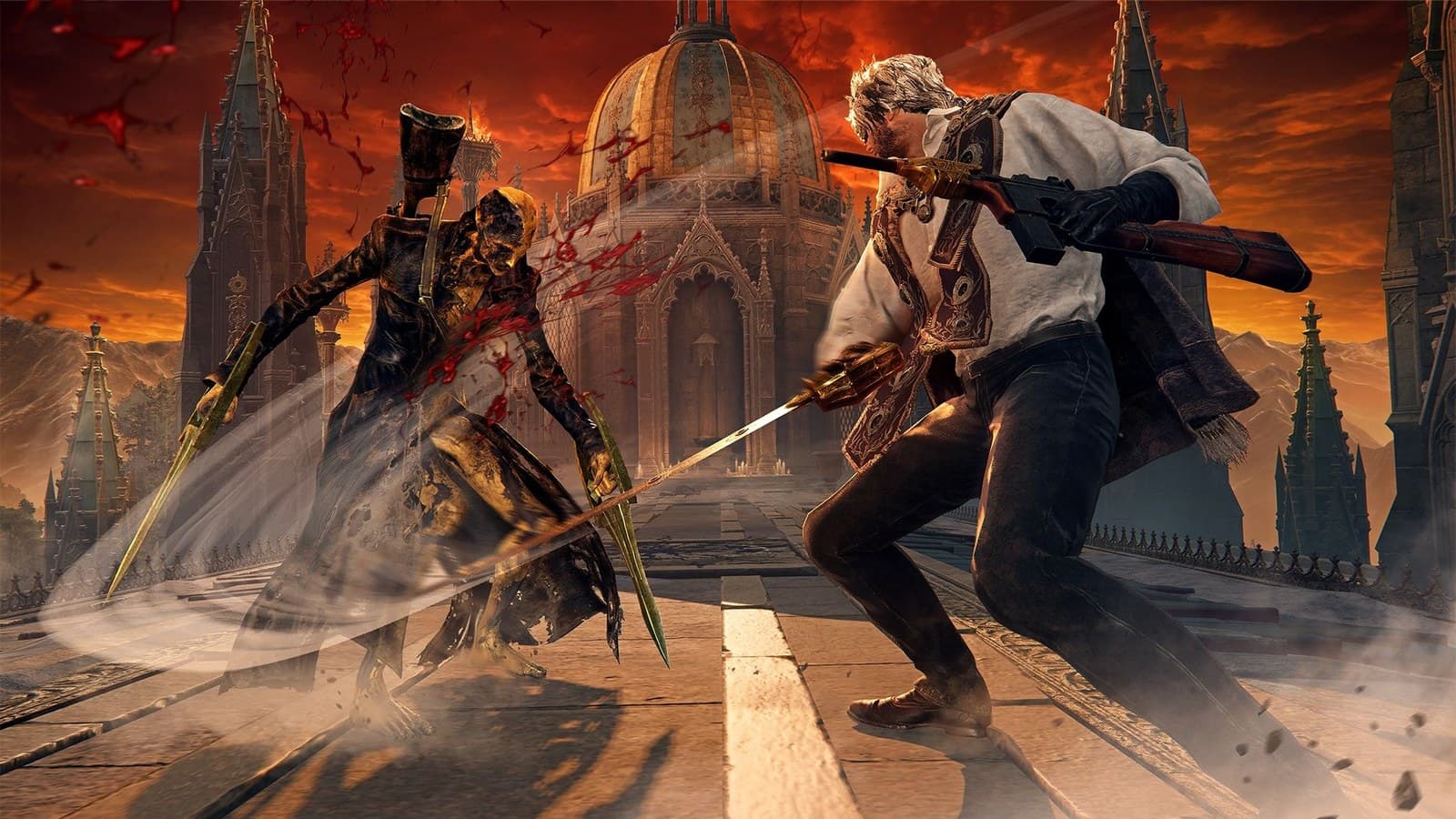
The announcement is short and careful. In a statement carried by Game Developer and AUTOMATON WEST, Suda said Grasshopper "reflected on its future after finishing Romeo Is A Dead Man," the action-adventure game it released in February 2026, and decided it wanted to "deliver titles in an even wider variety of styles to video game lovers everywhere."
"As such, Grasshopper Manufacture has chosen to move forward as an independent developer," he said.
Suda paired the news with a claim about capability. The studio now has "a broad range of options" because it improved its self-publishing know-how, he said, and it remains "committed to creating unique titles featuring the 'NO GAME NO LIFE' gaming experience expected of Grasshopper Manufacture." Game Informer reported that Suda thanked NetEase for what he called its "generous cooperation."
The split is mutual on paper
Grasshopper is not describing a forced exit. AUTOMATON WEST reported that the studio remains open to collaborating with other studios and publishers in the future, NetEase among them. Both the studio and its former owner call the separation amicable.
This is a negotiated handover, not a shutdown, and no figure has been put on it. The company statement does not disclose a sale price, a headcount, or the terms of the separation.
Five years inside NetEase
The ownership chain is straightforward, and it explains why the word "again" keeps appearing. Suda founded Grasshopper Manufacture in 1998, making it independent for most of its life. It later came under GungHo Group, then in 2021 NetEase Games acquired it, as Game Developer noted. That made the studio part of a Chinese publisher for five years.
NetEase's money did not stop Grasshopper from shipping. According to AUTOMATON WEST, the studio produced two titles during the NetEase period: Shadows of the Damned: Hella Remastered in 2024, a re-release of the 2011 action-adventure game, and Romeo Is A Dead Man in 2026. The 2026 title is the more telling one, because Grasshopper developed and published it itself, including on Steam. That self-publishing experience is exactly what Suda cites as the reason the studio can now operate alone.
For a studio of Grasshopper's size and reputation, the argument for staying under a large publisher is usually money and stability. The argument for leaving is control: of release timing, of which projects get made, and of the intellectual property itself. Suda's statement leans entirely on the second list.
Why a cult studio fits awkwardly inside a giant
Grasshopper has always been a director's studio. Its reputation rests on Suda's sensibility: punk references, genre collisions, and games that feel handmade rather than focus-tested. That is an asset for one kind of publisher and an awkward fit for another.
A large owner buys a studio for one of two reasons. It wants a franchise that can scale, or it wants prestige that signals seriousness to players and critics. Grasshopper delivered the second and, judging by its release cadence, not much of the first. Under NetEase it shipped a remaster and one new game in five years. That is slow output for a studio of its reputation.
The mismatch is not a failure by either side. It is a difference in what each party needs. NetEase's expansion was about scale and reach. Grasshopper's value lives in idiosyncrasy, which is hard to scale without losing the thing that makes it worth owning. An independent Grasshopper can stay small and strange. A NetEase-owned Grasshopper had to justify itself against a much larger portfolio.
What independence actually changes
The announcement points to a narrower change than it first appears. Grasshopper is not claiming it will suddenly fund a slate of blockbusters. It is claiming optionality.
Suda's phrasing about "regardless of how our games may be published" is the key line. It leaves room for Grasshopper to self-publish, to sign with a publisher, or to take a mix of both. Independence here means the studio holds the decision rather than inheriting it from a parent company's strategy. That is a meaningful difference for a team whose identity has always been tied to one director's taste.
Self-publishing is not free. It means fronting development and marketing costs, waiting longer for revenue, and carrying the loss if a game underperforms. What it buys is the ability to pick a release date, keep more of the upside, and avoid a publisher's veto on an unusual idea. Grasshopper made that trade-off once already, when it self-published Romeo Is A Dead Man on Steam.
"Having improved our own self-publishing know-how, we now have a broad range of options available to us." — Goichi "Suda51" Suda, Grasshopper Manufacture CEO
There is also an IP angle. Grasshopper's best-known games were made under different owners, and the question of who holds which rights after a split is rarely answered in public. The statement does not address it. What it does say is that the studio intends to keep making Grasshopper games, which is the outcome its fans care about most.
The risk is the same one every newly independent mid-sized studio carries. Without a parent's balance sheet, a single expensive game that misses can be existential. Grasshopper's recent release cadence has been steady rather than prolific, and its games sell to a devoted niche rather than the mass market. That is a workable business, but it is a leaner one.
The wider NetEase retreat
Grasshopper's exit is easier to understand as part of a pattern. Game File reported in early 2025 that NetEase planned to cut back after creating or acquiring close to 20 Western and Japanese studios. By March 2026, Bloomberg reported that NetEase would stop funding Nagoshi Studio, the team led by Yakuza creator Toshihiro Nagoshi, as it shrank its game-development spending. NetEase also cut jobs at its Montreal studio in January 2026.
A summary of Game File's reporting circulated on r/Games named Quantic Dream, Nagoshi Studio and Grasshopper among the studios NetEase might divest or close. Two of those three have now been addressed in some form, though not in the way a closure story would suggest. Nagoshi's funding stopped; Grasshopper walked out with its independence intact.
There is an economic logic underneath. Buying studios abroad is expensive and slow to pay off, and the returns depend on games that can take years to ship. When a publisher tightens, overseas studios are among the easiest parts of the portfolio to reconsider, because they sit furthest from the core business. Grasshopper sat at that distance.
The popular version of this story is that NetEase is dumping studios. The available evidence points to something narrower: a publisher that over-expanded geographically and is now trimming to a smaller, more controllable footprint, with some separations negotiated rather than imposed. Grasshopper's own language supports the negotiated reading.
NetEase's overseas push bought access to talent and premium franchises as much as revenue. When the strategy changes, the studios are the part that moves. Grasshopper is the most visible example so far.
Caveats
Several things remain unknown. No financial terms were disclosed, so it is not possible to say whether NetEase sold Grasshopper, spun it out, or ended the ownership arrangement. The studio's headcount is not public. Nothing in the statements indicates layoffs, and nothing rules them out.
The ownership history itself has loose ends. AUTOMATON WEST described the 2021 deal as an equity transfer agreement involving GungHo Online Entertainment, which is more precise than the word "acquisition" alone. The exact corporate mechanics of the exit have not been published.
The NetEase pullback is also reported rather than fully documented. Bloomberg's Nagoshi Studio report and Game File's earlier reporting are credible, but NetEase has not published a full list of studios it intends to keep or shed. Treat any specific list of "next" studios as speculation until a company confirms it.
What to watch
Three signals will show what this split actually means.
- Grasshopper's next announcement. Whether the studio reveals a self-published title, a publishing partner, or a co-development deal will settle the "optionality" question. Suda says the studio is planning unique games; none has been named since the split.
- The 30th anniversary. Grasshopper is approaching three decades, and anniversaries are convenient moments for remasters, collections and retrospectives. How the studio marks it will say a lot about its finances and its plans.
- NetEase's other studios. If more separations follow, the pattern is confirmed. If Nagoshi Studio and others stabilise under new arrangements, Grasshopper looks less like the start of an exodus and more like a single clean break.
For now, the defensible reading is the one the studio is asking for. A studio that spent five years inside a large publisher has bought back its own decisions, and it has not yet said what the first one will be.
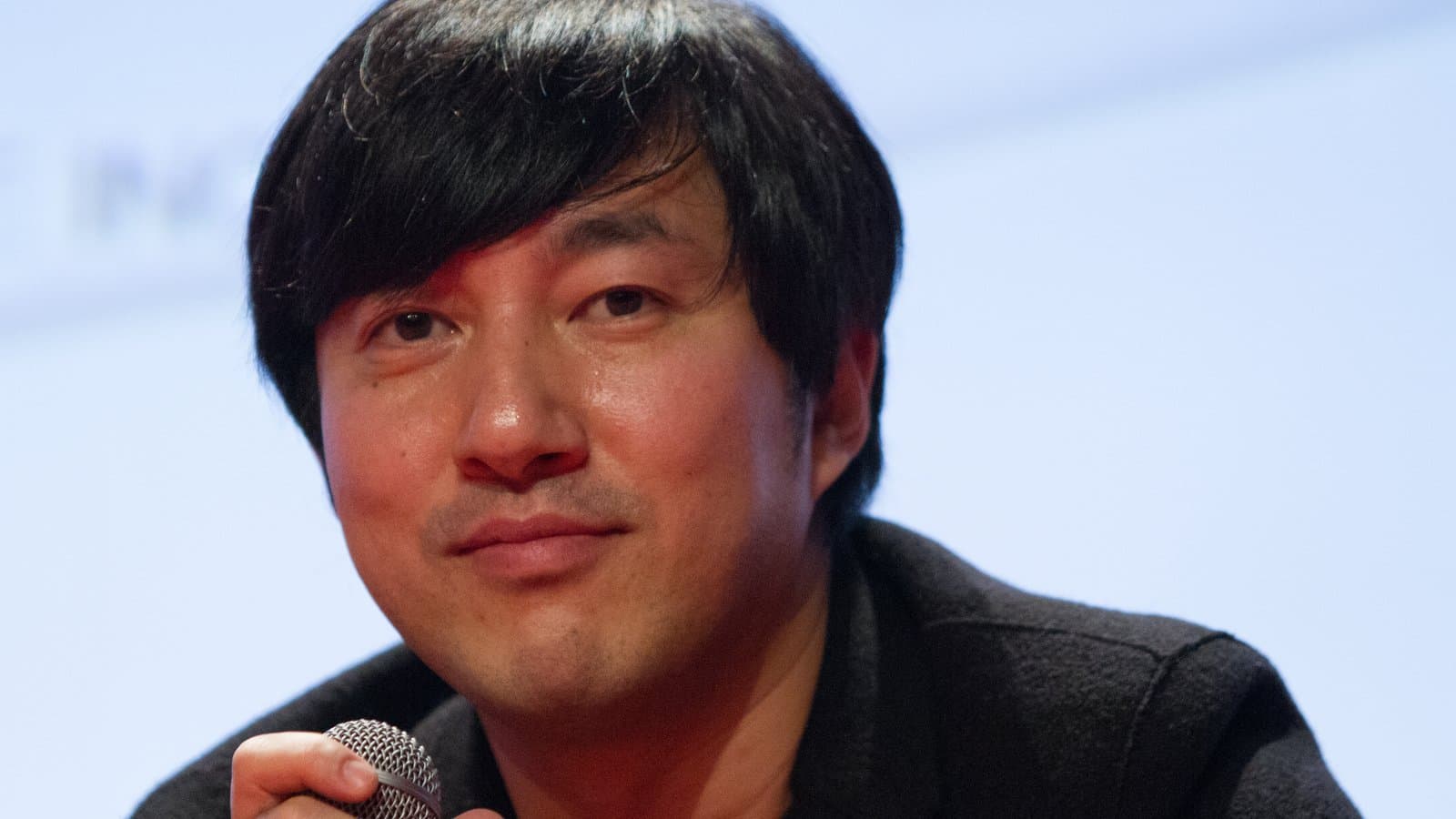
Cover: Goichi "Suda51" Suda at Toulouse Game Show 2012. Photo by Georges Seguin (Okki) via Wikimedia Commons, CC BY-SA 3.0.
Tags
Frequently asked questions
- Did Grasshopper Manufacture leave NetEase Games?
- Yes. Grasshopper Manufacture CEO Goichi 'Suda51' Suda announced on September 30, 2026 that the studio was splitting from NetEase Games, and the change took effect on October 1, 2026. Both sides describe it as a negotiated, amicable separation rather than a closure.
- How long did NetEase own Grasshopper Manufacture?
- NetEase Games acquired Grasshopper Manufacture in 2021 and owned it for about five years, until October 1, 2026. Before the NetEase deal the studio was part of GungHo Group, and Suda founded it in 1998.
- Why did Grasshopper Manufacture go independent again?
- Suda said the studio reflected on its future after finishing Romeo Is A Dead Man and decided it wanted to release games in a wider variety of styles. He said Grasshopper had improved its self-publishing know-how and now has a broad range of options.
- What games is Grasshopper Manufacture known for?
- Grasshopper's catalogue includes No More Heroes, Killer7, The Silver Case, Shadows of the Damned, Lollipop Chainsaw and 2026's Romeo Is A Dead Man. The studio is known for a punk, auteur style and is approaching its 30th anniversary.

TPW Editorial
Editorial Team
TechPastWeek's editorial team reports and edits every story we publish. We research each piece against primary and credible secondary sources, and a human editor reviews and signs off before it goes live.