Data Centers Lost 40 of 41 Ballot Fights. Texas Is the Bigger Risk
Voters backed data center restrictions in 40 of 41 local ballot measures across 10 states. Texas chose Gina Hinojosa, who promised a data center moratorium.

On this page
Key takeaways
- Voters backed restrictions or rejected pro-development measures in 40 of the 41 local data center ballot contests held across 10 states on 3 November 2026; the exception was Harwood, North Dakota.
- Ohio accounted for 21 of the 41 measures, and at least 14 municipalities passed bans or restrictions, including Trenton by 80% to 20% and Perry with more than 87% support.
- Texas Democrat Gina Hinojosa unseated Republican Governor Greg Abbott after campaigning for an immediate data center moratorium; Jefferies estimates about 13.3 GW of announced Texas projects would be at risk.
- A Gallup poll in May 2026 found about 70% of Americans opposed data centers in their local areas, and 56% of voters told CNBC's Voter Poll the issue was a major factor or more in their decision.
- No company has announced a cancellation because of the results; on 4 November, Alphabet, Amazon, Meta and Microsoft rose while SpaceX, Tesla, CoreWeave and IREN fell.
Voters decided 41 local data center measures across 10 states on Tuesday, 3 November 2026. In every contest where results were available except one, they backed restrictions or rejected pro-development measures, according to Ballotpedia’s count and CNBC’s survey of the results. The exception was Harwood, North Dakota, where voters rejected an added review of industrial projects.
Related reading: Abbott Halts Texas Data Center Environmental Permits Pending an ERCOT Audit · Meta Ordered to Pay $25 Billion in New Mexico Privacy Case.
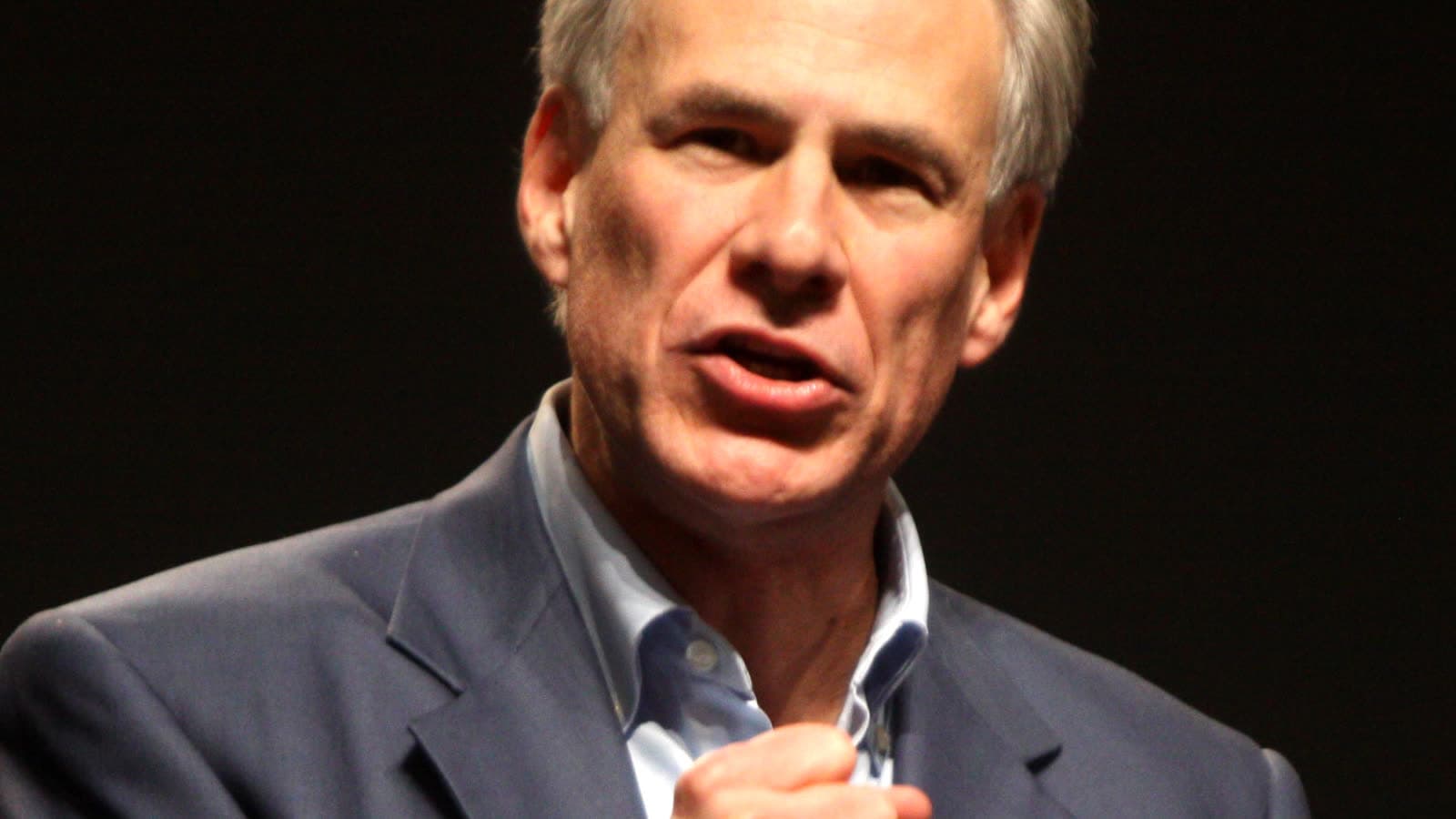
The same election gave Democrats control of both the House and the Senate. The local measures are the more direct verdict on the AI buildout. The result with the longest reach may be in Texas, where Democrat Gina Hinojosa unseated Republican Governor Greg Abbott after campaigning for an immediate moratorium on data centers and tougher limits on future projects.
A local sweep, with one exception
Ohio carried 21 of the 41 measures, and the results there were one-sided. At least 14 municipalities passed bans or other restrictions, Fortune reported, and all five central-Ohio communities with a measure on the ballot voted against data centers.
The individual results:
- Sunbury passed a charter amendment banning data centers that use 25 megawatts or more.
- Pataskala passed a charter ban on large data centers.
- Trenton passed a ban by 80% to 20%.
- Perry passed a measure requiring developers who seek tax breaks to post financial guarantees, with more than 87% support.
- Wilmington rejected rezoning in four referendums, each by about 80%.
- Ashville voted to block a campus that is already under construction.
Those votes did not arrive in a vacuum. Ohio has more than 200 operational data centers, the fifth-most of any state, and companies have announced plans for up to $40 billion of AI infrastructure investment there by 2030, according to Ohio Department of Development figures cited by Fortune. The state already had 125 local data center moratoriums before Tuesday.
The polling explains the margins. A Gallup poll in May 2026 found about 70% of Americans opposed construction of data centers in their local areas, Fortune reported. An ICAPP/SurveyUSA poll of 1,650 Ohio adults last month put opposition at 55% against 22% support, and opposition to tax breaks at 65% against 15% support. Nationally, 56% of voters told CNBC’s Voter Poll that data centers were a major factor or more in their decision, with Democrats ranking the issue higher than Republicans.
That last number is a poll, not a vote count. It measures salience rather than direction, and it does not say which way anyone voted.
The measures themselves are a mixed instrument. Some are charter amendments, which change what a city can do and outlast a single council. Others are referendums on a specific rezoning, which decide one site. Ashville’s vote is the one to watch for precedent, because it targeted a campus already under construction rather than a proposal. A measure that reaches backward invites a lawsuit, and the outcome will tell other towns how much a late vote can undo.
Why Texas is a different kind of risk
Texas is on track to become the world’s largest data center market by 2030, according to CNBC. Dan Ives of Yorkville Ives told the network that 25% to 30% of US data center capacity is expected to be in the state. Wells Fargo puts 27% of planned data center gigawatts there. Jefferies estimates that about 13.3 GW of announced Texas projects would be at risk under a Hinojosa moratorium, according to figures cited by CNBC. Gordon Johnson of GLJ Research, cited by CNBC, put the figure at roughly 13 GW, enough to power about 10 million homes.
Those are analyst estimates, not company disclosures or a government count. The gigawatt figures describe announced projects rather than capacity that has been built. The range matters less than the concentration. No other state has as much planned capacity riding on one governor’s approach to permits, grid connections and incentives.
The vote is confirmed and the pipeline is announced, but the effect on it is a forecast, and it depends on agencies a governor does not fully control and on decisions that have not been made.
A local ban stops one project. A governor shapes the agencies that decide how quickly the next wave moves. The Texas Commission on Environmental Quality handles environmental permits. The Public Utility Commission and ERCOT govern grid connection. Their commissioners serve staggered terms, and a governor cannot simply sign an order that cancels a project. That constraint is real. It also means the pressure would arrive through appointments, grid rules and permitting decisions over years. That is harder to price than a single ban, and harder to reverse once it starts.
The financial exposure is not evenly spread. A hyperscaler with projects in several states can absorb a delay in one market. A developer with a single project has less room to wait. That difference showed up in the share prices, where CoreWeave and IREN fell and Alphabet, Amazon, Meta and Microsoft rose.
Bloomberg framed the national picture in similar terms, reporting that Democratic gubernatorial wins in Texas, Georgia, Ohio and Pennsylvania would expose about 50% of AI data center proposals to more scrutiny and pushback. The figure is a forecast about political risk, not a count of projects that will fail.
Ohio’s statewide races moved with the ballots
Ohio did not stop at municipal measures. Democrat Amy Acton, a physician, defeated Republican Vivek Ramaswamy 52.0% to 44.8%, a 7.2-point margin according to MultiState. Acton backed a “conditional moratorium” that would require data centers to cover 100% of utility costs and build exclusively with union labor, CNBC reported. In the Senate race, Democrat Sherrod Brown defeated Republican Senator Jon Husted, whom CNBC cast as “the face of data centers.”
Democrats also won or held governorships in Georgia and Pennsylvania, two other states with data center projects. Taken with Texas and Ohio, the results put four statehouses in Democratic hands, and with them the appointments and permit decisions that data center developers watch.
The market priced a Texas problem
Elon Musk spent at least $474 million on the midterms, including $224 million in Texas, and lost both of the state’s marquee races, CNBC reported. After the result he posted on X: “Data centers in space looking pretty appealing right now.”
The trading session on 4 November was mixed enough to resist a simple label. SpaceX shares fell 4% after the open and Tesla 5%, while CoreWeave and IREN each fell 4% in morning trading and Nebius slipped about 0.5%. Oracle rose 2% and Nvidia was slightly lower. Four of the biggest technology companies went the other way: Alphabet gained 3%, Amazon 7%, Meta 2% and Microsoft 5.5%, CNBC reported.
“AI stocks fell” is therefore too broad. The selling clustered in companies tied to Musk, in CoreWeave and in IREN. The Nasdaq-100 had already entered correction territory at the end of October on concerns about AI spending, so the ground was not steady before the votes were counted.
No company has announced that it is dropping a project because of Tuesday’s results. A share move is a reaction to risk, not a measured loss of capacity, and the difference matters for anyone trying to work out whether the buildout has actually slowed.
Washington heard the same message
Representative Greg Casar of Texas, chair of the Progressive Caucus, said the new House Democratic majority “must make it a top priority to protect Americans’ jobs, freedom, and lives from AI billionaires.” He called for AI company chief executives to testify under oath and described the data center revolt as “just the early tremor of a much bigger AI earthquake upending American politics,” CNBC reported.
“Just the early tremor of a much bigger AI earthquake upending American politics.” — Representative Greg Casar, Texas Democrat and Progressive Caucus chair, 4 November 2026
Representative Robert Garcia of California, the presumptive next chair of the House Oversight Committee, had a shorter response: “Lawyer up.”
Those are statements from two members, not a legislative program. They signal where oversight is likely to go: subpoenas, hearings and requests for company documents. They do not, by themselves, change permit decisions.
Caveats
The results are local, and many of the measures are non-binding or depend on later implementation. Some counts were still unofficial on 4 November and subject to certification or legal review. The 13.3 GW and 25% to 30% figures are analyst estimates. CNBC’s 56% is a poll. The Ohio margins from MultiState are unofficial. A Texas governor has limited unilateral authority over data center permits, and the agencies that do hold that authority are not up for election in one night.
What is not known
No company has attributed a cancellation to the results. The ballot measures do not set national policy, several still face implementation or court challenges, and the capacity figures circulating are estimates of announced projects rather than a measured pipeline.
What gets decided next
Three things will show whether Tuesday changed the buildout or only its politics. The first is whether the Texas agencies change how they process permits and grid requests, and whether the legislature takes up the moratorium Hinojosa campaigned on. The second is whether any developer publicly delays or drops a Texas project, which would turn an analyst’s estimate into a fact. The third is whether the local measures survive legal challenge and whether other states copy them.
For now the scoreboard is clear enough. Voters in 40 of 41 local contests chose to slow or block data centers. The next decisions belong to state agencies and governors, and Texas has the most capacity waiting on them.
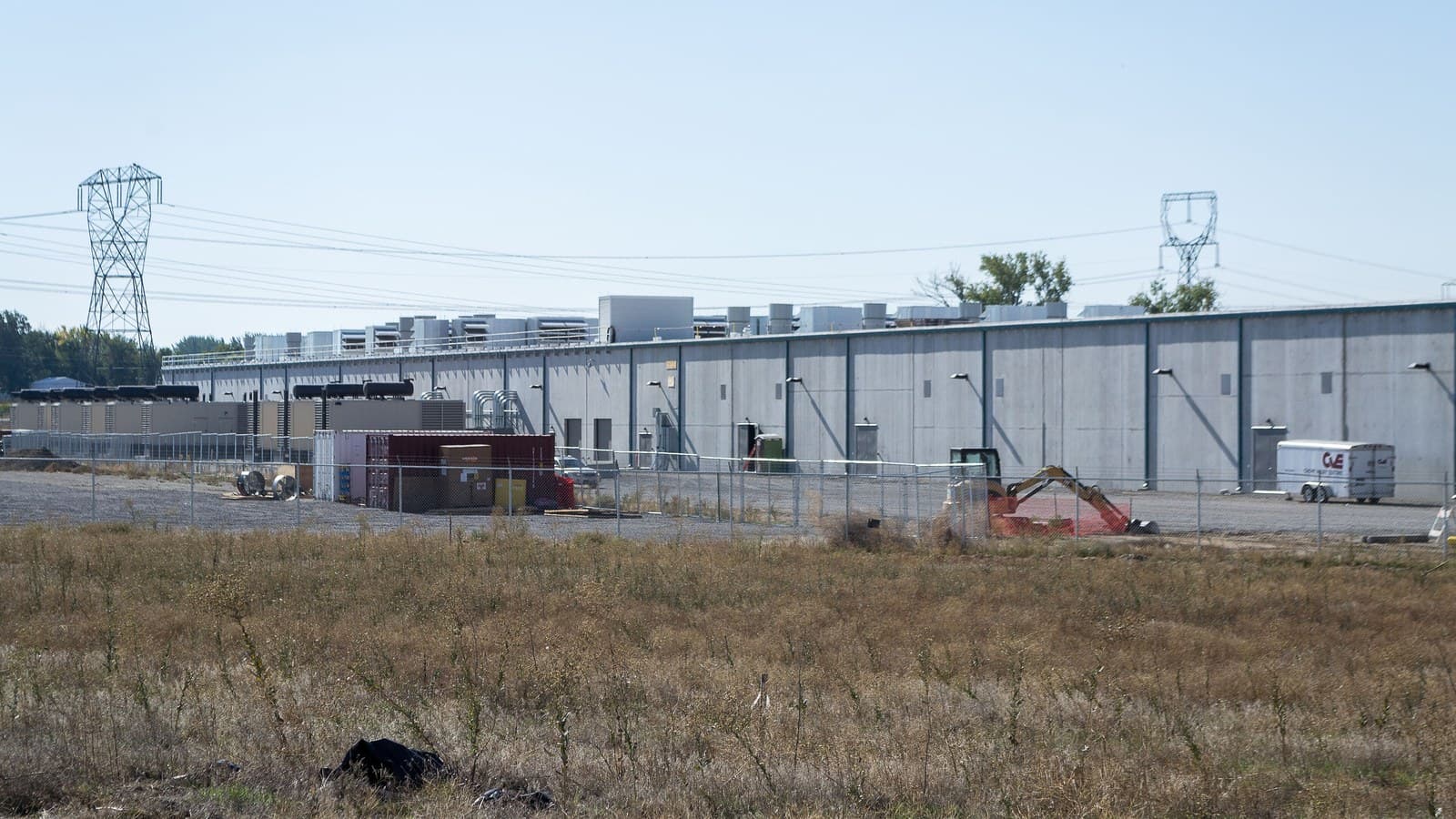
Cover image: Amazon data center campus in Boardman, Oregon. Photo by Visitor7, CC BY-SA 3.0, via Wikimedia Commons.
Tags
Frequently asked questions
- What did voters decide on data centers in the 2026 midterms?
- Voters in 10 states faced 41 local data center measures on 3 November 2026 and backed restrictions or rejected pro-development measures in every contest with results available except Harwood, North Dakota. Ohio held 21 of the measures, and at least 14 municipalities there passed bans or other restrictions.
- Why does the Texas governor's race matter more than the local ballots?
- Texas is on track to become the world's largest data center market by 2030, and analysts estimate that 25% to 30% of US data center capacity is expected there. A local measure affects one project, while a governor influences the state agencies that handle permits and grid connections for a much larger pipeline.
- Can a Texas governor ban data centers unilaterally?
- No. The Texas Commission on Environmental Quality handles environmental permits and the Public Utility Commission and ERCOT govern grid connection, with commissioners on staggered terms. A governor can appoint officials and apply pressure, but cannot cancel projects by signing an order.
- Did any data center projects get cancelled after the election?
- No company had announced a cancellation because of the results as of 4 November 2026. Share prices moved, especially for neoclouds and Elon Musk's companies, but a market reaction is not the same as a measured loss of capacity.

TPW Editorial
Editorial Team
TechPastWeek's editorial team reports and edits every story we publish. We research each piece against primary and credible secondary sources, and a human editor reviews and signs off before it goes live.