The Week in Tech: The Buildout Meets Its Board
Nvidia's board accepted Jensen Huang's resignation, Anthropic priced its IPO at up to $1.45 trillion, and Norway stopped new data center grid reservations

On this page
Key takeaways
- Nvidia's board accepted Jensen Huang's resignation as president, chief executive and director on 12 November 2026 after 33 years; chief financial officer Colette Kress became interim CEO and Harvey C. Jones became the company's first board chair.
- Anthropic's amended S-1 set terms for 825 million shares at $70 to $78, implying a fully diluted valuation of $1.3 trillion to $1.45 trillion, alongside a $26 billion private placement with seven chip and cloud companies.
- Statnett stopped accepting new data center grid reservations in Norway on 9 November 2026, with 9,100 MW already queued and another 18,000 MW of requests against a national peak of just over 25,000 MW.
- Security teams spent the week on an OpenSSH authentication bypass, a GitHub token campaign that probed 61,764 repositories, 33 alleged N-able zero-days and a Microsoft 365 outage caused by failed health checks.
- GTA VI preloading began on 10 November with a 212GB minimum on PS5, Take-Two said pre-orders were far above expectations, and Sony reported more than 100 million PS5 units shipped.
On Monday morning Statnett, the operator of Norway's transmission grid, stopped taking reservations for new data center capacity. The queue already held 9,100 MW, with another 18,000 MW of connection requests behind it, against a national peak of just over 25,000 MW. On Tuesday, Anthropic's amended S-1 put a price on its shares for the first time, and TSMC's board approved up to $1 billion of stock in OpenAI and Anthropic. On Thursday, Nvidia's board accepted Jensen Huang's resignation as chief executive after 33 years, named its first-ever board chair and handed the company to its finance chief on an interim basis.
Related reading: Anthropic's Claude Duet Works in the Background, and Asks Before It Acts · An Anthropic Mathematician Says Claude Found a Riemann Hypothesis Proof.
The week did not answer whether the AI buildout is a bubble. It answered a narrower question that matters more to anyone trying to forecast the next year: who has to sign for it. Nvidia's board, TSMC's board, Anthropic's filing and Norway's grid operator did most of the visible work. Each one moved on a different clock, and each one can say no.
Nvidia's board had five days
The sequence started on Sunday 8 November, when Nvidia's board said it had opened an independent investigation into reporting that founder and CEO Jensen Huang was the target of a foreign intelligence effort. A committee of independent directors, assisted by outside counsel, was put in charge. The company said it had no reason to believe that national security or company secrets had been compromised. Huang told employees the same day that he had been unfaithful to his wife, that he supported the review and that he would cooperate.
The reporting behind the review came from the New York Times, which said US intelligence had assessed that China's Ministry of State Security recruited Megaspeed executive Alice Huang to gather information about Jensen Huang. Huang has denied the national security allegations. No charge has been filed against either Huang, and the board's statement described a review, not a finding.
On Monday, the Times added a second thread. Nvidia general counsel Tim Teter emailed Commerce Department investigators in August 2025 about their inquiry into Singapore-based Megaspeed, according to the report, and said senior Commerce official Jeff Kessler had given him permission to make contact. Officials were alarmed by the reference, the investigators declined Nvidia's request for a meeting, and the Justice Department later asked Commerce to suspend its part of the case and transfer it. The Times said Justice is now running a criminal investigation into Megaspeed, which imported billions of dollars of Nvidia AI equipment into Malaysia while building data centers across Southeast Asia for Chinese clients including Alibaba. The same report said Commerce had not added a company to its Entity List in more than a year, the longest such stretch in 18 years.
Then, on Thursday 12 November, the board accepted Huang's resignation as president, chief executive and director, effective immediately. Chief financial officer Colette Kress became interim CEO while keeping her finance roles. Harvey C. Jones, a longtime director and former Synopsys chief executive, became the first chair of Nvidia's board. The board began a search for a permanent successor. Nvidia said its third-quarter fiscal 2027 results would still be reported on 17 November.
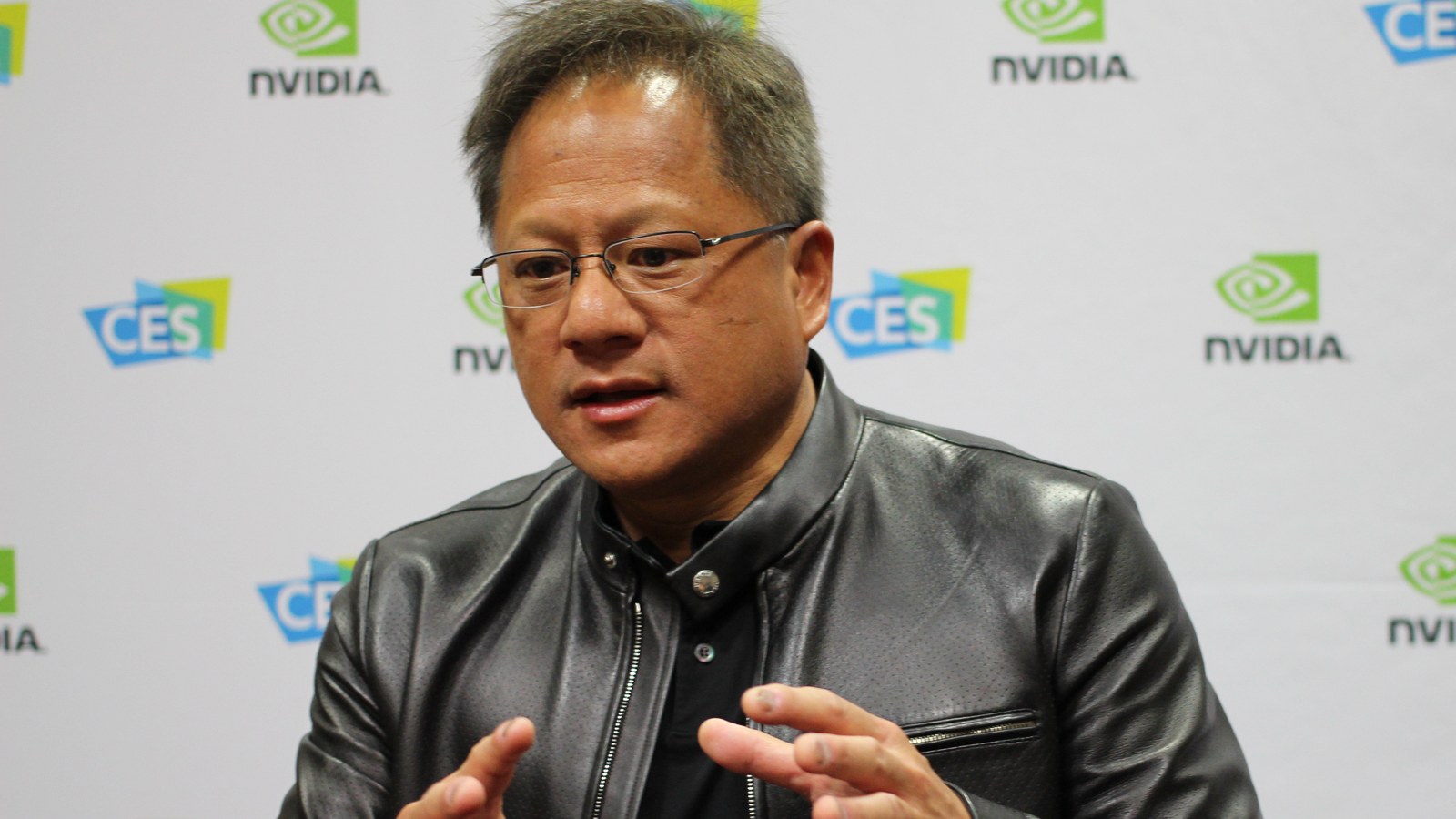
The market read the resignation as an operating event as much as a governance one. Nvidia shares closed at $166.19 on 12 November, down 4.34%, after falling as much as 14% at the open and slipping below a $4 trillion market value. The stock had already absorbed the spy-probe report and the Megaspeed story. A single session is a thin basis for a verdict on a management change, but it is the only verdict the market offered that day.
What the board did not do is as important as what it did. It did not name a permanent CEO, publish the investigation's terms or set a deadline. It did not disclose severance terms. It created a board chair for the first time, separate from the chief executive, which is a real change in how the company is governed, but it also made the chief financial officer the interim chief executive, which concentrates two jobs that a board usually tries to keep apart. Nvidia's next earnings call, five days after the resignation, will be the first one without Huang as chief executive. The three Republican House committee chairs who asked Huang for a closed-door briefing on 18 November, the day after the call, will get their answers only after it.
Anthropic's price, and the customers who set it
Anthropic filed the amended S-1 with the Securities and Exchange Commission on Tuesday 10 November. It set a range of $70 to $78 for 825 million shares, or up to $64.35 billion in gross proceeds. On a fully diluted basis the filing implies a valuation of roughly $1.3 trillion to $1.45 trillion. That is below the $2 trillion discussed in early October and above the $965 billion private mark from May 2026. The Wall Street Journal reported that trading is expected to begin on 19 or 20 November under the ticker ANT on Nasdaq.
The operating numbers in the filing explain why the range is wide. Revenue grew 1,206% to $33.2 billion in the first nine months of 2026. Third-quarter revenue of $16.96 billion grew 47% sequentially, down from 144% in the second quarter. The company disclosed about $895 billion in commitments, almost all of it for computing power and infrastructure, according to The Next Web. A company can grow quickly and still have a very large bill in front of it. The filing lets investors price both facts at once.
The placement attached to the listing is the part that will follow the company into the public market. Nvidia, Microsoft, Google, TSMC, Broadcom, AMD and Micron are buying $26 billion of nonvoting Class N shares at the public price, without the usual six-month lockup. Those are the same companies that sell Anthropic chips, rent it capacity or use its models. The Wall Street Journal and several analysts have described the arrangement as circular financing, and the label is a description of the structure rather than a finding of wrongdoing. When a supplier owns a stake in its customer, a dollar of customer revenue and a dollar of supplier investment become harder to tell apart in a consolidated view.
TSMC's board met the same day and approved its own version of the trade. It authorised up to $500 million for Anthropic common shares at the IPO price, up to $500 million for OpenAI preferred stock, up to $500 million for a semiconductor investment company, and about $40.93 billion in capital appropriations for advanced capacity, packaging, fab construction and 2027 research and sustaining spending. The same meeting signed off on third-quarter revenue of NT$1.494 trillion, net income of NT$763.06 billion, diluted earnings of NT$29.43 a share and a quarterly dividend of NT$9. The equity approvals are caps, not completed purchases, and TSMC has not disclosed board seats or other terms.
The two pure-play AI infrastructure companies that reported this week showed what the financing looks like from the other side of the ledger. CoreWeave's third-quarter revenue rose 168% to $3.661 billion from $1.365 billion, ahead of the $3.55 billion analysts expected. Its backlog reached $132.5 billion, up from $104 billion at the end of June. It also reported a net loss of $709 million, or $1.27 a share, as interest expense rose to $846 million, and it guided 2026 revenue to $13.0 billion to $13.3 billion with capital spending of $37 billion to $39 billion. The stock rose about 24% on 11 November, its best day since April 2025, after falling more than 40% over the previous month.
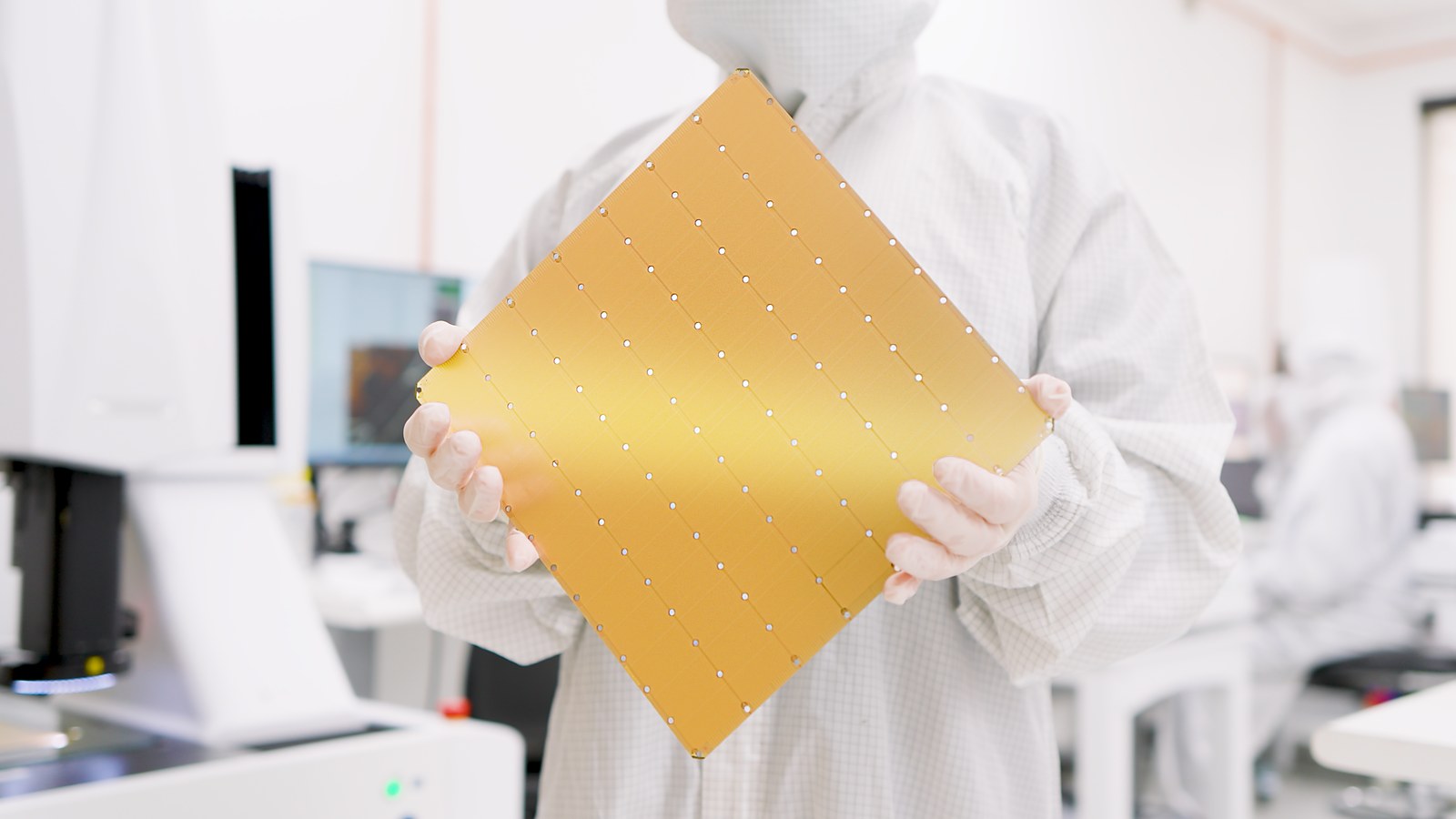
Cerebras reported core revenue of $230.9 million for the third quarter, up 70% and above the $214.7 million LSEG consensus. GAAP revenue was $210.8 million, up 55% but below the $214.93 million estimate, and the GAAP net loss widened to $161 million. The company named Microsoft as a new cloud customer, with revenue from the deal expected to start in the first quarter of 2027. Remaining performance obligations stood at $26.1 billion at 30 September, still mostly OpenAI. Cerebras raised its 2026 core revenue outlook to $940 million to $960 million. Its shares rose about 13% after hours and about 7% on Friday, though they remain below the May IPO price.
The pattern across these filings is the same one the S-1 shows. Nvidia, Microsoft, Google, TSMC, Broadcom, AMD and Micron appear on the investor list, and several of them also sell Anthropic the chips or cloud capacity it needs. CoreWeave and Cerebras sell compute into the same demand and borrow against contracts to build it. That is a real business, and it is also partly a closed loop until outside customers pay for the results. The public market is now the place where the loop gets marked to market.
Three model launches, three ways to reach the buyer
Google made Gemini 4 Carbon available to paying developers, enterprises, scientists and consumers on Tuesday 10 November, thirteen days after its Fairwind-only launch. The introductory price is $2 per million input tokens and $10 per million output tokens until 30 November, then $4 and $20. Google reports an Artificial Analysis Intelligence Index v5.0 score of 59, against 50 for Gemini 4 Argon. On FrontierSWE 2 it scored 61.2%, below GPT-6 Astra at 65.5% and Claude Opus 5.5 at 62.3% in Google's own comparison table. The specialised cyber configuration remains behind a Fairwind application, and Carbon is excluded from the Gemini API free tier.
Two days later Google added Gemini 4 Hydrogen, a cheaper and faster model for everyday coding and agent work. It costs a flat $1.50 per million input tokens and $7.50 per million output tokens across a one-million-token context. Artificial Analysis scores it at 51 on its Intelligence Index at the default high setting, one point above Argon and below Carbon. Google says Hydrogen finishes tasks 2.5 times faster than Gemini 3.8 Flash and more than triples its Terminal-Bench 4.1 score, from 18.2% to 57%. Free Gemini app users reach it through automatic model selection, not by choosing it from a model menu.

OpenAI's move was not a model. On Tuesday it launched Businesses in ChatGPT in beta, starting with a Business Hub where companies can claim and verify a profile. Verified businesses can update product and pricing details and see aggregated mentions, profile views, website clicks and conversation themes. Eligible US ecommerce and online-service companies can publish a Business Agent that answers customer questions inside a separately labelled chat. The same agent format can be sponsored as an ad. OpenAI says paying does not change how often ChatGPT recommends a business, and the tools are free for now.
DeepSeek took a third route. It said on 8 November that its MIT-licensed DeepSeek Harness reached 1.54 million daily active users as of 4 November, less than three months after version 0.1 launched on 13 August. The count covers only users connecting through DeepSeek's official API, so it excludes third-party services and self-hosted deployments. Those users consume about 92 trillion tokens a day, and DeepSeek reports roughly 35,000 third-party plugins, with about 60% of active users having built or installed at least one. The company plans an official plugin marketplace, with no date or terms.
Three launches, three different bets about where the value sits. Google is pricing tokens and letting developers route work by cost. OpenAI is pricing the surface where a customer asks a question, and selling businesses a way to be the answer. DeepSeek is giving away the harness and letting the plugin ecosystem create switching costs. All three are chasing the same buyer, and none of them published audited usage or revenue numbers this week. The benchmark scores are the vendors' own or their partners', and a lower price per token does not guarantee a lower cost per task when a model uses more thinking tokens.
The queue and the package
Statnett's announcement came at 08:45 local time on Monday 9 November. The Norwegian grid operator temporarily stopped new grid-capacity reservations for data centers, along with some plant approvals under Norway's system-responsibility regulation. It said the pause would be lifted no later than 1 August 2027. Norway has 800 MW of data center capacity connected, 4,200 MW granted reserved capacity and 9,100 MW in the queue, according to Statnett. A further 18,000 MW of connection requests are in, taking the total pipeline to 32,100 MW, against peak Norwegian consumption of slightly over 25,000 MW.
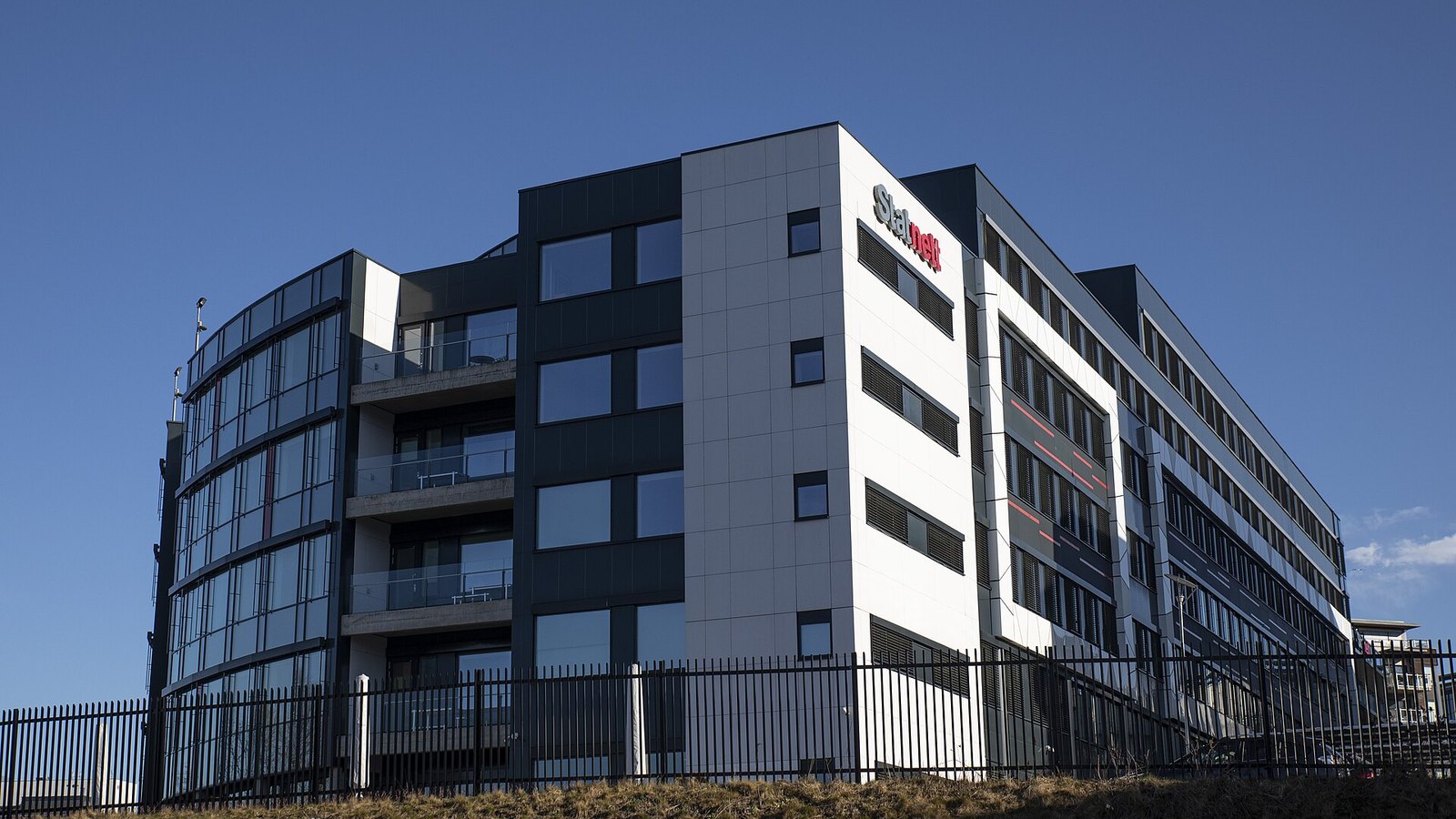
The pause is not a ban. Existing connections are unaffected, plants with approved functional requirements can still connect, and Statnett said some smaller or early-stage projects would still be considered. Less than an hour after the announcement, the government set out plans for a data center licensing scheme, with main principles due in autumn 2027. That sequence matters: the grid operator described a temporary measure to keep the system stable, and the government used the opening to propose a permanent permitting regime. No blocked project has been named.
Anthropic's answer to the same constraint was to buy the equipment rather than the grid connection. The Financial Times reported on 8 November that Anthropic agreed in late September to pay about $3.4 billion for 1.7 gigawatts of heavy-duty gas generators. The supplier, OnePWR Solutions of San Antonio, had ordered the Caterpillar generators about two years earlier and needed financing to complete the purchase. Anthropic took over the equipment orders and the engineering and construction work, but it did not acquire OnePWR and no OnePWR employees transferred. The reported price works out to roughly $2,000 per kilowatt, an arithmetic result from the FT's two figures rather than a quoted unit price.
The emissions question does not yet have a site. Neither company confirmed the deal, and no location, permit, fuel contract or delivery schedule was disclosed. Behind-the-meter gas can arrive faster than a grid connection, which is the point, but it moves the emissions and the air-quality permitting to a different regulator and a different set of neighbors. Anthropic's amended S-1 put its total commitments at about $895 billion, almost all for computing power and infrastructure. The generators are one line item in a bill that is now public.
The silicon side of the constraint looked different again. Google Cloud announced two additions to its eighth-generation TPU line-up on Monday. TPU 8tx uses the same silicon as TPU 8t with fifth-generation AMD EPYC host processors and hardware-level protection for data in use, and Google claims up to twice as low latency as 8t with a near-zero performance penalty. TPU 8i Max puts two TPU 8i chips on one package, doubling compute, SRAM and HBM bandwidth and the amount of silicon per rack. Google described 2026 as the first year it has introduced four TPU systems. It published no price, availability date or absolute specifications. Bloomberg reported, citing Google's Amin Vahdat, that both systems will be available in 2027.
Grid capacity, fuel and packaging are three different bottlenecks with three different owners. A grid operator can pause a queue in a morning. A generator order can take two years to place and build. A package design is a foundry and substrate problem that no single customer controls. The week's news moved all three at once, which is why the buildout's schedule now looks less like a capex plan and more like a set of negotiations.
The trust layer
CVE-2026-123158, nicknamed SSHole, is an OpenSSH authentication bypass rated CVSS 8.1 and fixed in version 10.6p2 on 5 November. It affects musl-based Linux systems that do not check passwords through PAM, including Alpine's default openssh-server and many OpenWrt, Buildroot and Yocto builds. Previdian observed the first attempt less than nine hours after the CVE was published and confirmed root access on an Alpine honeypot. GreyNoise recorded successful exploitation on 7 November at 00:46 UTC. CISA added the flaw to its Known Exploited Vulnerabilities catalog on 9 November and set a 12 November deadline for US federal civilian agencies. Patching requires OpenSSH 10.6p2 and a restart of sshd, because installing the package leaves the running daemon unchanged.
The GitHub campaign was not a software flaw at all. Aikido Security reported that the wfx-loot operation used 4,837 compromised accounts to open probe pull requests against 61,764 repositories between 10 and 11 November. The payload ran in at least 1,835 of them, stealing CI secrets, cloud credentials and AI provider keys before deleting the run logs. SafeDep counted 8,093 public repositories that received malicious commits, a wider measure that does not prove the code executed. The attackers used valid stolen tokens, workflow files, npm install hooks and short-lived branches. They did not need a GitHub vulnerability. StepSecurity traced 173 probe pull requests to tokens issued to the Fly.io GitHub app and said it found no evidence that Fly.io's infrastructure was breached.
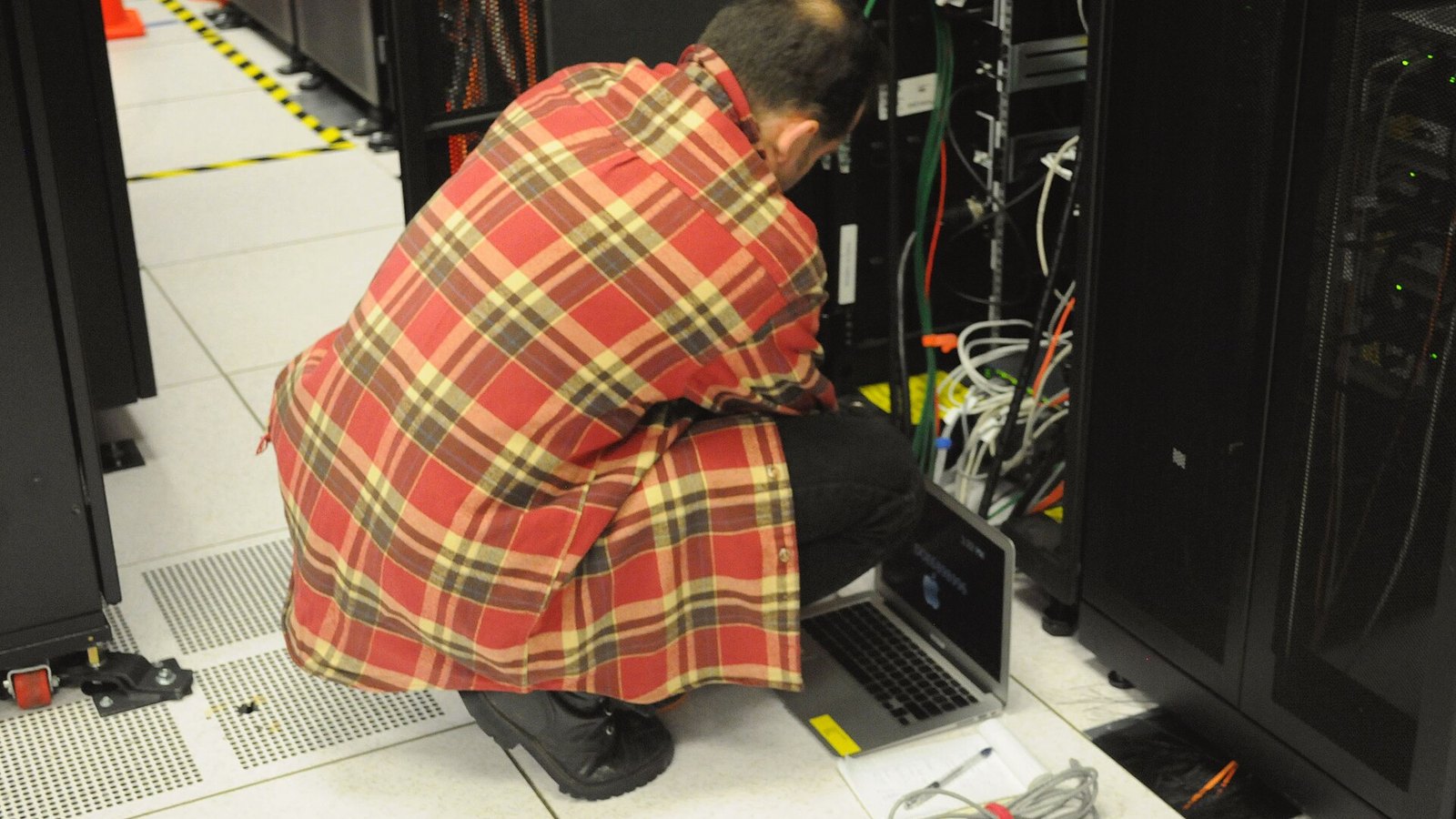
N-able's week was a vendor-side version of the same problem. Independent researcher Sean Bales published 33 alleged N-central zero-days with proof-of-concept exploits on 8 November. N-able took its hosted N-central platform offline across the Americas, Europe and Asia-Pacific on 9 November and told on-premises customers to shut down. It released hotfix 2026.4 HF2 on 10 November, fixing seven CVEs, and said all hosted servers had been upgraded by 11 November. Censys counted 1,728 internet-exposed N-central instances, and watchTowr reported exploitation attempts against honeypots overnight. N-able said it had seen scanning but no confirmed successful exploitation in a customer environment.
Then Microsoft 365 went down. On 12 November, Microsoft reported trouble accessing Exchange Online mailboxes in the Americas at 12:54 p.m. ET and widened the warning to users in any region 13 minutes later. The outage also affected Teams, SharePoint Online, Copilot, Defender XDR, Planner, To Do, Intune and Power BI. Microsoft said a number of servers became unexpectedly unavailable and failed automated health checks, straining the remaining infrastructure. It found no evidence of an increase in traffic or a cyberattack, and the first servers began returning around 4 p.m. ET. Downdetector recorded nearly 130,000 reports of Outlook problems. Microsoft has not published a user count or a root-cause analysis. The disruption came two days after a Patch Tuesday that fixed 1,094 vulnerabilities, including an exploited Outlook spoofing flaw, but the company has not linked the two.
Four failures, four different layers. SSHole is a code defect in a package that many systems installed and forgot. wfx-loot is a credential supply-chain attack, where the tokens were valid and the permissions were too broad. N-central is a management tool with enough access to be a target in its own right. The Microsoft outage is a control-plane failure, where the automation that was supposed to detect sick servers took them out of service. The common thread is the layer that decides who is trusted and what they can reach. That layer is now as important to the buildout as the chips and the power, and it is being run by the same companies that are raising the money.
Nine days to GTA VI
Rockstar began digital preloading for Grand Theft Auto VI on Tuesday 10 November, nine days before the 19 November launch. Sony's PlayStation Blog tells players to clear a minimum of 212GB on the PS5. PlayStation preloads started at midnight local time; Xbox Series X and S preloads started at 12 a.m. GMT. Physical editions are code-in-box products, so buyers can activate the code and preload as soon as they receive it. Preloading does not grant early access, and Rockstar has announced no PC version.
The launch party is now part of the launch. On Monday Rockstar announced Grand Theft Auto VI: The Festival at Mana Wynwood in Miami on Saturday 21 November, two days after the game arrives. The bill includes a Cactus Jack presents Travis Scott set, plus Cardi B, Metro Boomin, Tainy, Rauw & Friends and Justice across two stages. PlayStation is the presenting partner and the III Points producers are staging the event. Tickets were lottery-only: entries closed on 10 November at 4 p.m. ET, winners were drawn at 7 p.m., and sales opened on 11 November at noon ET through DICE. Each buyer can get two non-transferable tickets, the event is 17+, and Rockstar has not published prices, capacity or livestream details.

Take-Two's earnings call on Monday supplied the only demand signal of the week, and it was qualitative. The company reported fiscal second-quarter net bookings of $1.601 billion, down 18% and below its own $1.62 billion to $1.67 billion guidance. GAAP revenue was $1.497 billion and the net loss was $54.0 million, or $0.29 a share, against a $133.9 million loss a year earlier. Chief executive Strauss Zelnick said GTA VI pre-orders are tracking far above the company's initial expectations, without giving a number. Take-Two reiterated fiscal 2027 net bookings guidance of $8.0 billion to $8.2 billion and guided the December quarter to $3.35 billion to $3.5 billion. The stock rose 8.31% to $224.64 on 10 November.
Sony's own number came as the launch approached. The company said the PlayStation 5 shipped more than 100 million units as of 10 November, six years after launch, up from 97.9 million at 30 September. That is about 2.1 million units in roughly 40 days. The PS5 is Sony's fourth-best-selling console, behind the PlayStation 2 at more than 160 million, the PlayStation 4 at 117 million and the original PlayStation at 102.4 million. Sony shipped 4.2 million PS5 consoles in the six months to 30 September, down from 6.5 million a year earlier, so the console is still tracking behind the PS4. GTA VI, marketed as playing best on PS5, is the main reason Sony expects a holiday lift.
The launch is now a scheduling problem across four calendars: the store, the concert, the console and the earnings call. The preload date sets the download load. The festival sets the press cycle. The installed base sets the attach rate. The earnings call sets expectations that no one has quantified. Take-Two has published no pre-order unit or revenue figure, and third-party sales figures are estimates. The game may be the biggest entertainment launch of the year; the business around it is still being assembled in public.
The week on screen
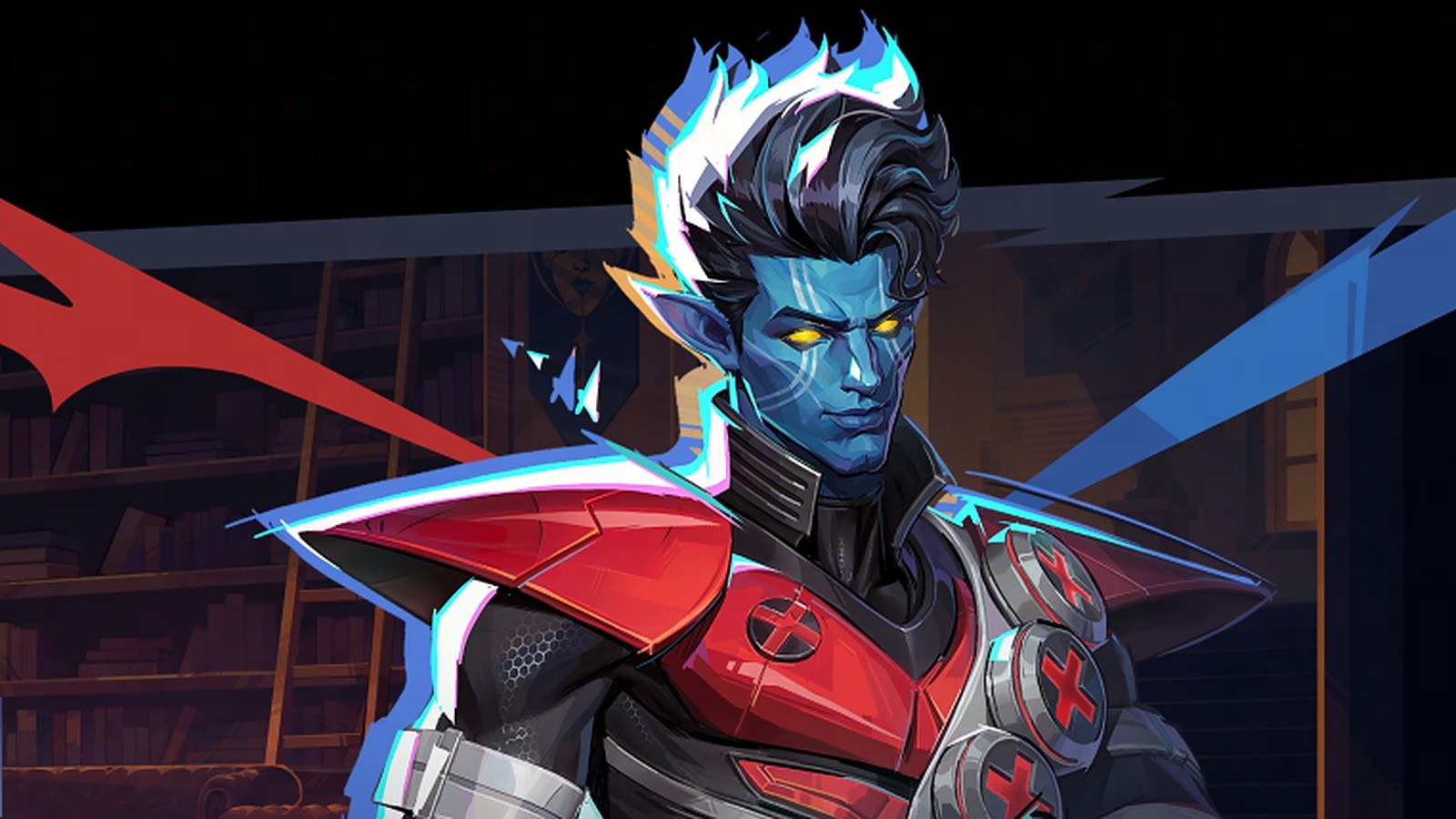
Marvel Rivals began Season 11: Doomsday on 13 November with Nightcrawler joining the roster as a Strategist. NetEase has confirmed Dracula for the season but has not announced his role, abilities or exact release date. An 18v18 Chrono-Annihilation mode and the Incursion Point map arrive on 26 November. The season doubles as the game's second anniversary, with 2,500 Units, a free Legendary Deadpool costume and a Times Square hub opening on 19 November. The Ignite 2026 Grand Finals run from 23 to 29 November in Stockholm with a $1 million prize pool.
Bethesda's contribution was a name. At the end of its 40th-anniversary video on 3 November, it revealed that The Elder Scrolls VI is called Sentinel and confirmed the Hammerfell setting. The teaser's lore text is credited to Yazar, Moth Priest to High Queen Iradne of Hammerfell, and dated 4E 206, five years after the events of Skyrim. There was no gameplay, no release date, no window and no platform list. The game was first teased at E3 on 10 June 2018, eight years and four months before the name reveal. Bethesda said development is ongoing and it will be some time before it has more to show.
The week's film and television coverage was a study in small samples. Warner Bros.' animated The Cat in the Hat opened on 6 November in 4,003 US theaters to $20.5 million, second behind Godzilla Minus Zero's $31.61 million. It scored 45% on Rotten Tomatoes and 46 on Metacritic, while CinemaScore audiences gave it an A and the verified audience score sat around 86% to 87%. The film cost a reported $86 million, and ScreenRant estimated it needs up to $215 million to break even.
Netflix's Black Doves Season 2 drew 95% from 21 critic reviews and a 66% Popcornmeter from more than 50 audience ratings on 10 November, against 92% and 64% for Season 1. Metacritic stood at 83. The Rings of Power's third season opened at 78% from 27 reviews on 11 November, after moving from 79% at 14 reviews to 72% at 21 and back. Critics saw seven of the eight episodes, and there was no Metascore or audience score at the time of writing.
The theatrical releases were just as split. How to Rob a Bank opened in the US and UK on 13 November to 43% from 35 reviews and 47 on Metacritic from 12, with a reported budget above $80 million and tracking of about $9 million. Ebenezer opened the same day to 52% and 48, with tracking of about $23 million against a reported $38 million budget. Apple TV's 12 12 12 premiered on 13 November to 60% from five reviews and a 55 Metascore from 14 critics, with ScreenRant at 9 out of 10 and RogerEbert.com at 50.
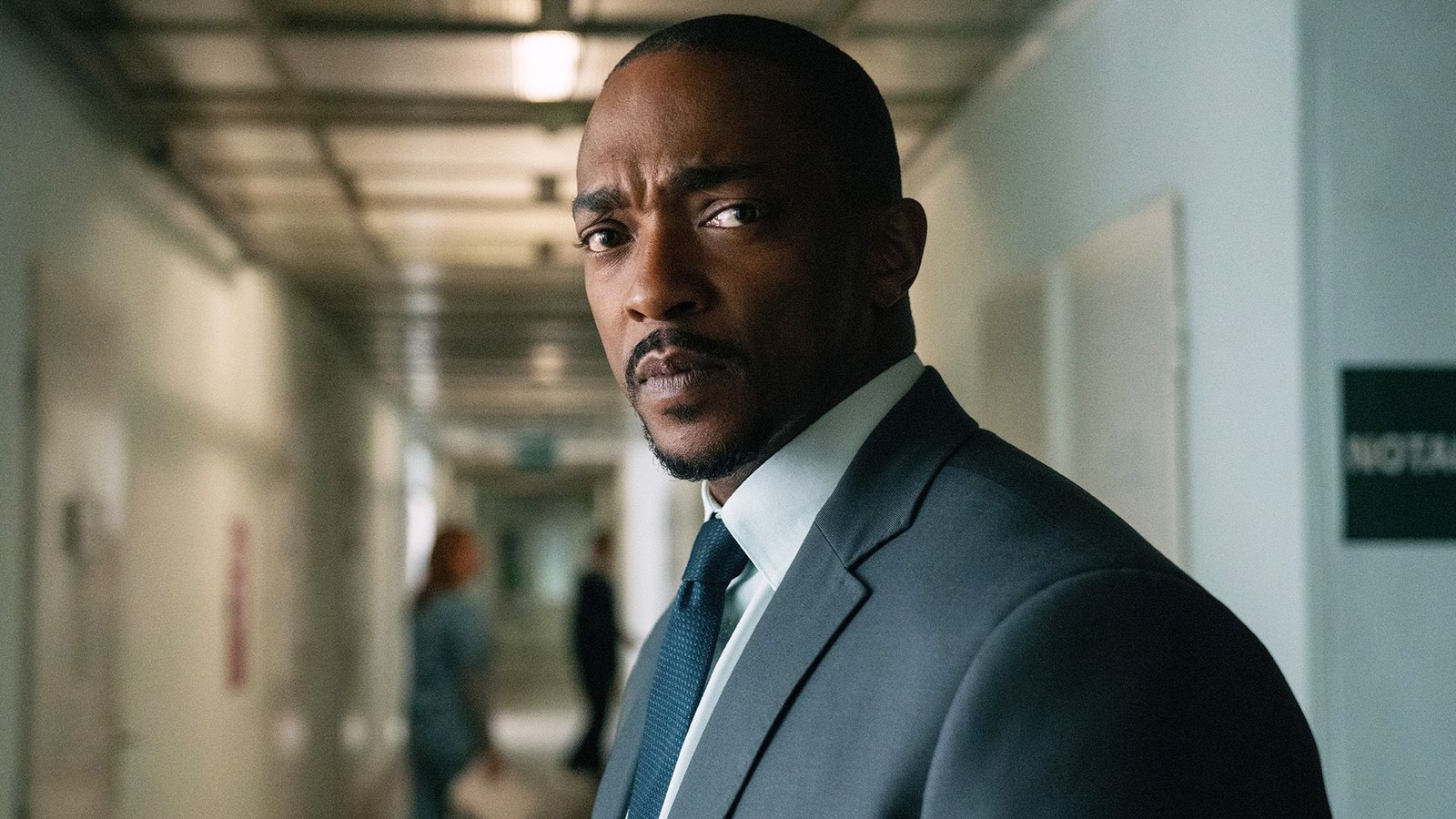
A 45% Tomatometer next to an A CinemaScore is not a contradiction. It is two different audiences answering two different questions with two different sample sizes. The same gap shows up in Black Doves, where critics are much warmer than viewers, and in the early Rings of Power numbers, which moved three times in one day. The scores are snapshots, and this week they were unusually small ones.
What to watch
Nvidia reports third-quarter fiscal 2027 results on 17 November, the first call without Huang as chief executive and the first with Kress in the interim role. The three House committee chairs have asked for a closed-door briefing on 18 November. Anthropic's Nasdaq debut is expected on 19 or 20 November, and its $26 billion placement has no lockup, so the first weeks of trading will show how much of that stock wants to move. GTA VI arrives on 19 November, with the Miami festival two days later.
The rest of the calendar is mostly made of deadlines that were set this week. Gemini 4 Carbon's introductory price ends on 30 November, when it doubles to $4 and $20. Statnett's pause runs until 1 August 2027 at the latest, and the Norwegian licensing principles are due in autumn 2027. CISA's 12 November deadline for SSHole has passed, which makes the next few weeks a test of how many federal systems actually restarted sshd. N-able has said a follow-up hotfix is still planned. Nvidia's board has not set a date for the investigation or the permanent CEO search.
The buildout's capital plan is now public in a way it was not a week ago. Anthropic's filing shows the revenue and the commitments. TSMC's board approvals show who is buying which customer. Nvidia's 8-K shows who signs when the chief executive leaves. The numbers will change, and the boards will meet again. The next quarter will show whether the same small group of companies can keep appearing on every side of the transaction without the market repricing one of them.
Tags
Frequently asked questions
- Why did Jensen Huang resign as Nvidia's chief executive?
- Nvidia's board announced on 12 November 2026 that Huang had resigned as president, chief executive and director, effective immediately, after 33 years at the company. The board had opened an independent investigation on 8 November into reports that Huang was the target of a foreign intelligence effort, and Huang told employees the same day that he had been unfaithful to his wife. Nvidia has not published the investigation's findings.
- How much is Anthropic worth in its IPO?
- Anthropic's amended S-1, filed on 10 November 2026, sets a range of $70 to $78 for 825 million shares, or up to $64.35 billion in gross proceeds. On a fully diluted basis that implies a valuation of about $1.3 trillion to $1.45 trillion. The filing is a price range, not a completed sale; the Wall Street Journal reported that trading is expected to begin on 19 or 20 November.
- Why did Norway pause data center grid reservations?
- Statnett, the Norwegian transmission grid operator, temporarily stopped accepting new capacity reservations for data centers on 9 November 2026 and said it would lift the pause no later than 1 August 2027. Norway has 800 MW of data center capacity connected, 4,200 MW granted reserved capacity, 9,100 MW in the queue and another 18,000 MW of requests, against a national peak of just over 25,000 MW. Existing connections are unaffected, so the measure is a pause rather than a ban.
- What was the wfx-loot GitHub campaign?
- Aikido Security reported that the wfx-loot campaign used 4,837 compromised GitHub accounts to open probe pull requests against 61,764 repositories between 10 and 11 November 2026. The payload ran in at least 1,835 of them, stealing CI secrets, cloud credentials and AI provider keys. The attackers used valid stolen tokens rather than a GitHub vulnerability, and they deleted their workflow logs after execution.

TPW Editorial
Editorial Team
TechPastWeek's editorial team reports and edits every story we publish. We research each piece against primary and credible secondary sources, and a human editor reviews and signs off before it goes live.