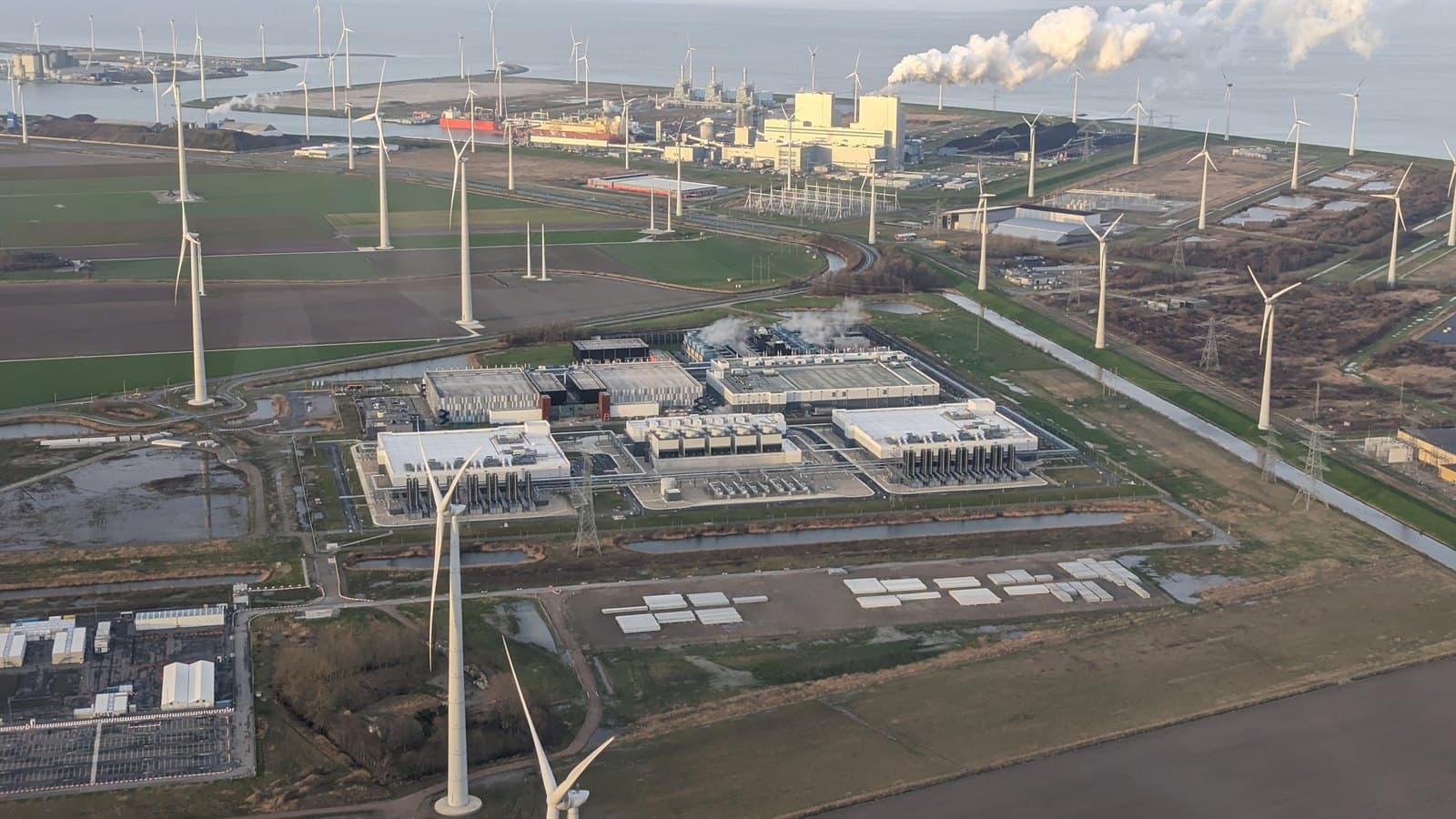
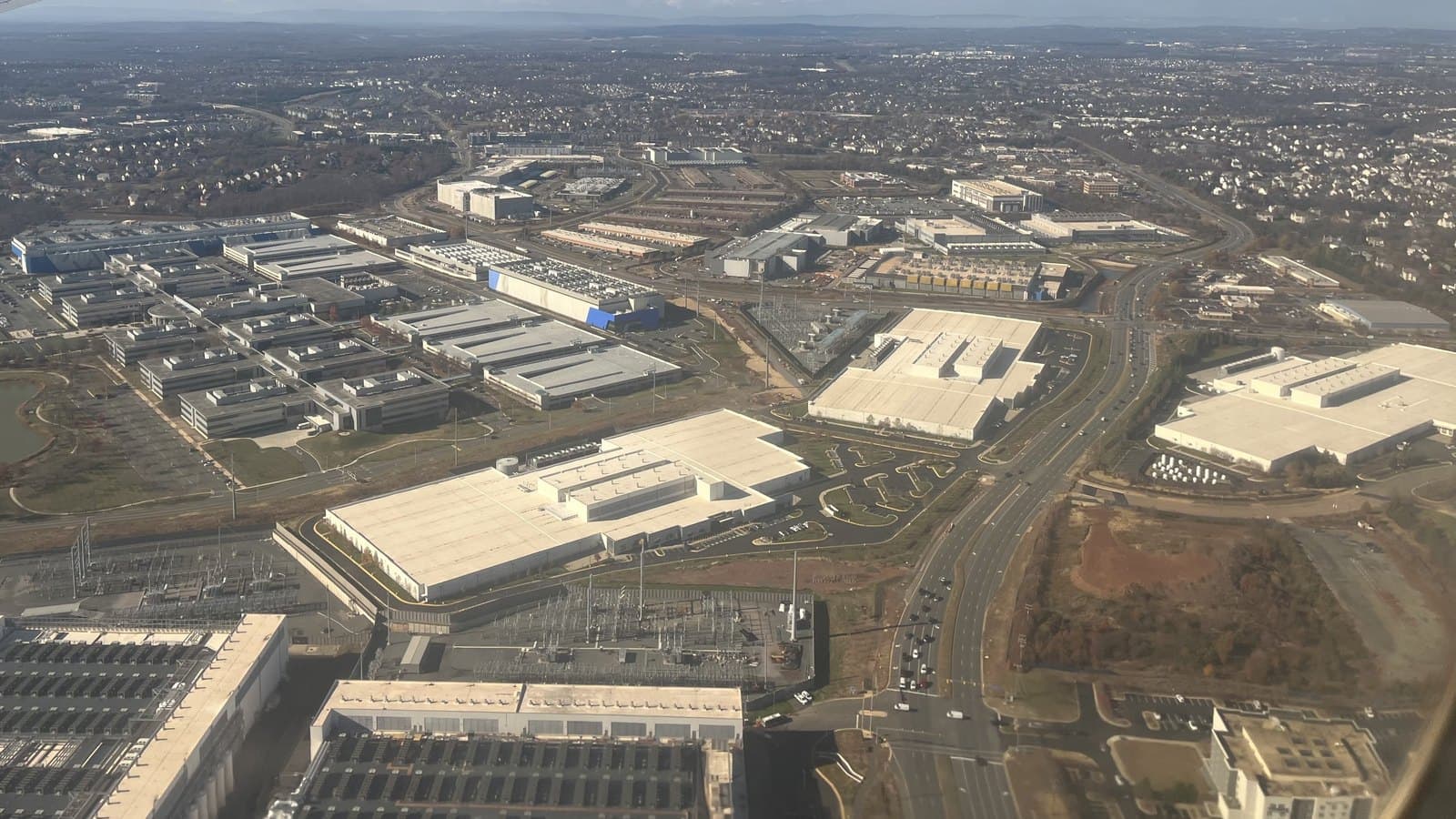
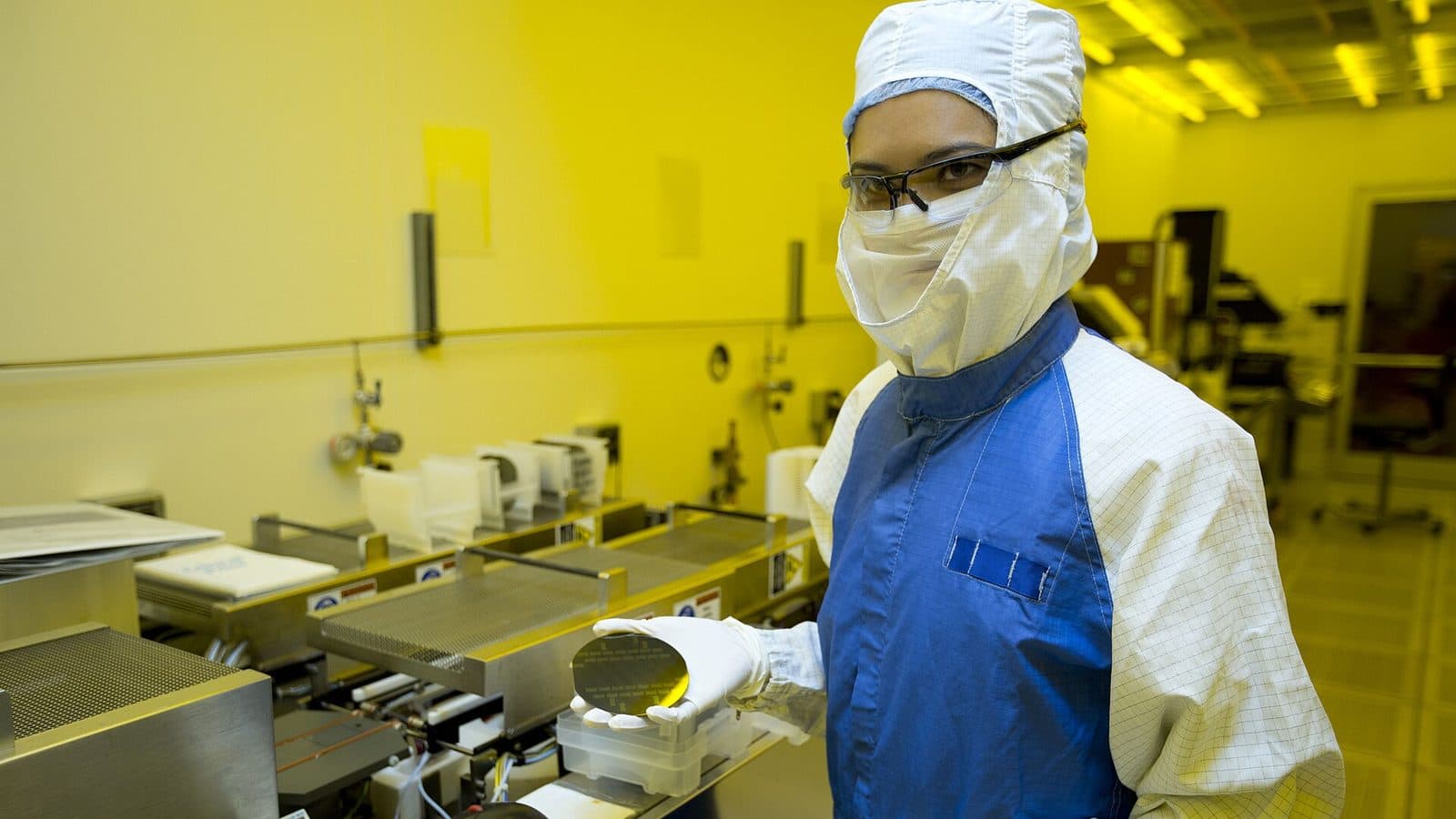
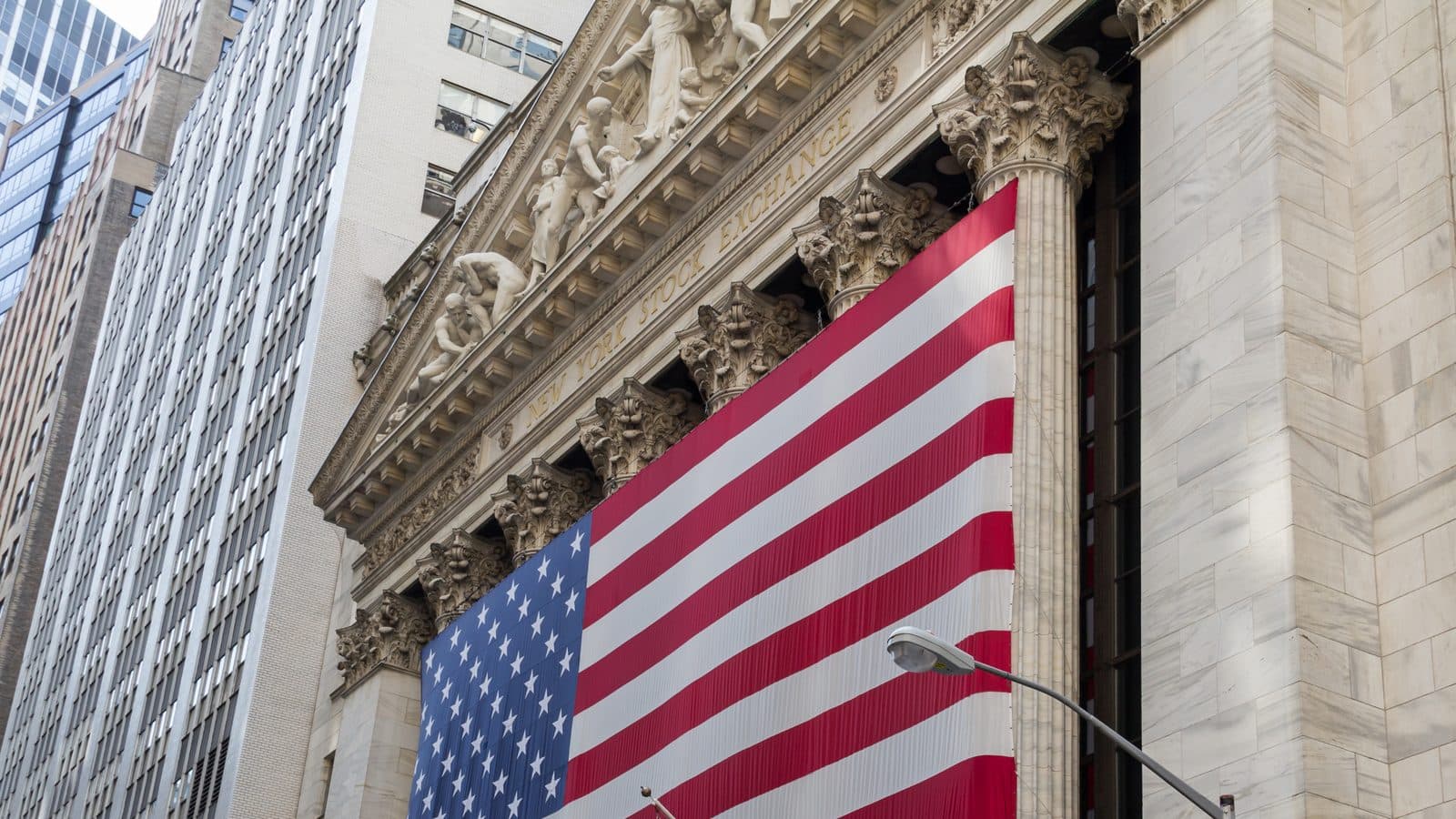
The Week in Tech: The Buildout Meets Its Voters
Voters rejected data centers in 40 of 41 local contests, the Nasdaq lost $2.5 trillion, and Europe's AI protests reached a Microsoft site in Amsterdam

On this page
Key takeaways
- Voters backed restrictions or rejected pro-development measures in 40 of the 41 local data center contests held across 10 states on 3 November 2026; the exception was Harwood, North Dakota.
- The Nasdaq Composite fell 5.52% to 24,315.00 on 5 November 2026 and lost about $2.5 trillion in market value, a record one-day markdown, after Democrats won the House, the Senate and key governorships.
- On 6 November 2026, protesters breached the fence of a 78 MW data center site in Amsterdam that is leased entirely to Microsoft, opening two days of actions in 15 to 16 European countries.
- Nvidia made its Fleet Intelligence telemetry agent mandatory for Southeast Asian cloud partners, Oracle cancelled a $7 billion Tencent lease, and Marvell agreed to buy Lumentum for $115 billion.
- Apple guided holiday-quarter gross margin to 45-46% on memory costs, Chainalysis disclosed a breach affecting all users, and the Ocarina of Time remake opened at 96 on Metacritic.
The vote count was 40 out of 41. On 3 November, across 10 states, voters backed restrictions on data centers or rejected measures that would have made them easier to build. The one loss was in Harwood, North Dakota, where a proposal for extra review of industrial projects failed. Ohio put 21 of the measures on its ballots and at least 14 municipalities passed bans or limits. In Texas, Gina Hinojosa unseated Greg Abbott after campaigning for a moratorium.
Related reading: The Week in Tech: The Buildout Meets Its Balance Sheet · The Week in Tech: The Bill Comes Due.
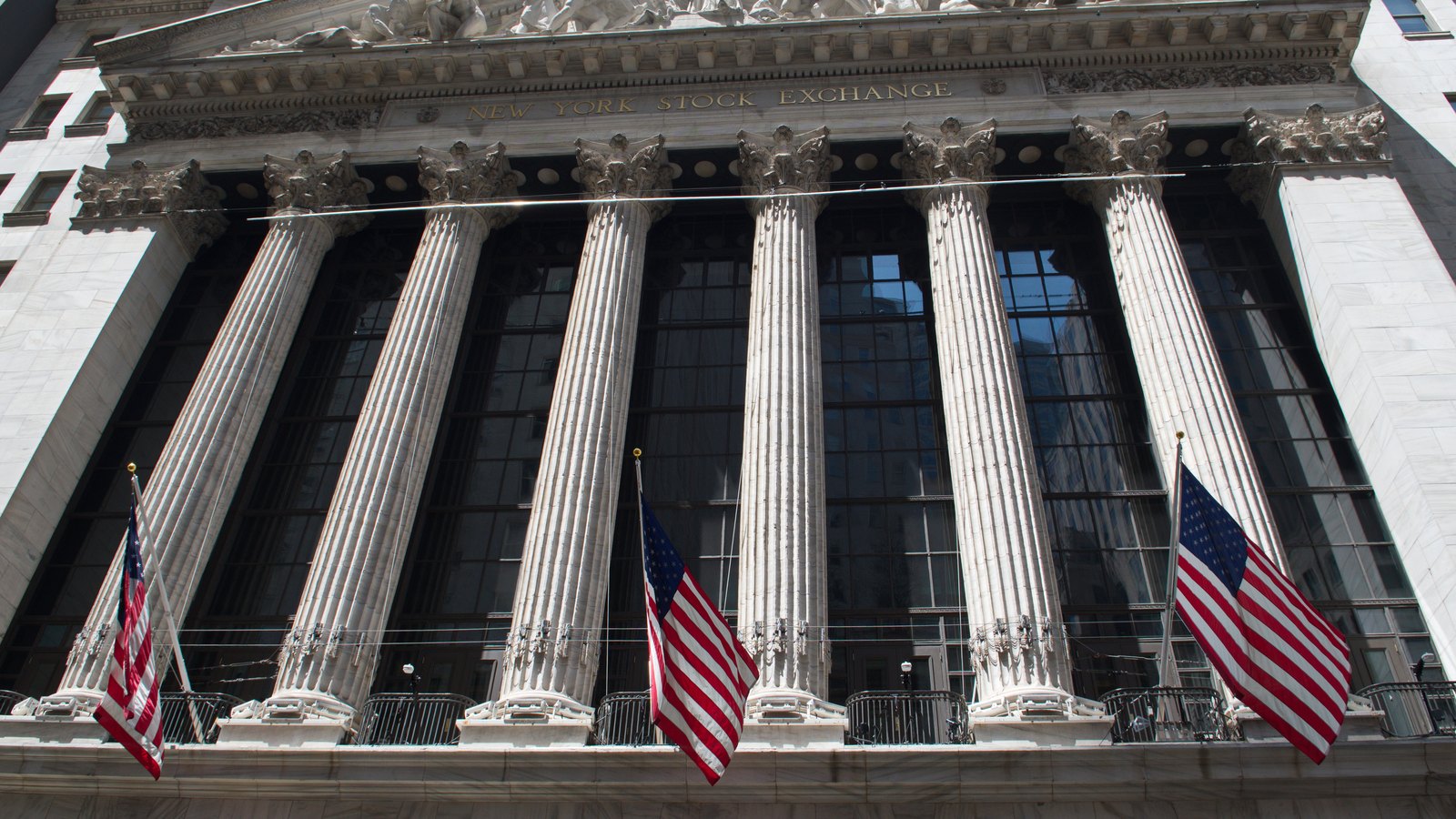
Two days later the Nasdaq Composite fell 5.52% to 24,315.00 and lost about $2.5 trillion of market value, the largest one-day markdown on record by the Wall Street Journal's count. The trigger, as the market told the story, was the same election.
One day after that, Dutch police used batons, pepper spray and tear gas to clear protesters from a 78 MW data center construction site in Amsterdam's Westpoort district. The site is leased entirely to Microsoft. It sits on a 2016 planning application that predates both the city's moratorium and the national ban on hyperscale campuses.
The same buildout was being judged in three places at once: at the ballot box, in the market and at the fence line. Each verdict had a different mechanism and a different time horizon, and none of them cancelled a project. That is what made the week worth reading closely. For two years the constraint on AI infrastructure was capital, chips or power. This week it looked more like permission.
Forty-one local votes, forty losses
The local results were the most concrete. Ballotpedia counted 41 data center measures in 10 states, and CNBC surveyed the outcomes. The votes were not a national referendum. They were a set of municipal decisions about zoning, tax abatements and specific sites, which is why the margins were so wide and why the consequences will take years to appear.
Ohio was the center of gravity. It has more than 200 operational data centers, the fifth-most of any state, and companies have announced plans for up to $40 billion of AI infrastructure there by 2030, according to Ohio Department of Development figures cited by Fortune. The state already had 125 local moratoriums before Tuesday. Then at least 14 more municipalities passed restrictions.
The individual results were blunt. Sunbury passed a charter amendment banning data centers that use 25 megawatts or more. Pataskala passed a ban on large data centers. Trenton passed one by 80% to 20%. Perry required developers seeking tax breaks to post financial guarantees, with more than 87% support. Wilmington rejected rezoning in four referendums, each by about 80%. Ashville voted to block a campus already under construction, the result most likely to end up in court.
The polling explains the margins. A Gallup poll in May 2026 found about 70% of Americans opposed data centers in their local areas. An ICAPP/SurveyUSA poll of 1,650 Ohio adults last month put opposition at 55% against 22% support, and opposition to tax breaks at 65% against 15%. Nationally, 56% of voters told CNBC's Voter Poll that data centers were a major factor or more in their decision. That last figure measures salience, not direction. It says the issue moved votes, not which way.
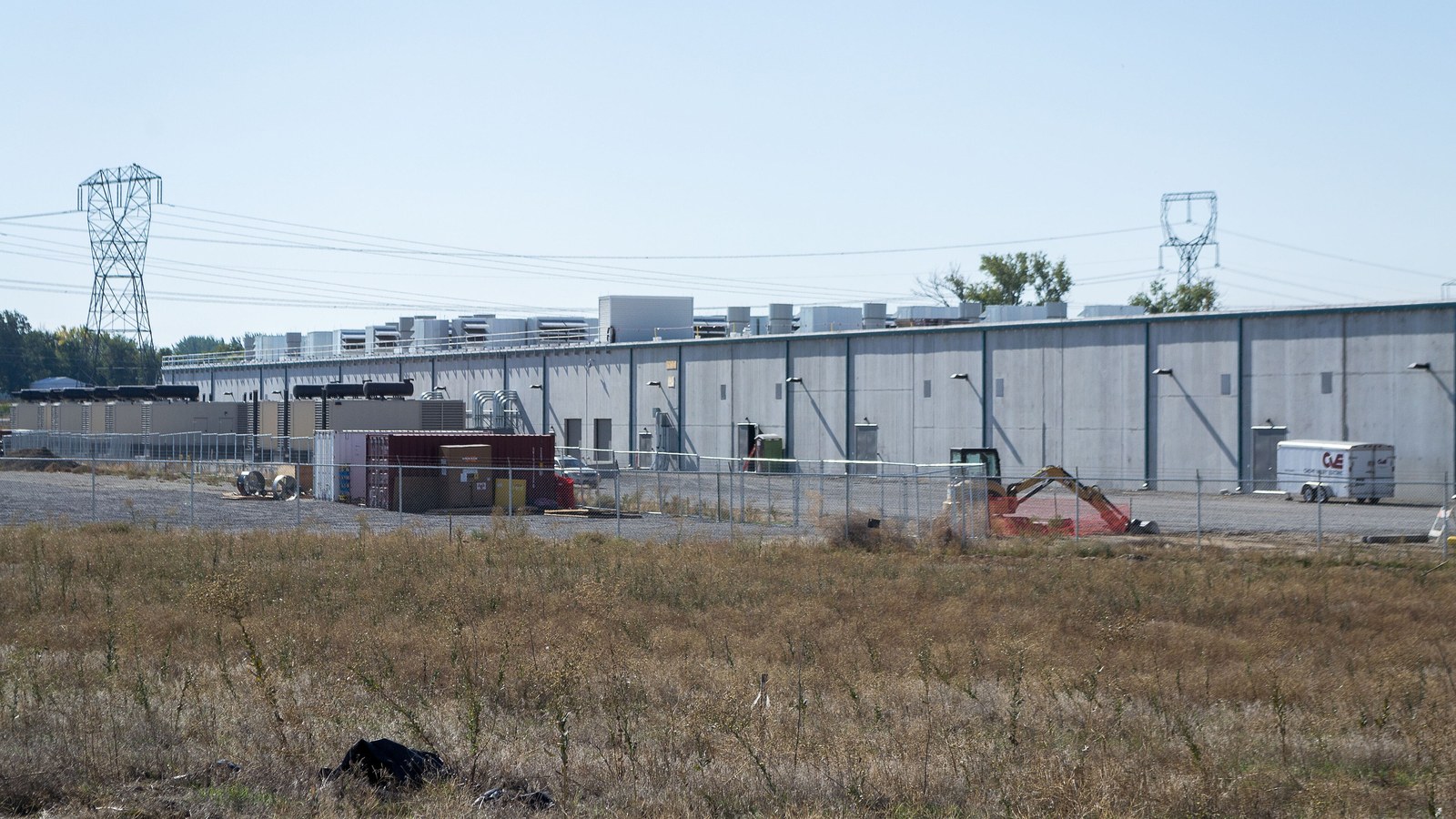
Texas matters more than the sum of the local votes. The state is on track to become the world's largest data center market by 2030, and Dan Ives of Yorkville Ives told CNBC that 25% to 30% of US data center capacity is expected there. Wells Fargo puts 27% of planned gigawatts in the state. Jefferies estimates that about 13.3 GW of announced Texas projects would be at risk under a Hinojosa moratorium, a figure CNBC cited. Those are analyst estimates of announced projects, not a count of built capacity.
A local ban stops one site. A governor shapes the agencies that decide how quickly the next wave moves: the Texas Commission on Environmental Quality for permits, the Public Utility Commission and ERCOT for grid connections. Commissioners serve staggered terms. A governor cannot cancel a project with a signature. That constraint is real, and it means the pressure would arrive through appointments, grid rules and permit decisions over years. That is harder to price than a single ban and harder to reverse once it starts.
The same election changed four statehouses. Democrat Amy Acton beat Vivek Ramaswamy in Ohio, 52.0% to 44.8%, after backing a conditional moratorium that would require data centers to cover all utility costs and build with union labor. Sherrod Brown defeated Senator Jon Husted, whom CNBC called the face of data centers. Democrats also won or held governorships in Georgia and Pennsylvania. Bloomberg reported that the results would expose about half of AI data center proposals to more scrutiny. That is a forecast about political risk, not a list of doomed projects.
No company announced a cancellation because of the votes. A share price is a reaction to risk. A cancelled lease is a fact. The gap between them is where the next year of this story sits.
The market prices permission
Thursday's session was the largest and least specific of the three verdicts. The Nasdaq fell 5.52% and closed more than 10% below its record, in correction territory. The S&P 500 fell 4.36% to 7,353.73. The Dow lost 1,833.06 points, or 3.44%, to 51,523.06, and the Russell 2000 fell 4.45% into a correction of its own. All three major averages had their worst day since April 2025, CNBC reported.
The semiconductor complex took the damage. The iShares Semiconductor ETF fell about 12%, its worst day since March 2020, and every component closed down more than 6%. Nvidia fell 9%, Broadcom 10%, AMD and Micron about 15% each, Astera Labs 17%, MACOM 18% and Arm 12%. Qualcomm fell 9% despite beating earnings, because its outlook was weak. CoreWeave fell almost 10%, Nebius 15% and IREN almost 17%. The VIX touched 28.09 intraday, its highest since 31 March.
Two days earlier, the same election had produced the best session since April 2025, with the Dow up more than 1,500 points. Thursday wiped that out. The sequence is the clue. The market first read the result as settled politics, then separated the result from its consequences for one trade: the assumption that data centers would keep getting permitted on schedule.
The $2.5 trillion needs a definition. It is the change in the market value of Nasdaq-listed companies on paper, not cash removed from the economy, and it can reverse with the next session's prices. CNBC's separate snapshot of the Magnificent 7, taken heading into the final hour, put the group down close to $900 billion: Nvidia $374 billion, Tesla $161 billion, Microsoft $117 billion, Apple $59 billion, Meta $58 billion, Amazon $55 billion and Alphabet $42 billion. Those are two measurements of two different things, and neither describes the close.
Rates were not the story. The odds of a 25 basis point Fed hike at the 9 December meeting fell to 70.1% from 82.7%, according to CME FedWatch data cited by CNBC. Lower hike odds would normally help long-duration growth stocks. Equities fell anyway. That does not prove the election caused the move, but it makes a purely monetary explanation hard to sustain.
The causal link is the market's interpretation and the judgment of the analysts quoted that day. No company said on 5 November that the election had changed its plans. The political risk premium is now visible and can be priced. Whether it is deserved will show up in schedules and guidance, not in another index move.
The neighbors go over the fence
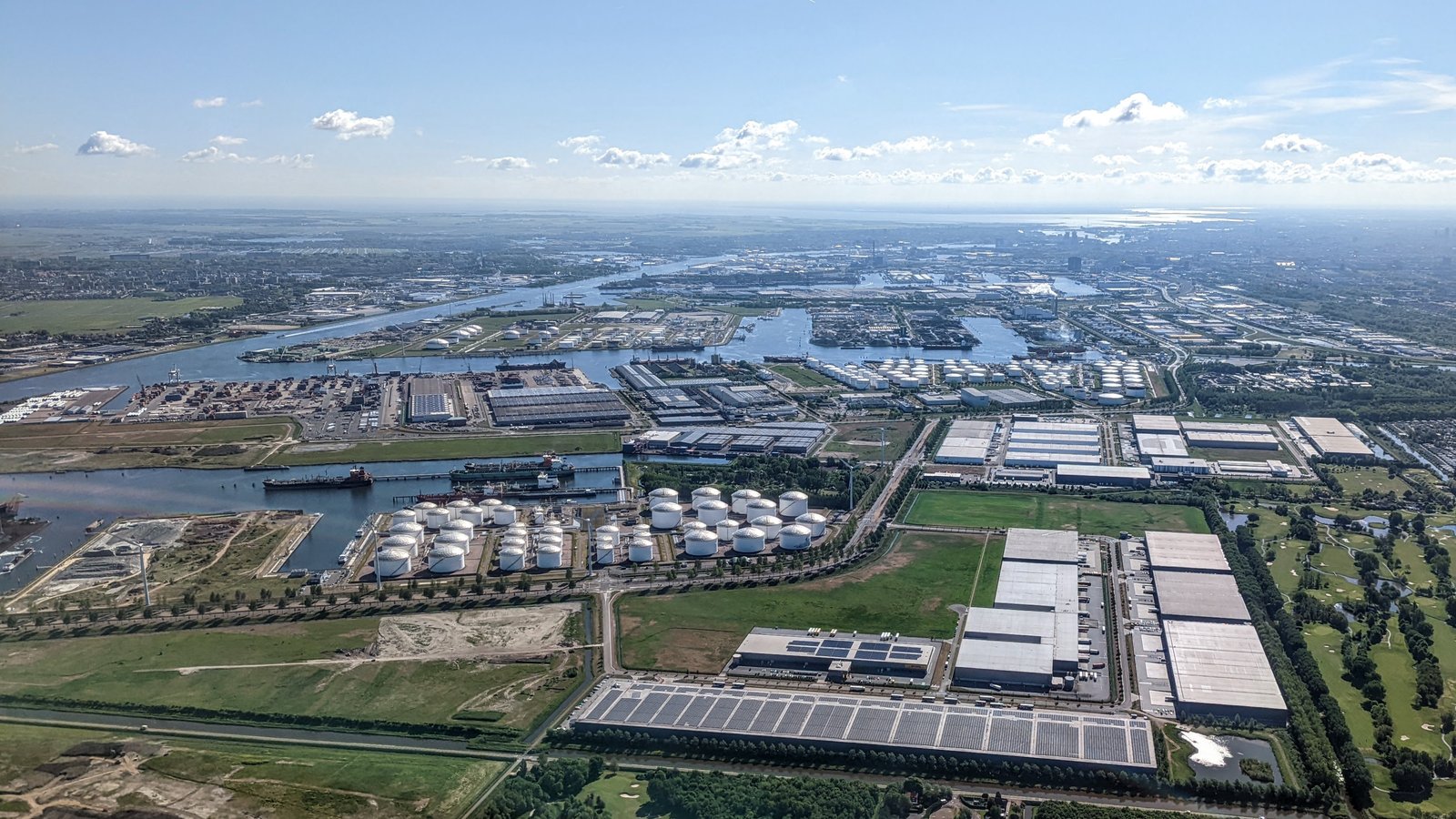
The European version arrived on Friday. Shortly after noon CET on 6 November, activists from the Dutch group Geef Tegengas, joined by Extinction Rebellion and pro-Palestinian demonstrators, pushed past police lines and cut a hole in the perimeter fence at the AMS01 construction site on Plimsollweg in Amsterdam's Westpoort district. They climbed cranes and scaffolding, lit flares, spray-painted foundations and hung banners before Dutch riot police cleared the site with batons, pepper spray and tear gas, The Guardian and Reuters reported.
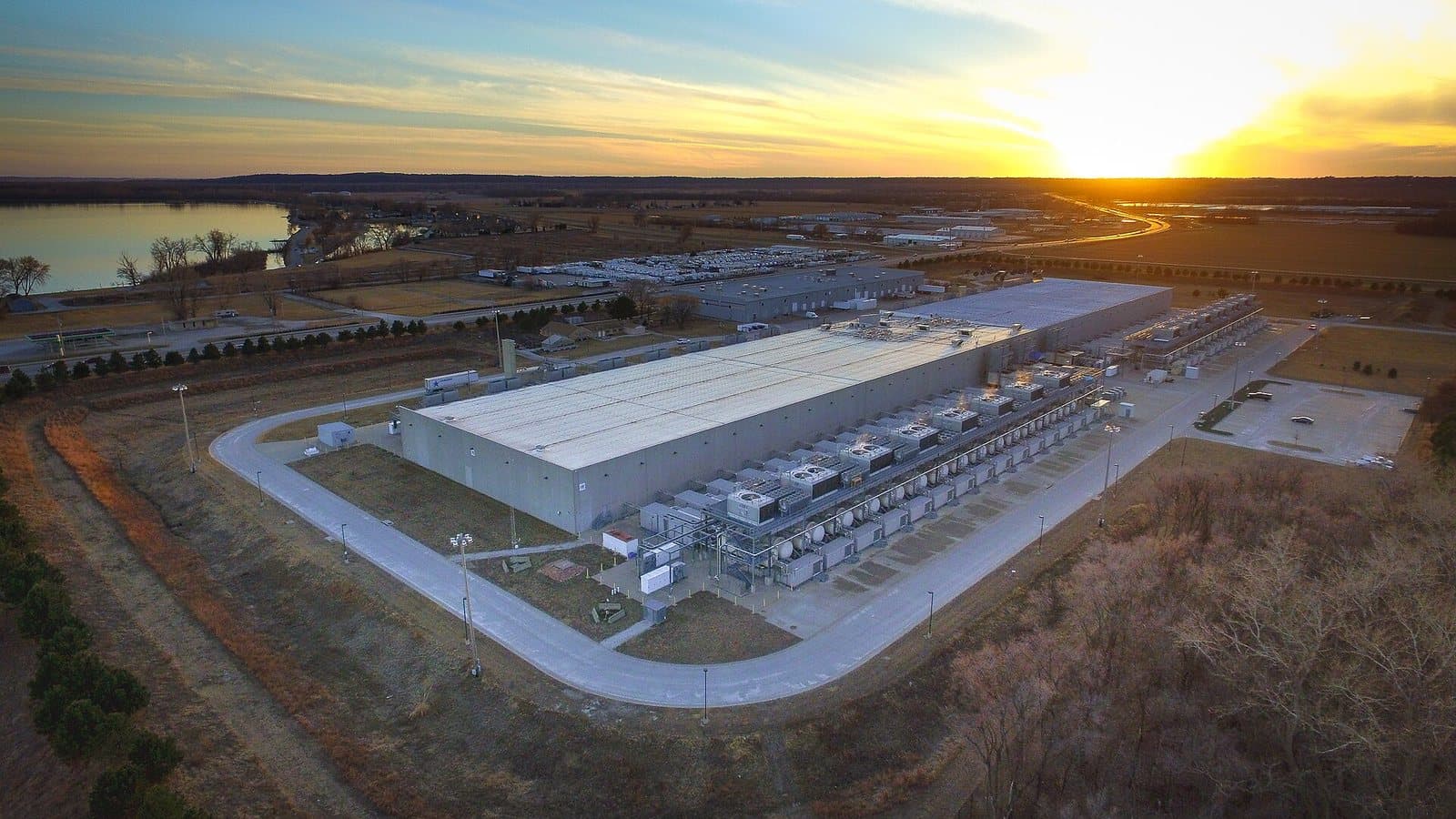
The site is a useful case study in how permission accumulates. Pure Data Centres Group, backed by Oaktree and Brookfield, is spending more than €1 billion on the six-acre campus. It will hold three 85-meter towers of 26 MW each, 78 MW in total, with a private substation already connected to the 50kV grid. Microsoft leases 100% of it.
Amsterdam enacted a moratorium on new data centers in 2019. The national government banned new hyperscale sites above 10 hectares and 70 MW in 2022. Amsterdam extended its local restrictions through 2030 in 2025. AMS01 survived all three because its initial planning application dates to 2016. North Holland approved it to proceed in January 2026. Critics say splitting 78 MW across three 26 MW towers skirts the 70 MW threshold. Legally, the permit held.
The breach opened two days of action organized by Stop Dirty Data Centres, a coalition of more than 100 civil-society and environmental groups. Reuters and Tom's Hardware counted 85 targeted actions in 16 countries; The Guardian and Channel NewsAsia said 15. The coalition demanded a moratorium on large data centers at local, national and EU level. It also said Geef Tegengas is not a formal member and that it did not coordinate the Amsterdam break-in. Crowd counts inside the fence ranged from over 100, reported by Reuters and Bloomberg, to around 500 claimed by Geef Tegengas. Arrest figures ranged from one confirmed by police to 150 to 200 detentions cited by Al Jazeera.
The numbers behind the anger are less disputed than the tactics. In the UK, 315 data centers are queued for 73 GW of grid capacity against peak national demand of about 45 GW. In Denmark, connection requests top 60 GW, more than eight times peak demand. Those are queue figures, not built load, and a queue can be managed. It is still a long list of requests arriving at grids that were not planned for them.
Brussels wants the capacity and the consent. Henna Virkkunen, the EU's executive vice-president for tech sovereignty, told Reuters that AI is "a super important technology and we need to have our own capacity." She also said it is "very important for citizens that they can trust that their energy bills are not skyrocketing," and that the projects should not destroy the environment. How national grids square those two promises is unresolved. So is the question the Amsterdam site raises: what happens to permits granted before the rules changed.
The industry answers with paper and telemetry
The companies did not spend the week arguing with voters. They spent it rearranging capital and tightening control of their own supply chain, which is a more familiar response and, in the short term, a more consequential one.
Marvell agreed on 2 November to buy Lumentum in an all-stock deal valued at $115 billion including debt. The terms give Lumentum holders 4.500 Marvell shares each, imply $1,132 per Lumentum share and a 23.9% premium to the 28 October close, and leave Marvell shareholders with 67% of the combined company. The deal is expected to close in the first half of calendar 2028. The bet is that optical interconnects, not copper, become the spine of AI data centers. More than $1 billion of targeted run-rate synergies and the $550 billion addressable market are company forecasts. The deal is signed, not closed.
Oracle raised $20 billion on 2 November, split evenly between stock and notes. It priced 86.21 million shares at $116, about $9.9 billion net, and five note tranches from 7.000% due 2029 to 8.650% due 2046. Both offerings were due to close on 4 November and used the full $20 billion capital-markets allowance the company had set for fiscal 2027 through 2030. The proceeds are not earmarked. The signal is that the buildout is now funded partly with debt and equity sold into a market that had just been reminded how much of the trade depends on permits.
AMD's quarter showed the other side of the same arrangement. Revenue was $13.38 billion, up 45%, and data center revenue $8.5 billion, up 97%. Adjusted earnings were $2.09 a share against roughly $1.95 expected, and the fourth-quarter guide was about $17 billion. The result carried a $1.07 billion non-cash charge, 66 cents a share, for warrants issued to OpenAI and Meta. AMD did not pay that money out. It sold future equity to two of its largest customers, and the bill arrived as an accounting cost.
Nvidia's week was about governance rather than money. Bloomberg and Tom's Hardware reported on 6 November that the company made enrollment in Fleet Intelligence, its hardware-telemetry and location-monitoring agent, mandatory for cloud and data center operators in Southeast Asia seeking or keeping Nvidia Cloud Partner status. The badge matters because it carries priority access to supply-constrained GPUs. The software uses GPU telemetry, network configuration and latency to Nvidia cloud endpoints to estimate where accelerators sit. It does not need a GPS chip, and its logs do not flow automatically to Washington. US officials would have to request them from the operators.
Two other reports landed in the same week. The Financial Times said on 3 November that Nvidia verbally instructed cloud partners to sell at least 51% of new computing capacity to non-Chinese customers, a rule reportedly delivered without paperwork. On 4 November the FT reported that Oracle cancelled a five-year, $7 billion agreement to lease about 100,000 AI accelerators in Southeast Asia to Tencent after US officials raised national security concerns. Neither Oracle nor Tencent has confirmed the cancellation on the record.
The labs were writing their own rules as well. Anthropic's amended S-1, filed on 2 November, said its internal estimates indicate it may "imminently" meet its Responsible Scaling Policy definition of "dramatically accelerated progress attributable to AI," while designating no current model above the threshold. OpenAI classified GPT-6 Cyber as Critical under its Preparedness Framework on 5 November, citing 48.5% on its ExploitGym evaluation against 42.4% for GPT-6 Astra and fewer than 1% out-of-bounds actions on its HoneyPot test. Both are self-assessments against self-written standards. They are also voluntary. No regulator required either disclosure.
Put together, the week's corporate moves describe a buildout that is consolidating and becoming more private in its rules. Marvell buys the optical layer. Oracle sells paper. AMD pays customers in equity. Nvidia decides who gets chips and asks them to install software that can locate those chips. None of that requires a vote. All of it shapes who can build, where, and on what terms. When public permission becomes harder to obtain, private permission becomes more valuable, and the companies that already hold it tighten their grip.
The memory bill arrives
The week also produced the clearest consumer-facing cost signal of the cycle. Apple reported fiscal fourth-quarter revenue of $114.5 billion, up 12%, net profit of $30.7 billion and earnings of $2.10 a share. Gross margin was 47.9%, including about one point of tariff refunds. iPhone revenue was $57.6 billion, up 17.5%; Mac rose 23.7%, services 9.8%; wearables fell 7.9% and iPad 10.4%. Then Apple guided December-quarter gross margin to 45% to 46%, against a 46.3% LSEG consensus, and blamed higher memory costs and the Siri AI buildout. The shares fell about 3% after hours.
The company did not put a dollar figure on the memory increase, and it declined to say whether it had signed long-term supply agreements. That absence is the story. Memory is the input that carried Samsung and SK hynix to record profits in the previous week, and the bill is now arriving at the other end of the chain. Apple's guidance is a forecast, not a result. It is also the clearest case so far of a consumer hardware company telling investors the AI supply squeeze will show up in its own margin.
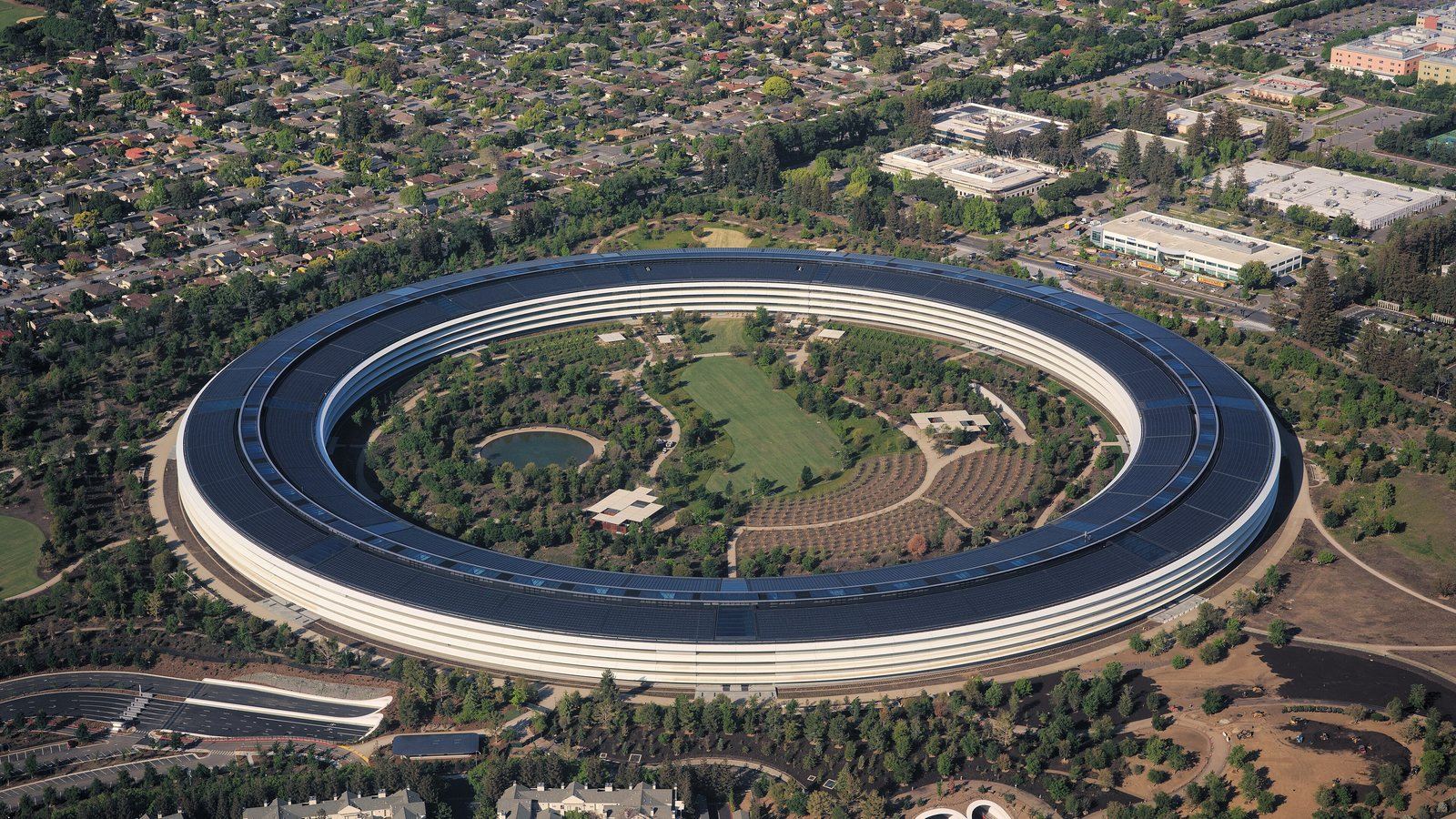
The buildout did not stop while all this was happening. Google said on 4 November that it would invest another $15 billion in Malaysia in 2027 and 2028, expanding its Elmina site and adding campuses in Selangor and Negeri Sembilan. More than 1 GW of clean energy will be added to the grid with TNB, and a water plant in Negeri Sembilan will pass to the state on completion. The money is planned spending, not money spent, and the capacity is not online. It is still a reminder that the companies being judged at the ballot box are also being courted by governments that want the investment.
A security week with no clean ending
Security produced the week's least satisfying stories, because the facts kept arriving in pieces and the attribution never caught up.
Chainalysis disclosed that an October attack exposed names, usernames, password hashes and live session tokens for all of its users. The company described an on-path and "offensive-agentic" intrusion, pulled Reactor, Data Solutions, KYT, Address Screening and its login page offline, and began a phased restoration of KYT and Address Screening on 6 November behind IP allowlisting, password resets and API-key rotation. The category of victim matters. Chainalysis sells compliance and tracing tools to exchanges, banks and governments. A breach of its user base is a map of the people who investigate crypto crime.
The supermarket freezer attacks entered a second wave. Overnight into 2 November, attackers changed the controls on internet-connected refrigeration at stores in seven countries, including about 40 Delhaize, 15 Carrefour, 10 to 15 Intermarché, five Spar, one IKEA in Mons, a limited number of ICA stores, six or seven Coop stores, 13 SuperValu and one Selver. Some units went into defrost mode; others were set to 50C. Nobody claimed responsibility, no shared root cause has been published, and no CVE or vendor advisory connects the incidents. The sabotage reading is an inference from the absence of a ransom demand.
Germany had a different kind of gap. The BSI, its federal cyber agency, said multiple Bundestag members and other public figures had received Apple threat notifications since 29 October about mercenary spyware. It could not say whether the alerts reflected a successful compromise or an attempted one. No victim count, attribution or forensic finding has been published. The notification is a warning, not a diagnosis.
The billboard hijacks were the strangest. On 29 October, sexually explicit video appeared on public LED screens in Giza, Kluang in Malaysia and Campo Maior in Brazil. A group called Leakers$ claimed responsibility and told The Cairo Report it had exploited content-transmission software. Egypt's Interior Ministry described an attacked company website. No CVE or vendor advisory exists. The story has a culprit who gave an interview, a method that has not been verified, and no confirmed scope.
The culture held
The week's entertainment output was unusually strong, and the scores are worth reading carefully.
Nintendo released the Ocarina of Time remake on Switch 2 on 5 November. Metacritic stood at 96 from 84 reviews and OpenCritic at 100% from 45. There is no Master Quest mode. The reviews are close to unanimous, which is rare for a remake of a game this examined. World of Warcraft: Forever launched on 4 November at 23:00 UTC with a third permanent version of Azeroth, five-minute queues reported on European realms and the first raids planned for 9 December. Blizzard released no player or revenue figures, so the launch's commercial size is still unknown.

The releases kept coming. Fortnite's Treasure Hunters mini-season launched on 1 November with an 80-player Crossbones Isle and a One Piece battle pass. Call of Duty: Modern Warfare 4 Season 1 arrived on 6 November with Warzone integrated, new maps Hajin and Zodiac and three multiplayer maps. HBO Max's 30-minute It: Welcome to Derry special, released on Halloween, reached back centuries before the 1962 season. And a playable build of Valve's cancelled Portal prequel F-Stop circulated after leakers assembled it from three separate leaks, a reminder that one of the week's most interesting games was one that never shipped.
Sony's week mixed a delay with a solid quarter. Santa Monica Studio moved God of War Laufey from 16 February to 20 May 2027 on 4 November. A day later Sony reported 2.6 million PS5 shipments in the quarter, 97.9 million lifetime, 127 million monthly active PSN users, ¥1.209 trillion of game and network services revenue and ¥220.1 billion of operating income. Marvel's Wolverine had sold 2.4 million copies as of 4 November. The delay pushes a flagship title into the next fiscal year; the installed base is still growing.
The deal news was about scale. Reuters reported on 5 November that Unity had held takeover talks with Silver Lake and Saudi Arabia's PIF at a discussed valuation of about $25 billion. Nothing is signed. Unity's own quarter, reported the same day, showed revenue of $622.1 million, up 32.2%, adjusted EBITDA of $256.6 million and its first GAAP profit since its 2020 IPO. The stock rose 22.8% on the results and about 4% more after hours, which put its market value near $21.5 billion, below the reported talk price. The New York Times was in exclusive talks to buy Letterboxd for about $330 million, roughly 22 times projected 2026 EBITDA of about $15 million. Tiny owns 60% and the founders 40%; both would stay. Neither deal is final.
On screen, the reviews were good and the samples were small. Martin McDonagh's Wild Horse Nine opened in the US and UK on 6 November to 94% on Rotten Tomatoes from 162 to 190 reviews, an 8.2/10 average and a 92% audience score, with 77 to 78 on Metacritic from 48 to 51 reviews. John Malkovich won the Volpi Cup at Venice for it. Prime Video's The Greatest opened at 100% from seven reviews, Apple TV+'s Stick Season 2 at 100% from seven, and HBO's The Gilded Age Season 4 at 100% from 14. A perfect score from seven reviews is a useful signal and a thin one. It can move with the next batch.

What to watch
The first test is corporate, not political. If a hyperscaler trims 2027 capital spending or names permitting as a reason for a delay, the market's 5 November repricing will have been early but right. If the plans hold and the company says so plainly, the political risk premium should narrow.
The second is Texas. Watch whether the legislature takes up the moratorium Hinojosa campaigned on, whether the TCEQ and PUCT change how they process permits and grid requests, and whether any developer publicly drops a project. An analyst's 13.3 GW estimate becomes a fact only when a company says so.
The third is Nvidia. Its next results are the cleanest read on demand after the shock, and its partner rules are the cleanest read on how far private governance can replace public permission. Watch whether Fleet Intelligence stays a Southeast Asian condition or becomes global, and whether Washington starts asking for the logs.
The fourth is memory. Apple's holiday margin will show how much of the upstream profit is being paid for by consumers, and the first half of 2027 is when the next round of HBM pricing gets set. If memory prices fall, the squeeze eases at both ends. If they do not, the record quarters upstream and the guidance cuts downstream are the same story told from opposite sides.
Two other decisions sit further out. Reddit will test a mostly logged-in experience in select markets outside the US in the fourth quarter, after search referrals fell by more than a million a week on average in October. NASA's 29 October request for information asks industry whether a commercial spacecraft could boost, service or retire the Hubble Space Telescope, which has no propulsion and is projected to re-enter in 2033 or 2034. Neither is a contract or a shipped change yet.
The calendar has a few fixed points: GTA VI is due on 19 November, World of Warcraft's first Forever raids on 9 December, and the Fed meets on 9 December. None of them settles the permission question. The week produced three verdicts and no cancellations. The next entry will come from a company document, a court docket or a permit file.
Tags
Frequently asked questions
- What did the 2026 midterms decide about data centers?
- Voters in 10 states faced 41 local data center measures on 3 November 2026 and backed restrictions or rejected pro-development measures in every contest with results available except Harwood, North Dakota. Ohio held 21 of the measures, and at least 14 municipalities there passed bans or other restrictions.
- Why did the Nasdaq fall on 5 November 2026?
- Investors sold technology and AI infrastructure stocks after Democrats won the House, the Senate and key governorships. The Nasdaq Composite fell 5.52% to 24,315.00, and the Wall Street Journal put the one-day loss in market value at $2.5 trillion, a record.
- Did the Amsterdam data center protests stop construction?
- No. Activists breached the fence of the AMS01 site on 6 November 2026 and Dutch police cleared them the same day. Pure Data Centres is still building three 85-meter towers on the site, which is leased entirely to Microsoft.
- What is Nvidia Fleet Intelligence?
- Fleet Intelligence is a customer-installed software agent that uses GPU telemetry, network configuration and latency to Nvidia cloud endpoints to estimate where accelerators are located. Bloomberg and Tom's Hardware reported on 6 November 2026 that Nvidia made enrollment mandatory for Southeast Asian cloud partners seeking official partner status.

TPW Editorial
Editorial Team
TechPastWeek's editorial team reports and edits every story we publish. We research each piece against primary and credible secondary sources, and a human editor reviews and signs off before it goes live.