Apple's Record Quarter Comes With a Memory Bill It Cannot Dodge
Apple posted $114.5 billion in revenue, then guided holiday-quarter gross margin to 45-46%, blaming unprecedented memory costs and the Siri AI buildout.

On this page
Key takeaways
- Apple reported $114.5 billion in revenue for the quarter ended September 2026, up 12 percent from $102.5 billion, with net profit of $30.7 billion and diluted earnings of $2.10 a share.
- Gross margin was 47.9 percent in the September quarter, including about one percentage point from tariff refunds, and Apple guided the December quarter to 45 to 46 percent against a 46.3 percent LSEG consensus.
- At the 45.5 percent midpoint the December quarter would be Apple's lowest gross margin since fiscal Q4 2023 and the third straight quarterly decline, from 50.1 percent in June 2026, according to CNBC's calculation.
- iPhone revenue rose 17.5 percent to $57.6 billion and Mac revenue rose 23.7 percent, while iPad fell 10.4 percent and wearables, home and accessories fell 7.9 percent.
- Apple's purchase obligations rose by $33 billion between the June and September quarters, chief operating officer Sabih Khan said, and the company expects memory-driven iPhone and Mac supply constraints in the holiday quarter.
Apple reported $114.5 billion in revenue for its fiscal fourth quarter on Monday 2 November, up 12 percent from $102.5 billion a year earlier, with net profit of $30.7 billion and diluted earnings of $2.10 a share, according to Apple's release. Chief financial officer Kevan Parekh then gave guidance for the December quarter: gross margin of 45 to 46 percent. Analysts surveyed by LSEG had expected 46.3 percent, CNBC reported.
Related reading: Amazon's AWS Grew 39% While Free Cash Flow Fell to -$42.4 Billion · Alphabet's Free Cash Flow Hit -$9 Billion and the Stock Had Its Worst Day.
The shares fell about 3 percent in extended trading after slipping almost 2 percent during Monday's regular session. The numbers landed after the market close, as MacRumors reported. A record quarter that produces a sell-off is not a paradox once you read the second number. Apple reported record revenue for a September quarter, and told investors the holiday quarter would be less profitable than the one just reported.
A record quarter that ends on a warning
The detail is in the segment lines, which Six Colors compiled from Apple's release. iPhone revenue reached $57.6 billion, up 17.5 percent year on year. Mac rose 23.7 percent and services added 9.8 percent. Two lines went the other way: wearables, home and accessories fell 7.9 percent, and iPad fell 10.4 percent.
Gross margin for the quarter was 47.9 percent, with about one percentage point of that coming from tariff refunds. Strip the refund out and the September quarter already sits closer to the guidance that followed it. The refund is a one-off and should not be annualised into next year's numbers. Items like that flatter a single quarter, and they say nothing about what Apple pays for components.
The direction of travel is harder to argue with. Gross margin was 50.1 percent in the June 2026 quarter and 47.9 percent in September. At the midpoint of the new range, 45.5 percent, it would be Apple's lowest since the fiscal fourth quarter of 2023, according to CNBC's calculation from the guidance. Three quarters, three declines.
Why memory became the number that matters
Parekh named the cause: "This includes primarily the impact of higher memory costs, as well as some costs related to the ramp of Siri AI."
Memory here means DRAM and NAND, the working and storage memory in every phone, tablet and laptop. Prices for both have climbed through 2026 because AI data centres buy them in volumes the consumer market does not. Server makers and hyperscalers pay premiums for large orders, which leaves less supply for the devices Apple sells. That is the mechanism behind the shortage.
John Ternus, running his first earnings call as chief executive, did not soften it. "What we're seeing with memory pricing right now is unprecedented," he said. He added that beyond the December quarter, Apple expects "the pricing for memory purchases continuing to increase."
The balance sheet shows the response. Purchase obligations rose by $33 billion between the June quarter and the September quarter, chief operating officer Sabih Khan said on the call. That is money committed to suppliers for components not yet delivered. Committing early is one way to secure parts in a tight market. It also locks in prices that may look expensive later. And the commitment is a forward signal: it becomes a cost as the parts ship, so the September increase says more about the December quarter than about the one just reported.
Guidance is a forecast, not a result
The 45 to 46 percent margin covers the quarter ending in late December. It is a forecast, and Apple may land inside the range, above it or below it. Every December-quarter figure in this article is guidance until the company reports again.
Apple is absorbing part of the bill
Apple has already raised prices. It lifted them across Macs, iPads and accessories during the year, and added $100 to iPhone prices in September. Ternus said the iPhone increase was made "reluctantly", a word that suggests he expects buyers to feel it.
Even so, the company is not passing the whole increase through. That choice has a cost, and the cost is measured in the margin guidance. Apple has not said how much of the memory bill it will swallow.
Supply is the tighter constraint. Apple expects shortages of iPhones and Macs in the holiday quarter, primarily because of memory. Khan put it carefully: "As we have said before, we're seeing less flexibility in the supply chain than normal."
The history is not reassuring. Tim Cook told the Wall Street Journal in June 2026 that the memory situation was a "hundred-year flood". Ternus took over from Cook on 1 September, two months before the results were published.
"What we're seeing with memory pricing right now is unprecedented." John Ternus, Apple chief executive, on the 2 November earnings call
The first Ternus call
Monday's call was Ternus's first as chief executive. The quarter beat Wall Street forecasts on revenue and earnings, AppleInsider reported. He inherited a product cycle that is selling well and a cost base that is moving against him. The Siri AI buildout is the second half of that cost story: Parekh grouped it with memory as a drag on margin, without giving a figure for either.
There was good news to point at. "According to IDC, we gained share globally for the quarter and for the full fiscal year," Ternus said. "And we have never sold more Macs in a fiscal year than we did this time." The Mac figure is a company record. The share claim rests on third-party data the company cited but did not link, and IDC's underlying report is not in Apple's materials.
That mix of demand and cost is the test ahead for Ternus. A new chief executive usually gets credit for the first and blame for the second, and Apple currently has plenty of one and an unwelcome amount of the other.
What it means if you are buying this winter
If you plan to buy an iPhone or a Mac before January, the guidance has two practical implications. The first is availability. Apple expects memory-driven constraints on both lines in the holiday quarter, which means popular configurations may sell out earlier than usual and ship dates may stretch. The second is price. Apple has already raised prices this year and is absorbing costs rather than cutting them, so the usual holiday discounting has less room to work with.
Neither point is a prediction about a specific model. Apple gave no unit numbers and no regional breakdown. But a company that says supply will be constrained, in the same call where it says margins are compressing, is not describing a quarter of aggressive promotion. The practical advice is dull: decide what you need before the sales season, and check ship dates rather than advertised prices.
The bull case rests on rivals with less cushion
There is an argument for optimism, and it comes from analysts rather than Apple. Analysts quoted by CNBC suggested Apple can use the squeeze to take share from Windows PC and Android makers that have less financial cushion to absorb memory costs. That is an interpretation of how the next year might go, not a reported result, and it depends on rivals behaving as expected.
The wider PC market gives the argument some context. Intel had its worst trading day since the 1970s on 30 October 2026 after a weak forecast tied to a softening PC market. Apple's Mac line grew 23.7 percent in the same period. A competitor under pressure on both demand and component costs may have to choose between margin and price.
Apple's own numbers show the limit of that logic. Its gross margin is falling too, and it sells premium hardware at prices most of its rivals cannot match. Taking share by absorbing costs works only while the balance sheet can carry it, and the holiday guidance suggests the carrying cost is rising.
What Apple would not say
Three gaps matter more than anything Apple did say.
The first is size. Apple gave no dollar figure for the increase in memory costs and did not say how much of it it will absorb. The margin guidance is the only quantification, and it bundles memory together with the Siri AI buildout.
The second is contracts. Apple declined to say whether it has signed long-term agreements with memory makers, CNBC reported. Long-term deals would change the risk profile, since they would fix prices for a period. Their absence, or their secrecy, leaves the exposure open.
The third is durability. The comparison with fiscal 2023 is CNBC's calculation from the midpoint, not Apple's own statement. The September quarter's 47.9 percent includes a tariff refund that will not repeat. And all quarterly figures here are company-reported and unaudited.
What to watch in the holiday quarter
The December gross margin is the first test. A result at or above 46 percent would suggest Apple managed the memory bill better than its own guidance implied. A result below 45 percent would mean the pressure is still building.
Disclosure matters almost as much. If Apple starts naming memory suppliers or describing multi-year agreements, the cost picture becomes easier to model. Silence on that front would suggest the company expects the market to stay volatile.
Then there is the competition. Watch whether PC and Android makers raise prices, hold them, or discount. Apple's share argument depends on rivals having less room to manoeuvre than it does, and the next two quarters will test that claim.
Purchase obligations are the quiet indicator. Another large jump would signal that Apple is still buying forward to protect supply, and that the cash cost of this shortage is not finished.
Apple's next report will show which of those readings is right.
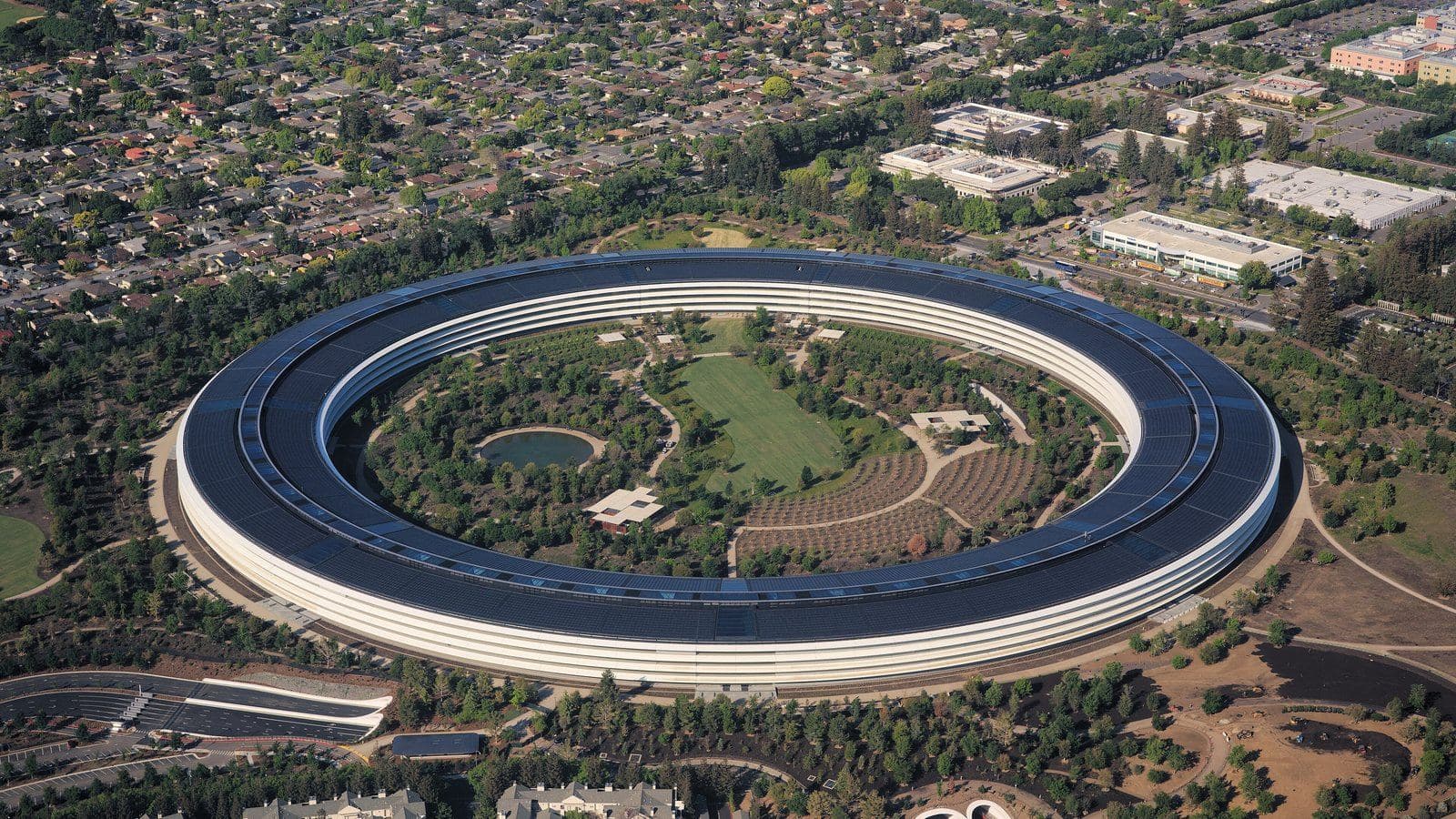
Cover image: "Aerial view of Apple Park" by Daniel L. Lu, CC BY-SA 4.0, via Wikimedia Commons.
Tags
Frequently asked questions
- Why did Apple shares fall after record revenue?
- Because the December-quarter gross margin guidance of 45 to 46 percent came in below the 46.3 percent LSEG consensus, and Apple blamed higher memory costs and the Siri AI buildout. The stock fell about 3 percent in extended trading on 2 November 2026, according to CNBC.
- How much will memory costs cut into Apple's margin?
- Apple has not given a dollar figure. It guided December-quarter gross margin to 45 to 46 percent, down from 47.9 percent in the September quarter, and said the decline comes primarily from higher memory costs plus some costs for the Siri AI ramp.
- Is the 45 to 46 percent gross margin a reported result?
- No. It is guidance for the quarter ending in late December 2026. Apple has not said when it will report that quarter, and the actual figure may land inside the range, above it or below it.
- Will iPhone and Mac prices rise again?
- Apple has not said. It raised prices across Macs, iPads and accessories during the year and added $100 to iPhone prices in September 2026, and Ternus said the iPhone increase was made reluctantly. Apple is absorbing part of the memory cost rather than passing all of it on.

TPW Editorial
Editorial Team
TechPastWeek's editorial team reports and edits every story we publish. We research each piece against primary and credible secondary sources, and a human editor reviews and signs off before it goes live.