Holcim Will Test Firebrick Heat Batteries to Clean Up Cement
Holcim will deploy two Joule Hive thermal batteries from Electrified Thermal to supply heat up to 1,800°C, a first for a cement plant.

On this page
Cement maker Holcim will install two thermal batteries from startup Electrified Thermal Solutions at one of its plants, the companies said on September 15, 2026, in what they describe as the first use of thermal energy storage to supply heat for a cement-making process. The units store electricity as heat in stacks of conductive bricks and discharge it at temperatures up to 1,800°C, hot enough to replace a meaningful share of the fossil fuel burned in cement production.
Related reading: SK On Turns to Posco Future M for a Non-China LFP Supply Chain · CATL's TECTRANS II Aims to Make Electric Trucks a 1,000-Kilometer Business.
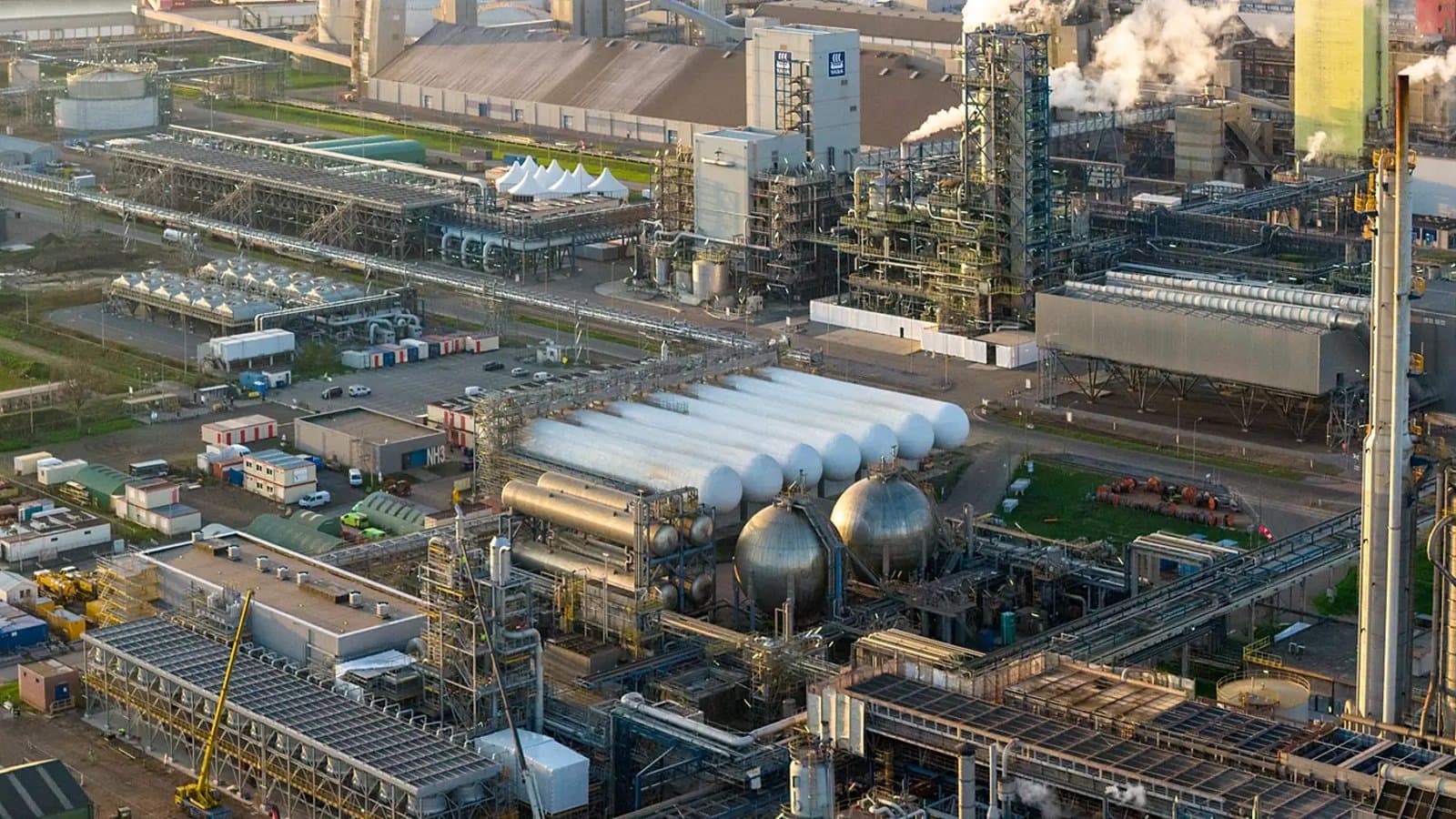
The agreement, announced by Electrified Thermal, is a pilot, and both companies are clear about that. The batteries are expected to come online early next year, and Holcim did not name the facility that will host them or say how much the project will cost. What makes it notable is the target: cement is one of the hardest industries to electrify, and high-temperature heat is the main reason.
The problem the technology attacks
Cement is responsible for roughly 8% of global carbon dioxide emissions, and a large share of that comes not from electricity but from the heat used to drive the chemical reaction. Process temperatures in cement kilns and preheaters routinely run between 900°C and 1,500°C, a range that conventional electric heating has not reached economically. That has left combustion, usually of coal or gas, as the default, and it is why climate analysts have long treated cement as a sector where emissions are stubborn rather than merely inconvenient.
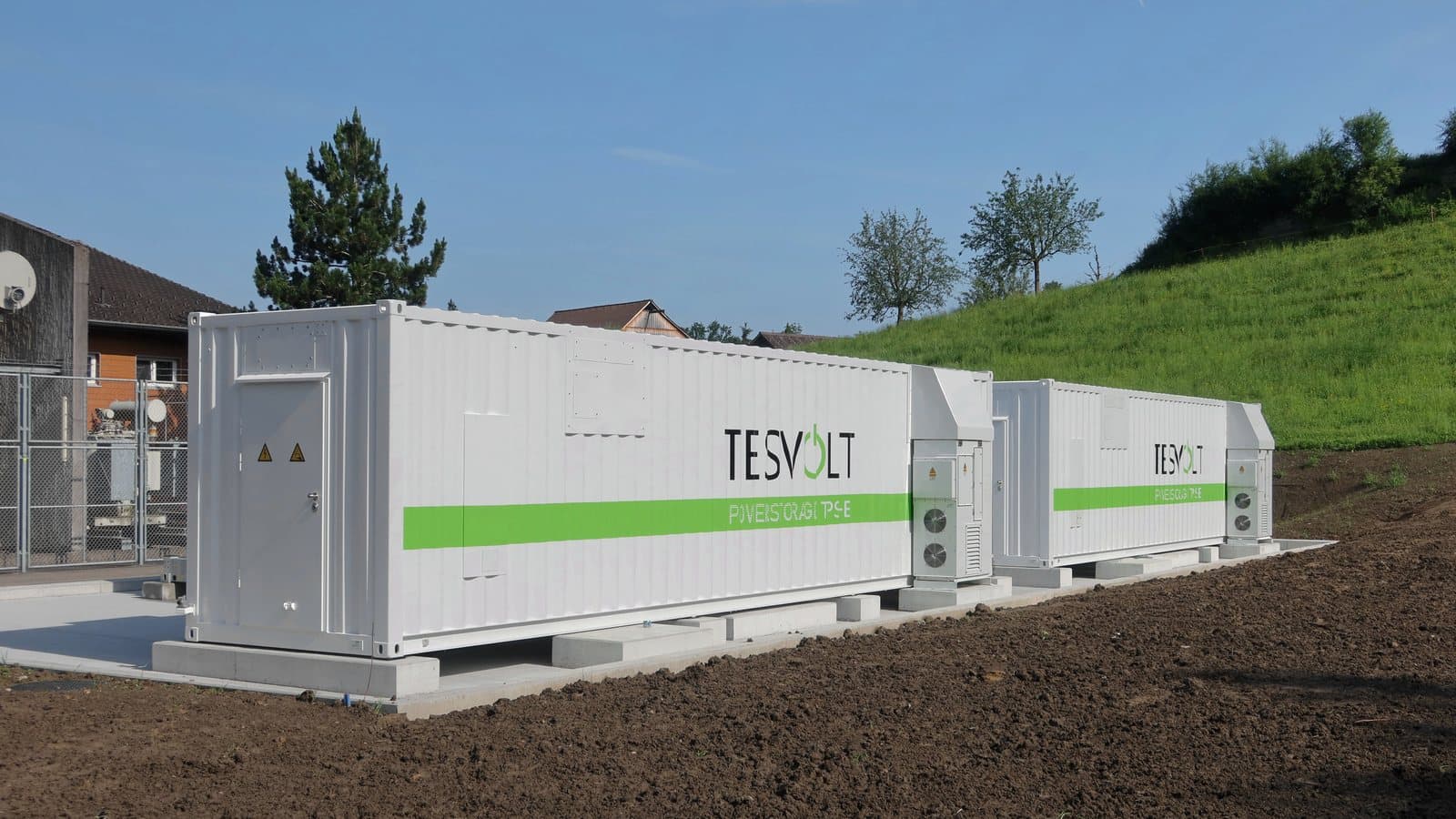
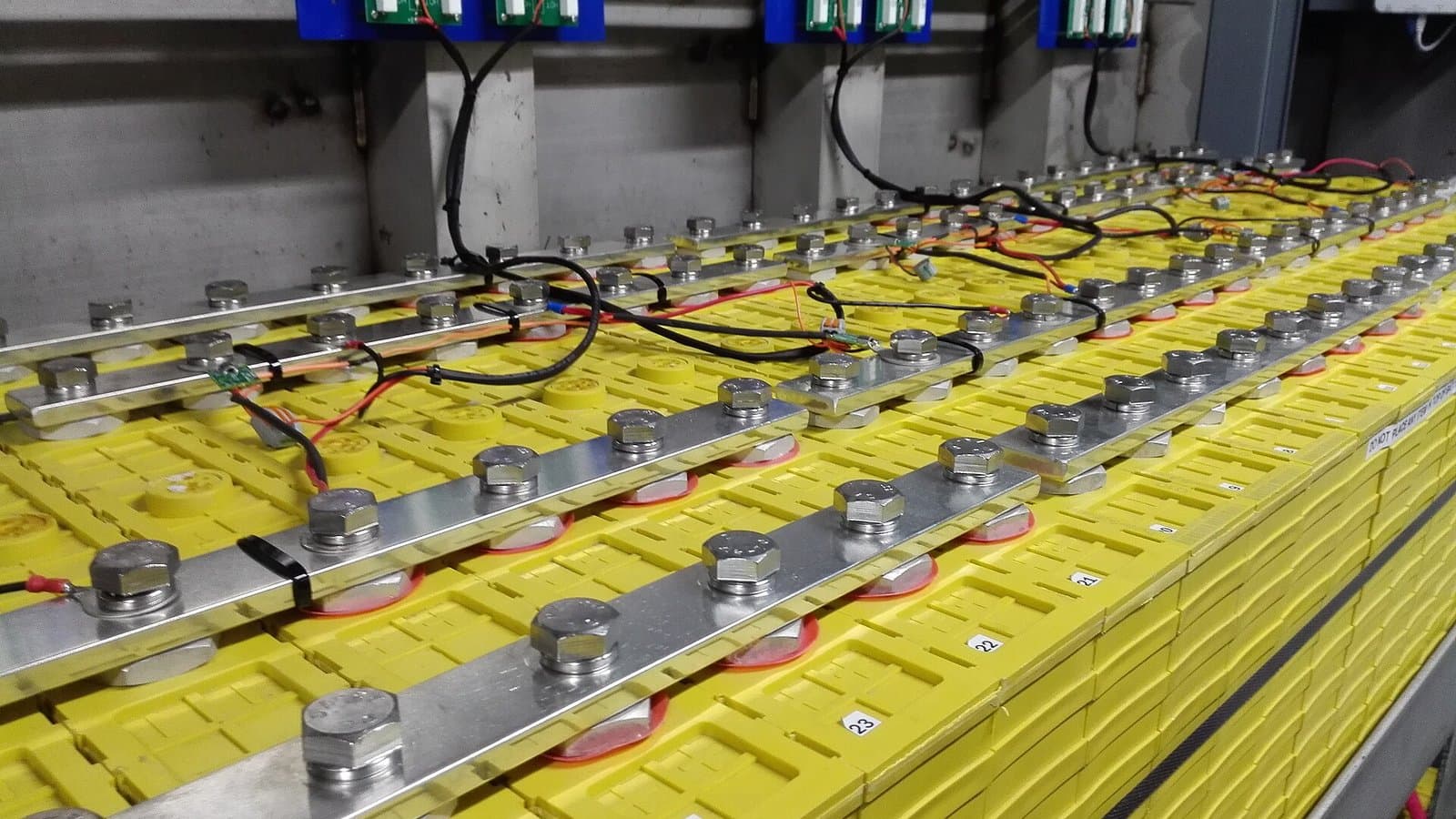
Electrified Thermal's Joule Hive Thermal Battery takes a different approach to electric heat. Instead of using resistive elements or electric boilers, it runs electricity through insulated stacks of metal-oxide firebricks, heating them to very high temperatures. To discharge, air flows over the bricks and the resulting hot gas is piped directly into the industrial equipment that needs it. Because the bricks store heat rather than generate it on demand, the system can charge during off-peak hours when wind and solar generation tends to be cheapest and most abundant.
At the company's commercial demonstration system at the Southwest Research Institute in San Antonio, the battery stores 20 megawatt-hours of heat at up to 1,800°C, and Electrified Thermal says it has logged more than 1,000 hours of operation there. At the Holcim site, the two units will have the same capabilities and will supply heat to a high-temperature chamber used in calcination, the step where limestone is converted into the reactive component of cement.
What a Joule Hive thermal battery does
It stores clean electricity as heat in electrically and thermally conductive firebricks, then releases that heat on demand at up to 1,800°C. Charging at off-peak hours aligns the load with cheap, low-carbon electricity, and the discharge feeds hot gas directly into industrial equipment.
Why Holcim is willing to try
Holcim is not a passive test site. The company is an investor in Electrified Thermal and says electrifying high-temperature industrial heat is part of its decarbonization strategy. Ram Muthu, Holcim's head of operational excellence, said the deployment "allows us to evaluate its potential" and gives the company a path to accelerate decarbonization across its highest-temperature operations.
That phrasing is careful, and it should be. A pilot deployment is not a commitment to retrofit a fleet. Holcim operates cement plants around the world, and the two batteries will replace heat in one part of one facility. Scaling the approach would require rebuilding heat systems at dozens of sites, securing enough low-carbon electricity to run them, and proving that firebrick stacks survive the thermal cycling of continuous industrial operation without frequent, costly maintenance.
For Electrified Thermal, the value of the deal is the reference. Cement is the third industrial sector the company has entered with a partner, after work with steel and chemicals, and Holcim gives it a customer that manufactures a commodity at global scale. The startup, a spin-out from more than a decade of MIT research, is also backed by the iron-ore producer Vale and the steelmaker ArcelorMittal, and it is testing the heat battery at ArcelorMittal's research facility in Spain. A successful cement deployment would give the company proof in a sector where the technical bar is high and the buyers are conservative.
The stakes stretch beyond one plant
Industrial heat accounts for roughly one-fifth of global energy consumption, and the highest-temperature portion of that demand has largely resisted electrification. That makes thermal storage a potentially large market, and it explains why a pilot at a single cement plant is worth attention. If bricks can substitute for combustion at 1,500°C, the same approach can serve glass, steel, aluminum, and chemicals, all of which need intense heat and most of which currently burn fossil fuels to get it.
The approach also has a grid advantage that is easy to miss. Industrial heat is normally a constant load, which makes it hard to match with variable renewable generation. A thermal battery makes the load flexible: it can absorb power when it is cheap and abundant, and deliver heat later. That flexibility is valuable to the grid as well as to the factory, though it depends on the facility having enough electrical capacity and enough storage to ride through interruptions.
There are competing paths to the same goal. Some cement makers are pursuing carbon capture, which reduces emissions but leaves the fuel in place. Others are testing hydrogen combustion, which is expensive and depends on hydrogen production that is itself largely fossil-based today. Electric heat avoids both problems if the electricity is clean and the equipment is durable, which is why the durability of the firebricks is the number that matters most in the coming year.
A crowded race to replace combustion
Thermal storage is not the only approach being tested for high-temperature industrial heat, and the competition is a useful way to judge how hard the problem is. Carbon capture, the option favored by much of the oil and gas industry, keeps existing kilns and fuel but tries to trap the emissions; it is capital-intensive, energy-hungry, and still largely unproven at the scale cement would require. Hydrogen combustion replaces the fuel rather than the furnace and depends on a hydrogen supply that is overwhelmingly made from fossil fuels today. Electric boilers and resistance heaters work well at lower temperatures but struggle to reach the 1,500°C class that cement needs.
A thermal battery sidesteps several of those constraints. It uses electricity directly, so its emissions profile follows the grid rather than the fuel, and it stores energy as heat rather than as electricity, which is cheaper and does not require lithium or other battery chemistries. It also produces heat at the temperature industrial processes actually use, rather than electricity that then has to be converted back. That last point is why the approach has attracted interest from steel, glass, and chemicals producers alongside cement.
The tradeoff is that a thermal battery is only as clean as the power feeding it. In markets where the grid is still coal-heavy and off-peak electricity is cheap precisely because it is dirty, a plant could cut its on-site emissions while doing little for the global total. The cost case is similarly local. Electrified Thermal's chief executive said the technology has a compelling cost profile in Europe and in places where electricity is cheaper than natural gas, which quietly rules out a lot of the map. For a global cement producer, that means the technology is likely to be deployed selectively first, at sites fortunate enough to have both a clean grid and a favorable power contract.
Scale is the other unknown. The Holcim deployment is two 20-megawatt-hour units, enough to prove that the bricks can feed a real process but not enough to supply a plant. Reaching plant-scale heat would take an array of batteries and a large electrical service, and it would need to run continuously for years, because cement plants rarely stop. Electrified Thermal says its demonstration system has logged more than a thousand hours. The number that matters is tens of thousands.
Caveats and what to watch
- This is a pilot, not a rollout. Two units at one unnamed facility, coming online early next year. No cost, timeline, or expansion commitment was disclosed.
- The "first" claim is role-specific. Electrified Thermal's chief executive described it as the first time a thermal-energy storage system will be used this way in a cement plant. That is a claim about this application, not about industrial heat storage in general.
- Durability is unproven at scale. A thousand hours of demonstration operation is a useful data point, but cement plants run around the clock for years. Brick degradation and maintenance costs will determine commercial viability.
- Clean electricity is the premise. The emissions benefit depends on the grid mix and on the plant's power contract. Cheap off-peak power is also a cost argument, and it is not available everywhere.
- Alternative technologies are moving too. Carbon capture and hydrogen are also backed by large industrial players, and the sector may end up using a mix rather than one winner.
The near-term test is whether the Holcim units run as advertised through a full production cycle. If they do, the case for electrifying the hardest industrial heat gets a great deal stronger, and the next question becomes how fast a cement company can rebuild its plants around it. If they do not, the sector will keep looking for a way past combustion.
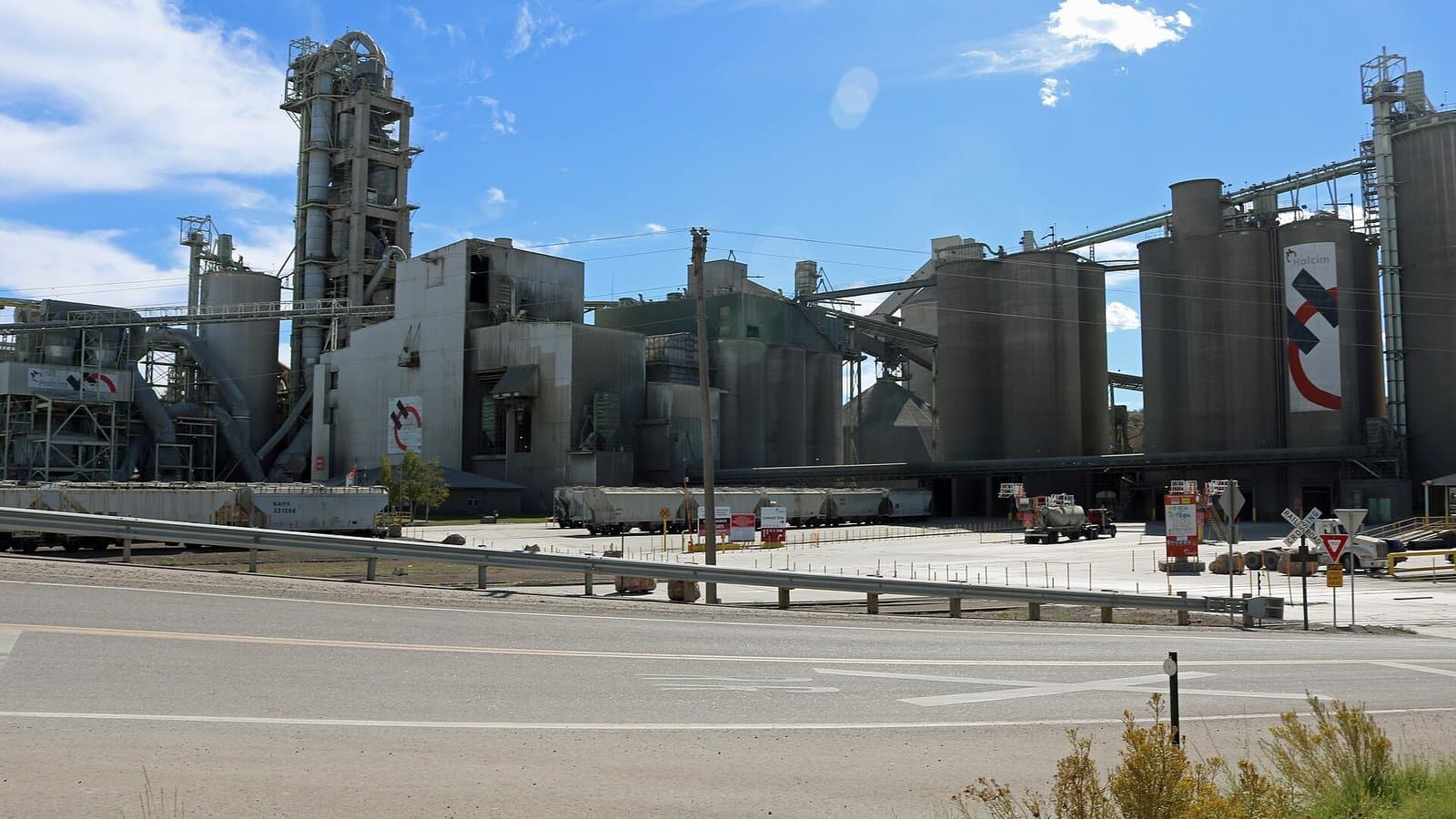
Cover: Holcim cement plant, Portland, Colorado, by Jeffrey Beall (CC BY-SA 4.0) via Wikimedia Commons.
Tags

TPW Editorial
Editorial Team
TechPastWeek's editorial team reports and edits every story we publish. We research each piece against primary and credible secondary sources, and a human editor reviews and signs off before it goes live.