SK On Turns to Posco Future M for a Non-China LFP Supply Chain
Posco Future M will supply about 1.07 trillion won of LFP cathode material to SK On from 2027, feeding SK On's Georgia energy-storage battery plant.

On this page
Key takeaways
- Posco Future M announced on 22 September 2026 that it signed a three-year LFP cathode material supply contract with SK On worth about 1.07 trillion won, roughly 730 million dollars.
- The contract runs from 1 January 2027 to 31 December 2029 and can be extended by two years, with the United States among the designated supply regions.
- The material will feed LFP battery cell production for energy storage systems at SK On's plant in Georgia.
- The deal value equals about 36.6 percent of Posco Future M's consolidated sales of 2.94 trillion won in 2025.
- The two companies describe the arrangement as part of building a non-China supply chain for the US energy storage market.
Posco Future M said on 22 September 2026 that it signed a three-year contract to supply SK On with lithium iron phosphate cathode material, a deal worth about 1.07 trillion won, or roughly 730 million dollars. The agreement runs from 1 January 2027 to 31 December 2029, can be extended by two years by mutual consent, and lists the United States among its designated supply regions. The material will feed LFP battery cell production for energy storage systems at SK On's plant in Georgia.
Related reading: LG Energy Solution Opens a 35 GWh LFP Plant in Michigan, Betting on Grid Storage · Australia's First Grid-Connected Sodium-Sulfur Battery Starts Up in Brisbane as Its Maker Winds Down.
The deal was disclosed in a regulatory filing reported by The Herald Business and covered by Korea IT Times and MoneyToday. For Posco Future M, it is a formal entry into the LFP cathode business and a new customer relationship: the company already supplied anode material to SK On, and this contract extends that to cathodes. Posco Future M now supplies both cathode and anode materials to all three of South Korea's major battery manufacturers, LG Energy Solution, Samsung SDI and SK On.
Why LFP, and why now
LFP cathodes use lithium iron phosphate rather than the nickel, cobalt and manganese or nickel, cobalt and aluminium combinations in the ternary batteries that dominated early electric vehicles. The trade is well understood. LFP cells store less energy per unit of weight, so they are less suited to vehicles that need maximum range in a small pack. They are also cheaper, because they avoid expensive cobalt and reduce reliance on nickel, and they tend to last longer across charge cycles.
Those properties fit grid storage. An energy storage system does not move, so weight and volume matter far less than cost per kilowatt-hour and the number of cycles a cell can survive. As AI data centres and renewable generation both expand, demand for storage that can shift electricity from sunny or windy hours to peak evening demand has grown quickly, and LFP has become the default chemistry for much of that market.
The demand signal is visible in the order book. In August 2026, Posco Future M agreed to supply more than 190,000 tons of LFP cathode material to a major Korean battery maker over six years, from 2027 through 2032, without naming the customer. A month later it added the SK On contract. Posco Future M has converted part of the high-nickel cathode production lines at its Pohang plant to LFP and plans to begin mass production by the end of 2026, and it has said it will use lithium from salt lakes in Argentina through group-level supply arrangements to improve cost competitiveness.
What a cathode does: the cathode is the positive electrode of a lithium-ion cell and a major share of its material cost. It sets much of a cell's energy density, power and durability, so moving a cathode line from nickel-rich chemistry to LFP is a real manufacturing change rather than a relabel.
SK On's North American storage push
For SK On, the contract secures a large domestic source of a key input for batteries it plans to make in the United States. The company has been building out its North American storage business, signing an LFP cell supply agreement with the US storage company NeoVolta Power in August 2026 and an energy storage supply contract with the US renewable developer Flatiron Energy Development in September 2025. The Posco Future M deal extends that supply chain beyond cell production to the materials that go into the cells.
That extension is the point. A battery maker that assembles cells in the United States but imports every cathode from China has a supply chain that is exposed to tariffs, export controls and shifting policy. Building cathode production in South Korea and cell production in Georgia creates a chain that runs from materials to finished cells within allied countries, which is what the phrase "non-China supply chain" describes.
The incentive structure reinforces the strategy. US battery manufacturing incentives include restrictions on sourcing from companies classified as foreign entities of concern, and cathode material is one of the inputs that determines whether a cell qualifies. Sourcing LFP cathode from a Korean supplier keeps a US cell plant on the right side of those rules while reducing dependence on a single country for a critical input.
A supply chain, not just a contract
The arrangement also says something about how the battery industry is maturing. Early electric-vehicle supply chains were built around a small number of cathode chemistries and a handful of large suppliers, and battery makers treated materials as an input to negotiate rather than a strategic problem. The shift toward storage, with its different cost and durability priorities, has created room for new chemistries and new supplier relationships, and Posco Future M is positioning itself as a materials supplier that can serve both.
The risk is that LFP capacity is being added quickly on the assumption that storage demand keeps rising. The case for that demand is strong, because data centres and renewables both need flexibility, and the case is also dependent on continued buildout. If storage installations slow, cathode lines converted to LFP are less flexible than lines that can switch chemistries, and a supplier that has just committed to a large new market faces the cost of that conversion.
For now the two companies are describing the deal in the language of resilience. SK On's head of procurement, Kim Sung-tan, said the company is focusing on building non-Chinese supply chains and strengthening competitiveness in key materials as US storage demand grows, according to MoneyToday's account. Posco Future M gets a large customer and a formal position in a chemistry it had not previously supplied. Both sides are betting that the storage market rewards suppliers who can deliver outside China.
The takeaway for storage watchers: the cathode, not the cell alone, is becoming the binding input for US storage manufacturing. Watch whether other Korean and Japanese materials makers follow Posco Future M into LFP, and whether the 2027 start dates slip.
Why storage demand is driving the deal
The timing reflects a structural shift in the battery market. For years the industry's growth story was electric vehicles, and LFP was the cheaper chemistry for mass-market cars. Grid storage has changed the calculation. Data centres and renewable generation both need batteries that can absorb power when it is plentiful and release it when demand peaks, and those applications care about cost per kilowatt-hour and cycle life far more than they care about weight. LFP fits that profile, and demand has followed.
Chinese producers dominate LFP cathode output, and US and European policy has been pushing battery makers to reduce reliance on that supply base. The result is a market where a Korean materials maker with converted capacity and a Korean cell maker with a US plant share an interest in building an alternative. The contract is a commercial bet that the alternative will be needed for years, not a one-off order.
What to watch
Three things will show whether the strategy works. First, whether Posco Future M hits its target of mass production by the end of 2026, since the SK On contract depends on those lines being ready for 2027. Second, whether the two companies extend the deal beyond 2029, which would signal that the non-China chain is cost-competitive rather than a policy hedge. Third, whether US storage demand holds, because the entire arrangement rests on the assumption that AI data centres and renewable generation keep driving installations.
For SK On, the contract is also a hedge against a materials market that has swung sharply. Cathode and memory prices have both been volatile during the AI buildout, and a long-term supply agreement fixes volume and roughly fixes cost, which matters when spot prices are unpredictable. Locking in a domestic source also reduces the risk that a policy change or a logistics disruption interrupts cell production at the Georgia plant.
The broader question is whether a non-China LFP chain can compete on price with the established Chinese supply base. China dominates LFP cathode production, and matching its cost requires more than avoiding tariffs, because scale, process maturity and raw-material access all favour incumbents. The SK On deal is a step toward an alternative, and it is a step whose economics will be tested once the first cathode ships in 2027.
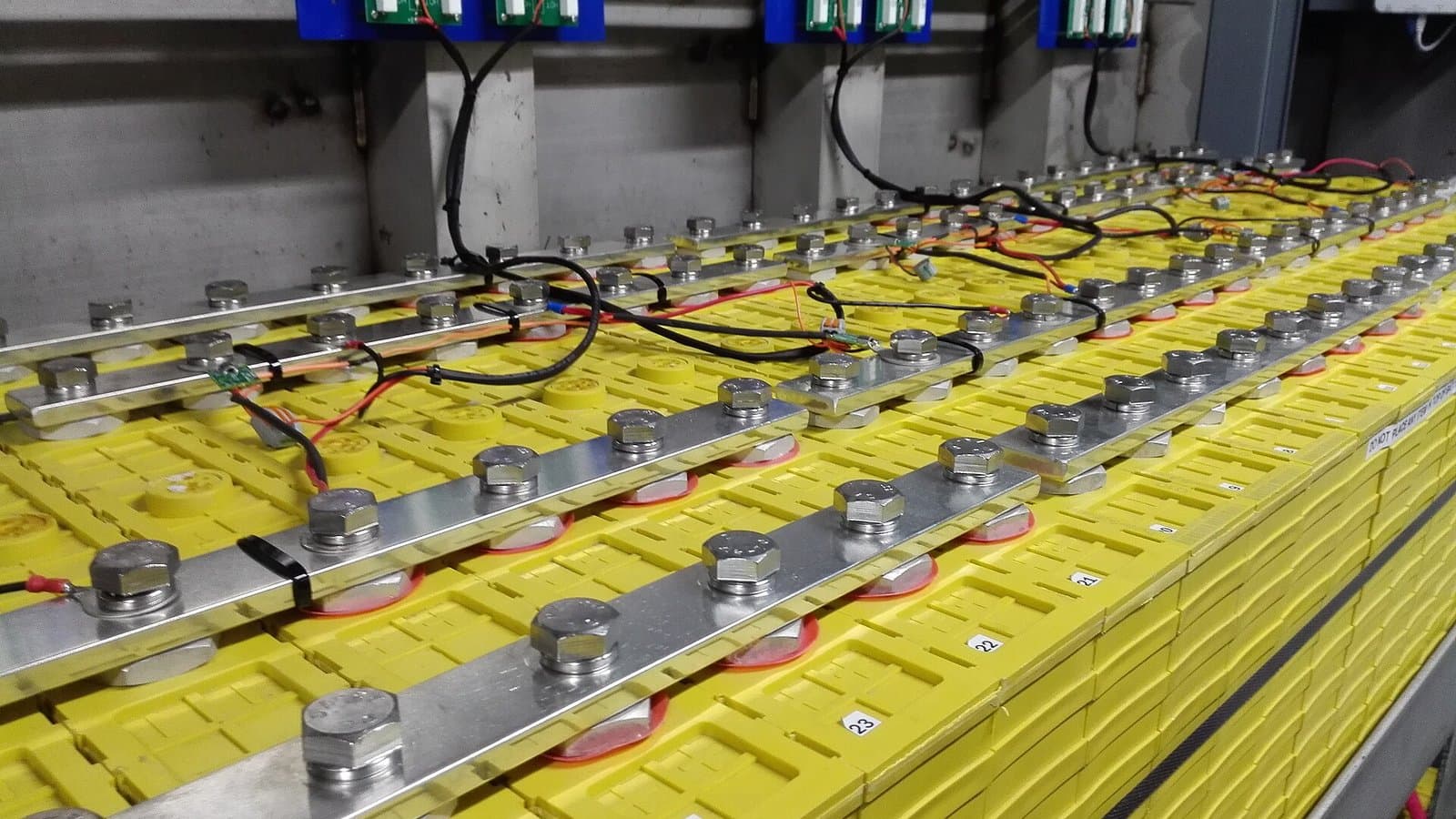
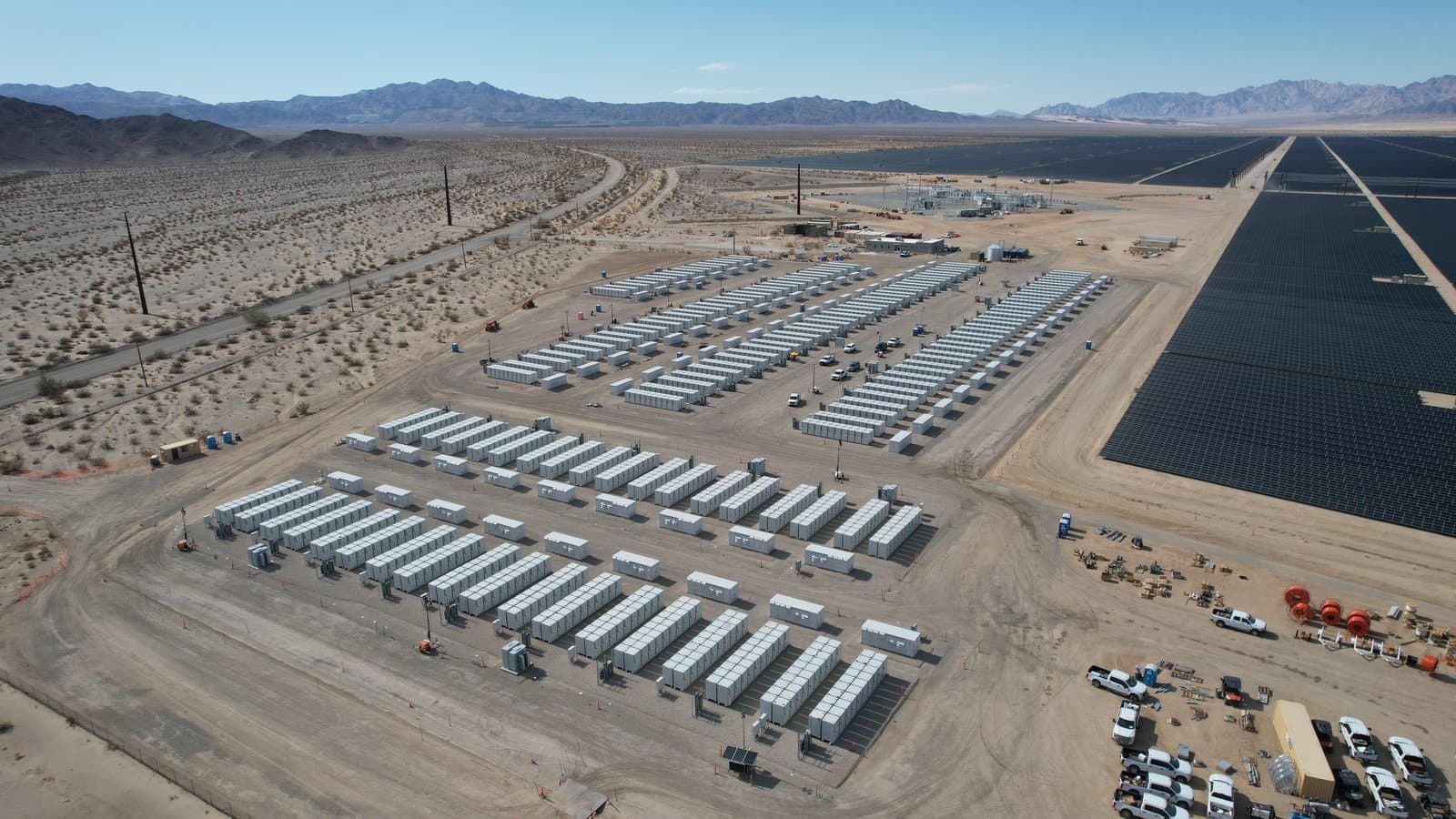
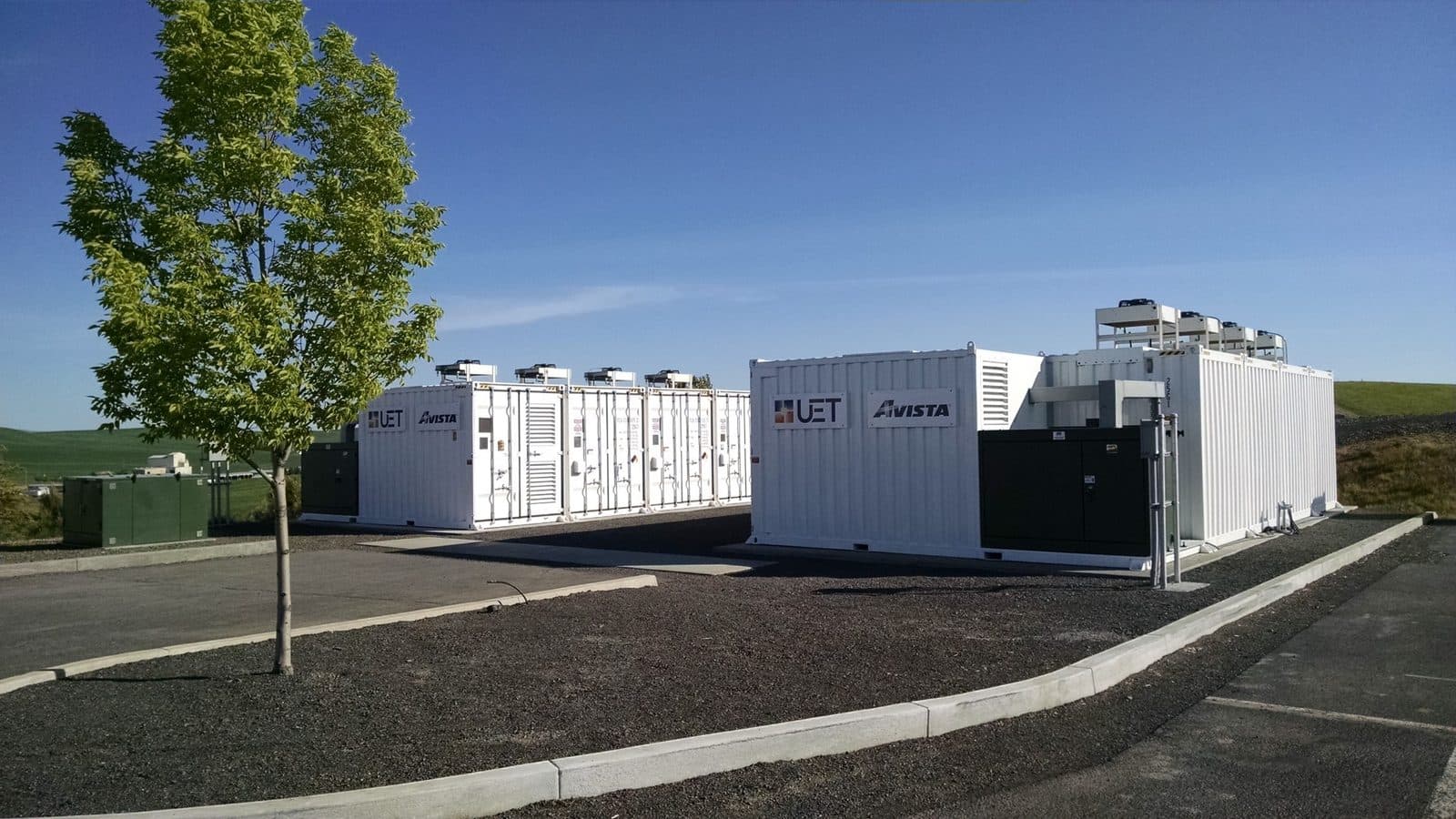
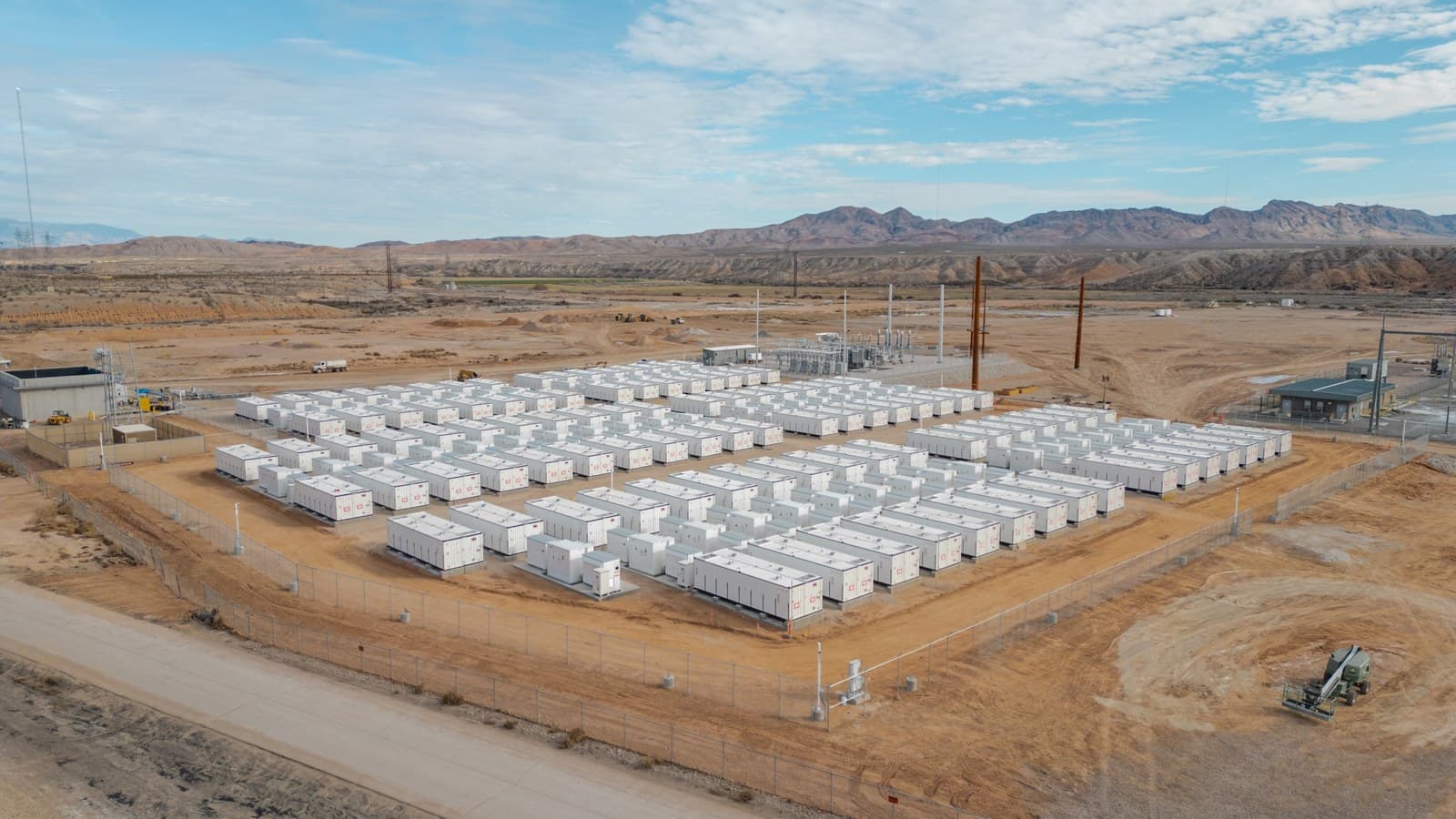
Cover: a grid-scale battery energy storage system. Photo by Kecko, via Wikimedia Commons, CC BY 2.0, cropped 16:9. The image shows a representative storage installation, not the SK On or Posco Future M site.
Tags
Frequently asked questions
- What did SK On and Posco Future M agree to?
- Posco Future M will supply lithium iron phosphate, or LFP, cathode material to SK On over three years from 2027 to 2029, in a contract worth about 1.07 trillion won. The material will be used in LFP cells for energy storage systems made at SK On's Georgia plant.
- Why is a non-China supply chain important for US batteries?
- US incentives for battery manufacturing include restrictions on sourcing from companies classified as foreign entities of concern. Building cathode and cell production outside China helps battery makers qualify for those incentives and reduces exposure to export controls and tariffs.
- What is LFP and why is it used for energy storage?
- LFP batteries use lithium iron phosphate cathodes. They store less energy per unit of weight than nickel-based chemistries, but they are cheaper and longer-lived, which suits grid storage, where cost and cycle life matter more than the size of the pack.
- When does production start?
- The supply contract begins on 1 January 2027. Posco Future M has converted part of its high-nickel cathode lines at its Pohang plant to LFP production and plans to begin mass production by the end of 2026.

TPW Editorial
Editorial Team
TechPastWeek's editorial team reports and edits every story we publish. We research each piece against primary and credible secondary sources, and a human editor reviews and signs off before it goes live.