LG Energy Solution Opens a 35 GWh LFP Plant in Michigan, Betting on Grid Storage
LG Energy Solution began production at its new 226-acre Lansing, Michigan plant, targeting more than 35 GWh of LFP battery cells a year for storage and EVs.

On this page
LG Energy Solution has started producing battery cells at its all-new Lansing, Michigan plant, a 226-acre facility the company says will reach more than 35 gigawatt-hours of annual capacity at full production. The company announced the start of production on Aug. 18, calling the plant a defining milestone and a broadening of Michigan's manufacturing base. It is one of the largest battery-cell factories to come online in the United States this year, and its product mix says a lot about where the battery business is heading.
Related reading: SK On Turns to Posco Future M for a Non-China LFP Supply Chain · Australia's First Grid-Connected Sodium-Sulfur Battery Starts Up in Brisbane as Its Maker Winds Down.
The Lansing plant is designed to build large-format cells for two markets at once: energy storage systems (ESS) and electric vehicles. Its initial output is lithium iron phosphate (LFP) cells for grid-scale and commercial storage, integrated by LG Energy Solution Vertech, the company's U.S. storage division. It will also build more energy-dense nickel-manganese-cobalt (NMC) cells for Toyota, including batteries intended for vehicles such as the 2027 Toyota model line. That dual mandate is unusual in a new plant and reflects how much the storage and EV markets have converged on the same manufacturing base.
Why LFP is the story
For a decade, the battery conversation was dominated by energy density: pack more range into every kilogram, and pay whatever it costs. LFP changes that calculation. It has lower energy density than the nickel-rich chemistries, but it is cheaper, longer-lived, safer at high temperatures, and free of the cobalt and much of the nickel that make other cells expensive and supply-constrained. For a stationary storage system bolted to a concrete pad, energy density barely matters; cost per cycle and longevity matter enormously.
That is why LFP has become the default choice for grid storage and a growing share of entry-level EVs, and why it has moved from a niche Chinese specialty to a strategic priority for Western manufacturers. For years, the overwhelming majority of LFP cells were made in China, which left U.S. and European grid projects dependent on imports. LG Energy Solution's Lansing line is a direct bet that American utilities and developers will pay a premium for domestically made cells as they race to add storage to a grid under strain from data centres, renewables, and electrification.
What the plant will make
LFP cells for utility-scale and commercial energy storage, integrated by LG Energy Solution Vertech into complete systems. NMC cells for Toyota, aimed at EVs. Target capacity: more than 35 GWh a year at full production, on a 226-acre site.
The numbers behind the milestone
The scale is substantial. LG Energy Solution has invested more than $2 billion in the Lansing site since 2022, and the plant currently employs about 900 people. At full capacity, the company expects that to grow to 1,700 employees, meeting its incentive job-creation commitments. With Lansing open, LG Energy Solution now operates two Michigan facilities, in Holland and Lansing, and says its total Michigan workforce will exceed 3,300 by the end of 2026. It has invested more than $5 billion in the state since 2010.
The company's LFP ambitions extend well beyond one plant. LG Energy Solution says it plans more than 50 GWh of total LFP cell-making capacity in North America by the end of 2026, spread across three wholly owned plants (Michigan-Holland, Michigan-Lansing, and NextStar Energy in Windsor, Ontario) plus two joint ventures, L-H Battery Company in Jeffersonville, Ohio, and Ultium Cells. Among the first customers for the Lansing cells is DTE Energy, the Detroit-based utility, which will use them in future storage projects.
The policy context is impossible to ignore. U.S. rules that reward domestic content in clean-energy projects have made locally manufactured cells more valuable, and battery manufacturing has become one of the clearest examples of industrial policy reshaping supply chains. Michigan's governor, Gretchen Whitmer, framed the opening in those terms, and the presence of federal and state officials at the announcement underlined the political stakes. The plant is as much a piece of energy infrastructure as a factory: it gives U.S. utilities a domestic source for the cells that will increasingly determine how reliably they can balance the grid.
Energy storage is the quiet half of the energy transition. Solar and wind get the headlines, but it is the battery that turns an intermittent source into a dispatchable one, and LFP is what makes it affordable.
The chemistry behind the cost curve
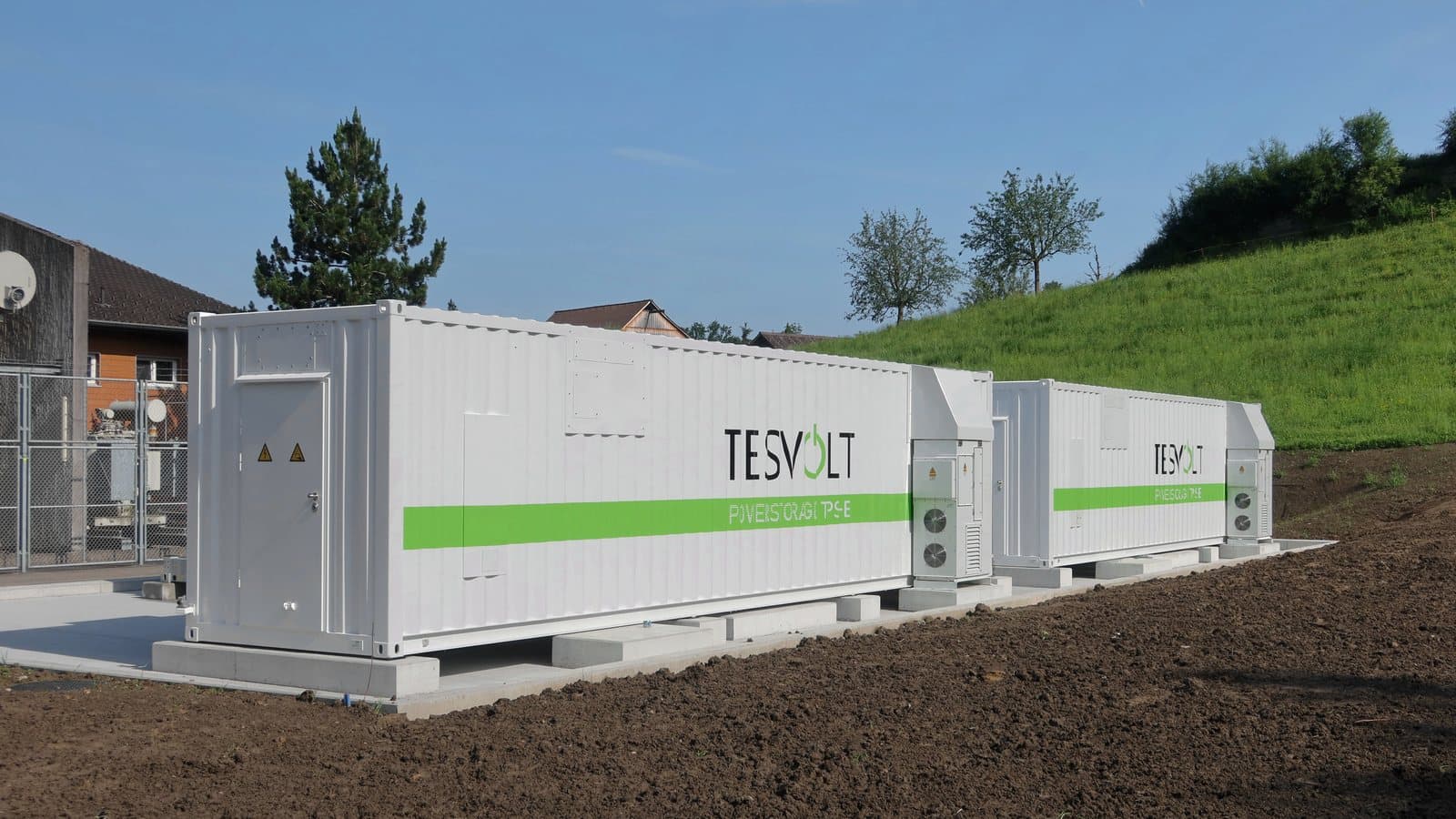
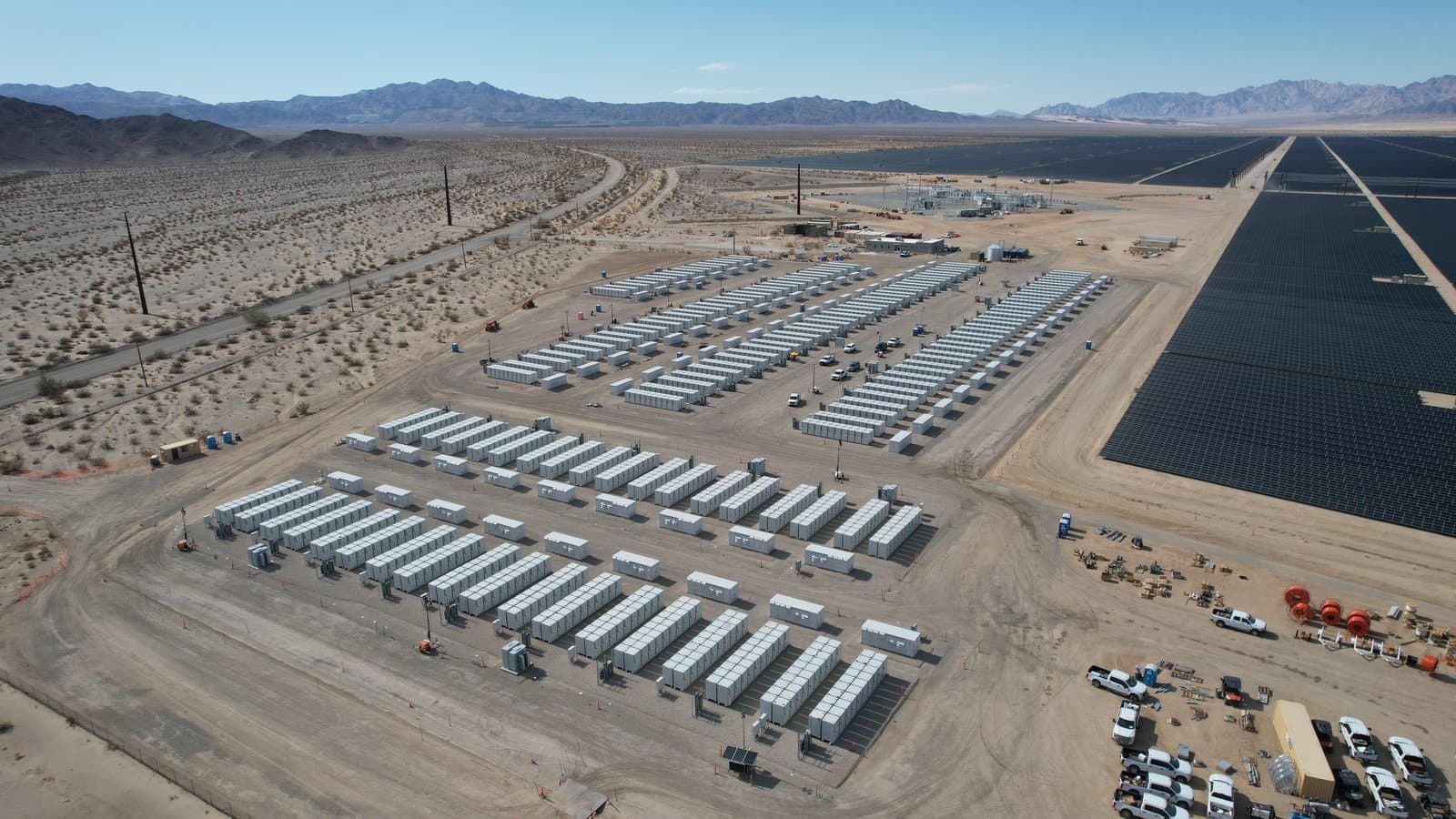
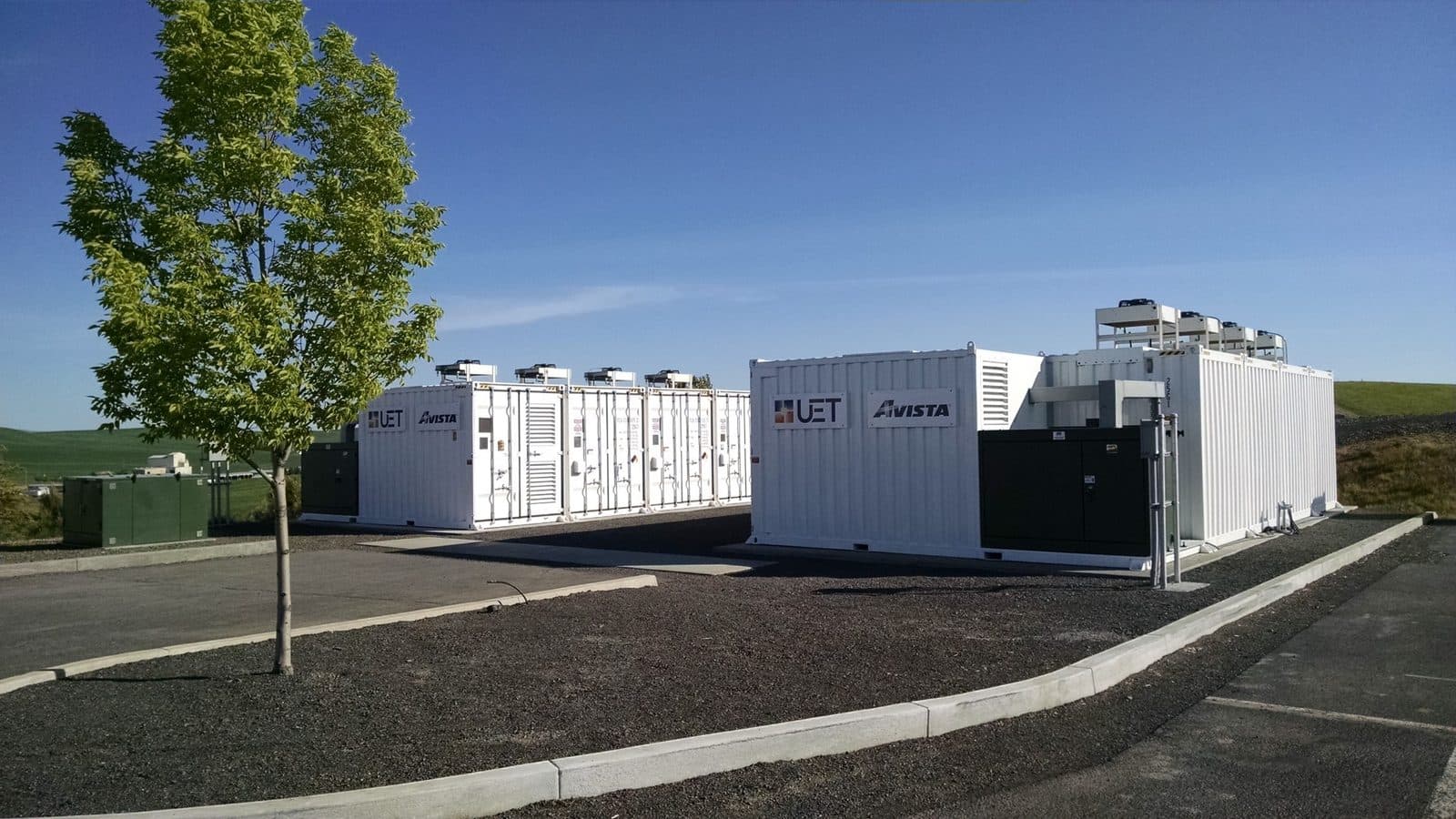
LFP's rise is a story about trade-offs, and understanding it explains why a plant like Lansing exists. A lithium iron phosphate cell stores less energy per kilogram than an NMC cell, so it is a poor fit for a long-range vehicle where every kilogram of pack affects range and efficiency. But a grid-scale battery sits in a shipping-container-sized enclosure and is measured in cycles, not kilometres. LFP typically tolerates more charge-discharge cycles before degrading, resists thermal runaway better, and avoids cobalt, a metal with a troubled supply chain and volatile pricing.
Those properties matter as storage moves from a pilot-project novelty to core grid infrastructure. A utility buying a 200-megawatt-hour system wants an asset that will still be performing in fifteen or twenty years, and it wants predictable costs. LFP's simpler, cheaper cathode has made it the default for that application, and its adoption is now spreading into cheaper EVs as manufacturing scale closes the density gap. Analysts expect stationary storage to be one of the fastest-growing segments of the battery market through the end of the decade, driven by the same grid pressures that LG Energy Solution is positioning against.
The catch is that LFP manufacturing is a process-intensive business, not only an assembly one. Achieving consistent cell quality at high volume requires deep know-how in electrode coating, cell design, and quality control, the kind of expertise that Chinese manufacturers built over more than a decade. LG Energy Solution is a veteran of the battery business with experience across chemistries, which is an advantage, but matching Chinese cost structures from a greenfield U.S. site is a genuine challenge. The company has also been developing LFP technology with partners and licensing arrangements, reflecting how hard it is to catch up on process chemistry alone.
A manufacturing map in flux
Lansing does not arrive in a vacuum. The U.S. battery industry has been through a turbulent few years: a wave of announced factories, followed by delays, cancellations, and a shakeout as demand forecasts cooled and prices fell. Several automakers and battery makers have scaled back plans, and joint ventures have been renegotiated. In that environment, a plant opening on schedule and at scale is a signal that the storage segment (as opposed to the passenger-EV segment) is where the more durable demand sits.
LG Energy Solution's own footprint reflects that strategy. Its Michigan operations are complemented by the NextStar joint venture in Canada and the L-H Battery venture with Honda in Ohio, while Ultium Cells, its venture with General Motors, has been through its own adjustments. Putting LFP capacity in Michigan, close to automotive customers and to a grid that needs storage, gives the company optionality: if EV demand softens further, the storage line can carry more of the load, and vice versa.
Why Michigan matters locally
The local story is straightforward and significant. Battery manufacturing employs a broad range of workers (production operators, technicians, engineers, and logistics staff) and the jobs tend to be more resilient than those in industries that require advanced degrees. Michigan has spent decades watching its automotive base erode, and battery plants have become the state's main industrial-policy bet. The investment figures (more than $5 billion in the state since 2010 and more than $2 billion at Lansing alone) are the kind that show up in local tax bases and supply chains, not only in press releases.
The plant also matters for the grid itself. As data centres, electrified heating, and electric vehicles push U.S. power demand upward, utilities are being forced to invest in storage at a pace they did not anticipate a few years ago. A domestic source of LFP cells shortens the supply chain for those projects, reduces exposure to shipping and trade disruptions, and gives developers more confidence that they can build on schedule. In that sense, Lansing is not only a manufacturing milestone; it is a small piece of the answer to a grid reliability problem that is arriving faster than most forecasts predicted.
Reshoring a supply chain built in China
The strategic logic runs deeper than tariffs. China dominates LFP production, and Western governments have spent several years trying to build alternatives without simply subsidising a copy of the Chinese supply chain. The hard part is not assembling cells; it is mastering the process chemistry, securing cathode material, and reaching the yields and costs that make the economics work at scale. LFP manufacturing is less capital-intensive than the nickel-based alternative, which is precisely why it is a realistic target for new entrants.
LG Energy Solution's move also reflects a broader rebalancing of the battery industry. After a period of overcapacity and falling prices, manufacturers have been forced to be more selective about where they build and what chemistry they build. LFP for storage is one of the few segments with durable demand growth, driven by the same forces that are straining the grid: AI data centres, electric heating and transport, and the retreat of coal. Utilities need storage that can shift renewable generation from midday to evening, and they need a lot of it.
Chemistry is a moving target
LFP's cost advantage depends on the price of lithium and on manufacturing yields. If lithium prices spike or if sodium-ion and other alternatives mature faster than expected, the economics that make LFP attractive today could shift. The plant's NMC line for Toyota hedges that risk, but it also means the facility's fortunes depend on two different markets.
What to watch
Three things will show whether the Lansing bet pays off. First, the ramp: full capacity is a target, not a current fact, and battery plants typically take time to reach nameplate output and acceptable yields. Second, the customer mix: DTE Energy is a start, but the plant's grid-storage line needs a deep bench of utilities and developers to keep 35 GWh of capacity busy amid a competitive market. Third, the cost curve: LG Energy Solution's ability to compete with imports and with lower-cost Chinese cells will determine whether domestic LFP is a durable business or a policy-dependent one.
The plant's opening is nonetheless a genuine milestone. For years, the U.S. energy transition has depended on batteries made elsewhere, and the country has watched as China built an industrial base that Western firms could not match on price. Lansing does not close that gap. But it puts more than 35 gigawatt-hours of LFP capacity, and 1,700 jobs, on the right side of the ocean, and in a market where grid storage is becoming essential infrastructure, that is a meaningful start.
Tags

TPW Editorial
Editorial Team
TechPastWeek's editorial team reports and edits every story we publish. We research each piece against primary and credible secondary sources, and a human editor reviews and signs off before it goes live.