Tesla Is Ending Cybertruck Production to Make Room for the Cybercab
Tesla will wind down Cybertruck production in Austin around mid-2027, Elon Musk said, freeing the factory for the Cybercab after years of missed sales targets.

On this page
Key takeaways
- Elon Musk said on 6 November 2026 that Tesla will wind down Cybertruck production at Gigafactory Texas around the middle of 2027 to make room for increased Cybercab output.
- Austin is the only plant that builds the Cybertruck, and Tesla has not said whether production will move elsewhere or the model will be discontinued.
- US Cybertruck sales fell 48% in 2025 to 20,237 vehicles, according to Kelley Blue Book estimates cited by AP, against Musk's 2023 guess of 500,000 a year.
- Tesla's Q3 2026 report listed 8,295 vehicles in its Other Models category, which includes the Semi and the remaining Model S and Model X, and fewer than 37,000 such vehicles for the year to date.
- The Cybercab is a two-seat robotaxi with no steering wheel or pedals; Tesla runs a limited robotaxi service in seven cities and does not break out its revenue or profit.
Tesla will begin winding down Cybertruck production at its Austin, Texas plant around the middle of 2027, Elon Musk said on Friday 6 November 2026, to clear the factory for the Cybercab robotaxi. The news arrived as one post on X, with no press release, no analyst call and no filing to regulators. Musk wrote that production would wind down at the Austin plant "around the middle of next year to make room for increased Cybercab production".
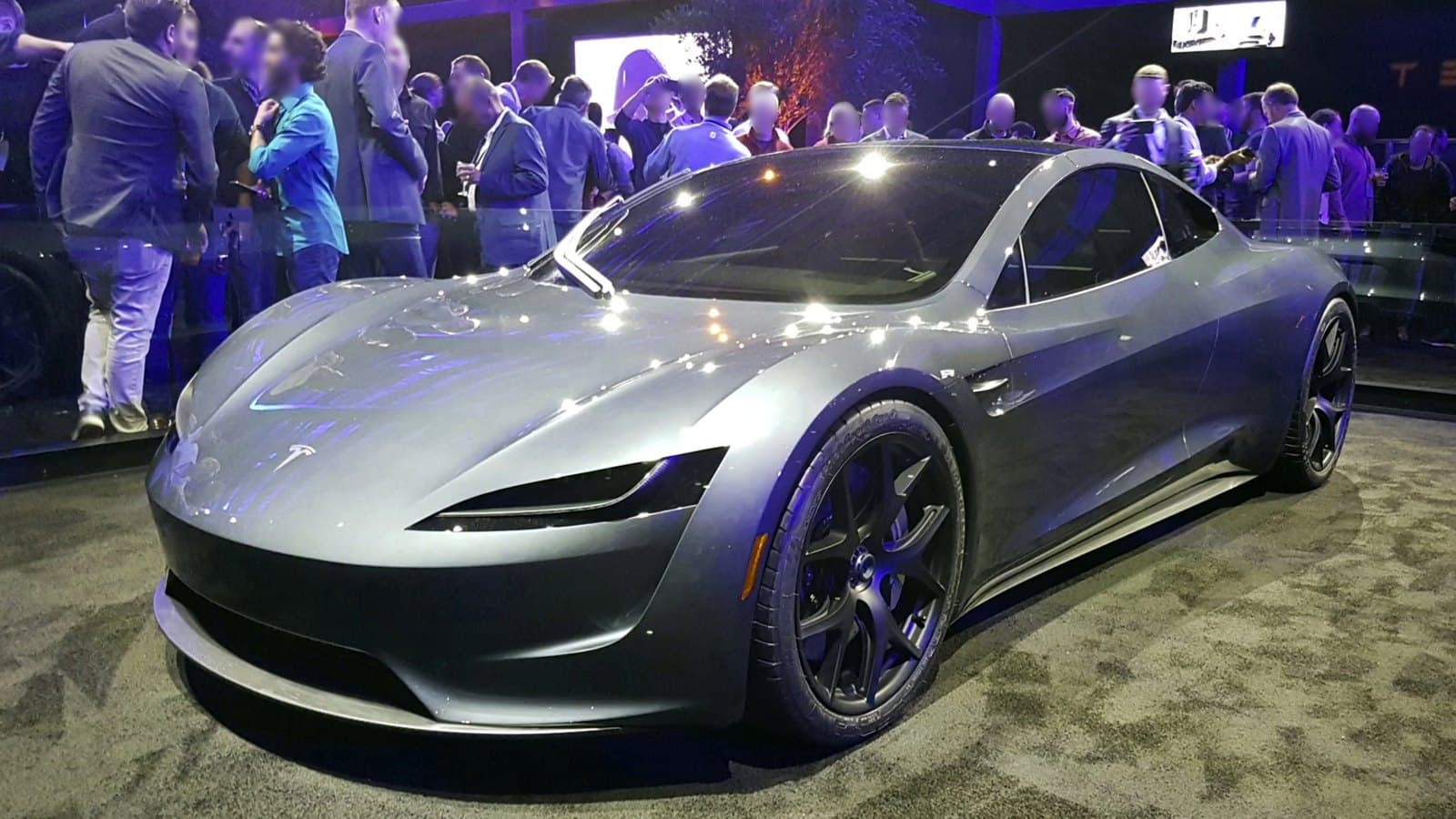
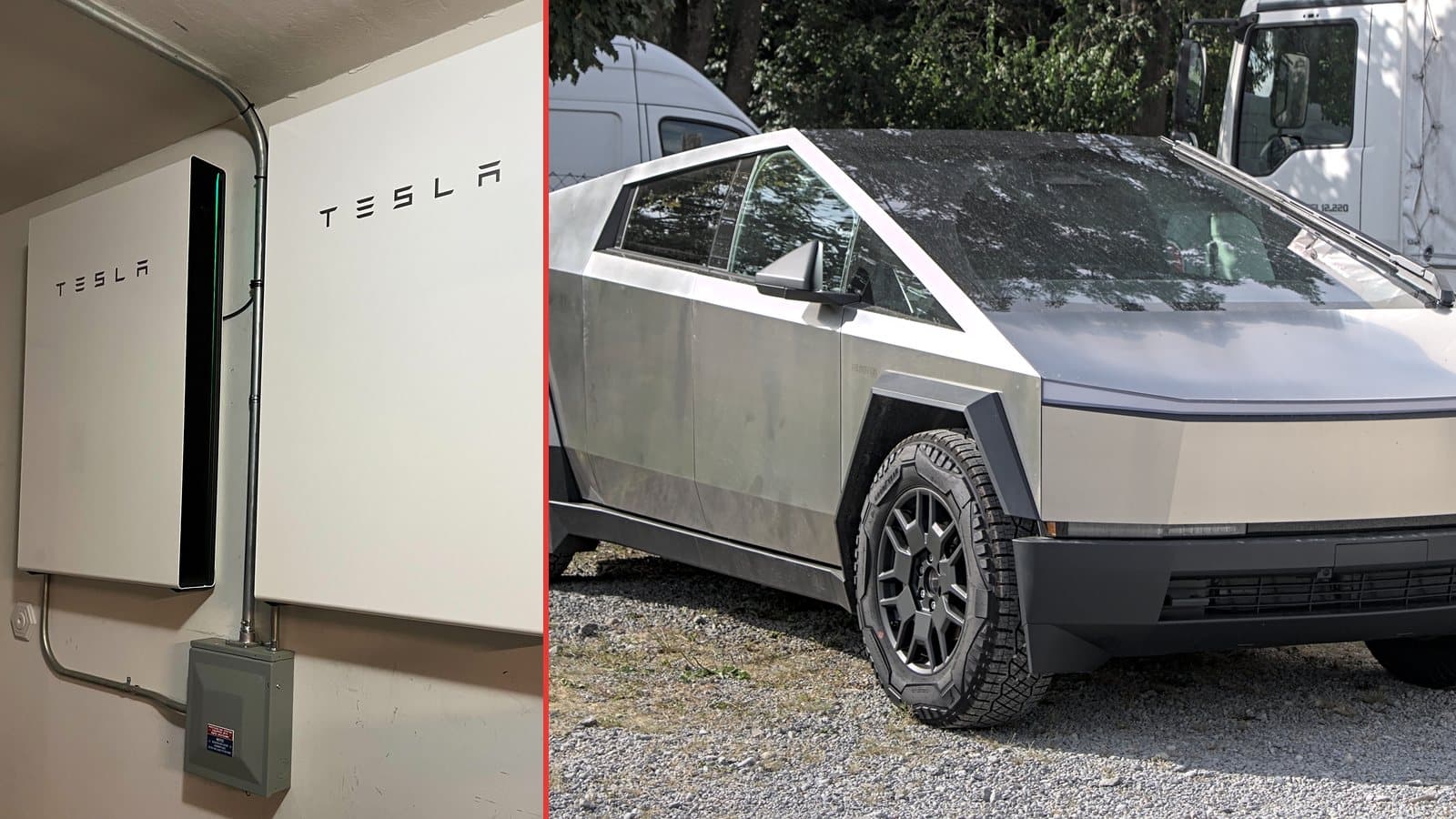
Related reading: Tesla Unveils a Flying Roadster 2 in Texas, With Production Set for 2028 · Tesla Finally Lets the Cybertruck and Powerwall 3 Back Up a Home Together.
Austin is the only plant that builds the truck, CNN reported. Tesla did not say what happens to the line, to the suppliers that feed it, or to customers with orders in the queue. The Cybertruck's lead engineer, Wes Morrill, offered his own summary on X: "Cybertruck was an incredible technology development platform and lives on through Cybercab." Musk later told owners the existing trucks would stay on the road for a long time, and Euronews reports that he called the wind-down "the end of an era".
The gap between "winding down production" and "ending the Cybertruck" is where most of the unanswered questions sit. Tesla has not confirmed a discontinuation, a move to another factory, or a final build date. What the post makes clear is that Tesla values the capacity at Austin more for robotaxis than for pickups.
What Tesla said, and what it left out
The announcement was a single sentence. It named a plant, a rough date and a reason. It did not name a successor product for the workers who build the truck, a plan for the tooling, or a date for the last vehicle. No other Tesla plant is known to be tooled for the Cybertruck, which makes a move to another site harder than it sounds.
Morrill's post went further than his boss's. A vehicle that "lives on through Cybercab" is a polite way of saying the pickup will not be replaced by another pickup. He led the programme, so his wording carries more weight than a passing comment. Still, a lead engineer's post is not a corporate decision. Tesla has not said anything that turns the wind-down into a formal discontinuation.
What is confirmed, and what is not
The mid-2027 timing is Musk's stated plan, not a published production schedule. Tesla has not said whether the Cybertruck is discontinued, whether assembly moves to another plant, or what happens to outstanding orders. The sales figures below are third-party estimates or bundled company totals, not Cybertruck-specific numbers from Tesla.
There is also the question of what "winding down" means for a line that was never running at full speed. A plant that builds a low-volume, complex vehicle can be slowed, idled or converted in stages, and each option carries different costs for suppliers. Tesla has said nothing about any of them.
The gap between 500,000 and 20,237
The Cybertruck was unveiled in November 2019, and Musk said Tesla had about 250,000 pre-orders within days. The first customer deliveries came in late 2023, four years later. At the company's 2023 shareholder meeting, Musk called 500,000 Cybertrucks a year a "reasonable guess".
US sales in 2025 came to 20,237 vehicles, down 48% from the year before, according to Kelley Blue Book estimates cited by AP and reported by Euronews. On those numbers, the truck reached about 4% of the annual volume Musk once described as reasonable. Tesla does not break out Cybertruck sales, so every figure in that comparison carries an estimate on one side of it.
The company's own reporting does not make the trend easy to see. In its Q3 2026 delivery report, Tesla listed 8,295 vehicles under "Other Models", a category that includes the Semi and the remaining Model S and Model X. Sales in that bucket for the year to date came to fewer than 37,000, CNN reported. The Cybertruck is somewhere inside those numbers, but Tesla does not say where.
"Cybertruck was an incredible technology development platform and lives on through Cybercab." — Wes Morrill, Cybertruck lead engineer, 6 November 2026
A halo vehicle can survive low volume when it brings buyers into a brand or carries technology into other products. Morrill's description of the Cybertruck as a technology development platform is the company's own case for the second. The first is harder to argue. Seven years after the unveiling, the truck's most reliable contribution to Tesla's business was attention, and attention does not pay for an assembly line.
A truck built for one region
The Cybertruck never went on sale in Europe. Questions about pedestrian-safety compliance and its sharp stainless body kept it out, Euronews reported. That left Tesla with the United States and a handful of other markets for a vehicle designed to compete with full-size pickups, a category with little demand outside North America.
The quality record did not help. Regulators recalled nearly all Cybertrucks in March 2025, and the model collected other recalls and quality-control problems in its first years on sale. Each one adds cost to a line that was already short of volume. None of it is fatal on its own; together it raises the price of keeping the truck in production for a small number of buyers.
Then there is the design. The truck was polarising in a way that Tesla's other cars were not: a stainless wedge that people either wanted or mocked, with very little room in between. Polarising can be an asset when volume is high enough to amortise the tooling. At roughly 20,000 US sales a year, it mostly means the addressable market is smaller than the production plan assumed.
Can the Cybercab fill the factory?
The Cybercab is a two-seater with no steering wheel, accelerator or brake pedals. Tesla unveiled it in 2024, and the company runs a limited robotaxi service in seven cities, four in Texas and three in Florida, according to CNN. Musk has promised Cybercab output greater than all other Tesla vehicles combined. That is a production claim, and Tesla has built cars at scale before.
The harder question is demand and permission. A robotaxi only earns money when it is carrying passengers, and Tesla does not break out robotaxi revenue or profit. The service in those seven cities is limited, and the vehicle still has to clear regulators before it can be sold to the public in volume. In September 2026, NHTSA issued a Special Order asking Tesla to explain under oath how a car with no steering wheel or pedals meets safety standards written around a human driver, as we reported. A factory converted for Cybercab output is only worth the conversion if the cars can be sold or deployed at scale.
There is a pattern here. Tesla has also halted Model S and Model X production at Fremont to make room for Optimus humanoid robots. The company is repeatedly taking capacity away from low-volume cars and giving it to products that belong to the AI and robotics story. The logic is coherent: Musk thinks the value is in AI and robotics. The risk is a company with fewer things to sell while the new things are still being figured out.
The Cybertruck's hardware has a life after the line stops. Tesla spent years getting Cybertruck Powershare to work alongside a Powerwall 3, a feature we covered in September, and those trucks will keep acting as home batteries long after the last one is built. Owners keep their trucks. What they lose is the prospect of a second generation.
A halo product becomes a line item
The Cybertruck was the most visible expression of Musk's public persona: a truck that looked like nothing else and arrived four years after it was shown. Removing it from the lineup does not remove the persona, but it does remove the product most closely tied to it.
The political backdrop is not flattering. Musk's net worth fell by $113 billion after the AI-stock sell-off that followed the midterms, according to the Bloomberg Billionaires Index, and Tesla and SpaceX shares each fell more than 12% in the first two days after the vote, CNN reported. His roughly $500 million in midterm campaign contributions went to Republican candidates who lost. None of that caused the Cybertruck decision. All of it shapes how the decision will be read: a car company trimming its most political product while its chief executive's other bets absorb the attention.
Tesla does not break out Cybertruck sales or revenue, so the financial hole left by the wind-down is hard to size. What the truck was supposed to prove is clearer. It was meant to take Tesla beyond sedans and crossovers into the full-size pickup market. It did not. The Cybercab is supposed to prove that Tesla can build a vehicle with no driver at all. That is a much bigger claim, and it is being made with the same factory space.
What to watch
Watch whether Tesla ever gives the Cybertruck a final build date. A wind-down with no end date leaves suppliers, dealers and owners guessing, and it keeps the door open for a partial reversal if Cybercab plans slip. The supplier chain around Austin matters too: specialised stamping and stainless-steel work does not relocate quickly, and the companies that invested in that tooling have had no public answer.
Cybercab volume is the other number to track. Musk's promise that it will outsell every other Tesla combined is the justification for the switch, and the company's quarterly delivery reports will show whether output is moving. Watch for any disclosure of robotaxi revenue or fleet size, which Tesla has so far avoided. Regulation may bind before production does: the NHTSA order is a reminder that the Cybercab's legal basis for sale is still being tested, and a production ramp cannot outrun a certification problem.
For owners, the practical questions are resale value and software support. A vehicle that is no longer built tends to lose value faster, and a vehicle that is no longer developed tends to stop learning new tricks. Tesla has not said how long it will support the software. The trucks will stay on the road. No successor has been announced.
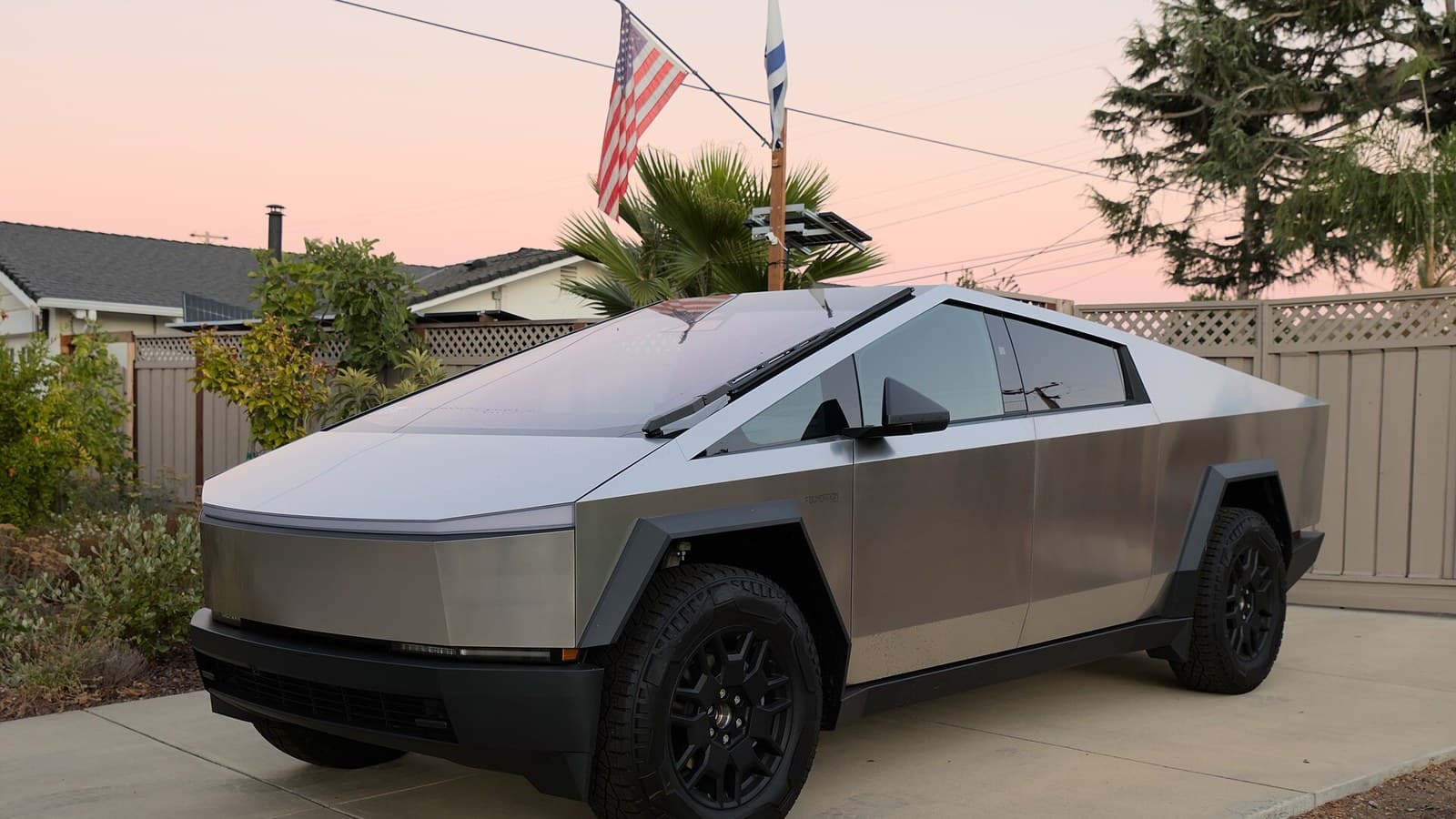
Cover image: a Tesla Cybertruck at dusk in San Jose, by Dllu, CC BY-SA 4.0, via Wikimedia Commons.
Tags
Frequently asked questions
- When will Tesla stop making the Cybertruck?
- Musk said the wind-down at Gigafactory Texas will begin around the middle of 2027. Tesla has not published a final build date or said whether the model will be discontinued.
- How many Cybertrucks has Tesla sold?
- Tesla does not report Cybertruck sales separately. Kelley Blue Book estimated 20,237 US sales in 2025, down 48% from the year before, and Tesla's Q3 2026 Other Models line, which includes several vehicles, came to 8,295 units.
- Why is Tesla ending Cybertruck production?
- Musk said the Austin factory space is needed for increased Cybercab production. The Cybertruck also sold far below his 2023 target of 500,000 a year, with US sales estimated at 20,237 in 2025.
- Will existing Cybertrucks keep working?
- Musk told owners the existing fleet would stay on the road for a long time, according to Euronews. Tesla has not announced an end date for software updates or service.

TPW Editorial
Editorial Team
TechPastWeek's editorial team reports and edits every story we publish. We research each piece against primary and credible secondary sources, and a human editor reviews and signs off before it goes live.