Porsche and cylib Build Pilot Cells With a Fully Recycled Cathode
Porsche and cylib say pilot cells now use a cathode made entirely from recycled end-of-life packs, a first that still faces a pilot-to-series and feedstock gap.

On this page
Key takeaways
- Porsche and cylib said on September 17, 2026 that they produced battery cells whose cathode active material, lithium, nickel, cobalt and manganese, came entirely from recycled end-of-life Porsche high-voltage packs.
- The pilot project began in 2025, and since May 2026 end-of-life packs from Porsche Centres across Germany have been processed by cylib using a water-based method.
- The cells are in operational testing, with further results expected in the second half of 2026; Porsche has made no series-production commitment.
- Recovered materials are tracked in a dedicated material account and will be available to Porsche and selected partners for cell production from 2028.
- cylib claims more than 90% recycling efficiency and about 80% lower carbon footprint than primary extraction, ahead of EU recycled-content minimums of 16% cobalt, 6% lithium and 6% nickel from August 2031.
Porsche and the German recycler cylib said on September 17, 2026 that they have produced pilot battery cells whose cathode active material was made entirely from recycled end-of-life Porsche high-voltage packs. The cathode is the electrode that stores and releases lithium ions, and it is normally built from freshly mined lithium, nickel, cobalt and manganese. In this batch, Porsche says, every one of those metals came from batteries the company had already sold.
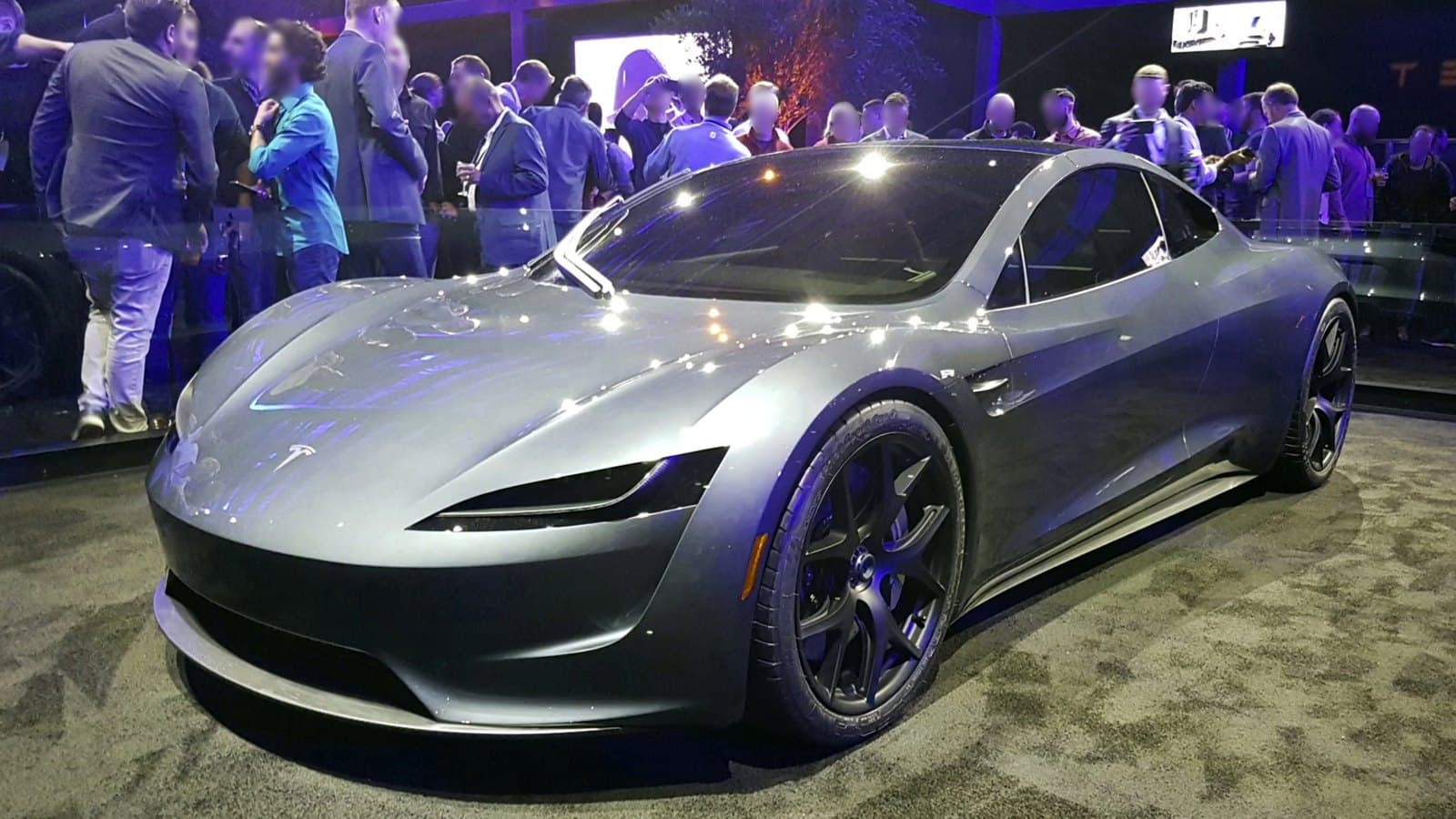
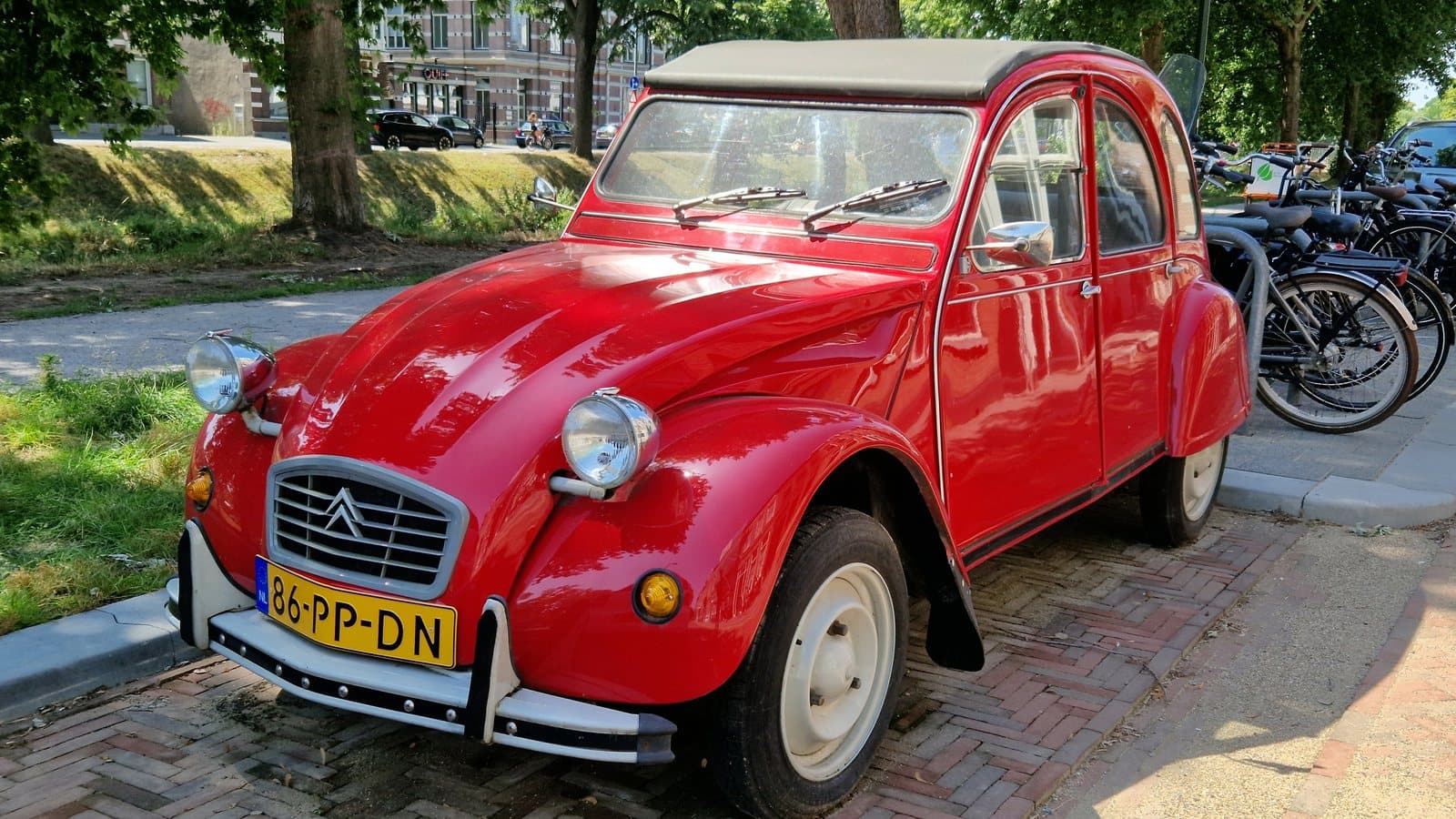
Related reading: Tesla Unveils a Flying Roadster 2 in Texas, With Production Set for 2028 · Citroën's Electric 2CV Concept Targets a Sub-€15,000 City Car for 2028.
The milestone was published on the Porsche Newsroom and repeated in the Volkswagen Group's own release. It is the latest phase of a battery recycling pilot the two partners launched in 2025. The claim is narrower than it may first sound: these are test cells, not production cells, and Porsche has not committed to putting recycled cathode material into the cars it sells. Even so, the project is one of the first times an automaker has closed the loop on the most valuable part of a battery using only its own returned packs.
The significance sits in that wording. A recycler that recovers lithium and cobalt from mixed scrap is doing one thing. A carmaker that feeds its own retired batteries back into new cathode cells, tracks the metal in an account and plans to reuse it, is testing a supply chain rather than a lab result.
What Porsche and cylib actually made
Porsche says the pilot has now entered its third phase. In the first, end-of-life high-voltage packs were collected and dismantled. In the second, cylib recovered the valuable metals and worked them into battery-grade materials. In the third, those materials fully replaced the primary raw materials in cathode active material, and cells were built from them.
The company says it used only raw materials recovered from its own high-voltage batteries, and that the recycled cathode contains lithium, nickel, cobalt and manganese. "With battery cells made entirely from recycled raw materials such as lithium and cobalt, we have achieved an important technological milestone," said Joachim Scharnagl, the member of Porsche's executive board responsible for procurement. He described it as a step toward "circular economy principles and raw material resilience."
cylib's co-chief executive and co-founder, Dr. Lilian Schwich, framed the result as proof of concept. "The pilot project with Porsche demonstrates that our approach is feasible in practice: valuable raw materials from Porsche batteries at the end of their first life can potentially flow back into new high-performance batteries for Porsche vehicles," she said.
The cathode active material is the lithium-bearing compound that gives a cell its capacity and most of its material cost. Building one from recycled metal is harder than recycling the cell casing or the anode, because the recovered lithium, nickel, cobalt and manganese have to be refined back to battery grade with the right purity and particle structure. That is the step cylib claims its water-based process can reach.
The cells made from this material are now in operational testing, and Porsche says initial tests have indicated technical feasibility. Further results are expected in the second half of 2026. The company is explicit that the next hurdle is not chemistry but qualification: it still has to show that recycled material meets its standards for value, quality and performance in a battery. Only then, it says, could the approach feed series-production cells.
The same release notes that the project's findings are already being folded into Porsche's ordinary battery disposal process. That detail matters more than it looks. Recycling pilots often run as side projects with dedicated staff and hand-picked packs. Porsche is saying the collection route from its German retail network is becoming part of normal operations.
The gap between a pilot and a qualified supply
The distance from a working test cell to a qualified series part is long, and Porsche's language reflects it. Recovered materials will be "available to Porsche and selected partner companies for battery cell production beginning in 2028," according to the announcement, mediated by a dedicated material account. That is a supply target, not a purchase order. The volumes, the price, the allocation between Porsche and its partners and the cells those materials would go into are all unpublished.
cylib's industrial plans are the other half of the equation. The company is building a hydrometallurgical plant at Chempark Dormagen with capacity for 10,000 tonnes of black mass a year, roughly the equivalent of 30,000 tonnes of used batteries, and it acquired a dismantling and mechanical processing site in Wernberg-Köblitz in July 2026 with capacity for up to 10,000 tonnes of end-of-life EV batteries a year. Its technology rests on a water-based process it calls OLiC, for optimized lithium and graphite recovery, that it says reaches more than 90% recovery for lithium, graphite, nickel, cobalt and manganese.
Those are company figures. cylib says the process cuts the carbon footprint by about 80% against primary extraction, a comparison it says was verified by an external lifecycle assessment in 2023, and that batteries made with the material can meet EU rules on recycled content already. Independent confirmation of the footprint and efficiency claims at industrial scale does not yet exist because the industrial plant is still being developed. Initial announcements of a pilot-scale success are a necessary step, but they are not the same as a validated production line.
There is also no commitment from Porsche to use the material in its cars. "Insights gained from the pilot project will form the basis for a potential future application of these materials in series-production battery cells," the announcement says, with the qualifier doing the work. Nothing in the release obliges Porsche to buy recycled cathode, and the company continues to source cells and materials through its existing suppliers.
Why the material account matters for supply chains
Europe's battery supply chain is lopsided. The continent assembles a growing share of the world's electric cars, but the refining and cathode production that turn raw metals into cell-ready material sit mostly in Asia, and Europe remains a large importer of refined lithium, nickel, cobalt and manganese. A recycled supply line that runs from German Porsche Centres through an Aachen recycler to a European cathode and cell maker would shorten that chain, even if the volumes are small at first.
That is the strategic case Porsche is making. The release says the recycled material approach "aims to reduce dependence on global raw material sources," and that in future, battery raw materials recycled in Europe could be used in high-voltage batteries for Porsche vehicles. For an automaker exposed to metal price swings and to the geopolitics of cobalt and lithium, a domestic secondary source is a hedge. It is not a replacement for mining, and Porsche does not claim it is.
Recycled content is not automatically cleaner or cheaper. Recovering metals from a used pack takes transport, dismantling, shredding and hydrometallurgical processing, and the pack first has to be collected. A study published in August 2026 as part of the EU's Safeloop project estimated battery recycling currently runs at a loss of about 1.90 euros per kilogram of pack in Europe, with transport of hazardous goods a leading cost. Recycling economics depend on regulation and scale as much as on process efficiency.
The investment relationship behind the collaboration adds context. cylib raised a 55 million euro Series A in May 2024 co-led by the climate-tech fund World Fund and Porsche Ventures, the automaker's venture arm, alongside Bosch Ventures, DeepTech & Climate Fonds, NRW.Venture and earlier backers. At the time it was described as the largest round raised by a European battery recycling company, and the first joint venture investment by Porsche and Bosch in Germany. Porsche is therefore both a customer-pilot partner and an investor, a combination that gives it visibility into the technology without buying production volume.
The regulatory clock
The commercial urgency comes from Brussels. Under the EU Batteries Regulation, (EU) 2023/1542, electric vehicle batteries placed on the market must, from August 18, 2031, demonstrate minimum recycled shares of 16% cobalt, 6% lithium and 6% nickel in their active materials. Those minimums rise from August 18, 2036, to 26% cobalt, 12% lithium and 15% nickel. A separate requirement already bites earlier: from August 18, 2028, EV batteries must be accompanied by documentation of the recycled cobalt, lithium and nickel they contain, per model, per year and per plant.
Europe also sets recovery targets for the material itself. The regulation requires 50% of lithium in waste batteries to be recovered by the end of 2027, rising to 80% by the end of 2031, with 90% recovery for cobalt, copper, lead and nickel by 2027 and 95% by 2031. Those numbers set the bar that recyclers such as cylib have to clear at scale, and they explain why an automaker would want its own chain in place before the deadlines arrive rather than scrambling for secondary material afterward.
Porsche's 2028 supply target sits neatly between the 2028 documentation rule and the 2031 content minimums. That timing is not accidental. Building the collection route, the recovery process and the material accounting now is how a carmaker avoids depending on a merchant recycling market that may or may not be ready. Whether the volume will be there is a separate question.
The feedstock problem
The hardest constraint is not technology but supply. Most electric cars sold in Europe in the past few years are still being driven, and their batteries will not reach end of life for years. DNV's energy-transition analysis notes that most EVs on the market now will be scrapped in the late 2030s, which means the recycling plants being built today are designed for a wave that has barely started to arrive. The International Energy Agency expects lithium-ion batteries reaching end of life to rise sharply from the mid-2030s, with more than a million EV batteries potentially becoming waste by 2030 and demand growing fast afterward.
That mismatch has consequences. S&P Global's automotive technology group warned in June 2026 that recycling capacity built on the assumption of a steep EV ramp-up now faces spent packs arriving later, slower or in smaller volumes than projected. Analysis by Transport & Environment adds that Europe exports at least 60% of its black mass, the shredded intermediate that contains the valuable metals, so a share of the feedstock that does exist leaves the continent for processing elsewhere. A recycler with a German plant and a German collection network can avoid that export route, but it cannot create packs that have not been retired yet.
This is the honest caveat on the Porsche-cylib milestone. The demonstration is real, the process appears sound at pilot scale, and the accounting and timeline are structured. The feedstock is a trickle of early-returning packs, mostly from warranty replacements, accident damage and fleet retirements. Turning a trickle into the hundreds of tonnes a year that a plant like Dormagen needs, and then into a meaningful share of Porsche's cell supply, is a logistics and cost problem rather than a chemistry one.
What to watch
Three things will show whether this is a supply chain in the making or a well-communicated lab result. First, independent verification of the recycled material's performance in cells over charge cycles, beyond Porsche's own "initial tests" phrasing and the results due later in 2026. Second, whether Porsche converts the 2028 material account into a named volume commitment and a specific model or cell program, which would move the story from feasibility to procurement. Third, whether cylib's Dormagen plant reaches operation and runs near its stated capacity, which determines whether there is any material to allocate in the first place.
There is a broader signal too. Automakers spent the first EV decade optimizing for range, cost and charging speed. The next phase is about where the materials come from and what happens to them at the end. Porsche and cylib have shown that a cathode can be rebuilt from returned packs. The open question is how many packs Europe can return, and how cheaply it can refine what it gets.
Cover: End-of-life high-voltage batteries at cylib's facility, 2026, by Jann Höfer / cylib, distributed via the Porsche Newsroom for media use, cropped 16:9.
Tags
Frequently asked questions
- What did Porsche and cylib actually produce?
- Porsche and cylib produced pilot battery cells whose cathode active material was made entirely from recycled raw materials recovered from Porsche's own end-of-life high-voltage batteries. The recycled material includes lithium, nickel, cobalt and manganese, with no primary raw material.
- Are the recycled-cathode cells in production cars?
- No. Porsche says the cells are undergoing operational testing and that further results are expected in the second half of 2026. The company describes the findings as a basis for a possible future use in series-production cells, and it has announced no series commitment.
- When could the recycled battery materials be used for new cells?
- Porsche says the recovered raw materials are tracked in a dedicated material account and will be available to Porsche and selected partner companies for battery cell production from 2028. The allocation volumes and methodology have not been published.
- What does the EU Batteries Regulation require?
- From August 18, 2031, electric vehicle batteries placed on the EU market must document minimum recycled shares of 16% cobalt, 6% lithium and 6% nickel, rising in 2036. A 2028 deadline requires recycled-content documentation, and lithium recovery from waste must reach 50% by 2027 and 80% by 2031.

TPW Editorial
Editorial Team
TechPastWeek's editorial team reports and edits every story we publish. We research each piece against primary and credible secondary sources, and a human editor reviews and signs off before it goes live.