NextEra’s Duane Arnold Restart: How a $1.9 Billion Loan Ties a Nuclear Plant to Google’s AI Boom
The US Energy Department closed a $1.9 billion loan to restart Iowa’s shuttered Duane Arnold nuclear plant, with Google buying the power for its data centers.

On this page
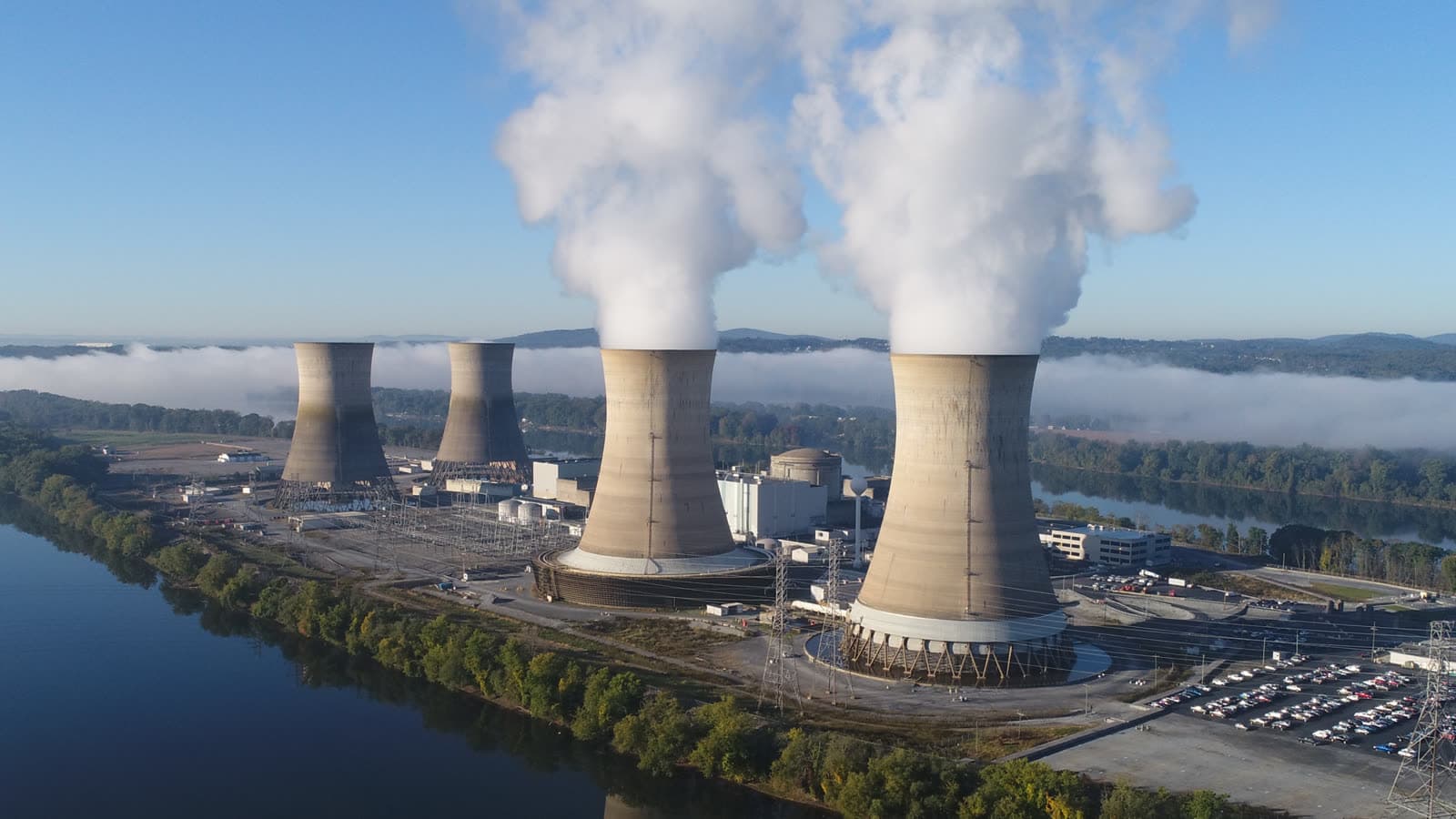
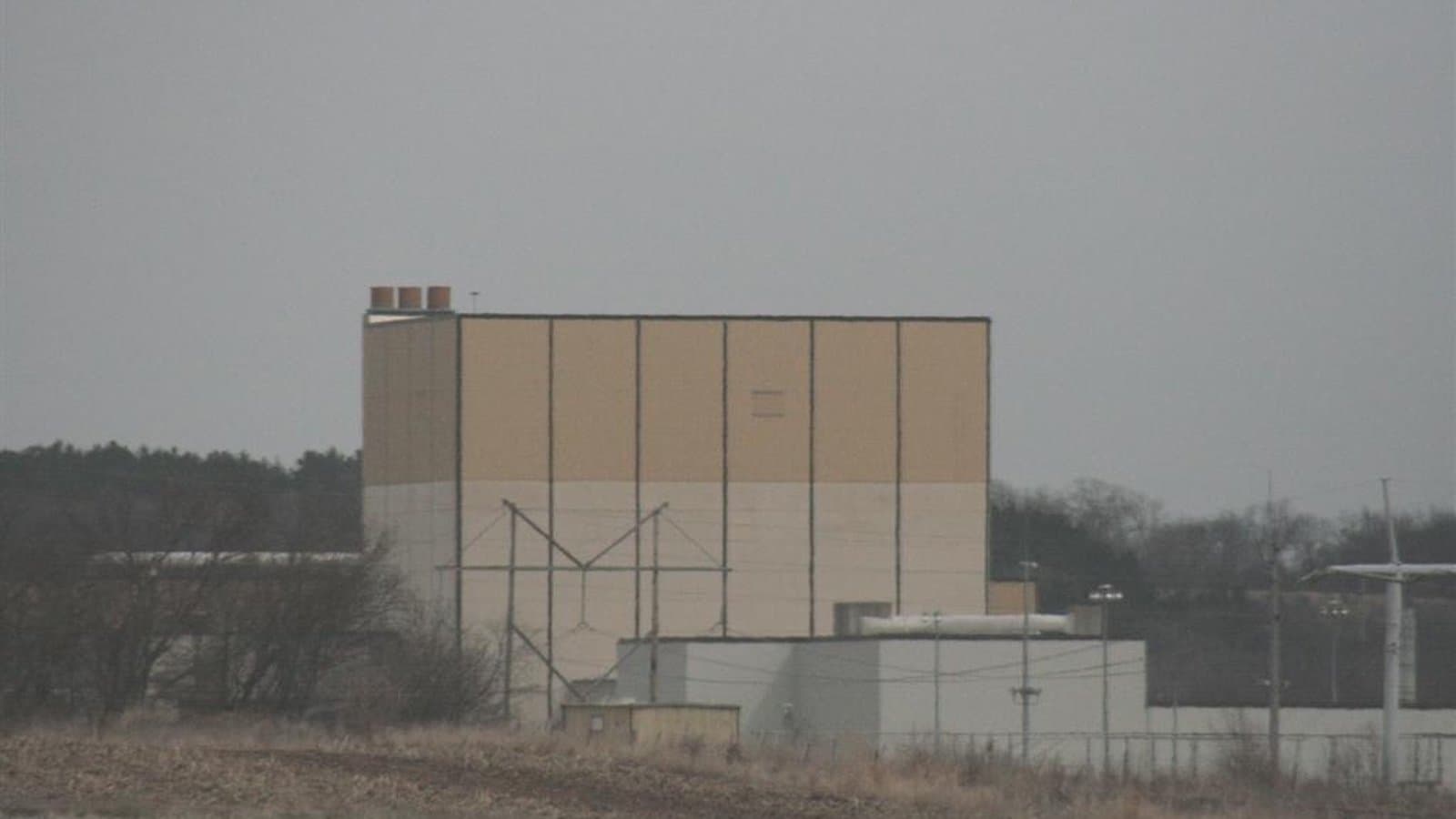
The US Department of Energy closed a loan of up to $1.9 billion to NextEra Energy on September 8, 2026, to help finance the restart of the Duane Arnold Energy Center, Iowa’s only nuclear power plant. The financing, announced by the department’s Office of Energy Dominance Financing, would return a 615-megawatt boiling-water reactor to a state that has gone without nuclear power since 2020, when a derecho damaged the plant and its owner concluded that repairing it was not worth the cost.
Related reading: Google and Constellation Add 890 MW of Nuclear Power Through Reactor Uprates · Google and Nvidia Want Data Centers to Give the Grid a Break.
The restart is not primarily a utility story. Google has signed a 25-year agreement to buy most of the plant’s electricity, and the company is developing data centers in and around Cedar Rapids. The loan therefore sits at the junction of two of the year’s dominant energy narratives: the AI industry’s scramble for round-the-clock power, and a federal push to bring retired reactors back from the dead.
A reactor, a storm, and a long shutdown
Duane Arnold entered service in 1975 near Palo, in Linn County. It is a single General Electric boiling-water reactor of the BWR-4 type, with a Mark I containment, and it was renewed in 2010 to operate until 2034. For most of its life it produced roughly 600 megawatts and was a fixture of eastern Iowa’s grid.
In January 2018, NextEra signalled that the plant was unlikely to run past 2025, citing economics. Then, on August 10, 2020, a derecho (a long-lived, fast-moving windstorm) swept across Iowa with gusts reported near 140 mph and badly damaged the plant’s cooling towers. The reactor had already been scheduled to close that year; the storm made the decision final. The NRC records that Duane Arnold “permanently ceased operations” on August 10, 2020, after more than 45 years of commercial operation.
For four years the plant sat dormant while NextEra moved through decommissioning. What changed was demand. As hyperscale data centers spread across the Midwest, the company began weighing a restart, and in October 2025 it announced an agreement with Google and a target of returning the plant to service by the first quarter of 2029.
Why the AI industry wants reactors
Data centers have become the fastest-growing source of new electricity demand in the United States. S&P Global Market Intelligence forecasts that US data-center capacity will grow from 62,242 megawatts in March 2026 to 151,734 megawatts by 2030. Goldman Sachs Research projects that data-center power demand will rise more than 160 percent by 2030 compared with 2023, and estimates that satisfying all of that growth would require 85 to 90 gigawatts of new nuclear capacity, well under 10 percent of which is likely to be available globally by the end of the decade.
The mismatch is the point. Solar and wind are cheap and fast to build, but they are intermittent, and AI training and inference loads need power continuously. Gas is dispatchable and quicker to permit, but it carries emissions that conflict with the carbon-free goals that Google, Microsoft and Meta have set for themselves. Nuclear offers firm, low-carbon output from a small footprint, which is why hyperscalers now dominate corporate clean-energy procurement, accounting for 87 percent of it in the US, and have announced roughly 30 gigawatts of nuclear power-purchase agreements since 2024.
For Google, Duane Arnold is a way to add carbon-free generation next to the demand it is creating. Under the deal, Google takes a large share of the plant’s output; Central Iowa Power Cooperative (CIPCO) buys the remainder on the same terms. NextEra has agreed to acquire CIPCO’s and Corn Belt Power Cooperative’s combined 30 percent stake, which would take its ownership to 100 percent.
The zombie-reactor playbook
Duane Arnold is the third shuttered US reactor attempting the same maneuver, and it follows an emerging template in which a technology company’s long-term contract de-risks a capital-intensive restart.
In Pennsylvania, Constellation Energy is reviving the undamaged Unit 1 at Three Mile Island (renamed the Crane Clean Energy Center) under a 20-year agreement with Microsoft. That 835-megawatt reactor shut down in 2019. In Michigan, Holtec International is working to reopen the 800-megawatt Palisades plant, backed by a $1.52 billion federal loan. The DOE closed a $1 billion loan for the Crane restart in November 2025. Together, the three restarts would return roughly 2.2 gigawatts of conventional nuclear generation to the grid.
No fully shuttered US nuclear plant has yet resumed operation, so every step is being watched as a precedent. The federal government has leaned into the trend: the loan to NextEra is the third such restart financing and was framed as part of an “energy dominance” agenda and a nuclear-industrial-base executive order. Deputy Energy Secretary James P. Danly said the restart would “drive down electricity costs, while supporting thousands of American jobs”, a claim TechCrunch noted he did not explain.
The economics, and who carries the risk
NextEra has not disclosed the full cost of the restart. The Gazette reported the company has cited a figure of about $1.6 billion, while KCRG reported NextEra leaders describing an investment of “multiple billions of dollars.” The federal loan covers up to $1.9 billion of it, on terms made available through the DOE’s Title 17 energy-financing program.
The company and its supporters point to a Strategic Economic Research study estimating more than $9 billion in economic benefits for Iowa over 25 years, alongside roughly 1,500 construction jobs, more than 400 permanent operational roles and about $75 million in tax revenue over the project’s life. The DOE counts 462 permanent jobs. NextEra CEO John Ketchum framed the project as a way to pair new supply with new demand: “By bringing new generation online to serve new demand, we can strengthen the grid, create hundreds of good-paying jobs and help ensure Iowa families and businesses are not asked to bear the costs of growth.”
That last assurance is the contested one. The central worry among consumer advocates and some regulators is that grid upgrades, transmission work and backup capacity needed to serve data centers get spread across all ratepayers, while the data centers themselves capture the benefit. In Iowa, the Sierra Club backed a bill, HF2690, that would have required a separate electric tariff so data centers pay the full cost of the infrastructure built for them. The bill failed in the 2026 legislative session.
The empirical picture is genuinely mixed. A National Review survey of the evidence notes that S&P Global found no observable correlation between five-year growth in data-center power demand and changes in state residential electricity rates, and that one causal study found data centers modestly lowered average retail rates between 2015 and 2024 by spreading fixed utility costs across more customers. But the same analysis concedes that the scholarly consensus now expects prices to rise as extraordinary demand outruns available generation, which is exactly the scenario the restart is meant to address.
Criticism, water, and a safety debate
The Sierra Club’s Iowa chapter has been among the most vocal opponents. In a statement reported around the loan close, it called the financing a gamble: “We shouldn’t be gambling public funds to reverse the decommissioning of aging, storm-damaged reactors just to satisfy the electricity cravings of massive tech monopolies.”
The group’s objections extend beyond cost. It has highlighted water use, noting that early estimates suggested Google’s proposed data center near Palo could draw up to 14 million gallons a day from the Cedar River, and has pushed for water-availability studies and public reporting before approvals move forward. Google first sought to build in unincorporated Linn County, then pivoted to annexation into Palo after the county adopted a data-center ordinance that includes a water study; the Sierra Club argues Palo’s own draft ordinance is weaker.
Safety and health questions have surfaced too. At an NRC public meeting in April 2026, critics raised concerns about radioactive waste and exposure; the NRDC described its position as “conditionally supportive” while saying it was reviewing that stance. The Sierra Club has also urged the NRC not to weaken radiation standards, changes it argues would reduce oversight of the Duane Arnold restart.
The approval is not the operating licence
The DOE loan is financing, not a licence. NextEra must still complete a “bundle of licensing actions” before the NRC, a process expected to run through at least January 2028. The restart panel is inspecting pumps, valves, piping and the reactor vessel, and the plant’s environmental review remains unresolved. Until those clear, 2029 is a target, not a schedule.
What to watch
Three things will decide whether Duane Arnold becomes a model or a cautionary tale.
First, the NRC. No decommissioned US reactor has ever gone back into commercial service, so the licensing process is the real test of whether the “zombie reactor” playbook is replicable or a one-off for a handful of unusually well-preserved sites. The companies’ own timelines (Crane in 2027, Palisades in 2026–27, Duane Arnold in 2029) will reveal how much slack regulators and grids actually allow.
Second, cost allocation. If Iowa and other states continue to route data-center infrastructure costs onto ordinary bills, the political backlash that has already slowed data-center projects in parts of the country will intensify, and the implicit bargain behind deals like Google’s (new supply pays for new demand) will be tested. If, instead, tariffs and long-term contracts genuinely insulate existing customers, the model gets easier to sell.
Third, whether nuclear restarts can scale beyond a handful of recently shuttered plants. TechCrunch noted that Duane Arnold and its two peers are the “lowest hanging fruit,” with perhaps one or two more candidates such as San Onofre. Everything past that means new construction, which is slower, costlier and far harder to finance. For all the momentum, the restart boom proves only that a few dead reactors can be revived, not that the AI industry’s power problem has a nuclear answer at the scale the forecasts imply.
Tags

TPW Editorial
Editorial Team
TechPastWeek's editorial team reports and edits every story we publish. We research each piece against primary and credible secondary sources, and a human editor reviews and signs off before it goes live.