Anthropic Agreed to Buy $3.4 Billion of Gas Generators for Its Data Centers
Anthropic agreed to pay about $3.4 billion for 1.7 gigawatts of Caterpillar-made gas generators, the FT reported, as AI labs race to secure enough power.

On this page
Key takeaways
- Anthropic agreed in late September 2026 to pay about $3.4 billion for 1.7 gigawatts of heavy-duty gas generators, the Financial Times reported on 8 November.
- The supplier, OnePWR Solutions of San Antonio, Texas, had ordered the Caterpillar generators about two years earlier and needed financing to complete the purchase.
- Anthropic took over the equipment orders and the engineering and construction work, but it did not acquire OnePWR and no OnePWR employees transferred.
- The reported price works out to roughly $2,000 per kilowatt, a calculation from the FT's $3.4 billion and 1.7 gigawatt figures, not a quoted unit price.
- Anthropic's amended IPO filing showed about $895 billion in commitments, almost all for computing power and infrastructure, according to The Next Web.
Anthropic agreed to pay about $3.4 billion for gas-fired generators to power its data centers, the Financial Times reported on Sunday 8 November. The deal covers 1.7 gigawatts of heavy-duty generators and was signed in late September with OnePWR Solutions, a power and equipment supplier based in San Antonio, Texas. The FT, citing one person familiar with the matter, described it as the largest known single purchase of power-generation equipment by an AI lab.
Related reading: US Data Centers Could Burn More Natural Gas Than Germany and Japan Combined by 2035 · Google and Constellation Add 890 MW of Nuclear Power Through Reactor Uprates.
The figure is not confirmed. Anthropic and OnePWR declined to comment to the FT, The Next Web reported, and did not immediately respond to Bloomberg. CNBC's account repeats the FT's figures without independent confirmation, and Reuters said it could not immediately verify the report. That single-source status matters for every number that follows, including the price, the capacity and the claim about the size of the order.
What is clear is the shape of the transaction. OnePWR had ordered the generators from Caterpillar about two years earlier but needed financing to complete the purchase, the FT reported. Anthropic first planned to buy power from OnePWR. Instead it took over the equipment orders, plus the engineering and construction work needed to install the machines. Anthropic did not acquire OnePWR, and none of the supplier's employees moved to Anthropic.
The order, if confirmed, would be the clearest example yet of an AI company buying generation equipment rather than waiting for a utility to build. It also shows how far the bottleneck has moved, from chips to land, grid connections, gas supply and the factory slots that produce large generators.
What the FT reported
The deal is an equipment purchase, not a power purchase agreement. Anthropic is buying the generators and the work required to put them on site, rather than signing a contract for electricity from a plant OnePWR would own and operate. That distinction changes who carries the construction risk, the permitting risk and the fuel risk.
The FT's account leaves most of the operational detail blank:
- The locations where the generators will run have not been disclosed.
- No state, utility, permit, fuel-supply contract, emissions profile or delivery schedule was made public.
- It is not known whether the generators will serve as primary power or backup, or whether they will run continuously.
- The capacity figure covers heavy-duty generators, not the balance-of-plant equipment or the substations that connect them.
Those gaps are not small. A generator order is one part of a power project. The site, the air permit, the gas supply and the interconnection decide whether the machines can run, and at what cost.
What 1.7 gigawatts buys
Capacity figures are easy to read past. 1.7 gigawatts is 1,700 megawatts, and a large AI campus can draw hundreds of megawatts on its own. The order is therefore sized for a substantial load, not a single backup plant.
Nameplate capacity is not the same as delivered energy. A set of generators rated at 1.7 gigawatts produces that much only while running at full output. If the units operate as backup, their annual output will be far below the rating. If they run continuously, the fuel bill and the emissions add up quickly. The FT report does not say which mode Anthropic intends.
The reported price implies about $2,000 per kilowatt. That is arithmetic from the FT's two numbers: $3.4 billion divided by 1.7 gigawatts, with the gigawatts converted to 1.7 million kilowatts. It is not a unit price quoted by either company, and it bundles the generators with the engineering and construction work, so it is not a clean equipment benchmark. Treat it as a rough scale marker rather than a market rate.
The comparison that matters is speed, not cost per kilowatt. A new utility-scale gas plant can take years to permit and build, and grid interconnection queues in many US regions stretch out just as far. A generator set ordered from an existing production slot can be shipped and assembled faster. The premium, if there is one, buys time.
"Anthropic has agreed to pay $3.4bn for gas-fired generators to power its data centres, the Financial Times reported on Sunday." — The Next Web, 8 November 2026
Why take over someone else's order
The most revealing detail is the two-year-old Caterpillar order. OnePWR had already secured a place in the manufacturer's queue. What it lacked was the money to finish the purchase. Anthropic had the money, and a fresh order would have meant a longer wait.
The FT frames the deal as buying a place in Caterpillar's production queue rather than joining the back of a multi-year line. That is a different kind of transaction from a cloud contract. It moves Anthropic upstream, from a customer of power to the owner of the machines that make it.
Taking over the order also meant taking over the engineering and construction scope. Those are the parts of a power project where delays usually appear: site work, foundations, fuel connections and the electrical work that ties generators to a data hall. Buying the machines without that work would have left Anthropic with equipment and no schedule.
Other AI companies have made similar moves. xAI bought mobile gas turbines for about $2 billion earlier in 2026, and Alphabet acquired the energy developer Intersect in late 2025, according to Investing.com's account of the FT report. xAI also faces a lawsuit over gas turbines at its Memphis site, TNW reported. Each case is a buyer securing generation directly when the grid cannot deliver fast enough.
That shift has a political cost. Data-center projects have run into local opposition over power, water and land, and the US midterms produced ballot fights over data-center development. A company that owns its own generators can move faster than a utility, but it also becomes the visible operator of a fossil-fuel plant in whatever community hosts it.
The emissions question has no site yet
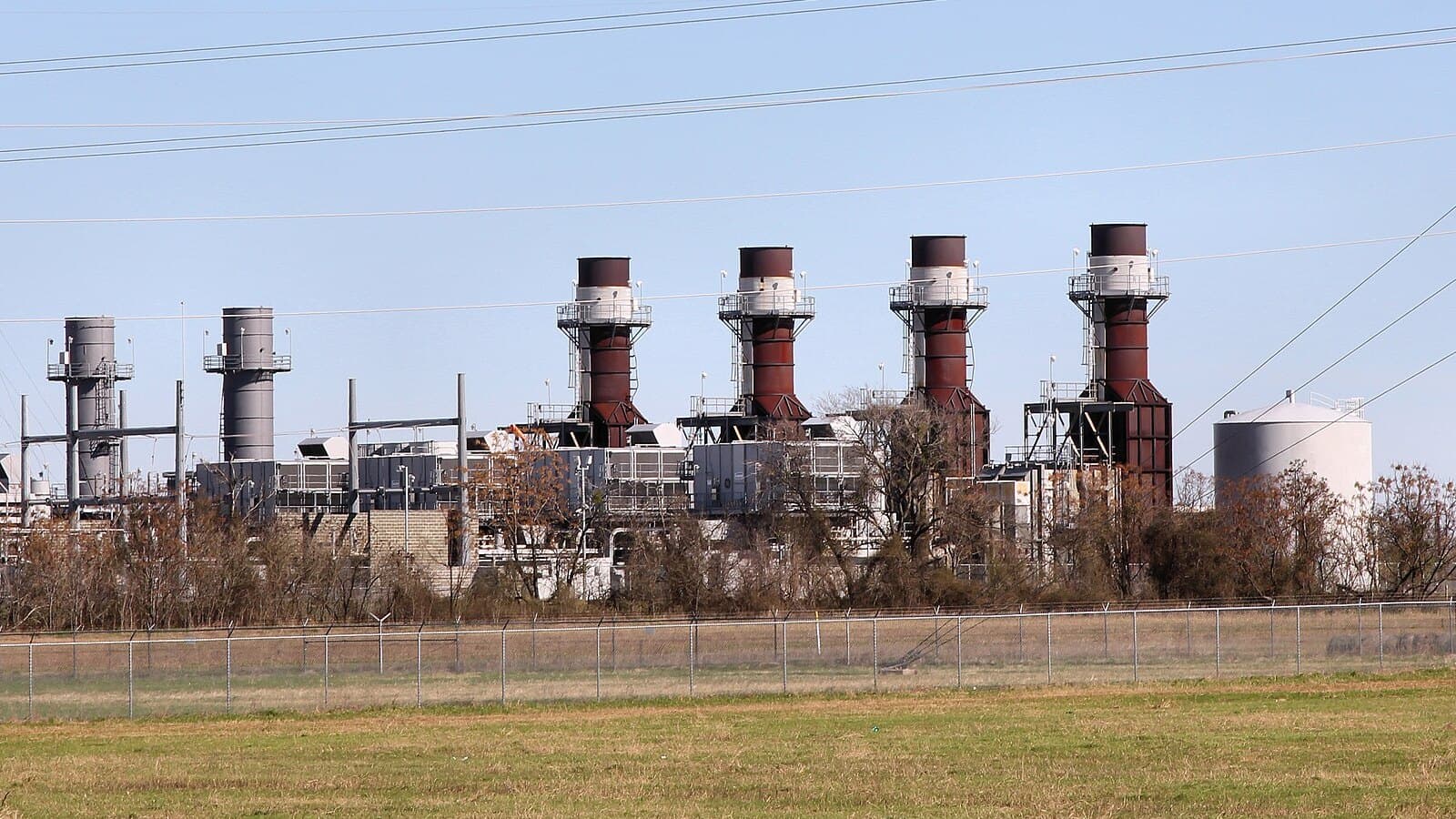
Gas generators emit less carbon dioxide per megawatt-hour than coal plants and more than wind, solar or nuclear. They also produce nitrogen oxides and other pollutants that affect local air quality, depending on the engine and its controls. A cluster of heavy-duty units running for long hours is a different proposition from a few backup sets that start during an outage.
None of that can be quantified here. The FT report did not name a site, a state, a utility or a permit. It did not say whether the generators will run continuously or only when the grid falls short. It did not include an emissions estimate, a fuel contract or a delivery schedule.
One source, no site
The $3.4 billion price and 1.7 gigawatt capacity come from a single Financial Times source. Neither Anthropic nor OnePWR confirmed the figures, and Reuters said it could not verify them. No location, permit, fuel-supply deal, emissions profile or delivery schedule has been disclosed. The generators are not known to be operating, and the order should be treated as a reported equipment deal, not as new capacity on the grid.
The missing site is the central unknown. Air permits are public documents in most US states, and they typically list the number of engines, their rated capacity, their fuel use and their expected hours of operation. When a permit application appears, it will answer more about the environmental impact than the deal announcement did. Until then, claims that the generators are a climate problem or a climate solution are both ahead of the evidence.
The power-and-water angle is not hypothetical for the sector. Large data-center campuses need cooling and grid connections, and the Malaysia expansion by Google shows how those constraints shape site choices. Taking generation off the grid can ease the connection queue while adding a local fuel and emissions burden.
The balance sheet behind the generators
The generator order is small next to Anthropic's wider commitments. The company's amended IPO filing last week showed about $895 billion in commitments, almost all for computing power and infrastructure, The Next Web reported. Reuters reported in September that Anthropic expects to spend at least $518 billion over a decade building AI infrastructure with six partners, according to a confidential IPO prospectus, and that many of those deals cannot be canceled.
Those are commitments, not cash spent. They describe what Anthropic has promised to buy as it builds capacity for its Claude models. Power is one input in that stack, alongside chips, land, cooling and construction labor. Buying generators directly is a way to control one input that has become scarce.
The amended filing put a number on the buildout at a point when the company is asking public investors to fund it. A commitment is also a liability if demand for AI services grows more slowly than the capacity does. Reuters reported that many of the deals behind the $518 billion figure cannot be canceled, which turns a forecast about future demand into a fixed obligation.
The timing links the deal to the listing. Anthropic is preparing an initial public offering, and infrastructure spending is one of the main things prospective investors will have to price. A company that can point to secured power is in a stronger position than one still waiting in a utility queue. The same generators that reduce that wait also carry fuel costs, emissions and permitting exposure.
What to watch
The next signals will come from public records, not press releases.
- Permit applications. Air permits and local land-use filings will identify sites, engine counts, capacity and expected run hours. They are the first place the emissions picture becomes concrete.
- Delivery and commissioning. The FT did not report a schedule. Equipment deliveries, substation work and site preparation will show whether the generators can arrive before the data centers need them.
- Fuel supply. Gas contracts, pipeline capacity or a decision to use another fuel would clarify how the units will operate and what they will cost to run.
- IPO disclosure. A public filing may add detail on the power strategy, the counterparties and how the spending is structured. It may also leave the generator deal inside a broader infrastructure line.
- Grid policy. If more AI labs buy their own generation, utilities and regulators will face harder questions about who pays for grid upgrades and who bears the emissions.
Anthropic has reportedly bought a place in a manufacturing queue and a set of machines that can be installed behind the meter. What it has not bought, at least not publicly, is a site, a permit or a guarantee that the power will arrive on time. The deal is a bet that speed is worth the cost and the scrutiny. The permit files will show how that bet lands.
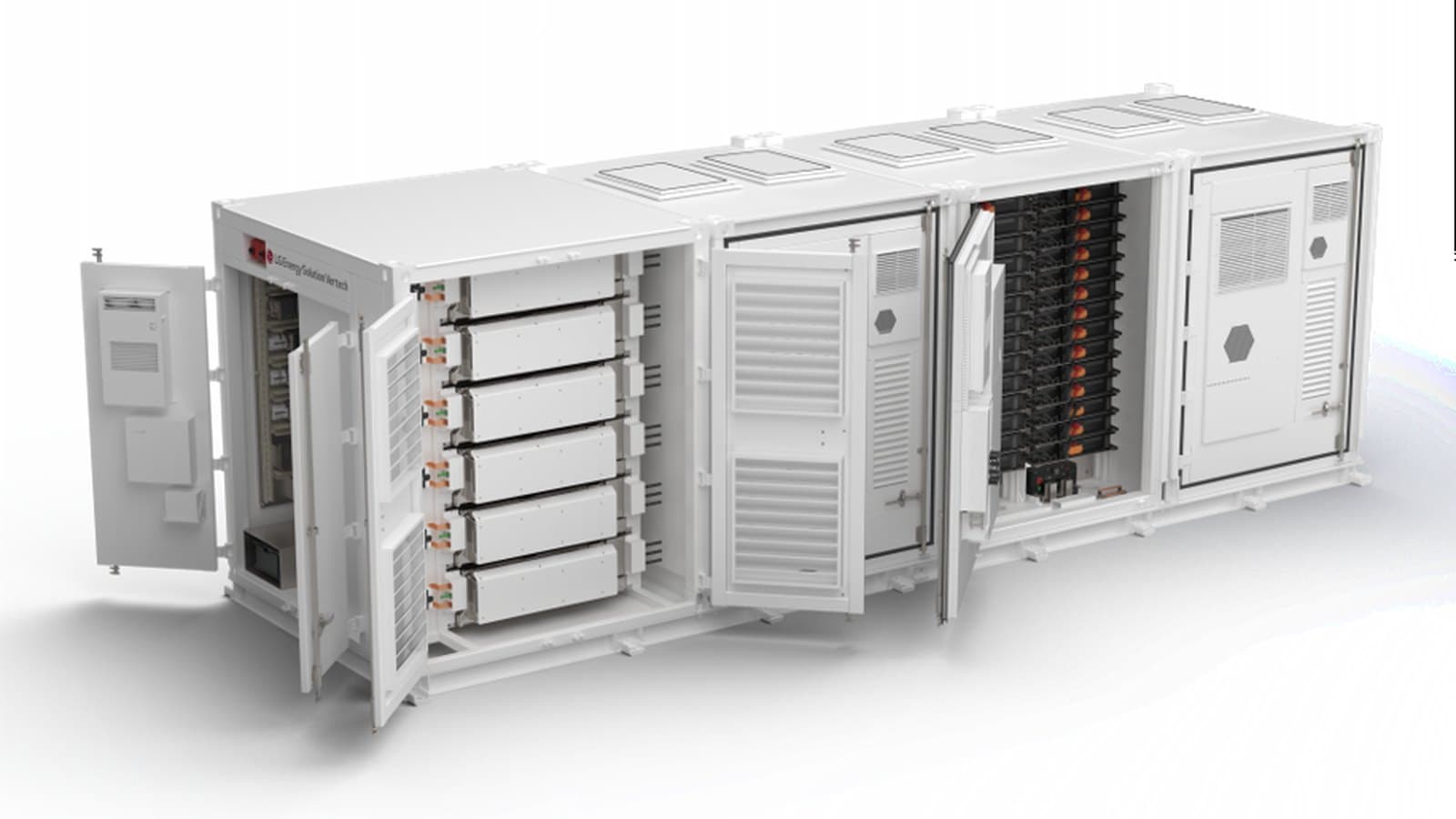
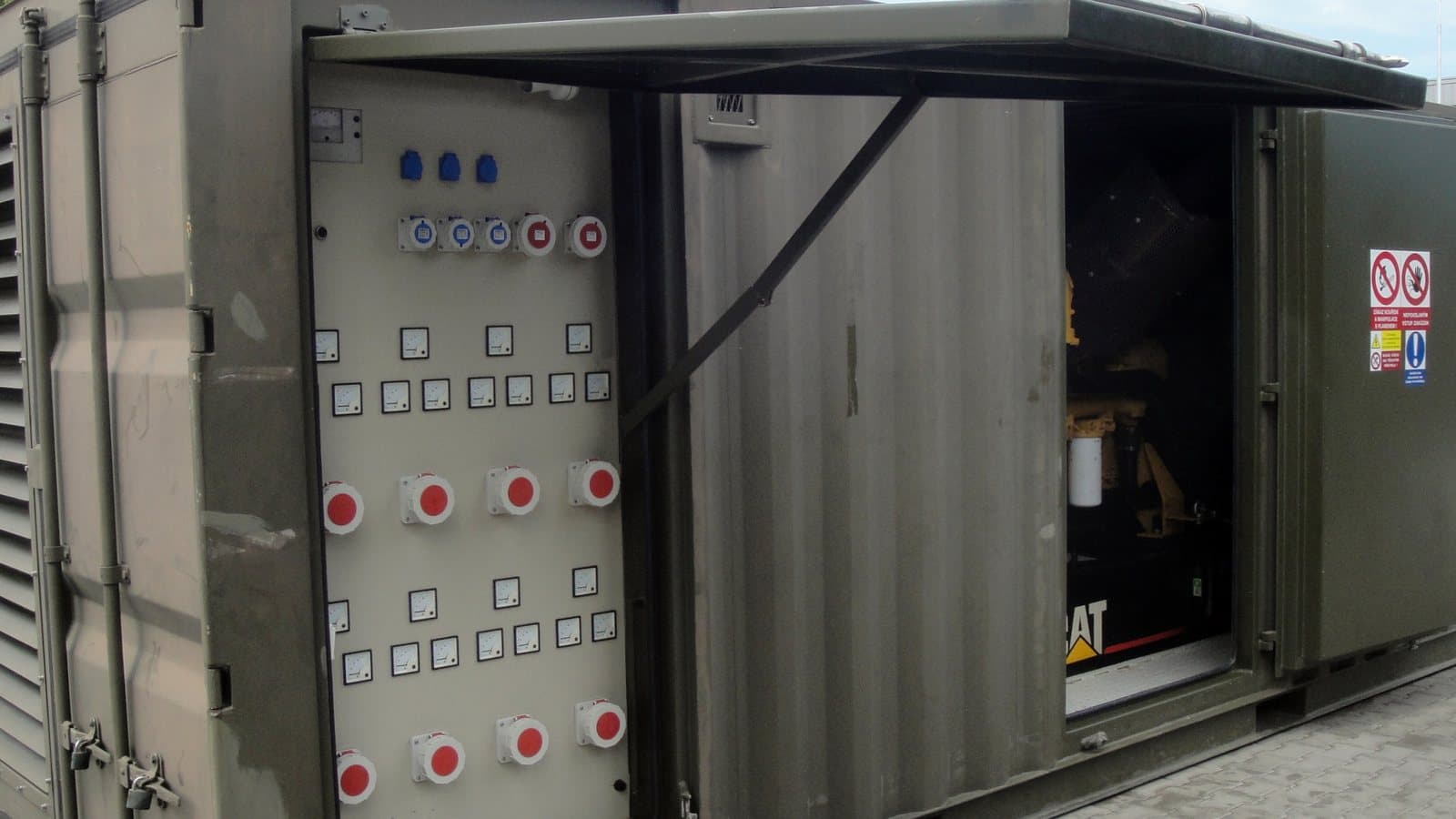
Cover image: a containerised Caterpillar generator set.
Tags
Frequently asked questions
- How much is Anthropic paying for gas generators?
- Anthropic agreed to pay about $3.4 billion for 1.7 gigawatts of heavy-duty generators in late September 2026, according to the Financial Times. The figure comes from one person familiar with the matter, and neither Anthropic nor OnePWR confirmed it.
- Who is OnePWR Solutions?
- OnePWR Solutions is a power and equipment supplier based in San Antonio, Texas. It had ordered the Caterpillar generators about two years before the deal and needed financing to complete the purchase. Anthropic took over the orders but did not buy OnePWR itself.
- What does 1.7 gigawatts mean for a data center?
- 1.7 gigawatts is 1,700 megawatts of generating capacity, a large amount of power for a single equipment order. Anthropic has not disclosed where the generators will run, whether they will provide primary power or backup, or whether they will operate continuously.
- Will the generators increase Anthropic's emissions?
- Gas-fired generators produce carbon dioxide and other air pollutants when they run. Anthropic has not disclosed a site, a permit, a fuel-supply contract or an emissions profile, so the scale of any increase cannot be calculated from the public record.

TPW Editorial
Editorial Team
TechPastWeek's editorial team reports and edits every story we publish. We research each piece against primary and credible secondary sources, and a human editor reviews and signs off before it goes live.